



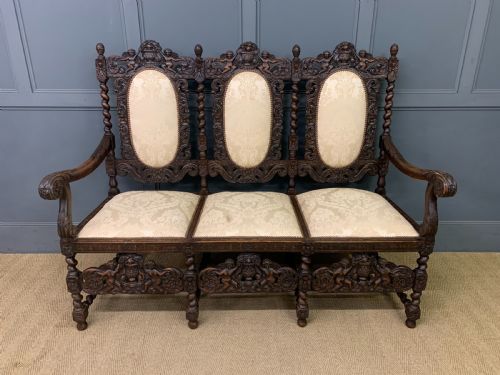
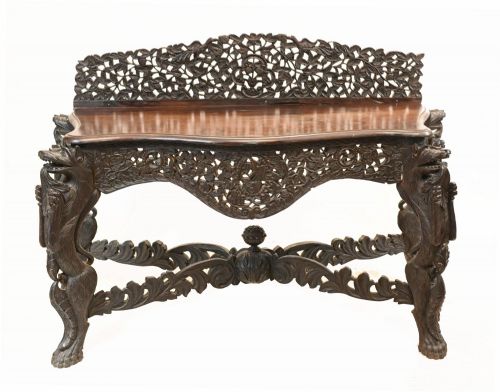
Victorian Carved Wood Sofa
A victorian carved wood sofa brings nineteenth century craft into a modern room, offering deep upholstery and ornate frames.
Victorian Carved Wood Sofa
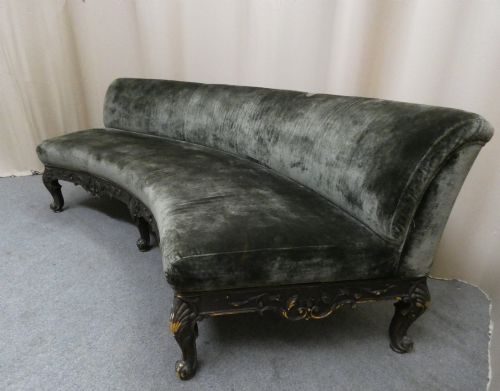
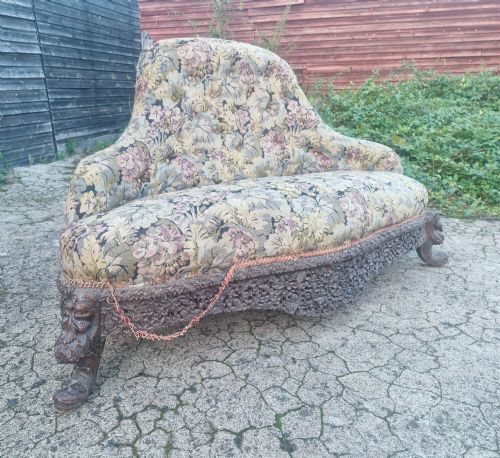
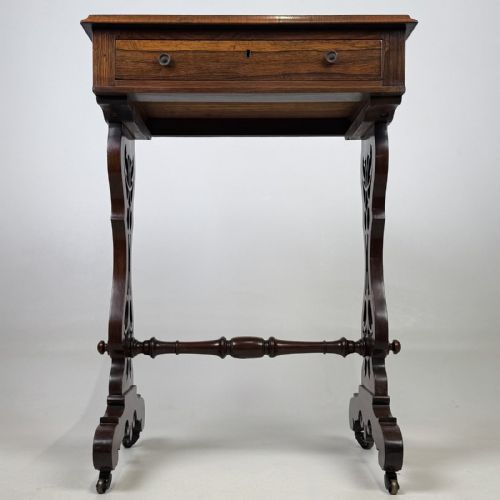
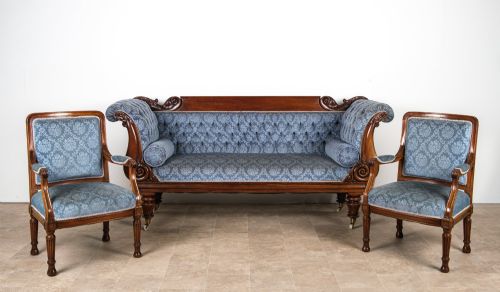
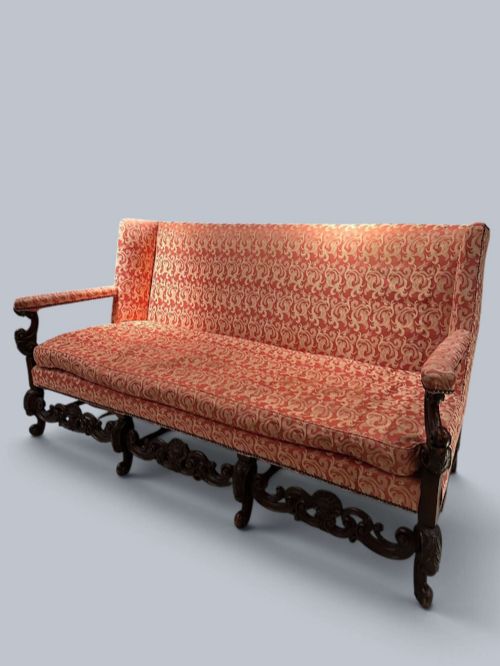
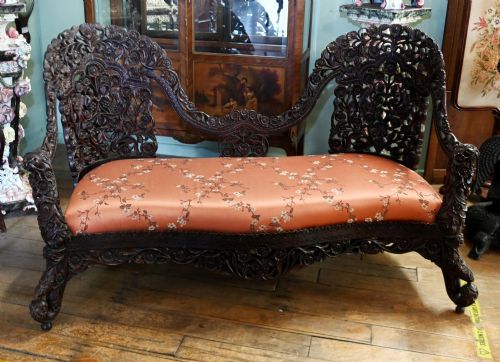
When you search for a victorian carved wood sofa, you encounter seating forms produced during the nineteenth century, including settees, double ended couches and carved chaise longues. These pieces reflect the prevailing taste for substantial timber frames paired with sprung bases and deep pile upholstery.
Mahogany and walnut form the backbone of these offerings, though rosewood and burr walnut appear alongside framed upholstery in green fabric, burgundy brocade and leather. The silhouettes range from early victorian restraint to elaborate carved frameworks.
How they were made
Cabinetmakers worked dense timbers such as mahogany, walnut and rosewood, carving structural frames by hand before applying polish or wax. Turning techniques shaped legs and stretchers, while joinery relied on traditional mortise and tenon methods to bear the weight of daily use.
Upholsterers built the seating platforms using traditional webbing, coil springs and horsehair stuffing beneath outer layers of fabric or leather. This layered construction provided durable support and allowed for deep tuffets and buttoning.
Victorian Carved Wood Sofa Retail Price Guide 2026
Typical asking prices for victorian carved wood sofa among the pieces listed under this phrase on Sellingantiques today, from the lower quarter to the upper quarter. They describe what is for sale here now, not the wider market.
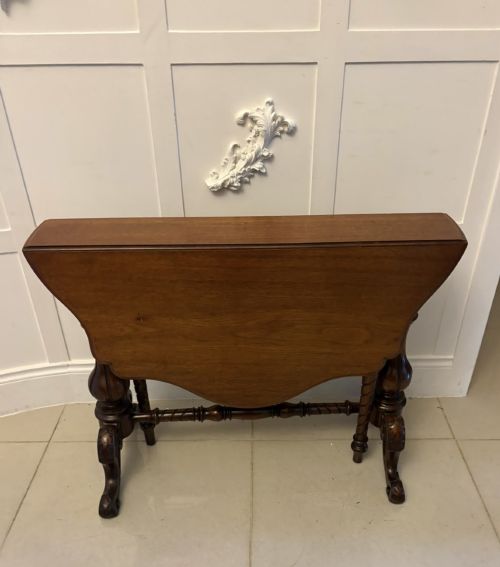
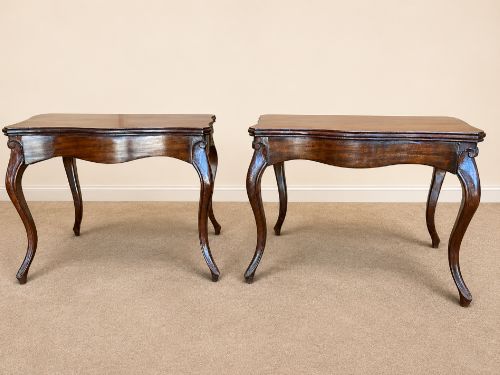
Listings feature nineteenth century timbers including mahogany, walnut, rosewood, padouk and burr walnut across various seating and table forms.
What varies in quality
The distinction between ordinary and exceptional seating lies in the depth and crispness of the timber carving, alongside the selection of burr veneers or solid cabinet woods. Superior examples exhibit fluid lines and harmonious proportions that integrate the frame with the upholstered body.
Internal joinery and the retention of original timber framing dictate long term stability, while the choice of secondary woods reveals the maker's underlying standards. Finer pieces demonstrate careful timber matching and robust structural integrity beneath the upholstery layers.
Richardson and Sons·Johnstone and Jeanes·Mein of Kelso
The Victorian Carved Wood Sofa Glossary
- Chaise longue
- An upholstered couch with a backrest at one end and a partial arm, designed for reclining. These pieces combine the function of a chair and a daybed.
- Settee
- A medium sized wooden bench or sofa featuring an upholstered seat and backrest. They provide formal seating for two or more occupants.
- Burr walnut
- Timber sliced from walnut tree growths, producing swirling, intricate grain patterns. Cabinetmakers applied these veneers to prominent surfaces for visual impact.
- Stretcher
- A horizontal wooden rod connecting the legs of a table or sofa for added stability. Turned or plain variants reinforce the lower frame.
- Brocade
- A rich, heavy fabric woven with raised patterns, often utilising metallic threads. This material frequently covers nineteenth century salon seating.
Victorian Carved Wood Sofa: Frequently Asked Questions
What is a victorian carved wood sofa?
A victorian carved wood sofa is a nineteenth century cushioned seat featuring an exposed timber frame with hand carved ornamentation. These pieces were built for formal reception rooms using dense hardwoods like mahogany and walnut.
Makers combined sprung bases with durable horsehair stuffing to provide resilient support. The resulting forms range from double ended couches to framed chaise longues.
How do I care for my sofa?
Maintain the timber frame by applying natural wax polish periodically and keeping the wood away from direct heat sources. This prevents the grain from drying out and preserves the surface finish.
Vacuum fabric or leather regularly using a soft brush attachment to remove dust. Professional cleaning is recommended for antique textiles to protect delicate fibres.
Are these sofas comfortable?
Victorian seating was engineered for upright posture and formal entertaining, utilising coil springs and firm stuffing. The deep pile upholstery and generous proportions offer substantial support for daily use.
Many surviving pieces retain their original sprung bases or have been restored with traditional stuffing methods. This maintains the intended firmness and sit of the period.
How do I date a nineteenth century sofa?
Examine the timber species, carving style and construction methods to establish the manufacturing period. Early nineteenth century pieces often show georgian influences, while later items feature revivalist ornamentation.
Look for tool marks, secondary woods and upholstery foundations beneath the base. These physical clues help distinguish mid-century production from late victorian examples.