

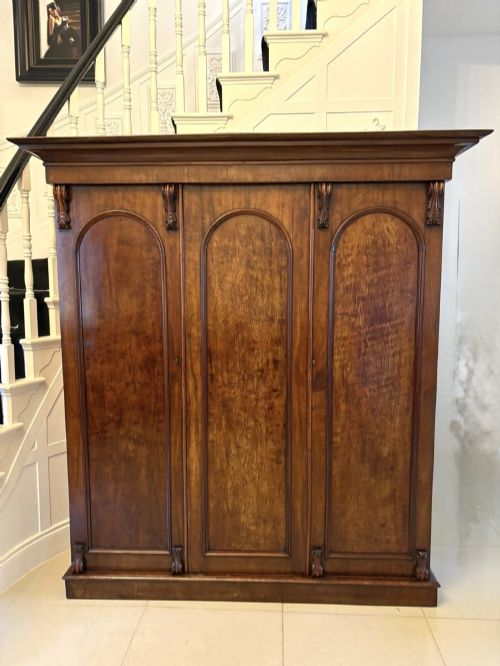
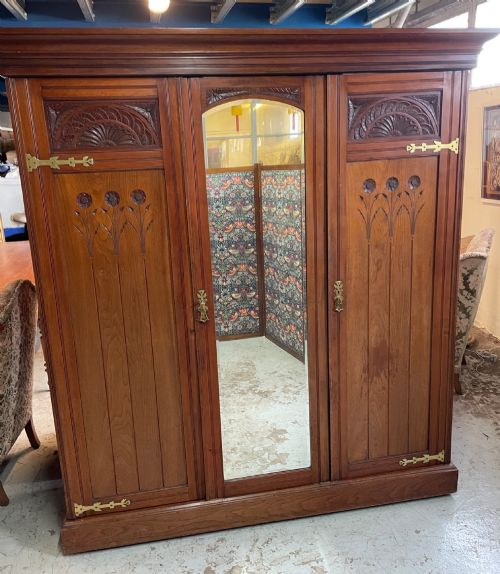
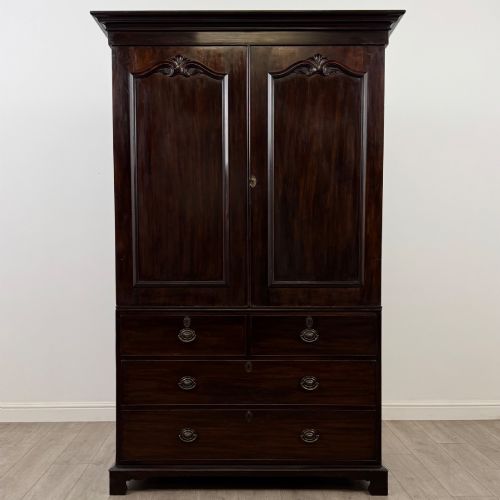
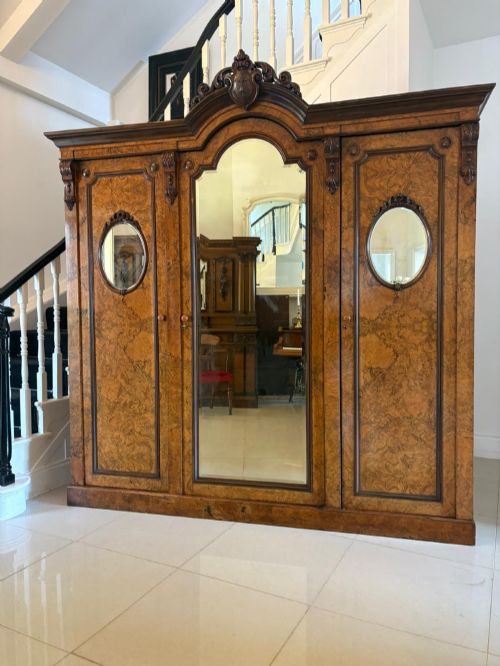
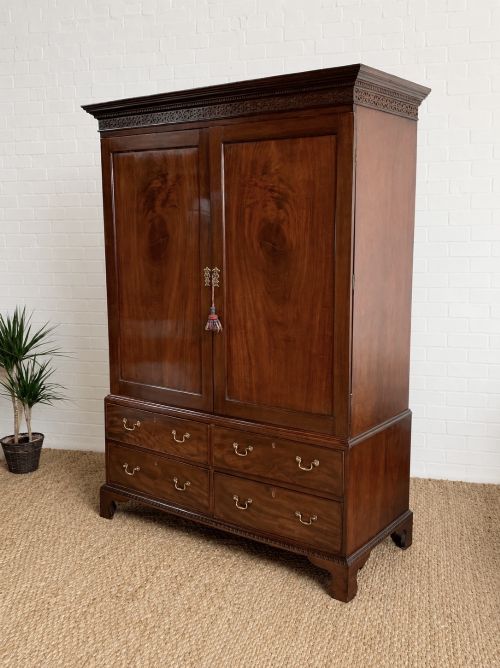
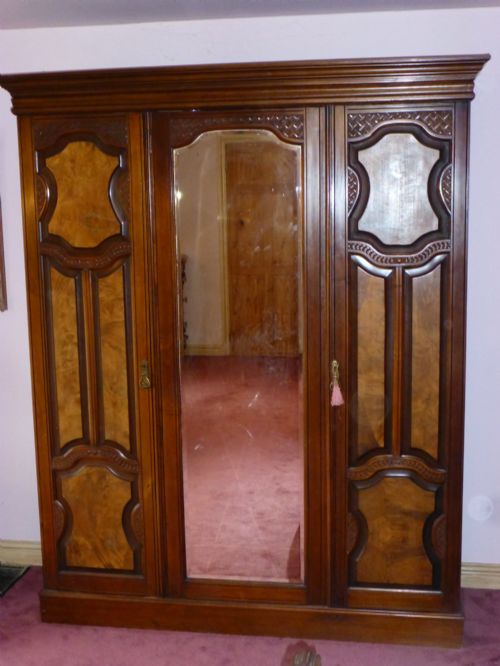
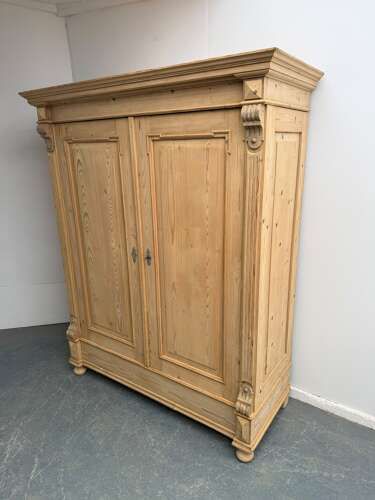
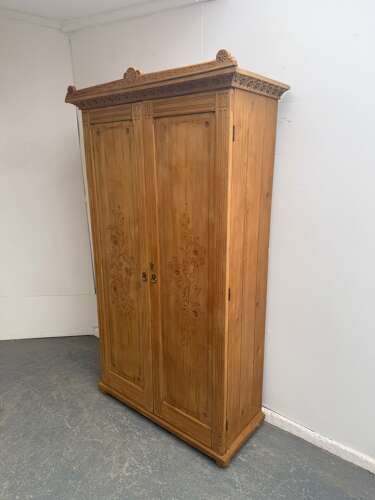
Victorian Carved Wardrobe
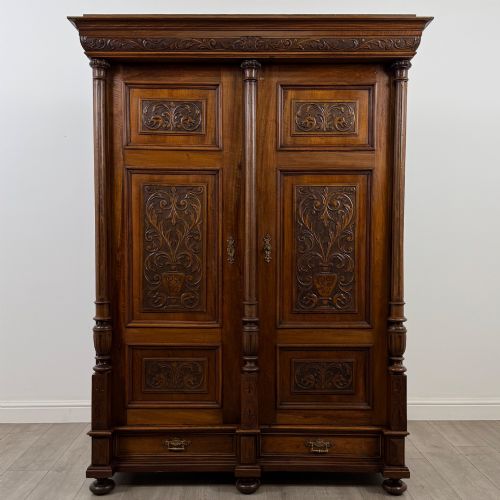
When you search for a victorian carved wardrobe, you seek substantial timber storage shaped by nineteenth-century joinery to anchor a bedroom.
Victorian Carved Wardrobe
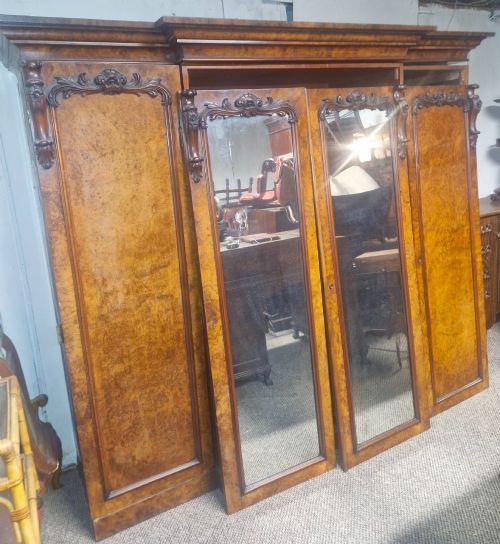
A victorian carved wardrobe encompasses large timber furniture designed for hanging garments and storing linen across the nineteenth century and into the early twentieth century.
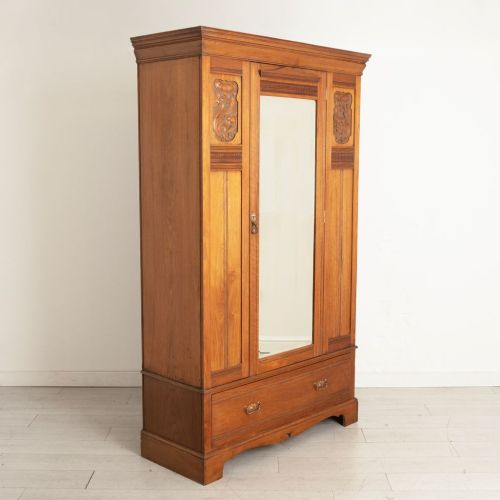
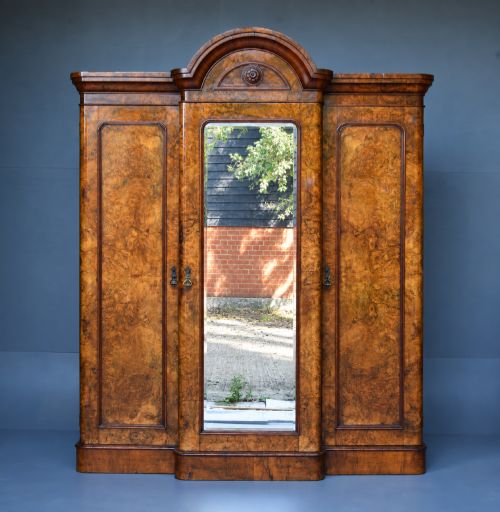
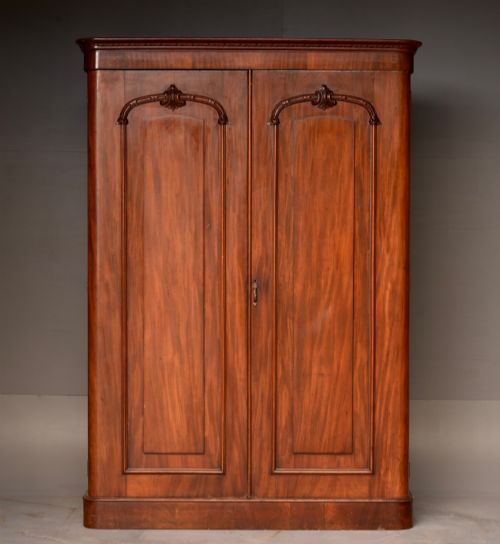
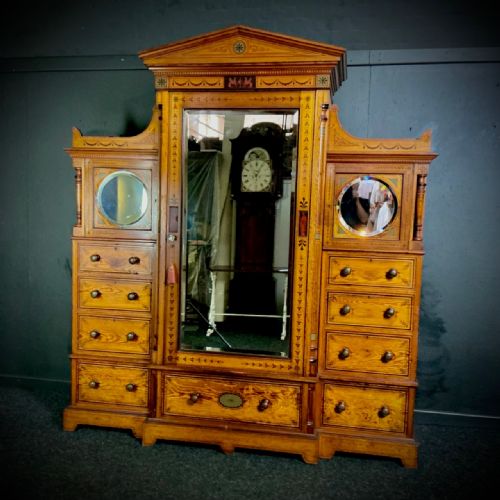
The selections span double and triple door configurations, compactum designs incorporating internal drawers, and single hall wardrobes suited to smaller spaces.
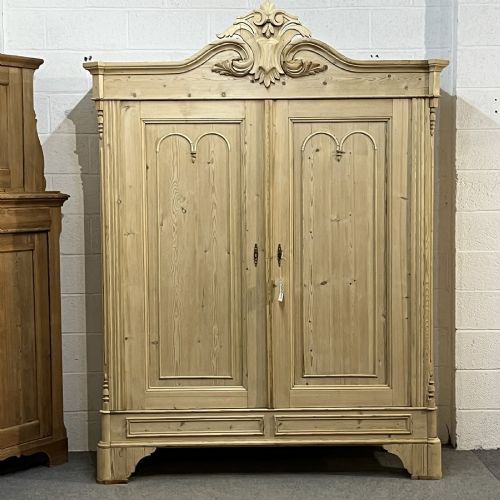
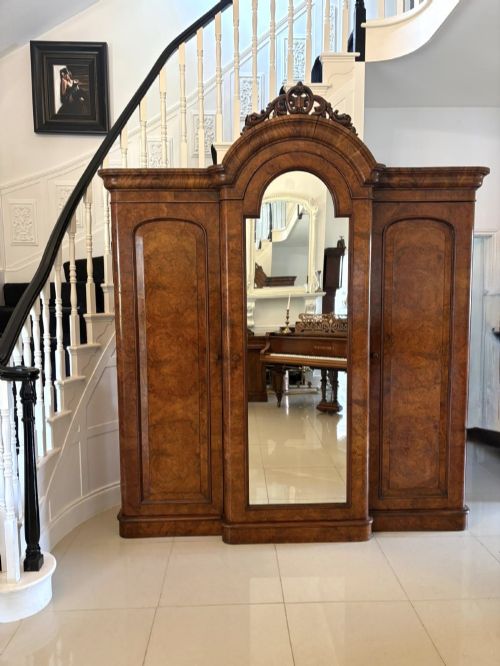
Makers utilised native and imported hardwoods alongside pine, constructing pieces that range from straightforward vernacular cupboards to elaborate breakfront suites.
Materials and construction
Cabinet makers built carcasses primarily in mahogany, walnut, burr walnut, and oak, frequently adding decorative veneers and solid timber carvings.
Many pine examples were produced for wax or paint finishes, while knockdown constructions allowed large wardrobes to be dismantled for transport.
Details such as brass hardware, mirrored glass doors, and internal sliding trays or linen presses completed the internal architecture.
Victorian Carved Wardrobe Retail Price Guide 2026
Typical asking prices for victorian carved wardrobe among the pieces listed under this phrase on Sellingantiques today, from the lower quarter to the upper quarter. They describe what is for sale here now, not the wider market.
Listings feature woods spanning mahogany, walnut, burr walnut, oak, pitch pine, and ash across the nineteenth and early twentieth centuries.
Distinctions in quality
The upper tier of pieces displays select figured timbers like burr walnut and mahogany, matched with deep, crisp hand carving and robust internal fittings.
Simpler pine or ash iterations rely on practical proportion and clean surfaces rather than decorative ornamentation.
Construction methods determine longevity, separating fully integrated carcases from modular knockdown versions designed for straightforward assembly.
Holland and Sons·Waring and Gillows
The Victorian Carved Wardrobe Glossary
- Compactum
- A multi-compartment wardrobe combining hanging space, shelves, and internal drawers within a single fitted carcass.
- Linen Press
- A tall storage piece featuring upper sliding trays enclosed by doors above a chest of lower drawers.
- Knockdown
- Furniture engineered with pegged or bolted joints so the main structure disassembles into manageable panels.
- Breakfront
- A cabinet design where the central section projects forward from the flanking outer wings.
- Blind Fretwork
- Carved geometric ornament applied to a flat surface without piercing the timber completely through.
Victorian Carved Wardrobe: Frequently Asked Questions
How do I dismantle a knockdown wardrobe?
Knockdown wardrobes utilise internal bolts or pegged joints designed to separate the cornice, plinth, sides, and doors for transport. Marking the corresponding joints before removal ensures straightforward reassembly in a new room.
Carefully support the heavy mirrored or panelled doors while dislodging the brass pins or wedges that secure the frame together.
What is the difference between an armoire and a wardrobe?
While both terms describe large timber storage cupboards, armoire traditionally refers to continental European designs with single or double doors, whereas nineteenth-century British pieces are typically termed wardrobes.
British examples frequently incorporate fitted interior compartments like sliding trays or hanging rails suited to contemporary garments.
Can I paint a pine wardrobe?
Many nineteenth-century pine wardrobes were originally prepared as plain surfaces intended for wax or paint finishes. Selecting breathable mineral paints allows the timber to adjust naturally to household humidity.
Ensure any old wax layers are thoroughly cleaned off before applying new primer to guarantee proper adhesion.
How do I care for burr walnut veneer?
Burr walnut requires stable indoor humidity away from direct sunlight to prevent the decorative grain patterns from splitting or lifting. Dust regularly with a dry cloth and apply occasional specialist wax nourishment.
Avoid placing damp items or unsealed containers directly onto polished wooden horizontal surfaces.