

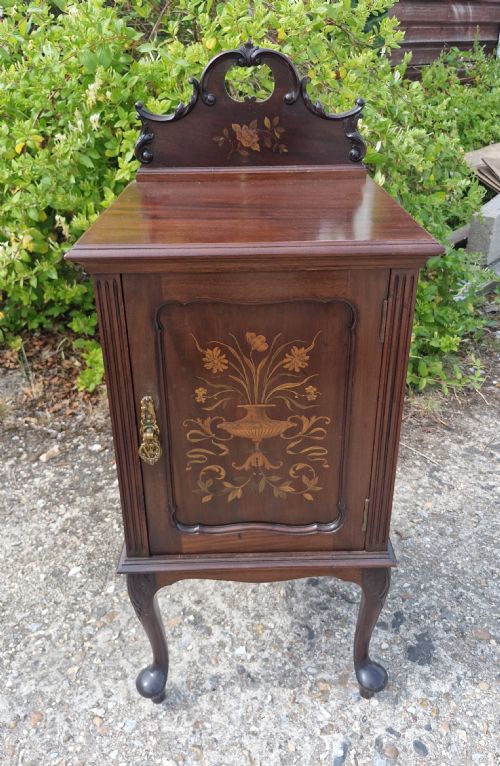

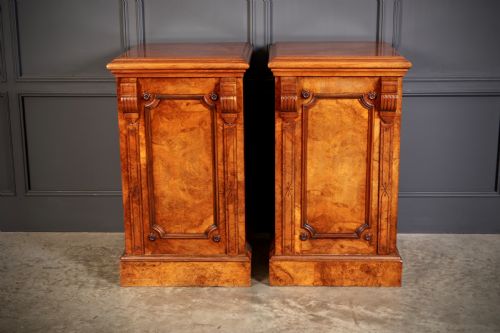
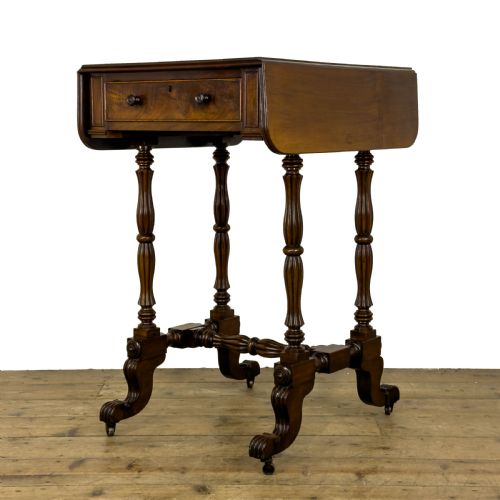
Victorian Carved Nightstands
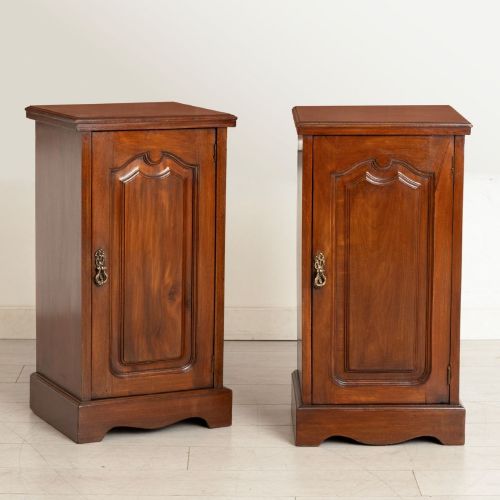
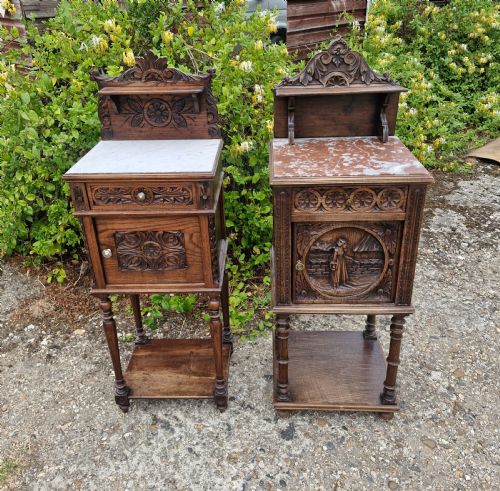
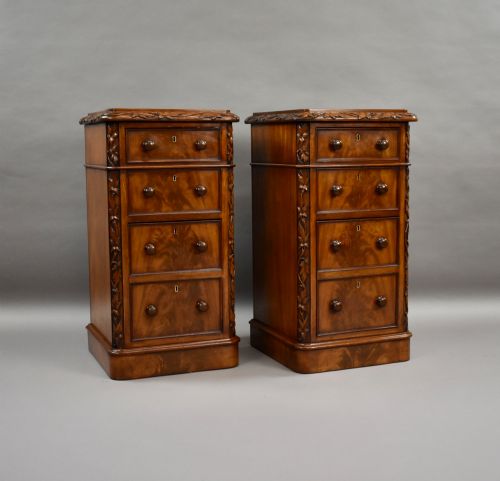
These victorian carved nightstands bring solid nineteenth-century timber, marble tops and enclosed bedside storage to a bedroom.
Victorian Carved Nightstands
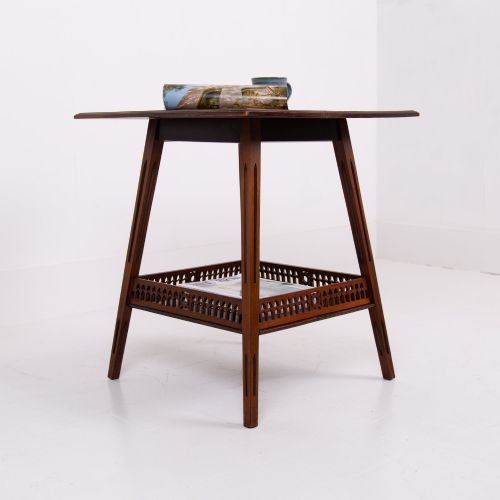
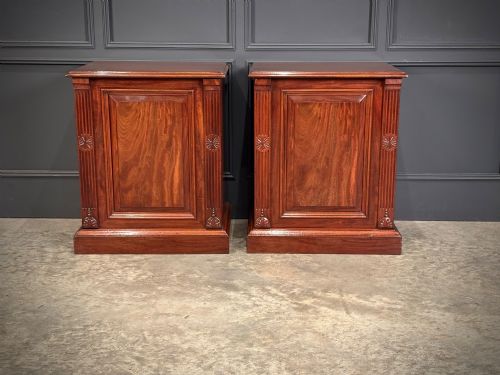
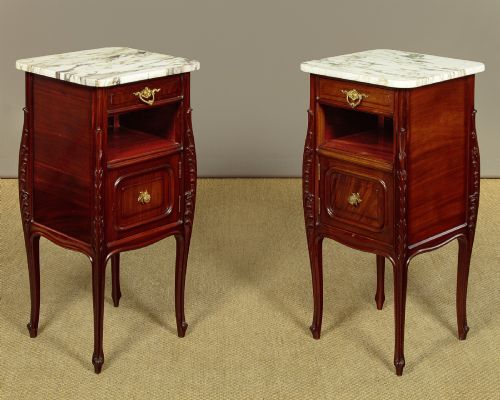
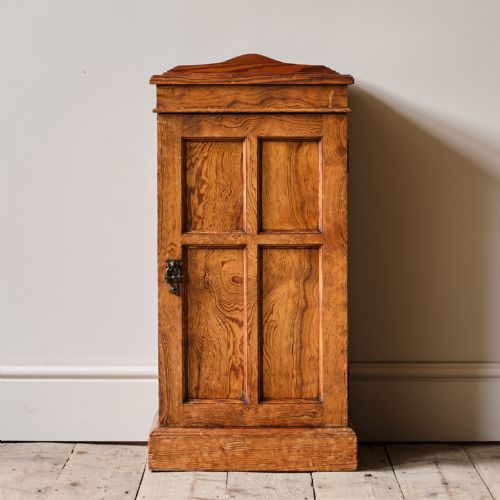
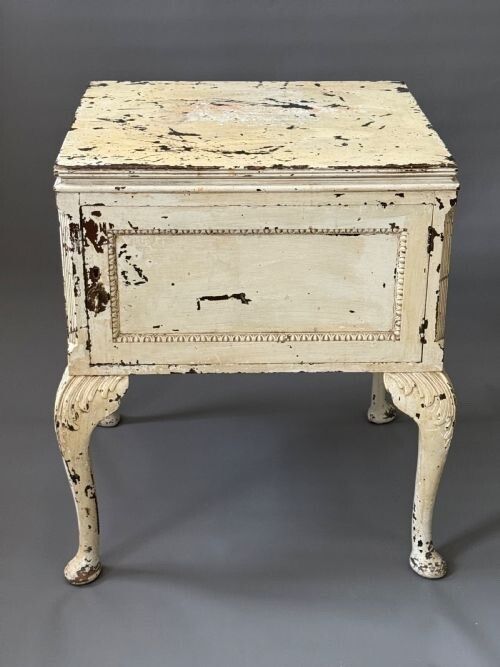
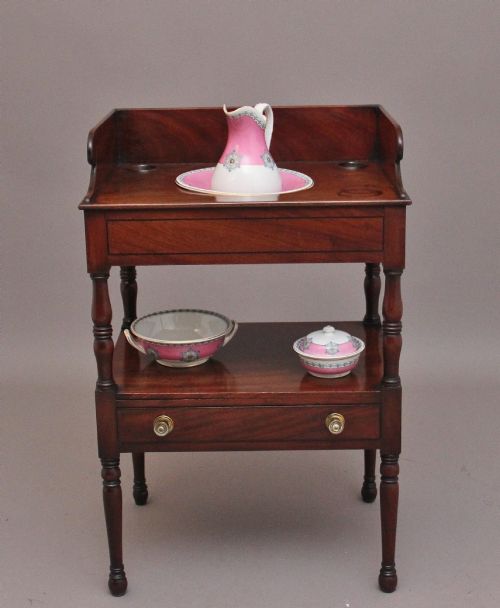
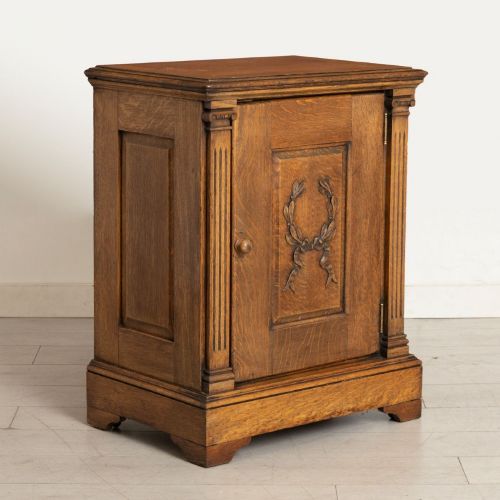
Victorian carved nightstands encompass nineteenth-century bedside cabinets, cupboards, chests of drawers and washstands designed to hold chamber pots and bedroom necessities out of sight. You will most frequently encounter mahogany, walnut and oak examples featuring panelled doors, single drawers and occasionally inset marble tops.
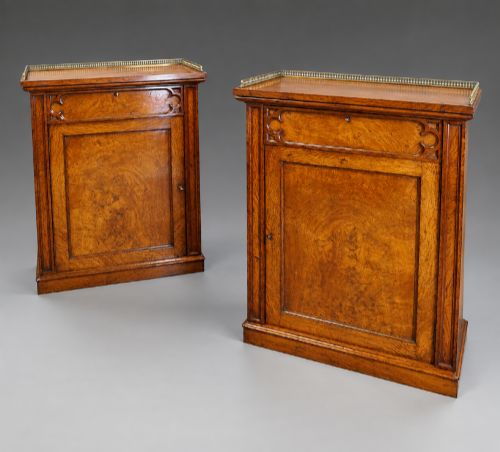
The styles span standard Victorian vernacular alongside Gothic Revival, Louis XV Revival, Arts and Crafts and French Empire revival interpretations. Makers produced these pieces in singles and in pairs, utilising native British hardwoods alongside imported exotic timbers.
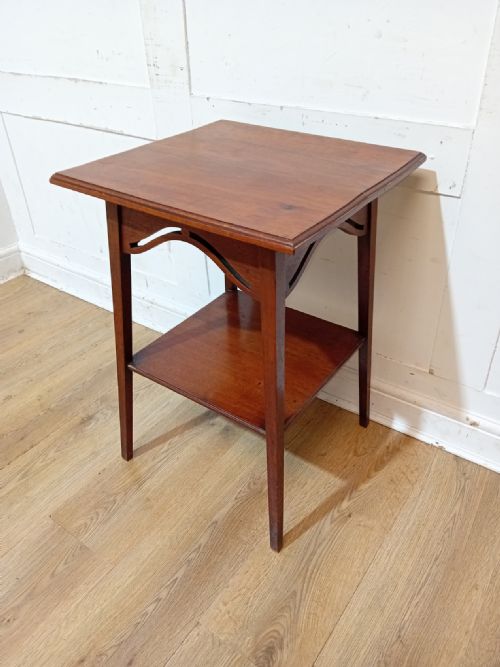
Form follows function closely in these domestic items, yielding pedestal cabinets, side tables and pot cupboards of varying heights to suit the mattress levels of the era. Carved ornamentation ranges from subtle linear mouldings to deep floral motifs and architectural tracery.
What varies in quality
The grade of the timber and the selection of figured or burr veneers dictate the visual weight and finish of a cabinet. Superior examples display thoughtful grain matching across drawer fronts and door panels rather than random timber cuts.
Depth and crispness of the hand carving separate standard production pieces from workshop items displaying sculptural confidence. Integration of original marble slabs, intact brass fittings and secondary timbers of equivalent quality marks the upper tier of surviving items.
Victorian Carved Nightstands Retail Price Guide 2026
Typical asking prices for victorian carved nightstands among the pieces listed under this phrase on Sellingantiques today, from the lower quarter to the upper quarter. They describe what is for sale here now, not the wider market.
Recorded forms include enclosed pot cupboards, open bedside tables, marble-topped washstands and multi-drawer bedside chests.
Liberty of London·Heals·Simpson Halifax
The Victorian Carved Nightstands Glossary
- Pot cupboard
- A bedside cabinet specifically designed with an internal shelf to enclose a chamber pot. These often feature panelled doors and ventilation holes at the rear.
- Marquetry
- The art of applying decorative veneer pieces in geometric or floral patterns onto a structural carcase. Walnut and exotic hardwoods were frequently utilised for this detailed work.
- Gothic Revival
- A nineteenth-century design style drawing on medieval architectural motifs including pointed arches, tracery and heavy carved oak. It appears frequently on nineteenth-century ecclesiastical-style bedroom pieces.
- Pedestal cabinet
- A tall, single-door bedside cupboard standing on a plinth base. This form maximises interior storage capacity whilst retaining a compact footprint.
- Washstand
- A bedroom table or cabinet fitted with a marble or tile top designed to hold washing basins and water pitchers. Lower shelves often accommodated slop pails.
Victorian Carved Nightstands: Frequently Asked Questions
What is the difference between a bedside cabinet and a washstand?
Bedside cabinets were built to sit beside a bed for enclosed night storage and small personal items. Washstands were taller pieces intended for morning ablutions, typically carrying stone or marble tops to withstand water splashes.
Cabinets generally feature a single door and drawer combination designed for compact spaces. Washstands often incorporate lower shelving and wider tops to accommodate ewers and basins.
Why do some nightstands have marble tops?
Marble provided a hygienic, waterproof surface that resisted staining from water jugs and pharmaceutical bottles used in nineteenth-century bedrooms. It also added considerable weight to the top of the piece, anchoring it firmly.
This stone insertion protected the underlying wood from moisture damage during daily washing routines. It remains a prized feature for modern users seeking durable bedside surfaces.
Are these cabinets usually found as pairs?
Bedside cabinets and chests appear both as individual survivors and as matched pairs intended for twin or double beds. Pairs are less common due to centuries of domestic separation during house moves.
When found together, matched pairs exhibit identical timber graining, carving details and hardware dimensions. Single pieces remain highly adaptable for use as standalone lampstands or side tables.