


Victorian Carved Lion
When you search for victorian carved lion, you encounter robust timber furnishings and sculptural details that bring formidable presence into domestic spaces.
Victorian Carved Lion
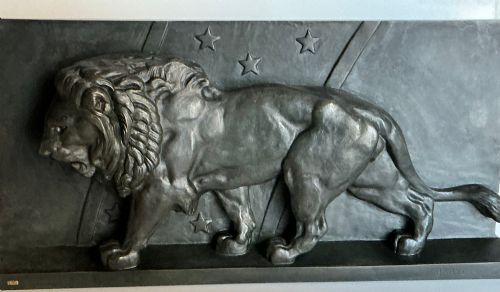
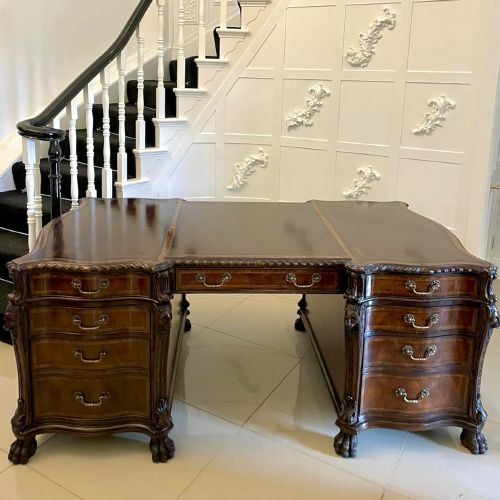
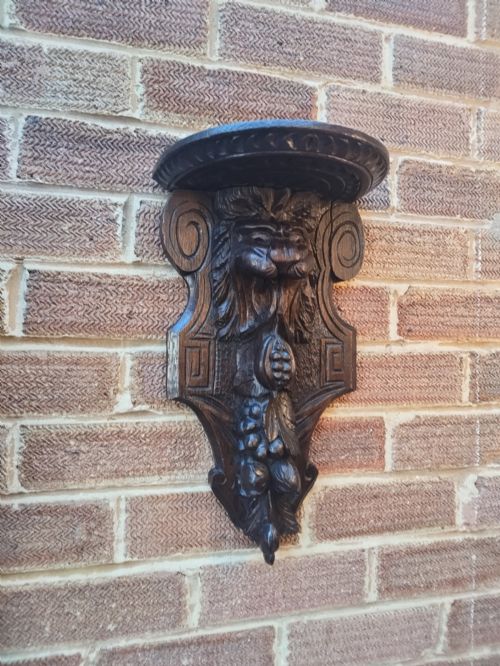
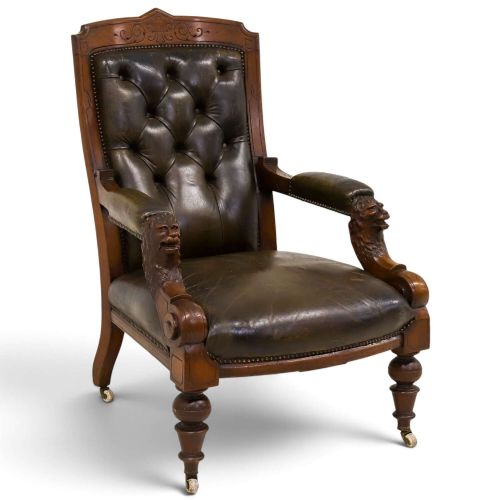
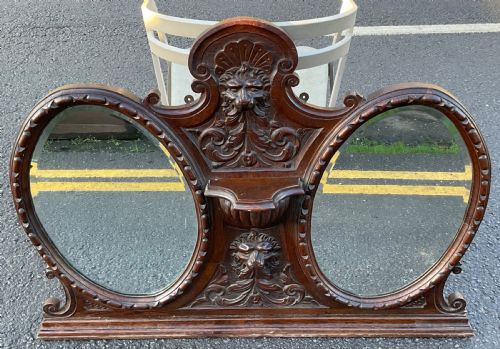
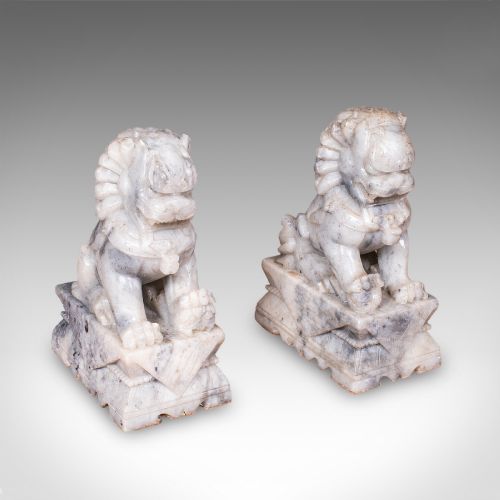
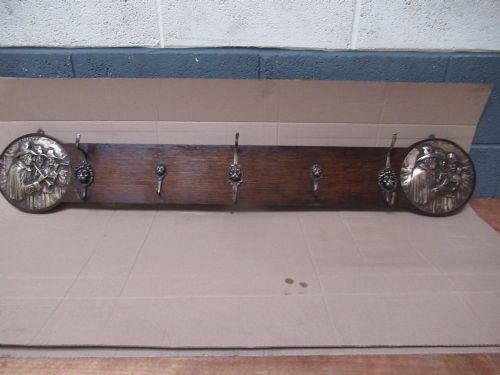
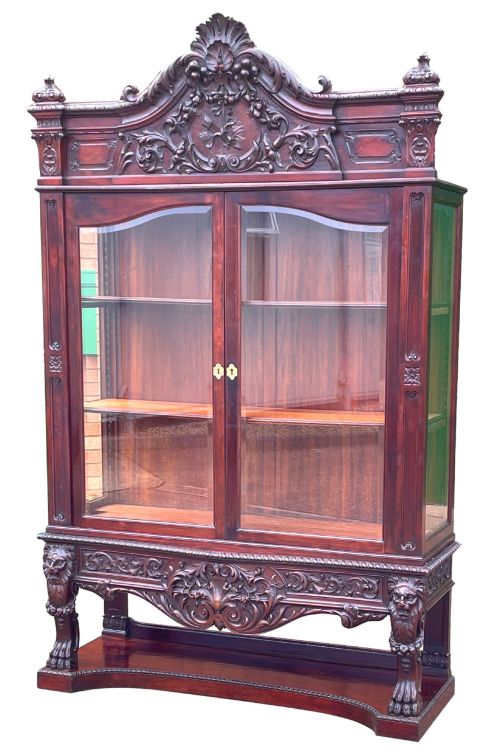
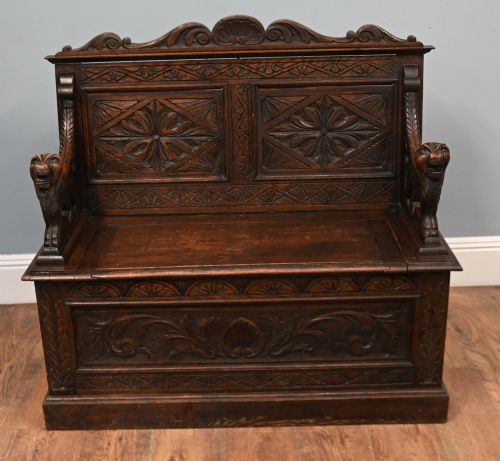
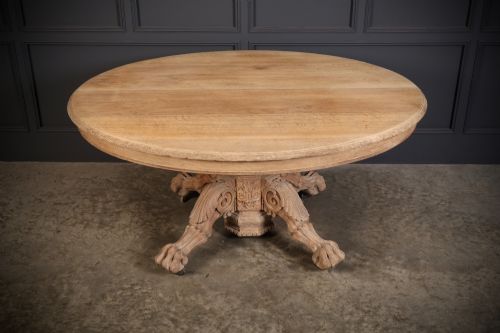
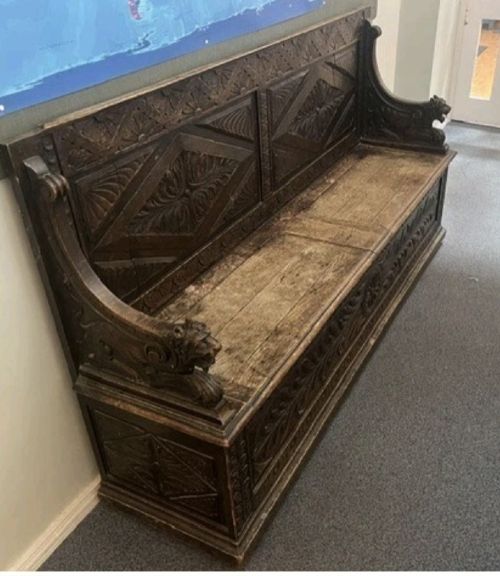
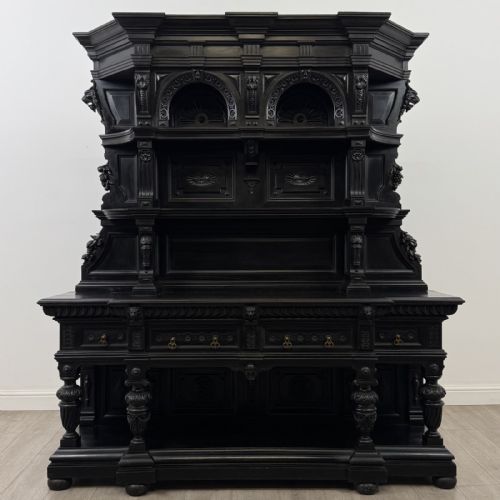
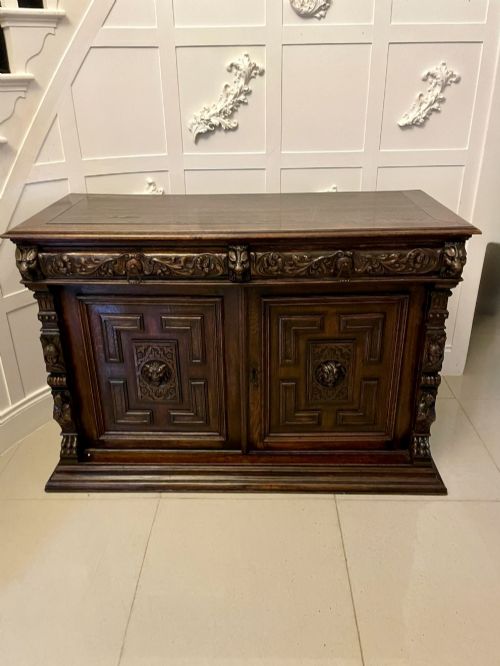
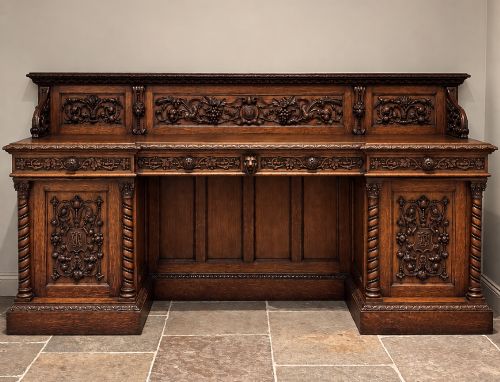
When hunting for a victorian carved lion, buyers typically discover substantial pieces of furniture such as heavy oak desks, bookcases, sideboards, and library armchairs originating primarily from the nineteenth century. These items frequently incorporate deep relief carvings of lion masks, rampant beasts, or sculptural arm supports into domestic and institutional forms.
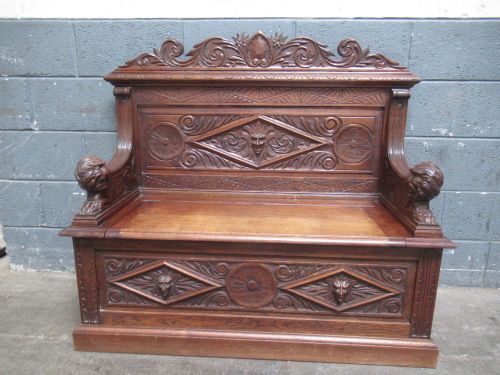
The aesthetic bridges several revival movements, frequently aligning with Gothic Revival, Renaissance Revival, and Anglo-Indian designs. Pieces range from grand hall benches and box settles to smaller occasional items like footstools and wall mirrors bearing heraldic motifs.
The material palette leans heavily towards dark timbers, principally oak and mahogany, though occasional examples utilise exotic woods like padauk and ebony from British colonial holdings. Domestic seating and library desks dominate the selection, often integrating fierce feline imagery to project authority and status.
Materials and Construction
Makers relied predominantly on solid oak and mahogany for structural integrity, utilising dense timber that could withstand deep chisel work without splintering. Lion masks, paw feet, and arm supports were carved directly from the solid stock or applied as robust sculptural elements.
Surface treatments combined traditional polishing with waxed finishes to accentuate the grain of the oak and mahogany. Secondary materials such as brass hardware, bevelled glass, and leather upholstery completed the functional components of desks, cabinets, and library chairs.
Victorian Carved Lion Retail Price Guide 2026
Typical asking prices for victorian carved lion among the pieces listed under this phrase on Sellingantiques today, from the lower quarter to the upper quarter. They describe what is for sale here now, not the wider market.
Materials span domestic oak and mahogany alongside exotic padauk and ebony from nineteenth-century workshops.
Craftsmanship and Proportion
The distinction between standard commercial output and superior craftsmanship rests in the depth and animation of the carving. Master carvers rendered lion masks and paws with anatomical conviction and expressive muscle tension, whereas lesser examples appear stiff and repetitive.
Proportion and timber selection equally govern worth, with high-end commissions maintaining balanced architectural frameworks even amidst heavy ornamentation. Integrated elements like pegged joints, secondary woods, and crisp detailing distinguish exceptional institutional desks and sideboards from basic domestic alternatives.
Edwards and Roberts·Bruce Talbert·Gillows
The Victorian Carved Lion Glossary
- Lion Mask
- A sculptural depiction of a lion face, frequently shown grasping a ring in its jaws. This motif appears regularly on the friezes of nineteenth-century desks and sideboards.
- Gothic Revival
- An architectural and decorative style drawing inspiration from medieval forms. It heavily influences nineteenth-century furnishings featuring pointed arches and fierce heraldic beasts.
- Padauk
- A dense, heavy exotic hardwood prized for its deep reddish hue. It surfaces in colonial British furniture originating from regions like Burma and the Andaman Islands.
- Box Settle
- A high-backed wooden bench featuring enclosed storage beneath the seat. Victorian iterations frequently incorporate carved panels and arm supports terminating in feline heads.
- Fob Seal
- A small pendant or charm attached to a pocket watch chain. Examples carved from hardstones like sardonyx often feature intricate intaglio lion motifs.
Victorian Carved Lion: Frequently Asked Questions
What rooms suit a heavy carved oak desk?
These imposing desks function best in spacious libraries, studies, or reception rooms with sufficient architectural scale to balance their visual weight. Their robust construction and drawers provide practical workspace alongside strong historical character.
Positioning them away from direct heat sources protects the timber and leather surfaces from drying out. Pairing the desk with a matching library armchair completes the traditional nineteenth-century arrangement.
How do I identify a Victorian lion mask?
Victorian lion masks usually feature prominent maned brows, heavy jowls, and sometimes a brass or wooden ring held firmly between the teeth. Carvers executed these details with varying degrees of realism depending on the workshop.
Earlier nineteenth-century interpretations often display sharper chisel work and deeper undercutting. Later mass-produced variations tend toward shallower relief and softer facial definition.
Were these pieces used in offices?
Many large pedestals, partners desks, and bookcases were commissioned for legal offices, banking institutions, and grand domestic libraries. Their heavy construction ensured durability for daily administrative tasks.
Today, they transition easily into residential home offices where their extensive drawer space remains fully functional. The incorporation of lion motifs served to project institutional strength and prestige.
How do I care for antique leather upholstery?
Leather desk inserts and armchair upholstery require periodic conditioning with specialist wax or balms to prevent cracking. Keeping the hide supple preserves both the colour and the structural integrity of the surface.
Avoid placing these items in direct sunlight, which fades both the leather and the surrounding mahogany or oak. Gentle dusting with a dry cloth maintains the finish without introducing moisture.