


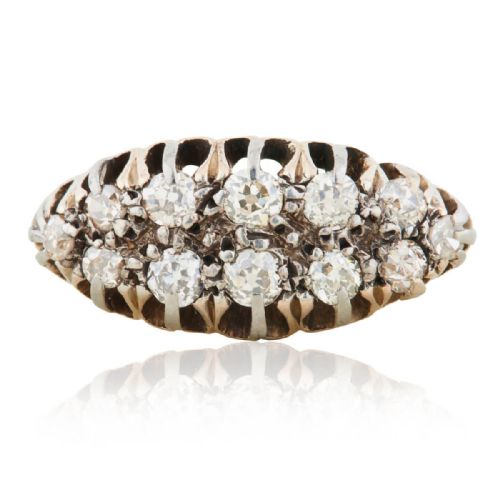
Victorian Carved Gallery Ring
Victorian carved gallery ring designs offer intricate pierced goldwork and fine gem settings that collectors prize for enduring nineteenth-century elegance.
Victorian Carved Gallery Ring
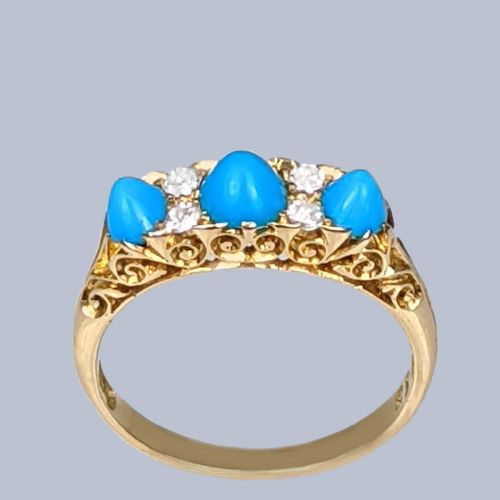
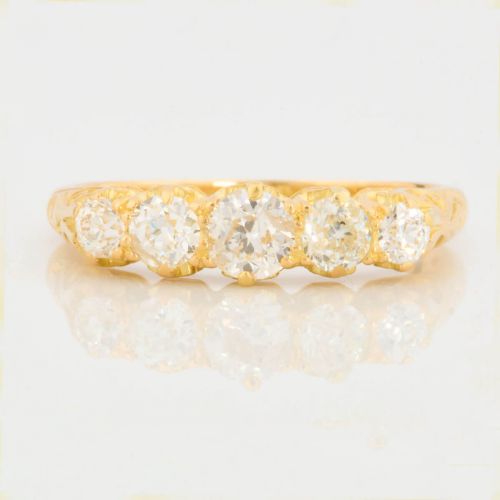
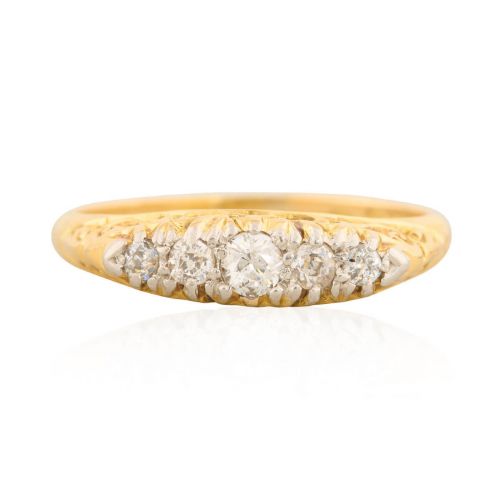
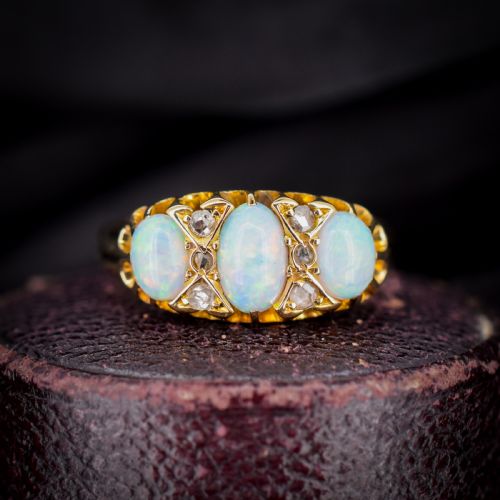
The objects seen here span periods from the nineteenth century through Edwardian times, alongside examples from 1900 and 1960. Rings dominate the selection entirely, featuring varied arrangements of gems held securely within gold settings.
Buyers encounter formations combining diamonds with sapphires, rubies, opals, and turquoise. The underlying structures display the characteristic pierced or carved metal galleries typical of the period.
Evaluating quality and craftsmanship
Quality rests upon the crispness of the hand-carved gallery work and the structural integrity of the gold mount. Fine examples maintain depth and definition in their pierced metalwork without thinning from wear.
The selection of gemstones dictates distinction, particularly the matching and clarity of old cut diamonds, sapphires, rubies, opals, or turquoise. Superior pieces combine well-proportioned stones with robust nineteenth-century gold fabrication.
Listings incorporate gold standards of eighteen-carat and nine-carat, alongside varied gemstones including diamonds, sapphires, rubies, opals, and turquoise across Victorian and Edwardian periods.
The Victorian Carved Gallery Ring Glossary
- Gallery
- The openwork or carved under-bezel of a ring supporting the gemstone setting. This architectural element allows light to pass through the stones while adding decorative metal detail.
- Half hoop
- A ring design featuring a single row of evenly spaced gems stretching across the top half of the band. This format was especially popular for Victorian five-stone configurations.
- Trilogy ring
- A ring set with three prominent gemstones symbolising a past, present, and future union. Such pieces frequently combine diamonds with sapphires or rubies.
- Old cut
- A traditional diamond cutting style characterised by a small table, high crown, and open culet. These stones display a distinctive pattern of light reflection distinct from modern brilliant cuts.
Victorian Carved Gallery Ring: Frequently Asked Questions
How do I care for a Victorian ring?
Clean these delicate gold settings gently with a soft brush and warm soapy water, avoiding harsh chemical dips. Store them individually to protect older gemstones like opals and turquoise from scratching.
Check the claw settings periodically to ensure the stones remain secure within the carved gallery mount. Professional inspection helps preserve the structural integrity of antique goldwork.
Can these rings be resized easily?
Most gold bands can be adjusted by a skilled jeweller experienced in antique pieces. The feasibility depends on the proximity of the carved gallery work to the back of the shank.
Intricate pierced galleries near the shoulders require careful handling during resizing to prevent distortion. Consult a specialist who understands nineteenth-century construction methods.
How do I identify a Victorian piece?
Examine the construction methods, gold purity marks, and gemstone cutting styles characteristic of the nineteenth century. Old cut diamonds and hand-carved pierced galleries offer strong chronological indicators.
Consult hallmarks where present for assay office details and date ciphers. Comparing the mounting style with verified period examples clarifies the manufacturing era.