


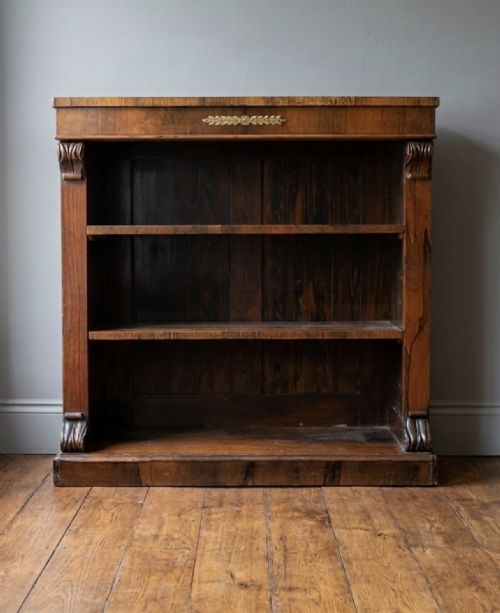


Victorian Carved Corbel Bookcase
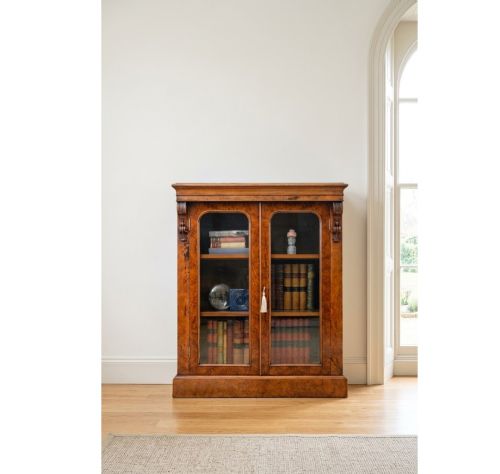
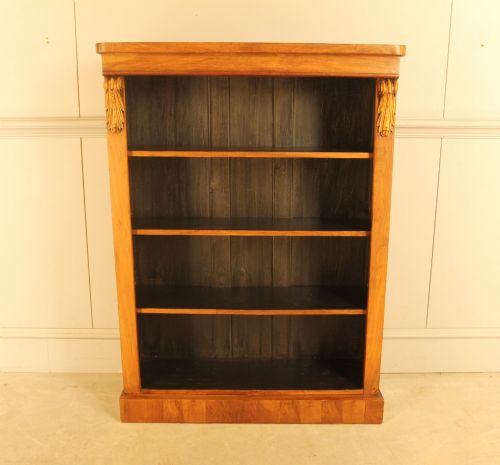
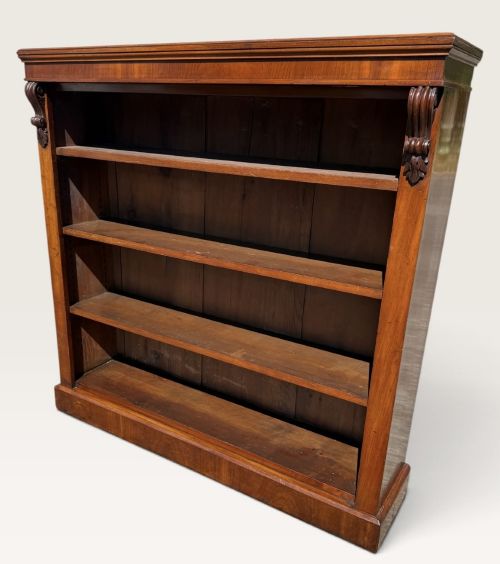
A victorian carved corbel bookcase brings substantial presence to a room, offering deep timber shelves framed by bold architectural supports.

Victorian Carved Corbel Bookcase
A victorian carved corbel bookcase is typically an open shelf format designed for display and storage in nineteenth-century interiors. These pieces appear primarily from the Victorian period, alongside examples dated to the nineteenth century, eighteen-fifty, eighteen-sixty, and eighteen-eighty, with occasional Regency influences.
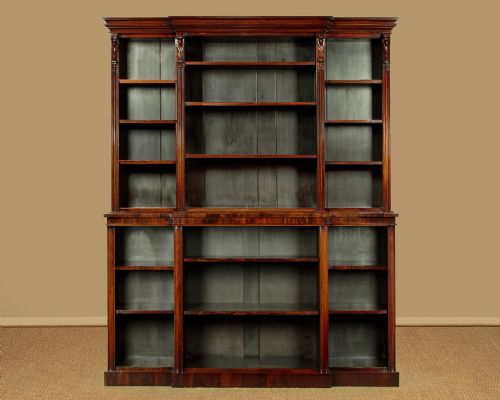
The form centres on open shelving flanked or punctuated by prominent corbels, though the listings also encompass closed cupboards, double bookcases, and two-part library units. Rosewood and mahogany dominate the selection, accompanied by walnut, oak, pine, and goncalo alves.
Buyers will most frequently encounter open bookcase variants in rich timbers, often featuring veneered surfaces and architectural painted details. These function as practical room dividers or wall units for substantial volumes.
Materials and construction
Cabinet makers utilised dense hardwoods like rosewood, mahogany, and walnut to build the foundational carcase and shelving, frequently applying rosewood veneer for decorative grain patterns. Solid oak and pine served structural roles, particularly in larger country house iterations.
Carved corbels were shaped directly from timber blocks and applied to the uprights, providing both structural support beneath the cornice and distinct visual depth. Glass elements occasionally appear in upper doors, while brass fittings secure internal components.
Victorian Carved Corbel Bookcase Retail Price Guide 2026
Typical asking prices for victorian carved corbel bookcase among the pieces listed under this phrase on Sellingantiques today, from the lower quarter to the upper quarter. They describe what is for sale here now, not the wider market.
Some nineteenth-century readers likely stored forbidden novels behind the heavy timber corbels.
Assessing quality
Quality rests in the selection of timber figures, such as highly figured rosewood veneer or dense mahogany, paired with the crispness of the hand-carved corbels. Finer examples display meticulous joinery and balanced proportions across breakfront or architectural formats.
The choice of secondary woods and the weight of the timber indicate the tier of production, distinguishing standard utility furniture from substantial library pieces commissioned for large estates.
The Victorian Carved Corbel Bookcase Glossary
- Corbel
- A projecting bracket of timber supporting a weight above. In these bookcases, they provide architectural framing beneath the top cornice.
- Breakfront
- A piece of furniture whose central section projects forward from the flanking wings. This layout creates depth and shadow across the front elevation.
- Veneer
- A thin layer of figured wood applied to a secondary timber base. This technique allowed makers to display rich grain patterns economically.
Victorian Carved Corbel Bookcase: Frequently Asked Questions
What is a corbel bookcase?
A corbel bookcase is an open or shelved storage unit defined by decorative wooden brackets beneath the upper ledge. These architectural supports lend a sturdy, classical silhouette to the furniture.
Such pieces were designed to hold heavy volumes while anchoring the aesthetic of a Victorian study or drawing room.
How were these bookcases used?
Nineteenth-century households utilised these bookcases to house private libraries, reference volumes, and decorative objects. They stood against drawing room walls or within dedicated libraries for daily access.
The open shelving format prioritized visibility and straightforward retrieval of frequently read texts.
How do I live with a rosewood bookcase?
Living with a rosewood bookcase involves placing it away from direct sunlight and sudden temperature shifts to protect the polished veneer. Regular dusting with a dry cloth keeps the dense timber grain finished.
Its deep brown and reddish hues coordinate naturally with traditional seating and subdued wall colours.
How do I date a Victorian bookcase?
Dating relies on observing timber choices, construction techniques, and stylistic markers recorded across the nineteenth century. Rosewood and goncalo alves are typical of mid-century cabinet making.
Carved details and architectural cornices often align with specific decades between eighteen-fifty and eighteen-eighty.