



Victorian Carved Club Chairs
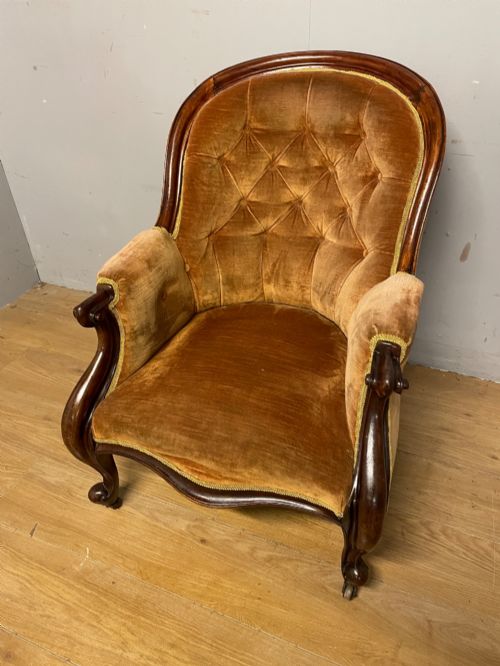
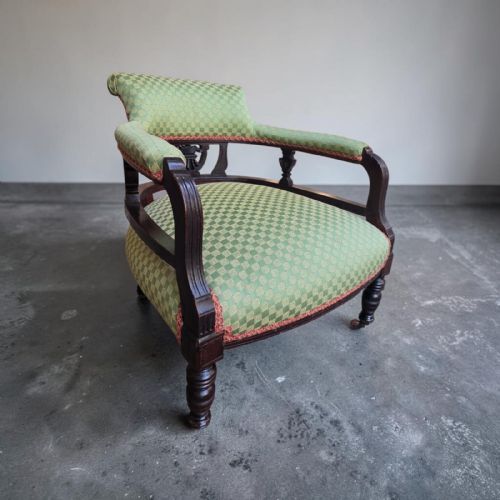
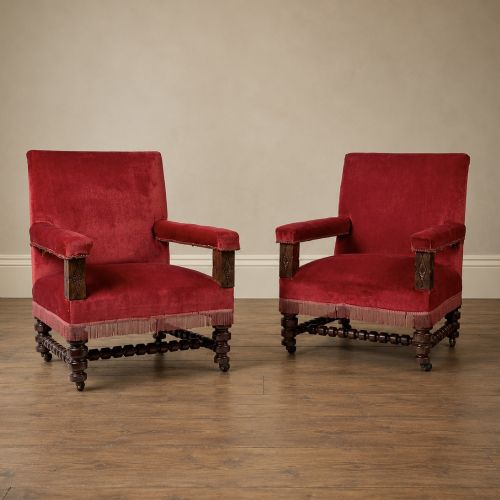
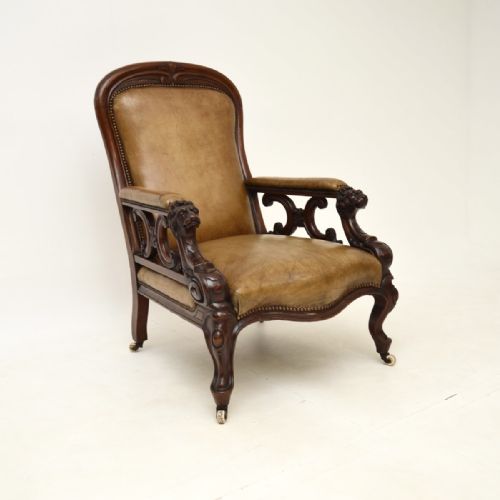
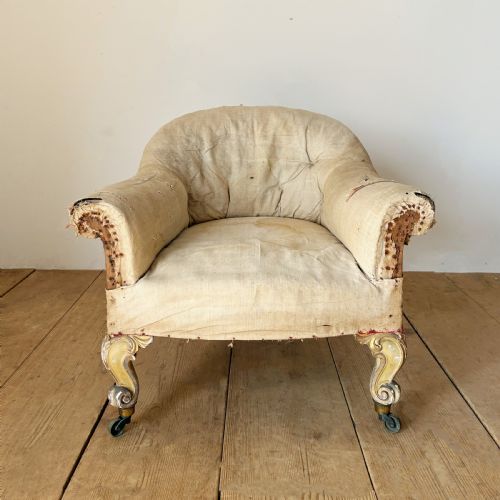
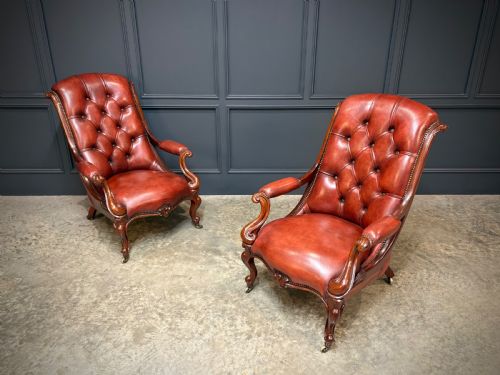
These victorian carved club chairs combine generous proportions with sturdy timbers, offering deep-seated comfort for a traditional library or study.
Victorian Carved Club Chairs
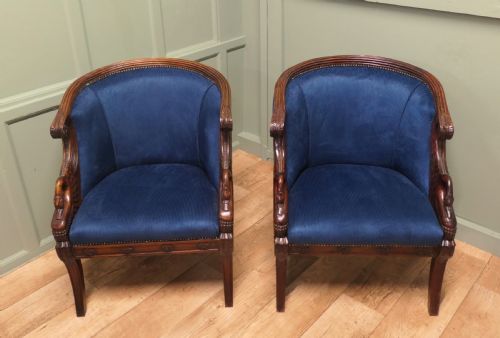
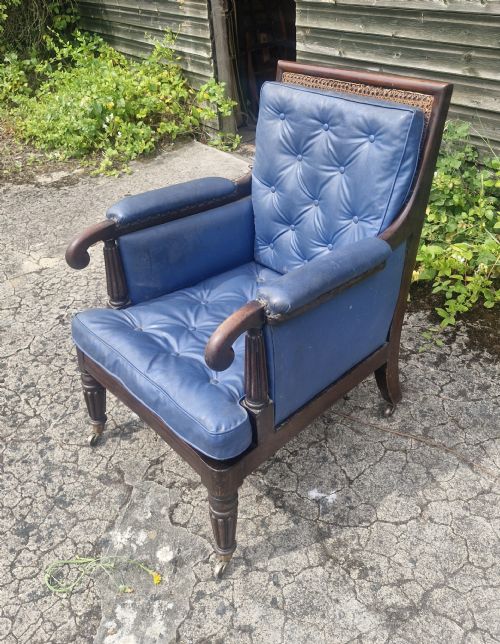
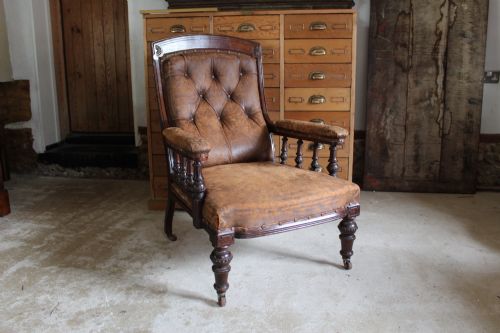
When searching for victorian carved club chairs, buyers encounter sturdy library armchairs, upholstered tub chairs, and button-backed easy chairs dating from the nineteenth century. These forms are designed for comfortable reading and sitting, frequently incorporating deep seats and supportive backs.
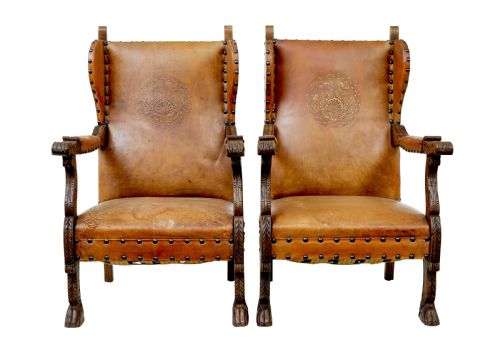
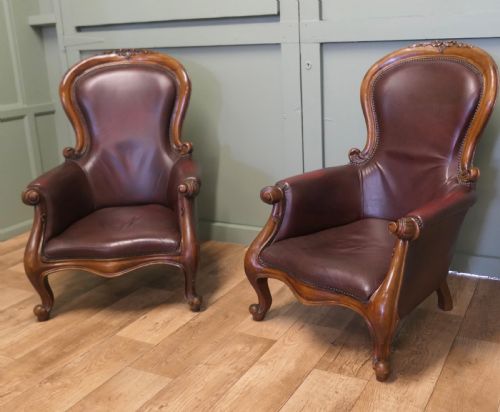
The selection includes matching pairs alongside individual armchairs, spanning styles from Gothic revival and Chippendale revival to Rococo revival and English country house. Makers and workshops utilised robust woods to support heavy upholstery and detailed carvings.
Mahogany, oak, walnut, and rosewood form the primary wooden frames, paired with leather, velvet, and fabric upholstery. Brass accents and detailed wood carvings frequently complement the primary materials across the nineteenth century production.
Materials and Construction
Cabinet makers utilised dense hardwoods including mahogany, oak, walnut, and rosewood to construct the structural frames of these armchairs. These timbers provided the necessary strength to support deep padding, heavy leather coverings, and intricate manual carving.
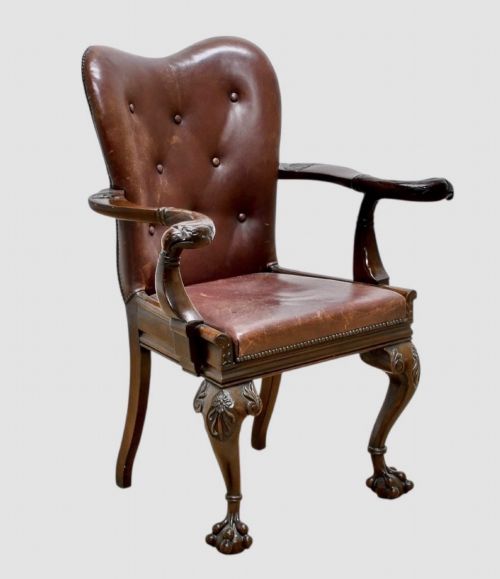
Upholstery techniques combined traditional stuffing with buttoning and embossed leather panels, secured using brass elements. Frames often incorporated carved details such as lion heads, cabriole legs, or claw and ball feet.
Design styles span Victorian Gothic revival, Chippendale revival, Rococo revival, and English country house traditions.
Quality Variations
The distinction between standard examples and top-tier pieces rests upon the crispness of the wood carving and the selection of dense, durable timbers. Superior chairs exhibit refined joinery and deeply figured grain in woods such as walnut and mahogany.
Upholstery finish and leather selection significantly influence the overall standard of the piece, with premium versions retaining well-preserved hide and precise buttoning. The integrity of the underlying frame and the balance of proportions determine the lasting execution of the design.
Howard & Sons
The Victorian Carved Club Chairs Glossary
- Bergere
- An enclosed upholstered armchair with an exposed wooden frame and cane or fabric sides. This form became popular in the eighteenth century and continued through the Victorian period.
- Tub Chair
- A deep-seated armchair with a continuous curved back and arms forming a single rounded enclosure. These chairs offer enclosed support for the sitter.
- Button Back
- An upholstery style where depressions are formed in the padding by sewing through to the frame, secured with buttons. This technique creates a tufted surface.
- Gothic Revival
- An architectural and decorative style drawing inspiration from medieval forms. Pieces often display pointed arches, heavy oak timbers, and elaborate tracery.
- Cabriole Leg
- A furniture leg that curves outward at the knee and tapers inward toward the ankle, ending in a pad or foot. This shape derives from classical animal forms.
Victorian Carved Club Chairs: Frequently Asked Questions
What defines a club chair?
A club chair is a heavily upholstered, deep-seated armchair designed for comfort. The form prioritises a low back and generous proportions.
Victorian versions frequently combine solid wood frames with leather or fabric upholstery and detailed hand carving.
How do I identify Victorian styles?
Victorian furniture encompasses various revival styles including Gothic, Rococo, and Chippendale influences. Examining the carving motifs and timber choices helps clarify the specific period aesthetic.
Makers frequently utilised mahogany, walnut, and oak alongside button-backed leather upholstery.
Where were these chairs used?
These armchairs typically furnished libraries, studies, and large reception rooms in country houses and town residences. Their robust construction suited daily reading and long periods of sitting.
Library chairs often featured deep seats and durable leather to withstand heavy daily use.
Are pairs common?
Matching pairs frequently appear alongside individual armchairs in nineteenth century seating. These pairs were originally commissioned for symmetry in large drawing rooms or libraries.
Matching sets share identical timber species, carving details, and upholstery configurations.