
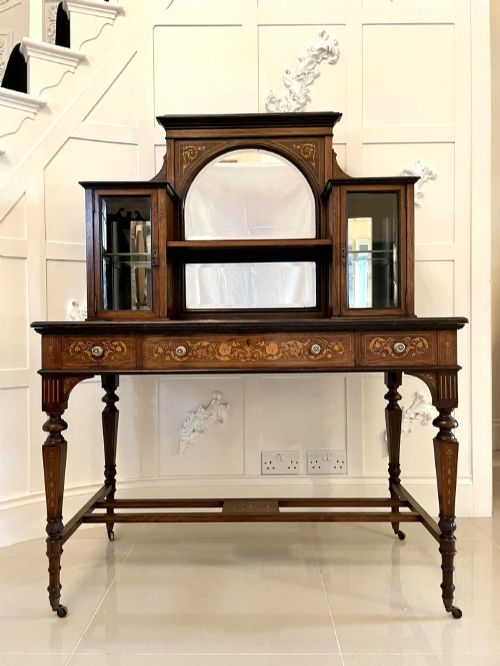
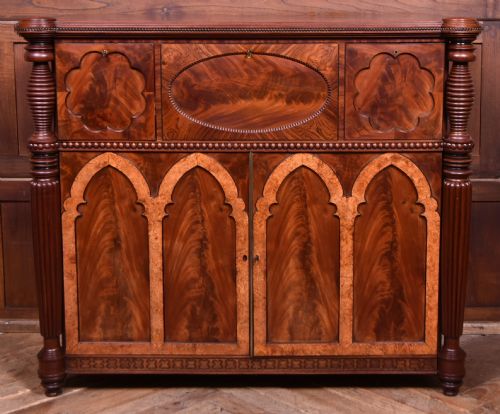
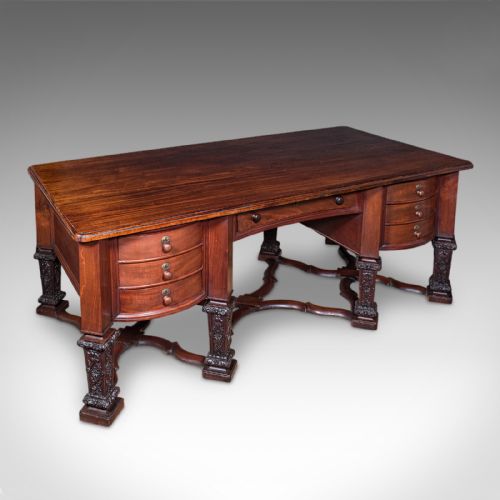
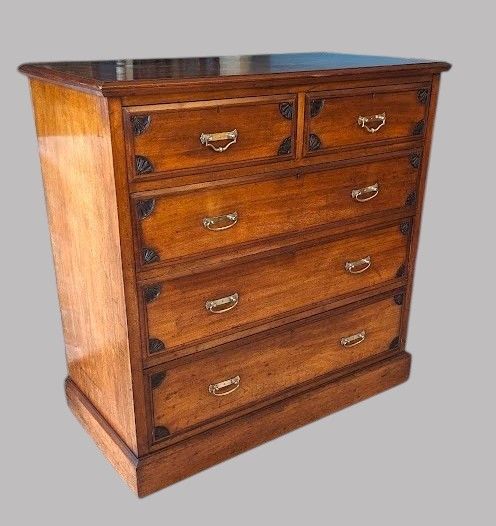
Victorian Carved Bureau
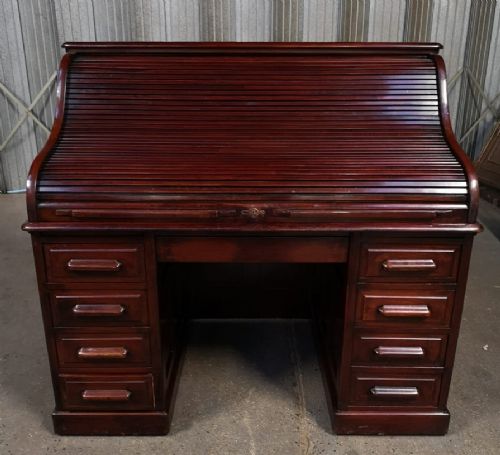
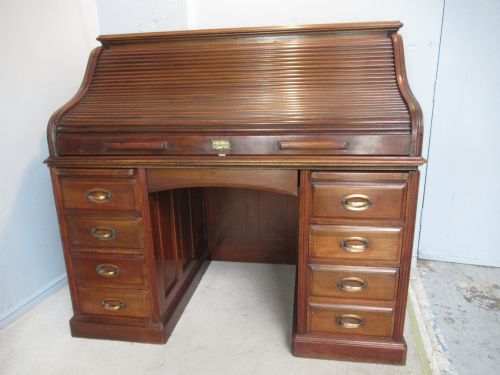
These robust pieces combine deep relief carving with functional drop-front writing surfaces.
Victorian Carved Bureau
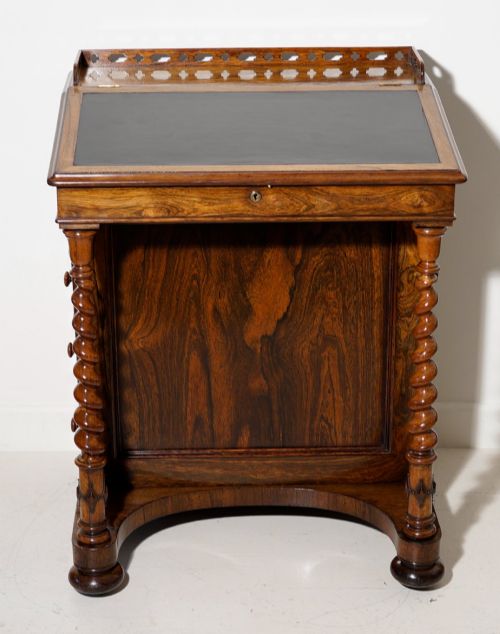
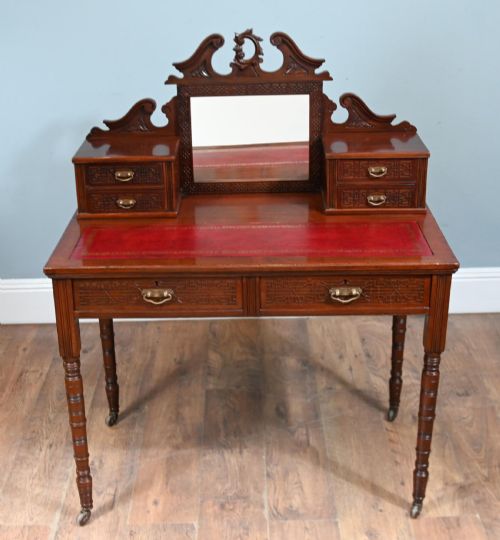
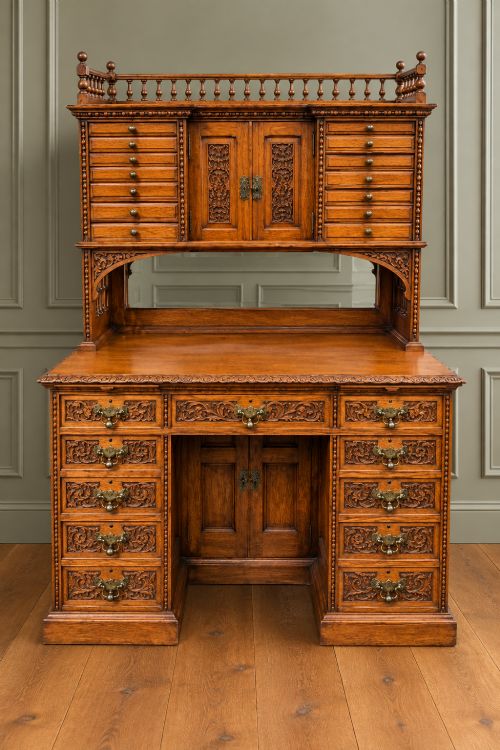
A victorian carved bureau is a drop-front writing cabinet built during the nineteenth century, most frequently encountered in heavily carved dark oak. These desks feature a sloping lid that opens to reveal internal pigeonholes and small drawers for correspondence.
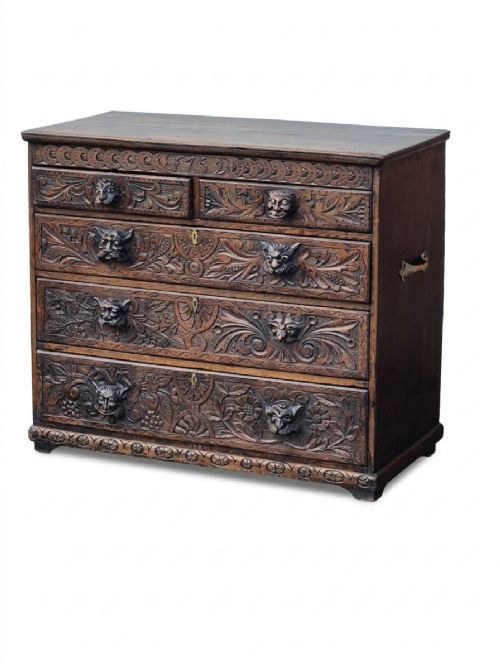
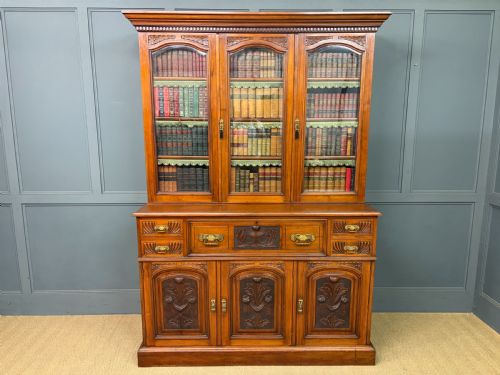
The evidence shows forms ranging from compact writing boxes on stands to large bureau bookcases and kneehole variations. Oak dominates the material record for carved examples, often displaying characteristic motifs such as the grotesque Green Man mask.
Makers and workshops of the period utilised revivalist styles including Gothic and Renaissance influences alongside indigenous folk carving. Buyers searching this phrase meet substantial case furniture designed for libraries and studies.
Judging the work
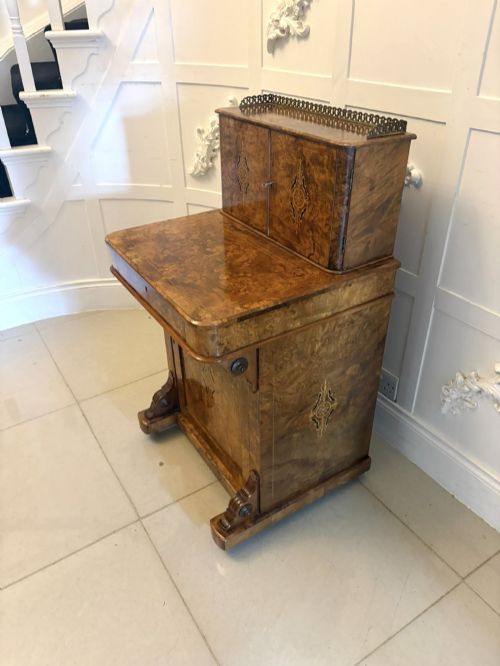
Depth and crispness of the chisel work separate standard production from superior pieces, particularly around carved faces and foliate scrolls. The choice of timber veneer, such as figured burr walnut or flame mahogany on primary surfaces, indicates the ambition of the original commission.
Internal complexity also dictates grade, with secondary fitted drawers, secret compartments, and pigeonhole tiers reflecting higher manufacturing costs. Original hardware and sound structural integrity in the fall-front mechanism anchor the standing of individual examples.
Listings demonstrate that oak is the primary wood for carved bureau examples, accompanied by walnut and mahogany alternatives.
Gillows·Blyth and Son·Maple and Co
The Victorian Carved Bureau Glossary
- Bureau
- A writing desk featuring a sloping hinged lid that covers a fitted interior of small drawers and pigeonholes. When closed, it presents a neat vertical case.
- Green Man
- A sculptural architectural motif depicting a human face emerging from or entwined with foliage. It appears frequently on nineteenth-century oak furniture.
- Secretaire
- A cabinet or desk containing a pull-out writing drawer or fall-front panel. The term often overlaps with bureau in period descriptions.
- Pigeonhole
- A small, open compartment within a desk interior used for sorting letters and papers. These compartments are often arranged in tiers above tiny drawers.
- Escutcheon
- A protective brass plate surrounding a keyhole. It prevents the wood from splitting around the lock.
Victorian Carved Bureau: Frequently Asked Questions
What is a bureau?
A bureau is a writing desk with a sloping wooden flap that folds down to create a flat workspace. Behind this flap lie internal compartments for stationery and documents.
Historically used for private correspondence and household accounts, these desks combine enclosed storage with a compact writing station.
How do I date a carved bureau?
Dating relies on timber selection, structural joinery, and prevailing decorative styles seen across the nineteenth century. Oak and walnut pieces with Gothic or Renaissance revival motifs typically point towards the middle and late Victorian decades.
Examining secondary woods inside the drawers and the style of brass hardware provides further clues to the exact manufacturing period.
Where should I place a bureau?
These pieces suit studies, libraries, and living rooms where their dark wood and carved panels anchor the interior scheme. Ensure the room has stable humidity to protect the solid timber and veneer.
Allow sufficient clearance in front of the desk so the drop-front lid can open fully without obstruction.
How do I care for the wood?
Maintain the finish by dusting regularly with a soft, dry cloth and applying traditional beeswax occasionally to nourish the timber. Avoid placing the desk near direct heat sources or strong sunlight to prevent warping and fading.
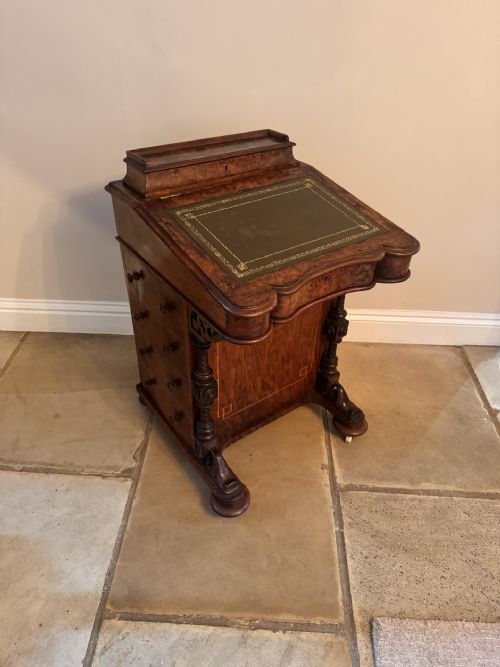
Treat leather writing surfaces with specialised balms if the desk retains its original hide insert.