
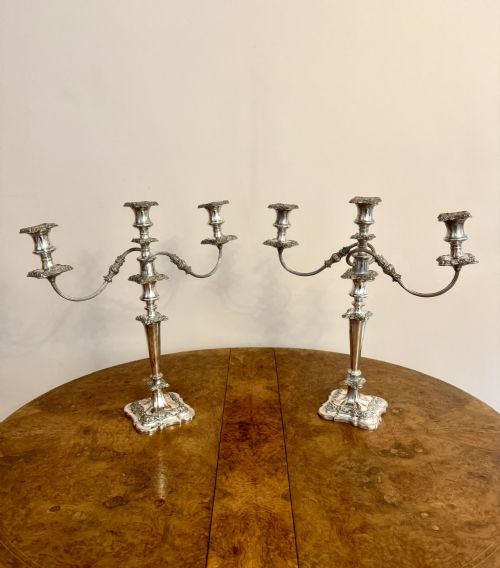
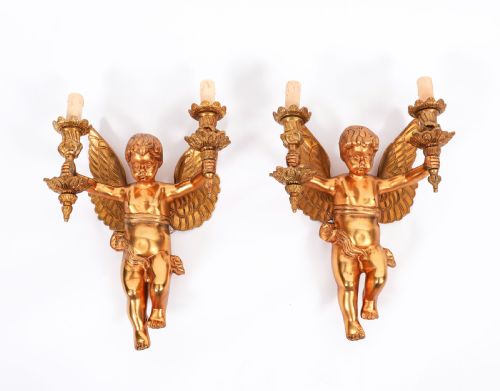


Victorian Candle Branches
Victorian candle branches illuminate rooms through multi-armed metal and glass fixtures crafted to hold taper candles securely on walls and tables.
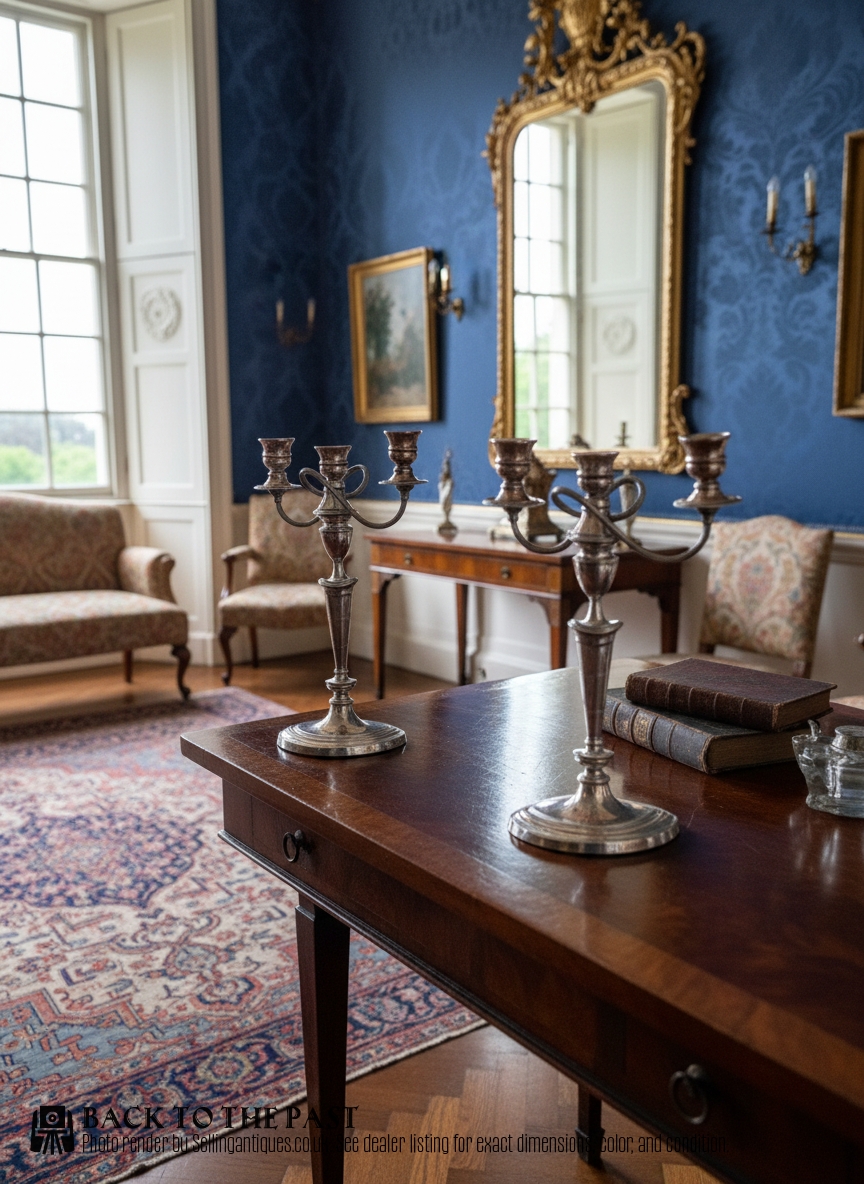
Victorian Candle Branches
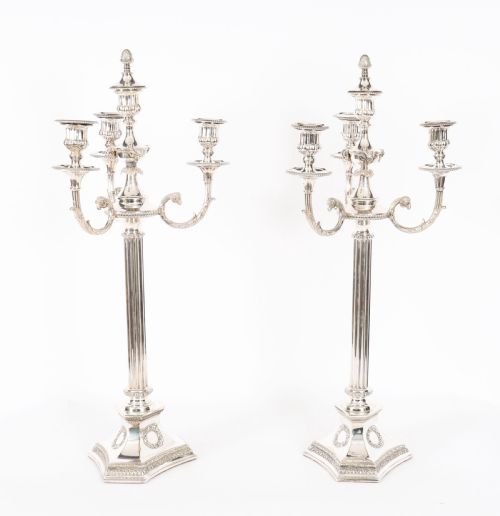
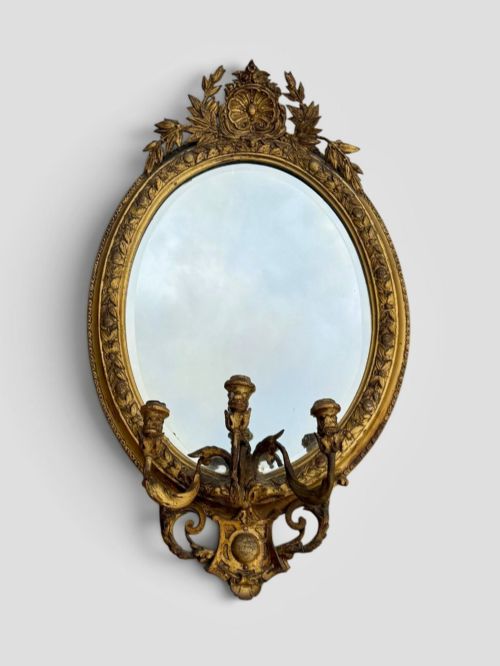
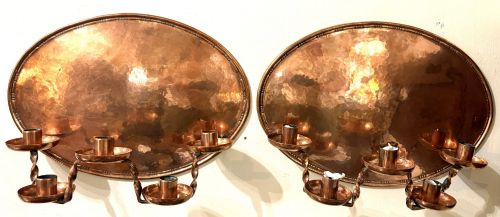
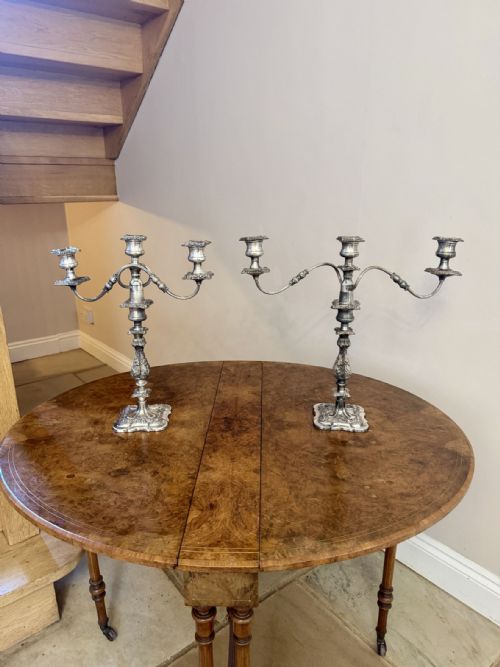
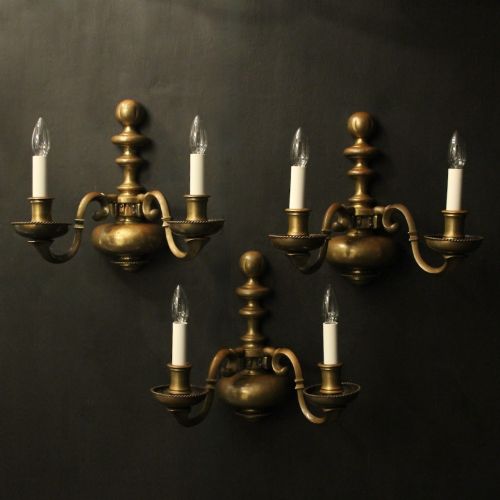
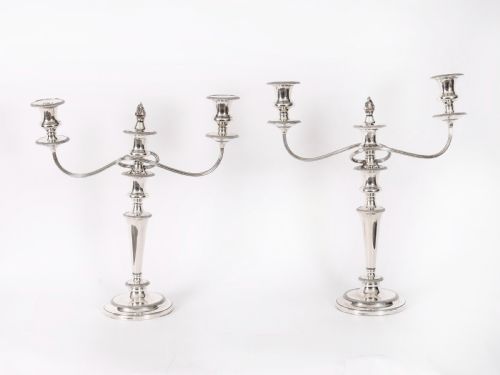
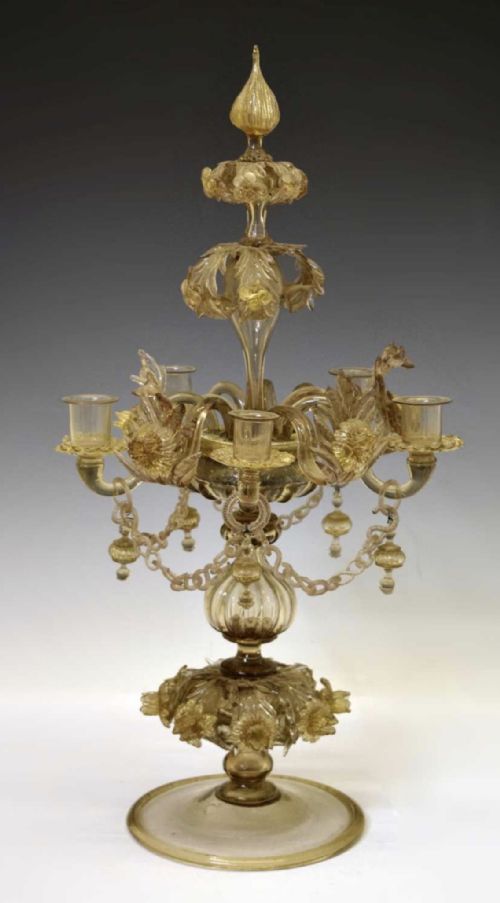
Victorian candle branches encompass candelabra, wall sconces, girandole mirrors and chandeliers designed during the nineteenth century. These lighting fixtures take the form of table centrepieces with detachable sconces or wall-mounted branches supporting multiple light arms.
The objects appeared in domestic spaces for dining and parlour illumination, shaped by prevailing decorative tastes including Rococo Revival, Gothic Revival, and Arts and Crafts styles. Makers produced pairs and sets utilising bronze, brass, silver plate, and ormolu combined with marble or glass.
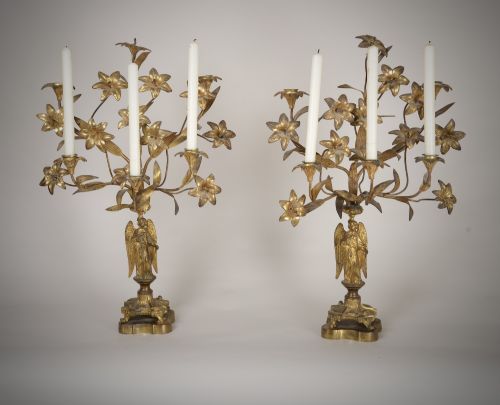
Middling and top-tier examples on this page range from three-branch wall lights to large five-arm dining table centrepieces. The construction accommodates two to five candles per fixture, often featuring figural elements such as cherubs or palm tree motifs.
Materials and construction
Metals form the core structure of these lighting pieces, utilising silver plate, brass, ormolu, bronze, and copper cast or hand-carved into branches and sconces. Manufacturers applied gilding or patination to brass and bronze surfaces for decorative effect.
Combinations of materials include marble bases paired with metal arms, and giltwood frames holding mirror glass in girandoles. Components such as detachable sconces and arms screw or fit together to allow cleaning and maintenance.
Listings feature 19th-century lighting in brass, silver plate, bronze, ormolu, and marble, spanning Rococo Revival, Gothic Revival, and Arts and Crafts styles.
Evaluating quality and execution
The refinement of the casting separates standard production from superior pieces, particularly evident in the rendering of figural details like cherubs and floral motifs. Crisp chasing on ormolu and bronze surfaces denotes higher workshop standards.
Substance and weight indicate quality through the use of heavy metal frames, solid marble plinths, and substantial silver plating over base metal. Complete sets with matching detachable sconces and original gilding retain greater integrity.
Garrard & Co·Wm. Tonks & Sons·Clarke's Cricklite
The Victorian Candle Branches Glossary
- Candelabra
- A large branched candlestick holding multiple candles. These often feature a central column supporting several arms.
- Girandole
- A branched wall light or a wall mirror with candle sconces attached to the frame. The glass reflects the candlelight to increase illumination.
- Ormolu
- Gilded bronze or brass mounted on decorative objects. This technique creates a rich gold-coloured surface finish.
- Sconce
- A wall-mounted lighting fixture designed to hold candles. They project from vertical surfaces to direct light into a room.
- Spelter
- A zinc alloy used as a cheaper alternative to bronze. It accepts bronze-like patination and finishes.
Victorian Candle Branches: Frequently Asked Questions
How do I clean silver plated candle branches?
Clean silver plated branches gently using a soft cloth and a specialised silver cleaner formulated for plated items. Avoid abrasive pads that can wear away the thin silver layer.
Keep moisture away from any wooden or marble components joined to the metal. Dry the surface thoroughly after cleaning to prevent tarnishing.
Can these antique branches hold modern candles?
Many nineteenth-century candle branches accommodate standard modern taper candles within their metal sockets. Measure the internal diameter of the sconce cup before inserting any candle.
Use dripless candles or place a small disc inside the drip pan to catch wax and protect the metal surface. Ensure the candle fits securely without wobbling.
How do I distinguish Gothic Revival from Rococo pieces?
Gothic Revival pieces display pointed arches, trefoils, and heavy geometric lines derived from medieval architecture. Brass and patinated bronze feature prominently in this style.
Rococo Revival designs showcase asymmetrical scrolls, C-curves, and naturalistic floral motifs. These pieces often utilise gilt metal, ormolu, and silver plate.