


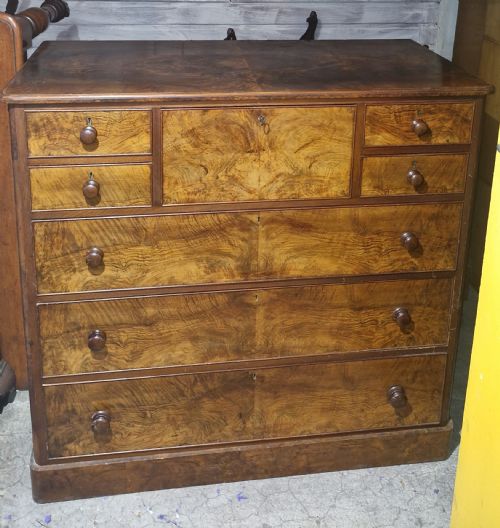
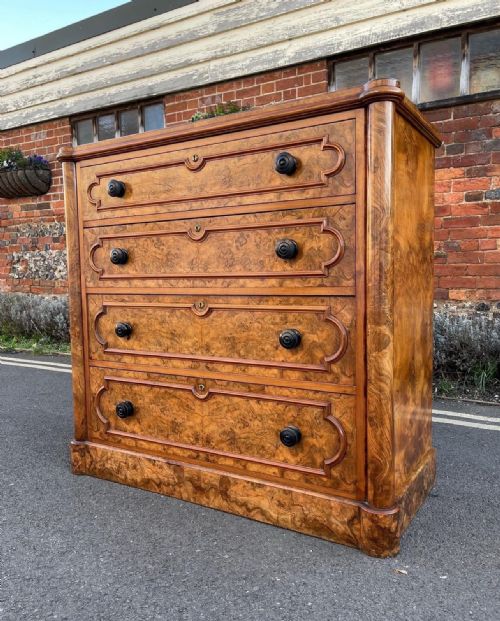

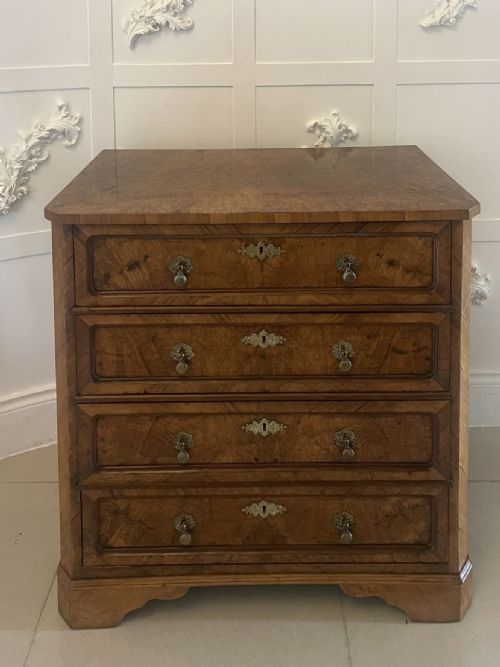


Victorian Burr Walnut Dresser
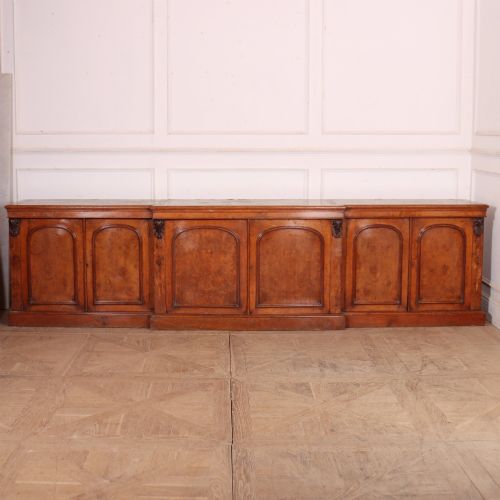
A victorian burr walnut dresser brings rich figured grain and polished warmth to an interior, built for storage with decorative presence.
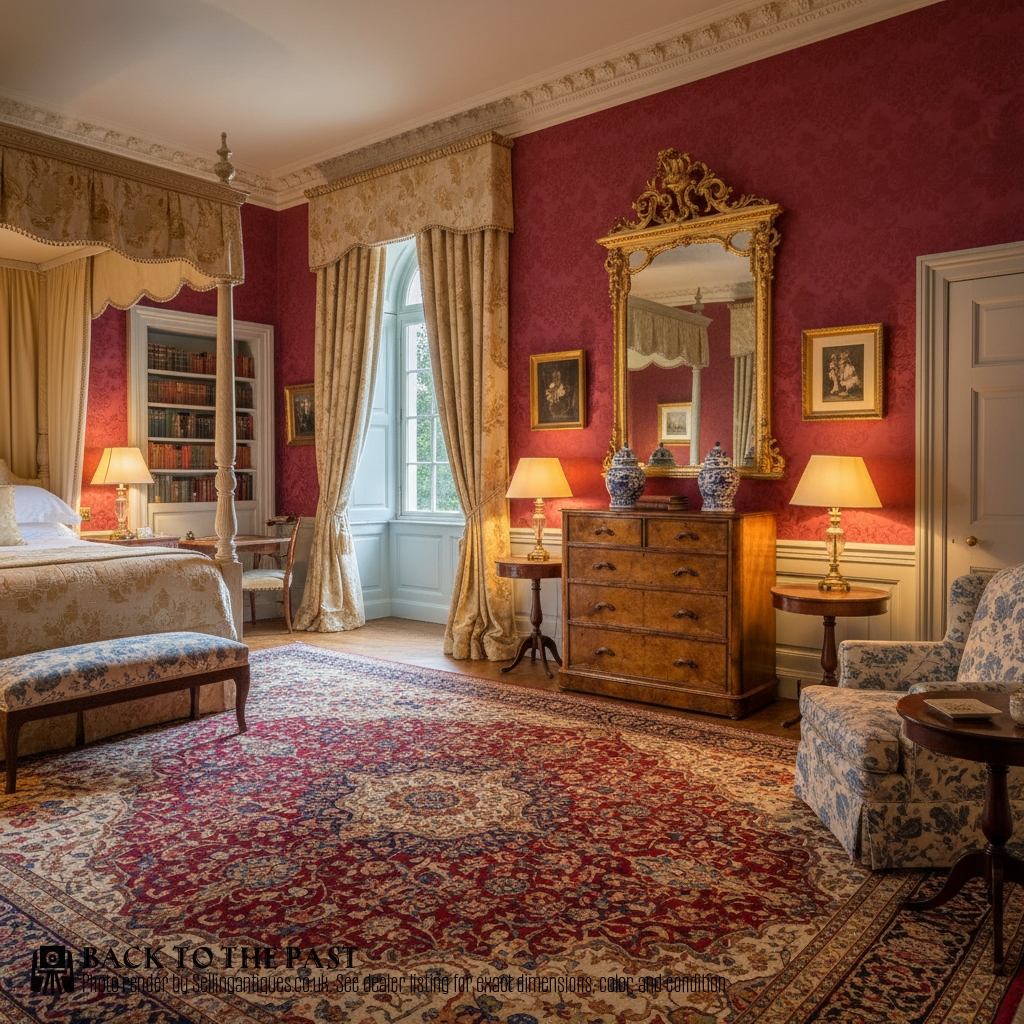
Victorian Burr Walnut Dresser
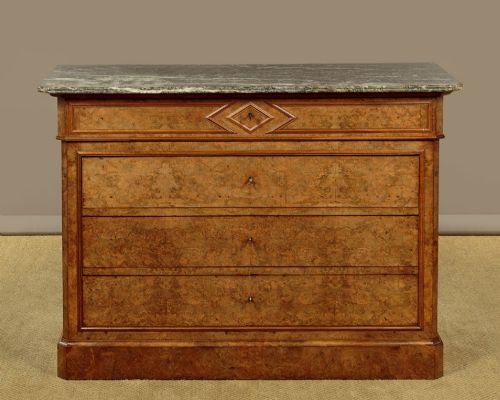
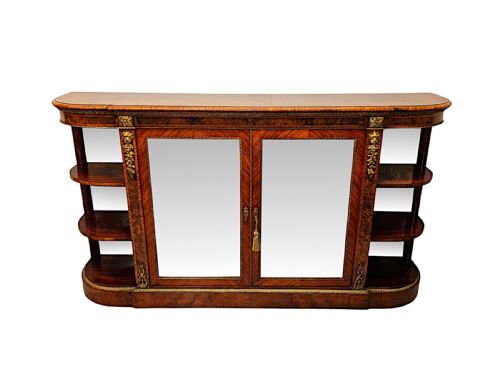
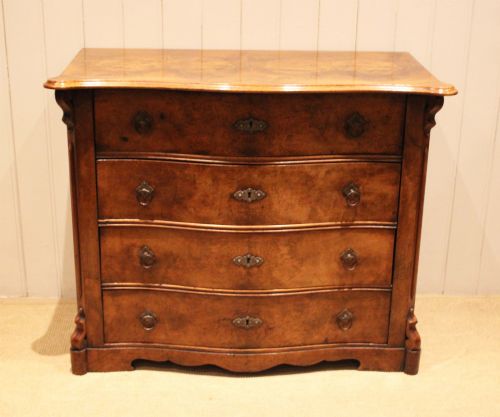
Buyers seeking a victorian burr walnut dresser encounter chests of drawers, credenzas, side cabinets, and bookcases dating across the nineteenth century. The term covers multifaceted storage forms rather than a single standardised sideboard design.
The pieces appearing here span the Victorian period, along with examples from William IV and French revival styles. Makers utilised rich veneers to create striking focal points in reception rooms and bedchambers.
Forms range from tallboys and secretaire chests to marble-topped commodes and glazed bookcases. Each object provides practical compartments wrapped in decorative timber work.
Materials and construction methods
Cabinetmakers selected burr walnut for its intricate, swirling grain patterns, laying thin veneers over secondary timbers such as pine. Wood inlay and marquetry often decorated the primary surfaces.
Mounts in ormolu and handles in brass added metallic contrast to the dark timber. Selected pieces incorporated glass panels in doors and white marble slabs on top surfaces.
Listings feature items built across the nineteenth century, utilising burr walnut, ormolu, brass, and marble.
Distinguishing quality in walnut furniture
Quality rests on the selection and matching of the burr walnut veneer across the facade. Skilled artisans mirrored grain patterns symmetrically to create balanced visual rhythm.
The precision of the joinery and the integration of bronze or ormolu mounts signal superior workshop standards. Finer examples display careful attention to interior drawer construction and original hardware.
Gillows·WC Burt
The Victorian Burr Walnut Dresser Glossary
- Burr walnut
- A prized timber harvested from the gnarled growth on walnut trees, showing swirling, knotted grain patterns. It was sliced into thin veneers for high-status cabinetwork.
- Ormolu
- Gilded bronze used for decorative mounts, feet, and escutcheons on nineteenth-century furniture. It provides a bright metallic contrast against dark wood.
- Marquetry
- The art of forming decorative patterns by fitting together small pieces of veneer of different woods and materials. It frequently adorns the doors of credenzas and cabinets.
- Credenza
- A low cabinet or sideboard, often featuring glazed doors and ormolu mounts. These pieces served both display and storage functions in Victorian drawing rooms.
- Commode
- A low, decorative chest of drawers, frequently surmounted by a marble slab in French-influenced Victorian pieces. The form originated as a bedroom fixture but moved to reception spaces.
Victorian Burr Walnut Dresser: Frequently Asked Questions
How do I identify burr walnut?
Burr walnut is recognisable by its swirling, highly figured grain filled with small dark knots and eyes. It differs from straight-grained walnut through its dramatic, mottled appearance.
Cabinetmakers used it as a veneer on primary display surfaces, framed by simpler borders or banding.
Where were these pieces used?
These items populated the principal rooms of Victorian homes, from drawing rooms to formal bedrooms. Credenzas and side cabinets displayed ceramics, while chests provided domestic storage.
Marble-topped commodes were often placed in parlours or dressing rooms for added utility and display space.
How should I care for walnut?
Keep walnut furniture away from direct sunlight and heat sources to prevent the wood and veneer from drying out. Consistent indoor humidity protects both the timber and the underlying glue.
Dust with a soft, dry cloth and avoid silicone-based polishes that build up on antique finishes.
Are brass mounts original?
Original brass handles and ormolu mounts show consistent patination and fit precisely into existing fixing marks. Screws and fixings should match the period of manufacture.
Replacements are common on antique furniture, though skilled restorers match nineteenth-century specifications.