

Victorian Brown Table
A victorian brown table brings rich mahogany, walnut and oak tones into a room, offering practical surface space with nineteenth-century character.
Victorian Brown Table
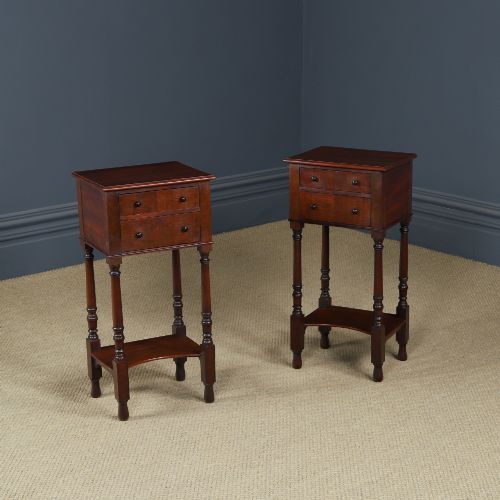
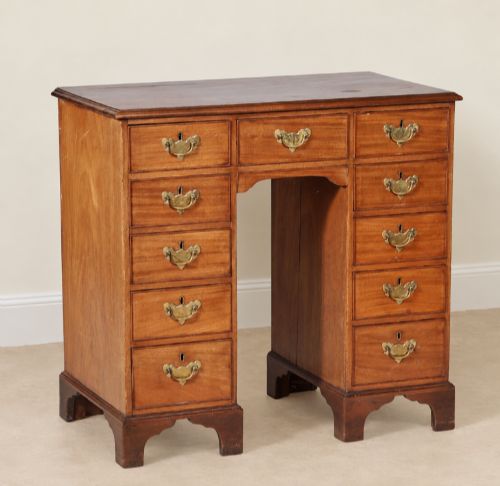
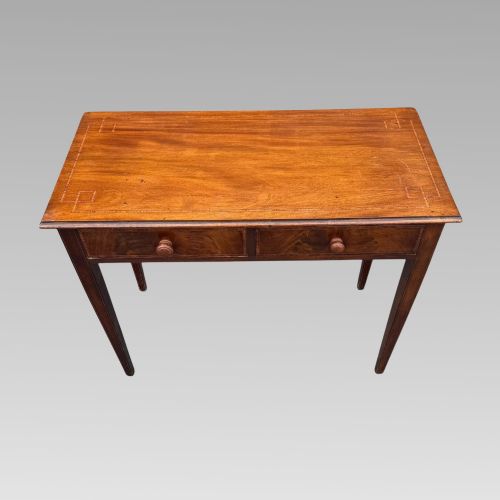
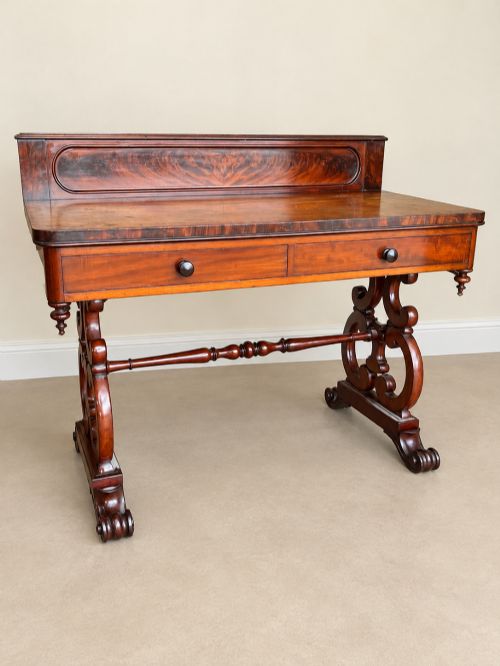
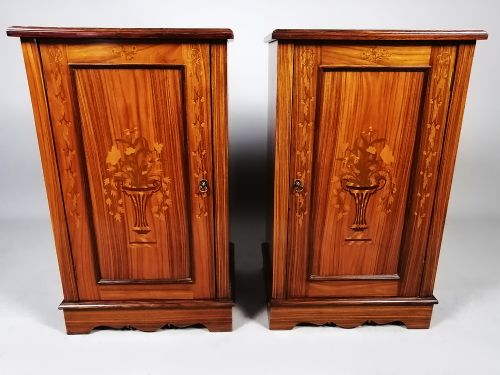
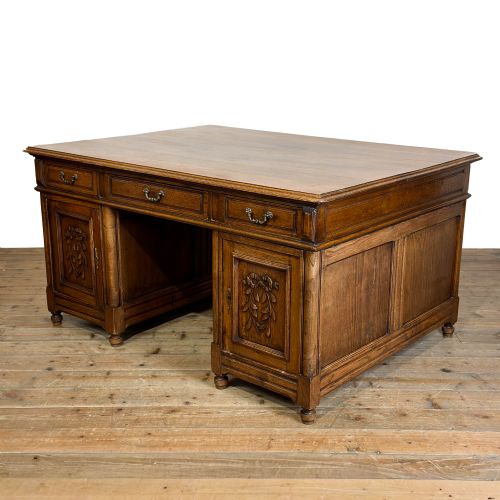
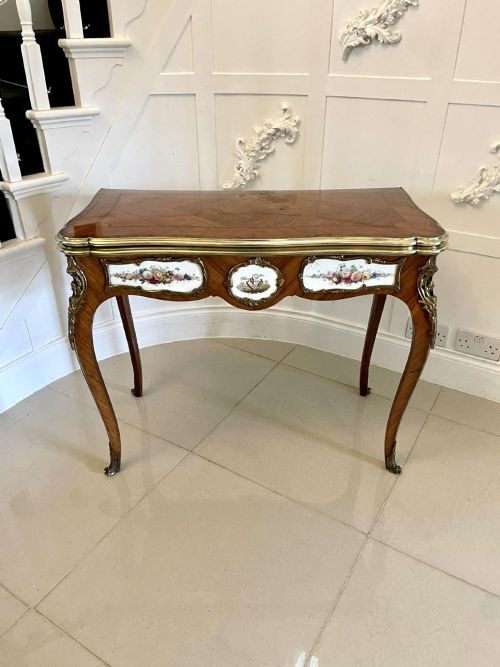
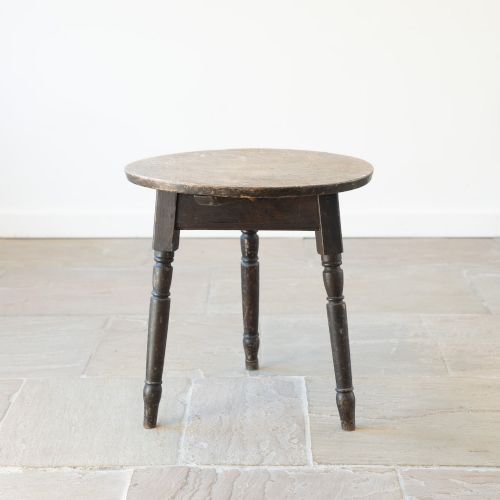
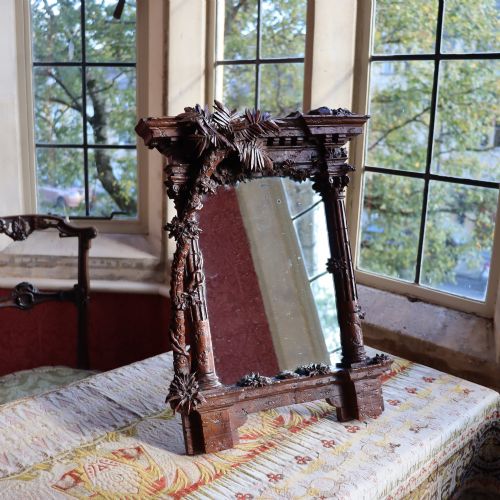
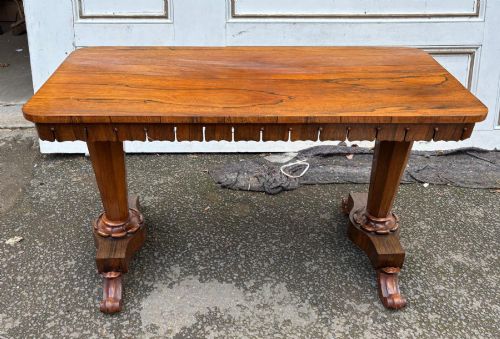
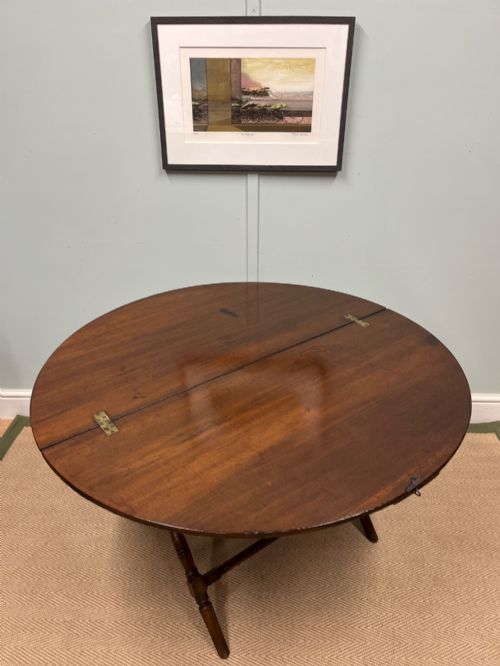
The pieces appearing on this page reflect the diverse forms produced during the nineteenth century and the broader Victorian era. You will find items ranging from simple pine kitchen tables and oak cricket tables to more polished walnut and mahogany works tables and side tables.
Makers and craftsmen of the period utilised richly grained timbers to create practical furniture suited to parlours, studies and libraries. Each surviving piece demonstrates the utilitarian needs of households from the eighteen-fifties onwards, adapted into enduring brown wood tables.
Materials and construction methods
The construction relies heavily on traditional cabinet-making timbers such as mahogany, walnut, burr walnut and oak, often finished with turned legs, gateleg actions or drop leaves. Joinery techniques from the nineteenth century ensure structural integrity, utilising solid woods paired with carefully selected veneers on larger surfaces.
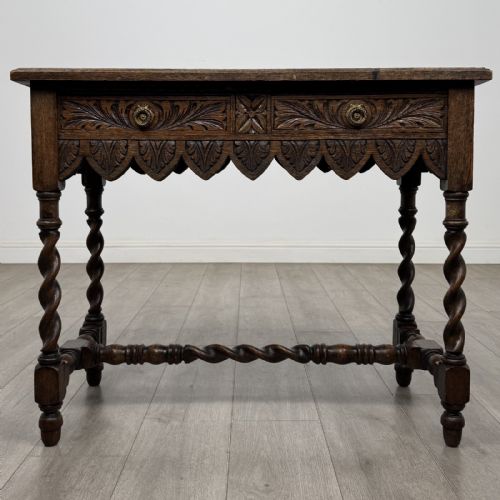
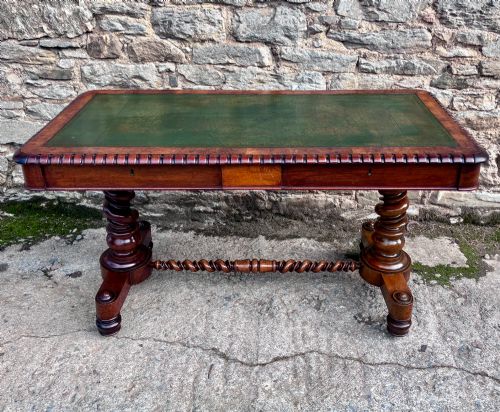
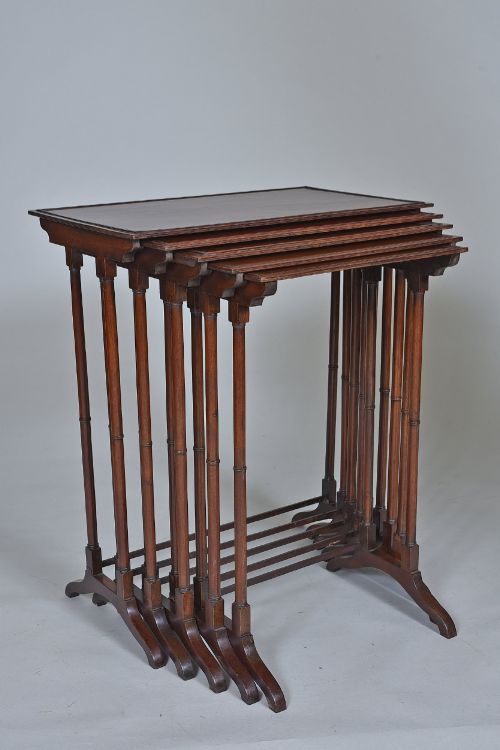
Secondary materials such as brass fittings, leather inserts for writing surfaces and occasional ormolu mounts add functional detail and decorative contrast to the dark wood bodies. Turned elements like barley twist supports and bobbin legs appear frequently across the various side and lamp tables.
Victorian Brown Table Retail Price Guide 2026
Typical asking prices for victorian brown table among the pieces listed under this phrase on Sellingantiques today, from the lower quarter to the upper quarter. They describe what is for sale here now, not the wider market.
Evaluating quality and craftsmanship
Quality in these brown wood tables rests on the selection of timber, particularly the grain and figuring found in walnut and mahogany surfaces. Superior examples display careful timber matching and robust joinery that withstands daily use without losing stability.
The finesse of turned or carved details, such as bobbin legs and barley twist supports, distinguishes standard utility pieces from finer parlour furniture. Original hardware, intact leather inserts and sound structural framing indicate higher workshop standards.
G T Morant
The Victorian Brown Table Glossary
- Pembroke table
- A small table with hinged drop leaves on two opposing sides. These tables offer expandable surface space while remaining compact when leaves are lowered.
- Side table
- A small functional table placed against a wall or beside seating. They provide convenient surface areas for lamps, books and decorative objects.
- Gateleg table
- A table featuring legs that swing out on hinged gates to support drop leaves. This clever design allows the surface to expand significantly when needed.
- Tripod table
- A small circular table supported by a central pillar above three splayed feet. They emerged as versatile occasional surfaces during the eighteenth and nineteenth centuries.
- Writing table
- A dedicated desk designed for correspondence and paperwork, frequently fitted with one or more drawers. These tables often incorporate leather or cloth writing surfaces.
Victorian Brown Table: Frequently Asked Questions
What is a victorian brown table used for?
These tables served various domestic functions ranging from writing correspondence and holding bedside lamps to providing surfaces for tea and reading materials.
Today, they integrate easily into modern interiors as functional desks, side tables or occasional stands in living rooms and studies.
How do I identify a nineteenth-century table?
Examination of the timber, construction joints and hardware helps determine the period. Nineteenth-century pieces typically feature solid mahogany, walnut or oak with traditional hand-cut joinery.
Tool marks and timber ageing patterns offer further clues to distinguish genuine period items from later reproductions.
Are these tables made of solid wood?
Many examples utilise solid timbers such as oak, mahogany and pine, particularly for legs, frames and smaller surfaces. Larger table tops often feature high-quality wood veneers applied over stable secondary woods to showcase rich grain patterns.
Cabinet makers of the era employed veneers to display decorative figures in walnut and mahogany without warping the underlying structure.
How do I care for antique wood furniture?
Maintain the finish by keeping tables away from direct heat sources and strong sunlight, which can dry out and fade the timber. Regular dusting with a soft, dry cloth preserves the polish without building up chemical residues.
Occasional application of appropriate wax feeds the wood and protects the historic surface from minor moisture marks.