

Victorian Brown Sideboard
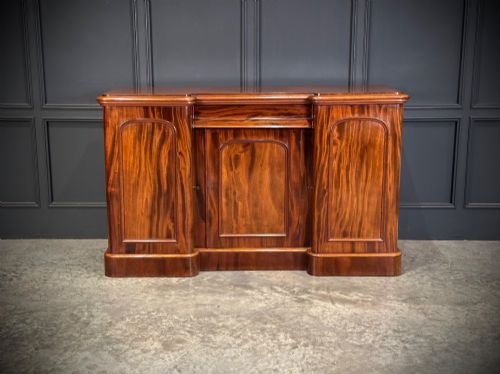
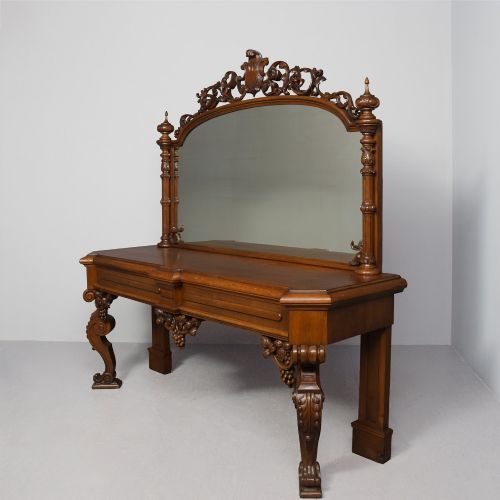
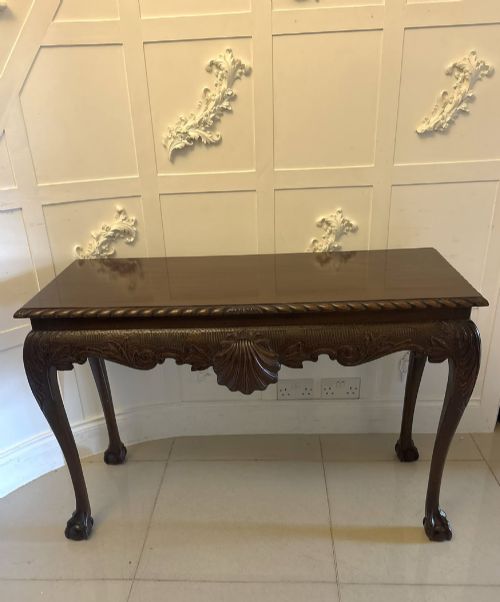
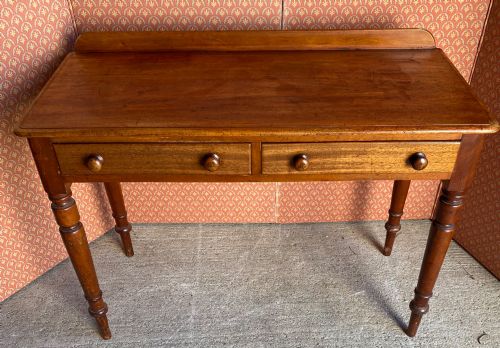
A victorian brown sideboard brings heavy timber and formal storage into a room, offering substantial cupboards and polished surfaces.
Victorian Brown Sideboard
A victorian brown sideboard encompasses large timber storage furniture from the nineteenth century, including pedestal designs, mirror-backed cabinets, and credenzas.
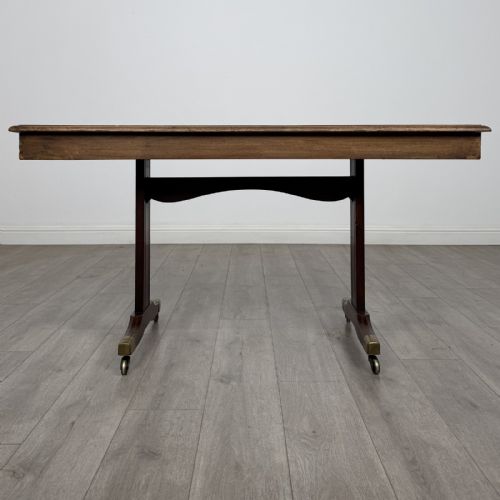
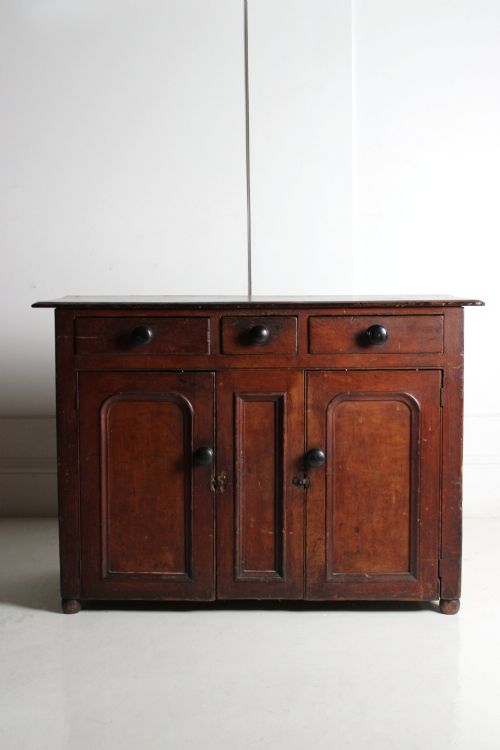
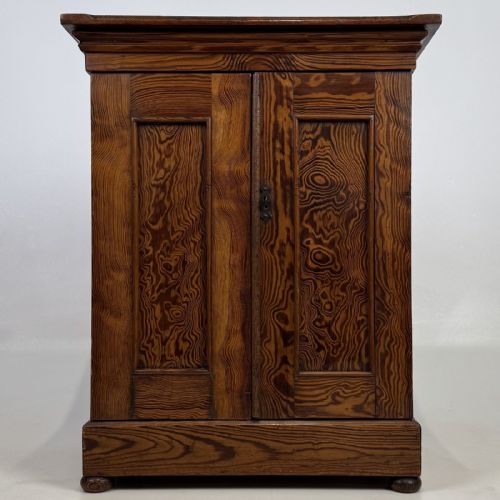
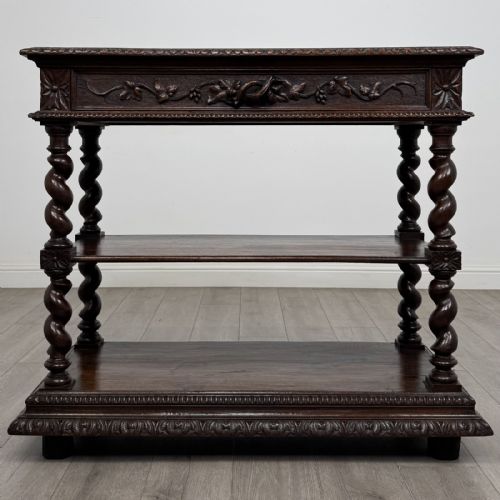
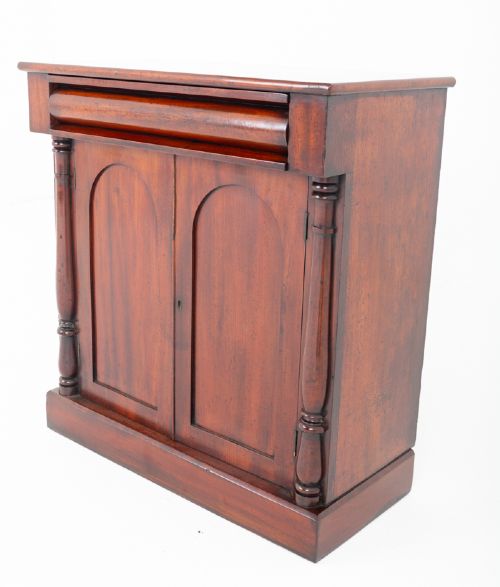
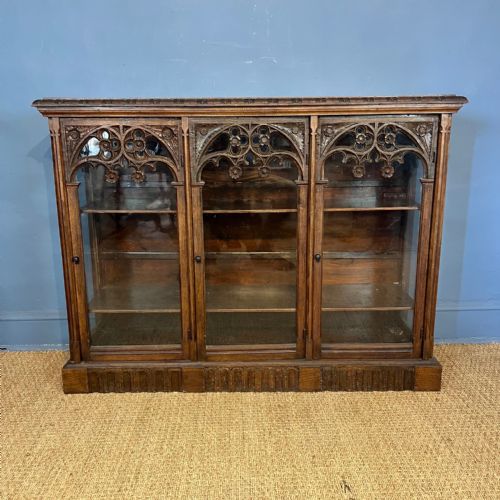
The selections here range from substantial oak and mahogany sideboards to walnut credenzas and pine dressers, often displaying rich brown tones and distinct grain patterns.
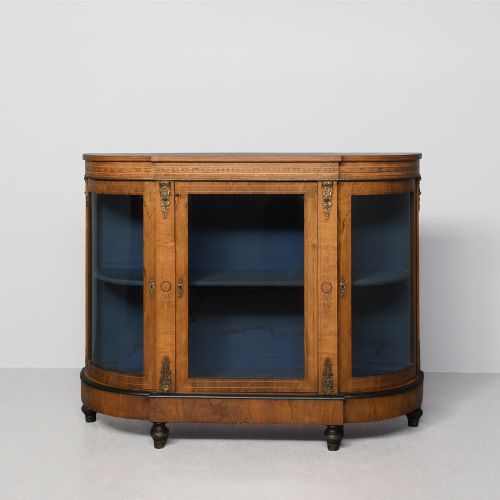
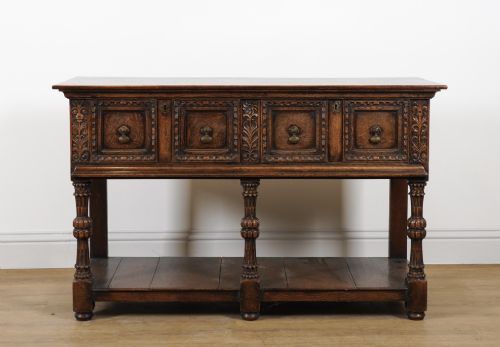
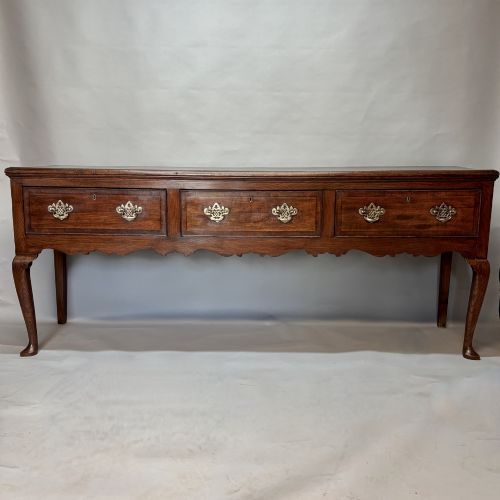
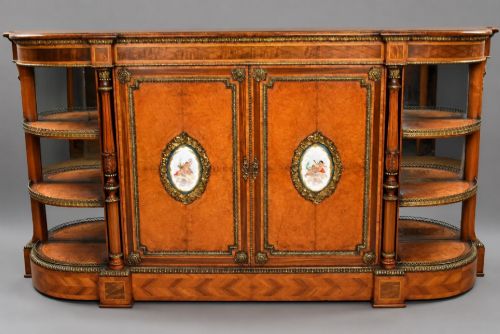
Buyers encounter various forms spanning the Victorian era and adjacent periods, featuring decorative carvings, glazed doors, and brass or ormolu mounts.
Materials and construction
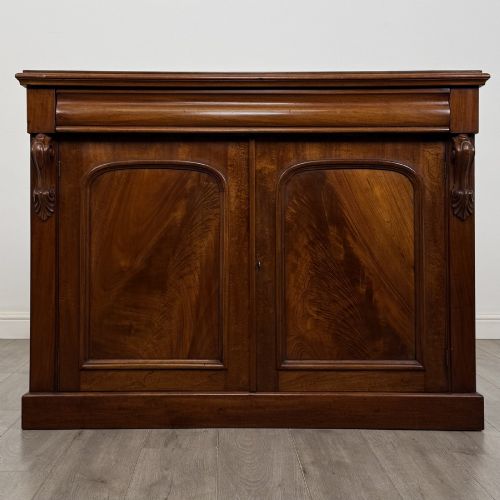
Cabinet makers utilised dense hardwoods such as oak, mahogany, walnut, and burr walnut, frequently applying veneers to display elaborate grain figures.
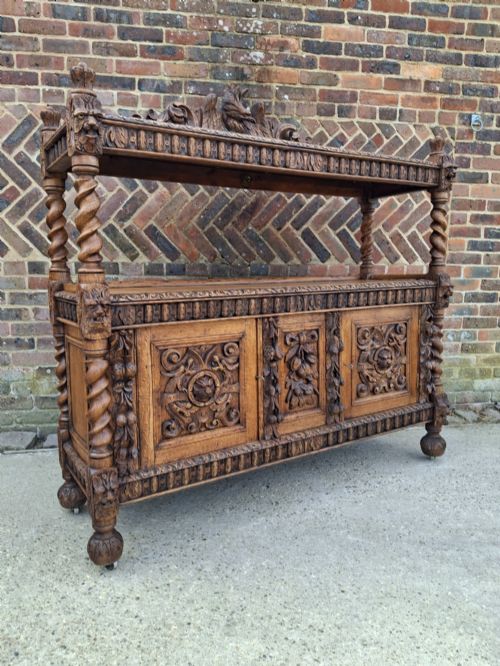
Decorative elements involve detailed hand carving, such as green man motifs, alongside marquetry inlay, amboyna banding, and cast brass or ormolu mounts.
Construction methods rely on solid timber carcases, bracket feet, cabriole legs, and fitted interior shelving designed for dining rooms and halls.
Victorian Brown Sideboard Retail Price Guide 2026
Typical asking prices for victorian brown sideboard among the pieces listed under this phrase on Sellingantiques today, from the lower quarter to the upper quarter. They describe what is for sale here now, not the wider market.
Keep a sharp eye out for hidden cellarette drawers designed to keep wine bottles cool near the floor.
Judging quality in brown sideboards
Quality rests in the selection of the timber and veneer, where highly figured burr walnut or substantial pollard oak elevate a piece above plain pine or standard mahogany.
The execution of decorative work defines the upper tiers, distinguishing crisp, deep relief carvings and precise marquetry inlay from simpler surfaces.
Makers' signatures and documented workshops contribute significantly to distinction, alongside the preservation of original mounts, glass, and polished finishes.
G. Bartholomew & Co·Gillows·Hewetsons·Shoolbred & Co.
The Victorian Brown Sideboard Glossary
- Credenza
- A low cabinet or sideboard, often featuring glass doors and decorative mounts. These pieces frequently display intricate marquetry and amboyna panels.
- Chiffonier
- A compact sideboard or side cabinet developed during the nineteenth century. It typically includes enclosed shelving and sometimes a raised tier or mirror back.
- Burr Walnut
- A prized timber veneer showing swirling, knotty grain patterns. Furniture makers selected these figured sections for prominent door panels and table tops.
- Ormolu
- Gilt-bronze mounts applied as decorative trim on Victorian cabinets. The technique involves mercury gilding cast bronze to create a bright golden finish.
- Green Man
- A sculptural architectural ornament depicting a human face intertwined with foliage and vines. Carvers frequently applied this motif to nineteenth century oak furniture.
Victorian Brown Sideboard: Frequently Asked Questions
What rooms suit a Victorian sideboard?
These substantial storage pieces fit naturally in traditional dining rooms, large hallways, and living spaces where their surface area and cupboards serve practical storage needs.
Their dark timber tones anchor a room's colour scheme, providing a surface for lamps, ceramics, or serving dishes while concealing tableware below.
How do I identify a Victorian piece?
Characteristics include dense hardwoods like mahogany, oak, and walnut, combined with specific revival styles, heavy brass hardware, and characteristic drawer construction.
Examining the secondary timbers inside drawers and the backboards often confirms nineteenth century manufacturing methods.
What is a credenza?
A credenza is a low form of sideboard, frequently associated with Victorian walnut pieces featuring curved glass doors and gilt-metal mounts.
Unlike tall pedestal sideboards, credenzas sit low to the ground and often serve display purposes alongside enclosed storage.
How should I care for timber surfaces?
Maintain polished wood by avoiding direct sunlight and excessive humidity fluctuations which can cause veneer to lift.
Apply traditional beeswax occasionally to nourish the grain and preserve the deep brown colour without sealing the surface with modern synthetics.