

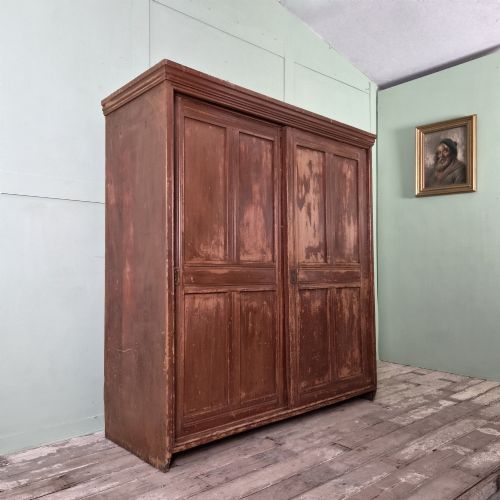
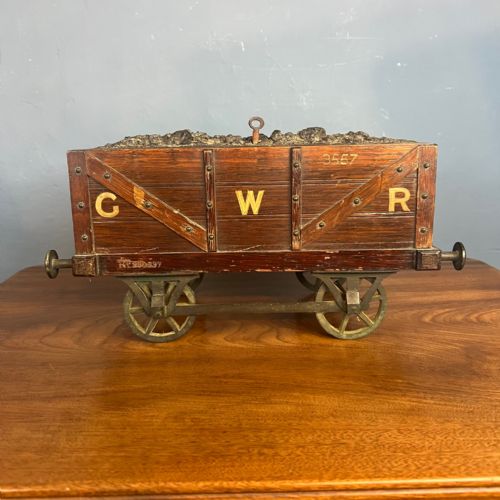
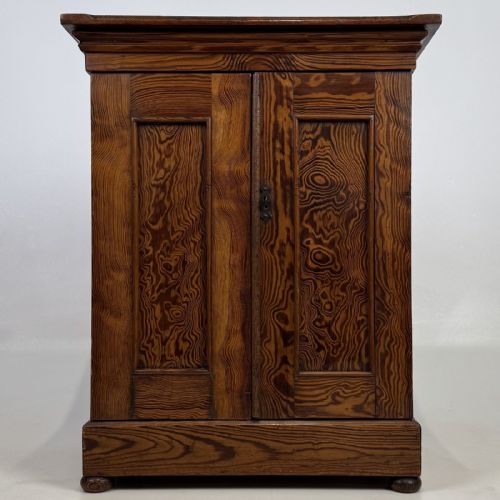
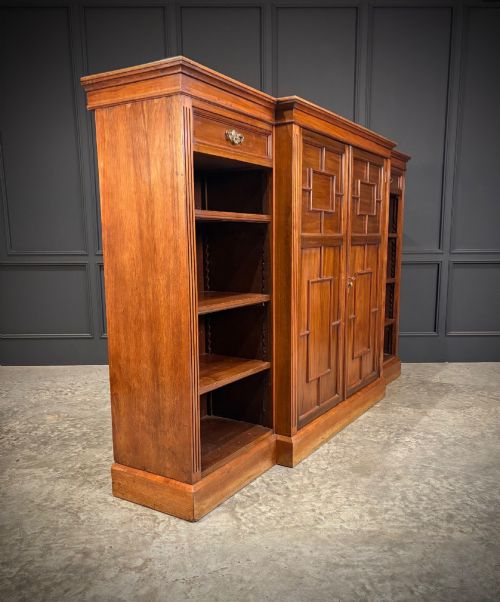
Victorian Brown Cabinet
These Victorian brown cabinet pieces bring rich mahogany, walnut, and oak storage to a room with period proportion and practical depth.
Victorian Brown Cabinet
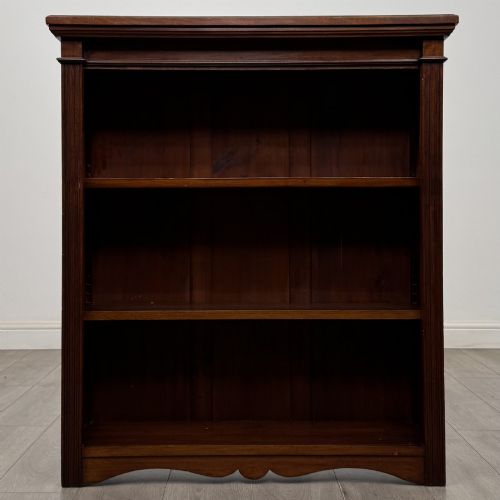
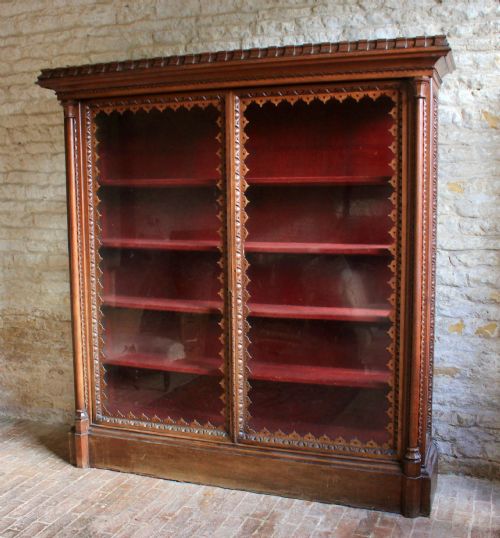
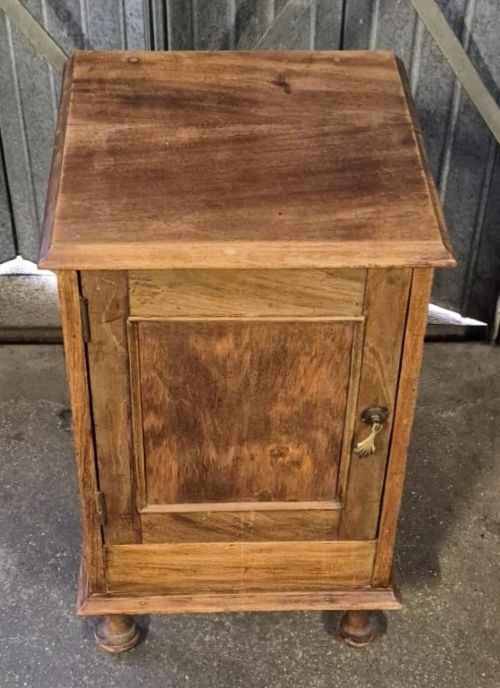
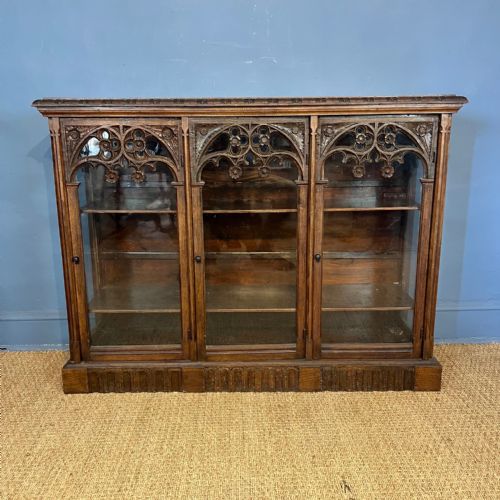
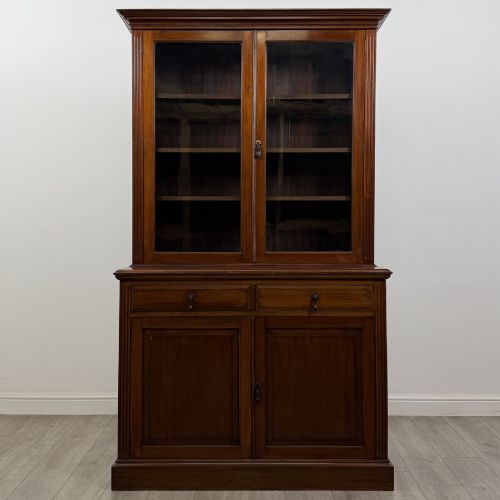
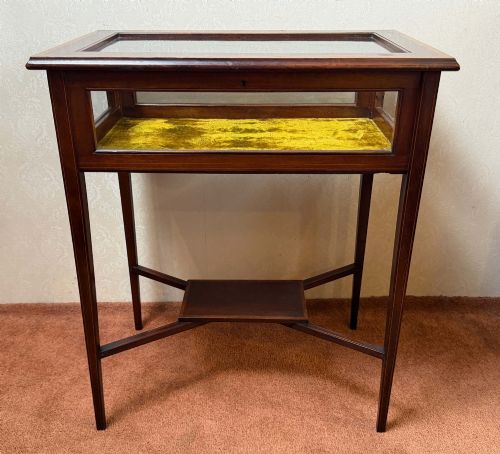
A victorian brown cabinet encompasses a diverse range of nineteenth-century wooden storage furniture, from glazed display cases and bookcases to bedside cupboards and credenzas.
Originating predominantly from the Victorian period, these items served varied domestic functions in libraries, parlours, and bedrooms, featuring glass doors, open shelving, or enclosed cupboards.
How they were made
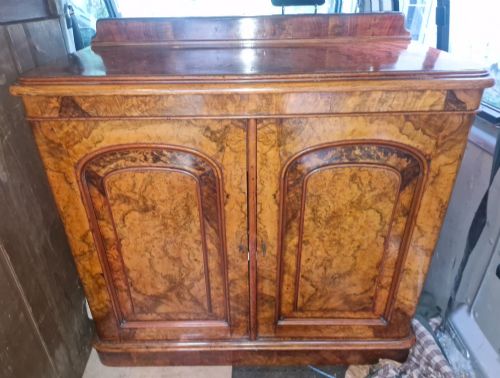
Cabinet makers utilised solid woods and decorative veneers like burr walnut, flame mahogany, and amboyna, laid over sturdy secondary timbers such as pine or oak.
Construction techniques combined traditional joinery with applied mouldings, brass hardware, and intricate marquetry or inlay work in contrasting timbers.
Surface finishes were typically hand-polished to accentuate the natural grain and deep brown colour of the wood, while glass panels were fitted into rebated wooden frames for display cabinets.
Victorian Brown Cabinet Retail Price Guide 2026
Typical asking prices for victorian brown cabinet among the pieces listed under this phrase on Sellingantiques today, from the lower quarter to the upper quarter. They describe what is for sale here now, not the wider market.
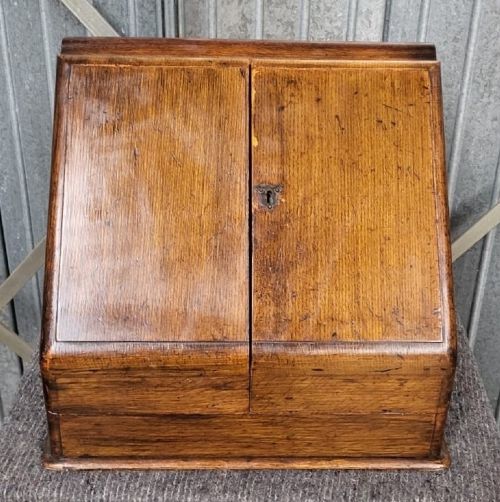
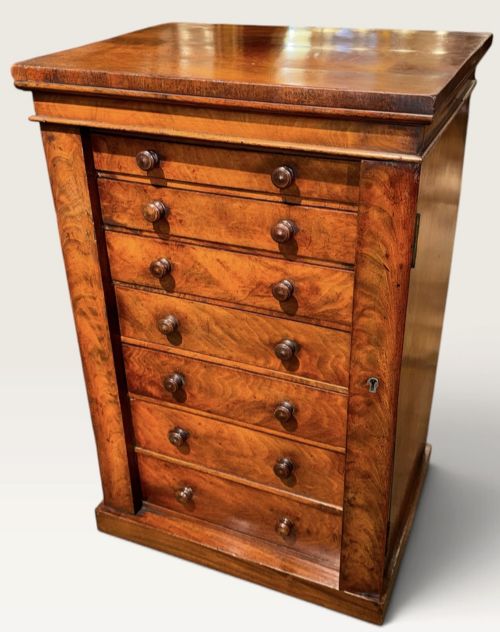
One unusual survivor is a watch and clock repairer's chest from eighteen-sixty, designed for intricate desktop work.
What varies in quality
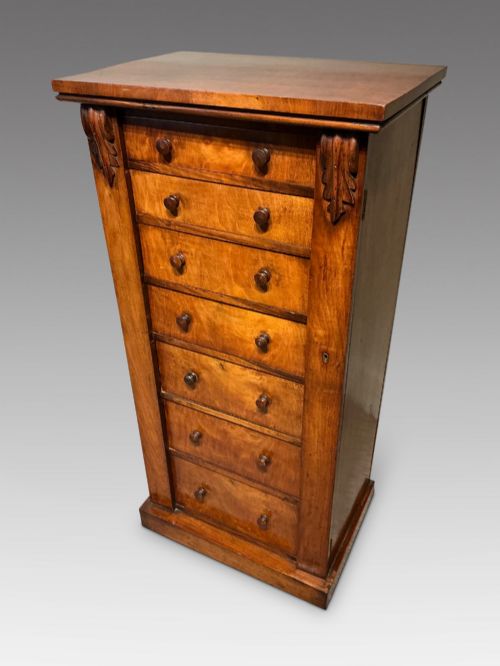
Quality separates pieces through the selection of timber figures, such as highly figured burr walnut or flame mahogany veneers, matched carefully across door panels and drawer fronts.
The refinement of internal elements, including adjustable shelving systems, finely dovetailed drawer construction, and original brass locks or handles, distinguishes finer workshops from standard production.
The crispness of carved details, such as dentil cornices, pillar panels, and marquetry inlays, indicates the level of craftsmanship invested in the cabinet.
Barbedienne·G Bartholomew & Co
The Victorian Brown Cabinet Glossary
- Burr walnut
- A highly decorative wood harvested from the wart-like growths on walnut trees, prized for its swirling, intricate grain patterns on Victorian cabinet doors.
- Glazed door
- A wooden frame fitted with glass panels, commonly found on bookcases and display cabinets to protect contents while keeping them visible.
- Marquetry
- The art of applying decorative veneer pieces in various woods to form geometric or pictorial patterns on cabinet surfaces.
- Credenza
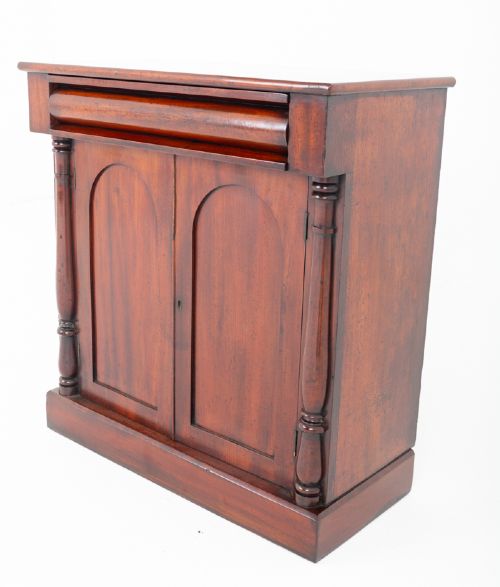
- A low-standing sideboard or cabinet type popular in the Victorian era, frequently featuring central cupboards flanked by curved glass display sections.
- Dentil cornice
- A decorative moulding featuring a repeating series of small rectangular blocks resembling teeth, running along the upper edge of a cabinet.
Victorian Brown Cabinet: Frequently Asked Questions
What rooms suit a Victorian brown cabinet?
These cabinets suit studies, living rooms, and bedrooms where their timber tones and practical storage are useful.
Their varied forms, from narrow bedside cupboards to large bookcase cabinets, allow them to fit both compact corners and expansive walls.
How do I maintain the wood finish?
Keep the timber clean with a soft, dry cloth and avoid placing the cabinet near direct heat sources or strong sunlight.
Periodic application of suitable furniture wax helps nourish the antique polish and protect the mahogany or walnut surface.
What is the difference between a chiffonier and a side cabinet?
A chiffonier is typically a compact nineteenth-century sideboard featuring a raised shelf or small superstructure on top.
Standard side cabinets offer a flat top surface over enclosed storage or shelving without the elevated back tier.
How can I tell a Victorian piece from a later copy?
Examine the construction methods, secondary timbers like pine or oak drawer linings, and the type of hand-cut dovetails used internally.
Victorian cabinets often display signs of age in the timber shrinkage and the wear of the original brass hardware and polish.