

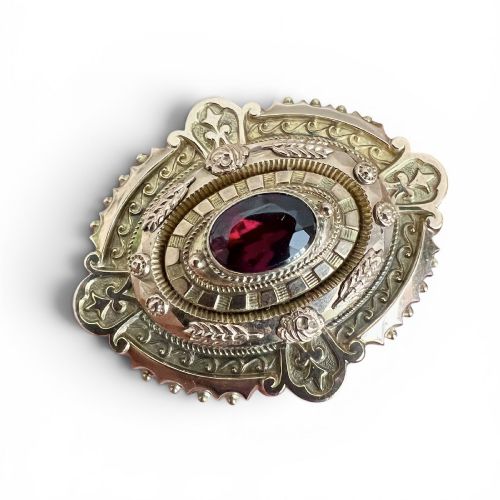
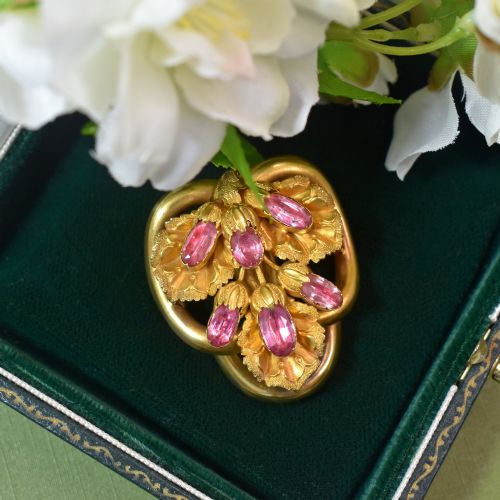
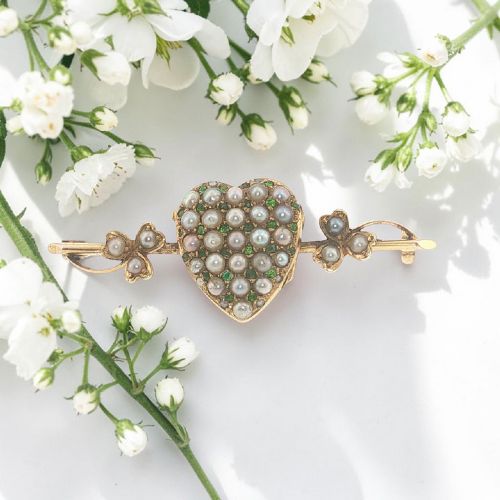
Victorian Brooch Pin
When you search for a victorian brooch pin, you discover miniature artworks crafted from precious metals and gemstones to fasten garments.
Victorian Brooch Pin
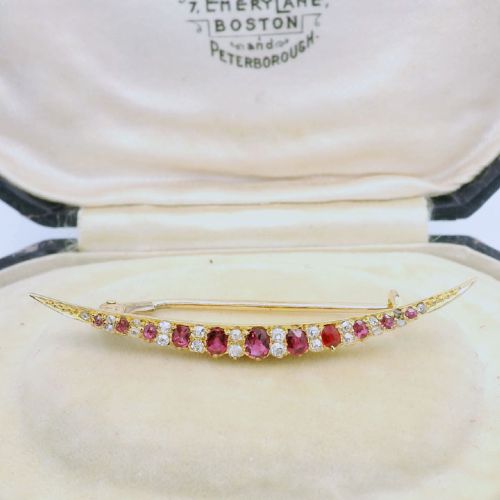
Mourning jewellery, micromosaics, and carved cameos also appear frequently among the listings, reflecting the diverse sentimental and decorative functions of the period. Buyers find both delicate crescent shapes and substantial shield-shaped kilt pins originating from British and European workshops.
How they were made
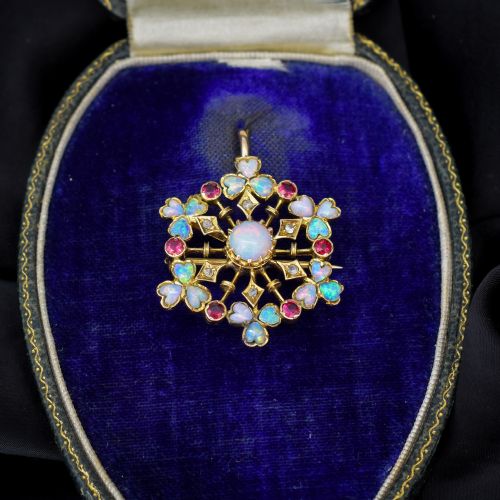
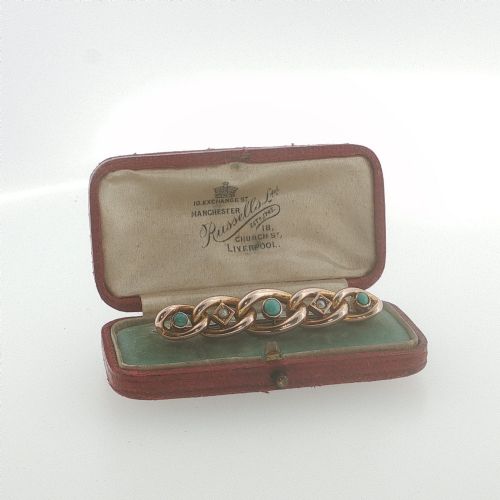
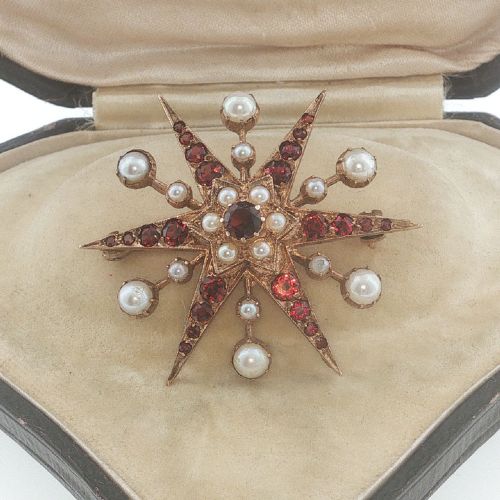
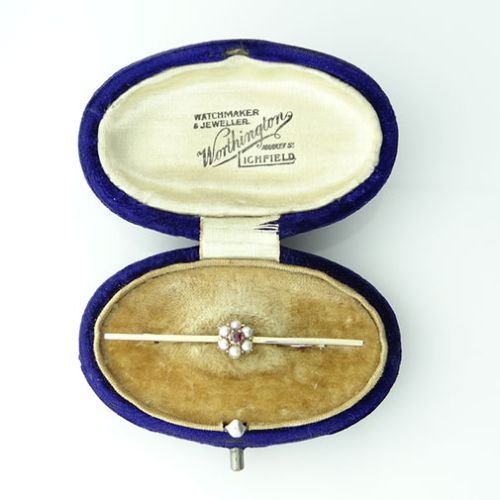
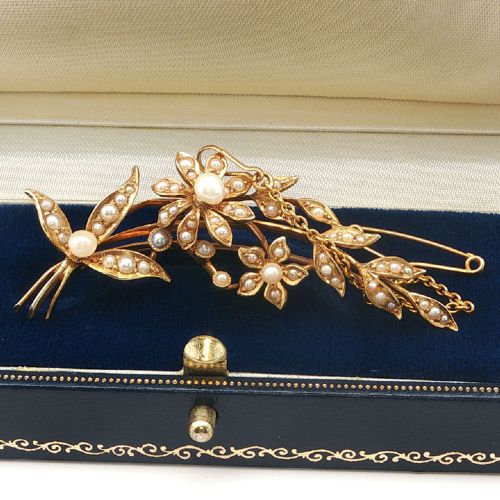
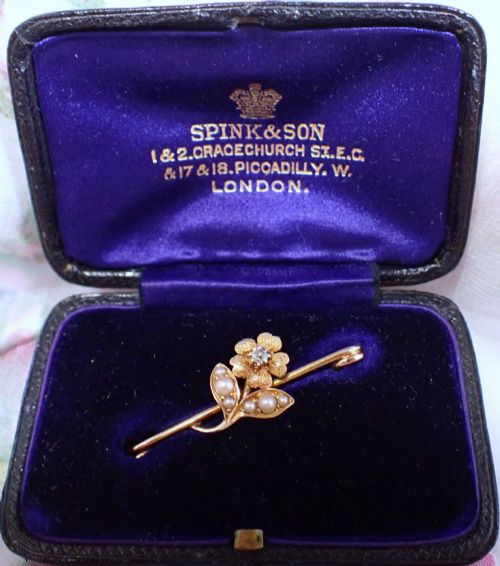
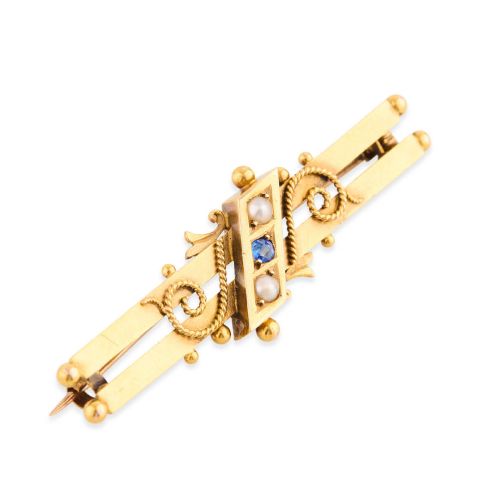
Goldsmiths utilised 9ct, 15ct, and 18ct gold alongside silver and pinchbeck to form the structural mounts for gemstones. Stones including diamonds, rubies, opals, and seed pearls were secured via claw or collet settings.
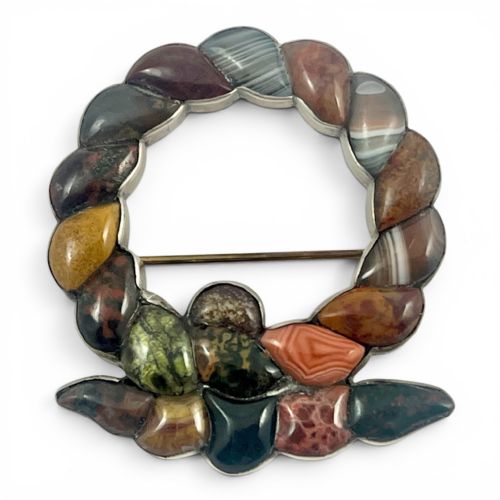
Specialised regional techniques involved shaping hardstones like Scottish agates into geometric pebble mosaics or carving shell and hardstone into detailed cameos. Enamelling and foil-backing under topaz added deep colouration to floral and zoomorphic motifs.
Tiny gold spiders and turquoise lizards wait quietly among the floral sprays.
What varies in quality
Design complexity and the precision of the micro-detailing distinguish masterwork items from standard production pieces. Finer examples display meticulous stone matching, superior gem clarity, and advanced metalwork techniques such as Etruscan granulation.
The integrity of the original pin mechanism, hinges, and safety chains indicates the level of preservation. Pieces retaining fitted presentation cases or documented provenance demonstrate higher historical preservation.
The Victorian Brooch Pin Glossary
- Micromosaic
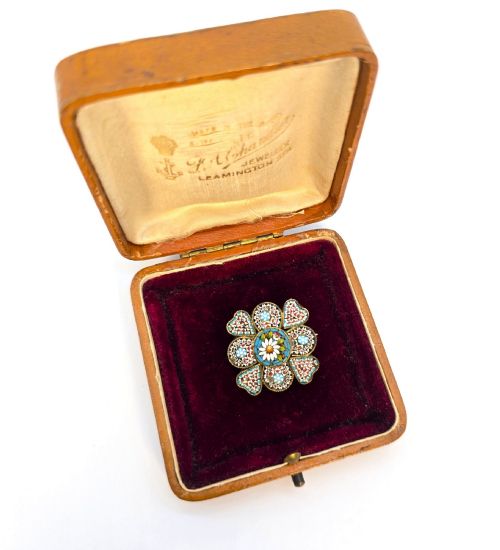
- Tiny glass tesserae assembled by hand to form pictorial scenes of architecture or landscapes. These miniature tile works originated largely in Italy during the nineteenth century.
- Agate
- A fine-grained quartz variety prized for its natural banding and colour variations. Scottish revival jewellery frequently incorporates polished specimens into pebble brooches.
- Mourning brooch
- Memorial jewellery designed to commemorate a deceased person, often containing woven hair behind glass or black onyx. These pieces served as tangible tokens of remembrance.
- Pinchbeck
- An alloy of copper and zinc invented as an affordable alternative to gold. It mimics the appearance of precious metal while maintaining structural rigidity.
- Collet
- A flat collar of metal that holds a gemstone in place by being rubbed over the edge of the stone. This traditional setting style secures flat-backed or rose-cut gems.
Victorian Brooch Pin: Frequently Asked Questions
How do I wear a antique brooch today?
Fasten these pins securely through heavy fabrics such as wool lapels, scarves, or thick knit sweaters to support their weight. Many designs also feature integrated loops allowing them to convert into pendants.
Ensure the pin stem extends safely beyond the catch and use a modern backing guard if the original clasp lacks a locking mechanism.
What is a Scottish pebble brooch?
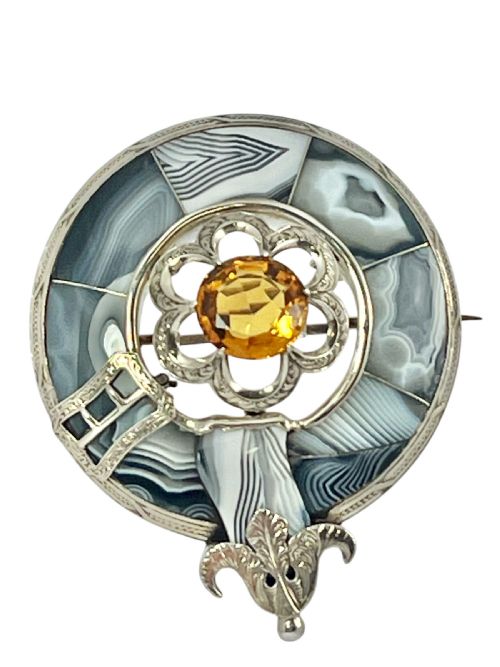
Scottish pebble brooches feature native hardstones like Scottish agates, jaspers, and citrines set into silver mounts. Originating during the Victorian Highland revival, these pieces celebrated local geology.
They often replicate traditional weapons or symbols such as dirks, shields, and kilt pins, reflecting romanticized Celtic motifs.
How do I date a gold brooch?
Dating relies on stylistic shifts, metal purities, and hallmark stamps where present. Nineteenth-century pieces frequently utilise 15ct gold before regulations changed in later decades.
Motifs such as crescent moons, starbursts, and flower sprays evolved from early Victorian romanticism through to the Edwardian and Art Nouveau periods.
What is a mourning brooch?
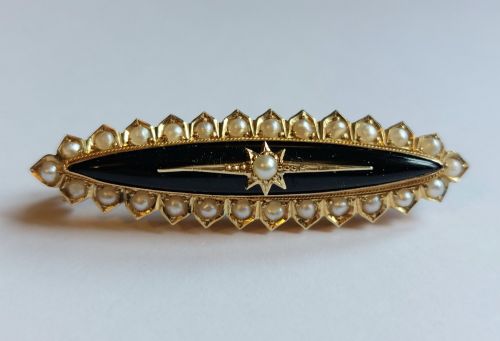
Mourning brooches were commissioned to honour departed loved ones during periods of bereavement. They often incorporate dark materials like black onyx, jet, or seed pearls representing tears.
Reverse compartments frequently display braided human hair preserved beneath glass, serving as deeply personal mementos of the era.