


Victorian Bronze Decorative Urns
Victorian bronze decorative urns bring classical elegance and intricate metalwork into a room, offering striking focal points for mantelpieces and side tables.
Victorian Bronze Decorative Urns
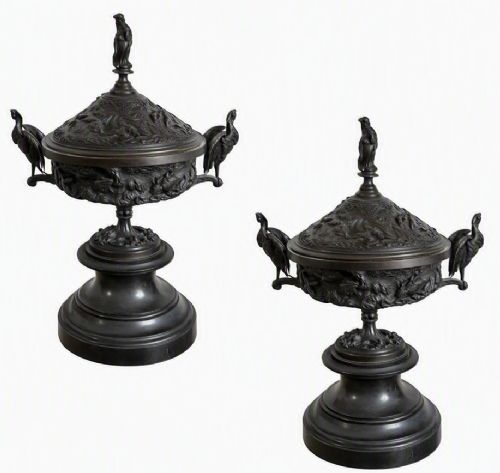
Victorian bronze decorative urns represent a diverse group of ornamental vessels shaped by classical revival tastes, Grand Tour influences, and Japanese Meiji period aesthetics. Buyers searching this phrase most frequently encounter matched pairs originating from 19th-century French, Italian, and Japanese workshops.
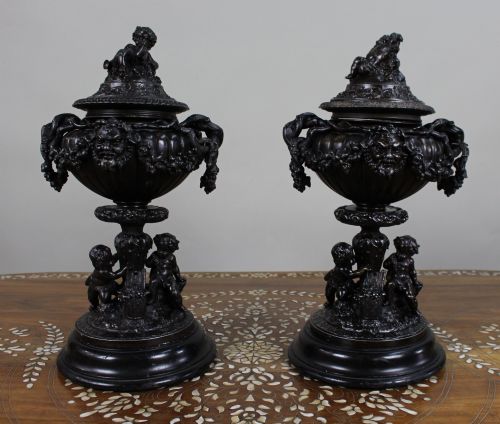
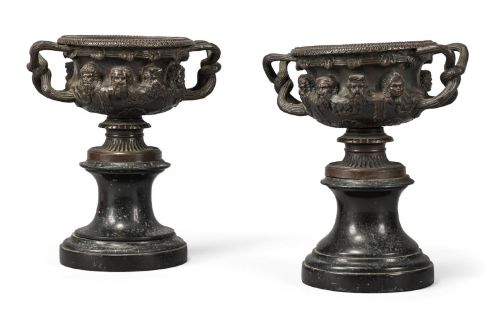
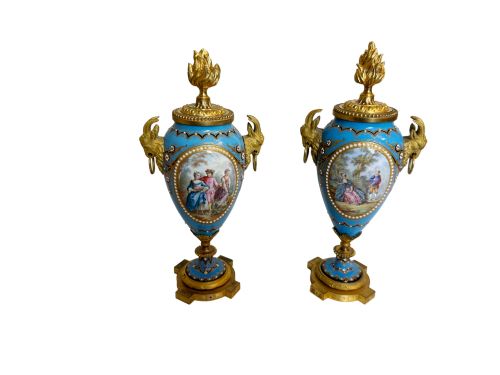
The forms span traditional Warwick vases, lidded cassolettes, and decorative ewers, often paired with marble pedestal bases or embellished with porcelain inserts. These pieces served primarily as interior display items during the period, reflecting a widespread fascination with antiquity and exotic craftsmanship.
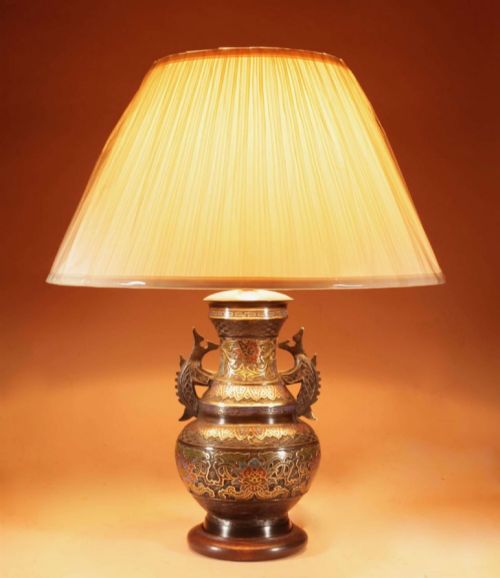
Origins vary between European classical interpretations and Asian export works imported to Britain during the Victorian era. Consequently, domestic interiors might feature a French gilt bronze model alongside an oriental bronze flower pot.
How they were made
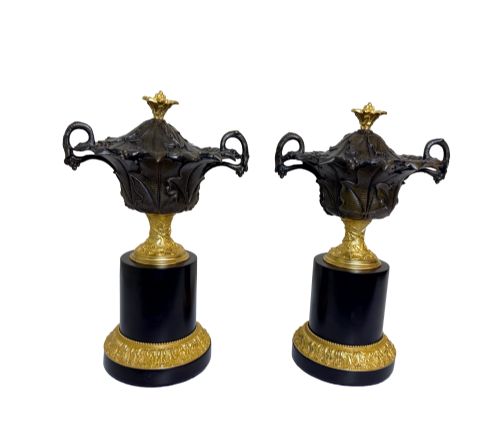
Artisans utilised metalcasting techniques to produce the primary bronze bodies, often finishing the surfaces with patination, fire gilding, or ormolu trim. Many examples incorporate champlevé enamel, cloisonné, or hand-carved and chased detailing directly into the metal surface.
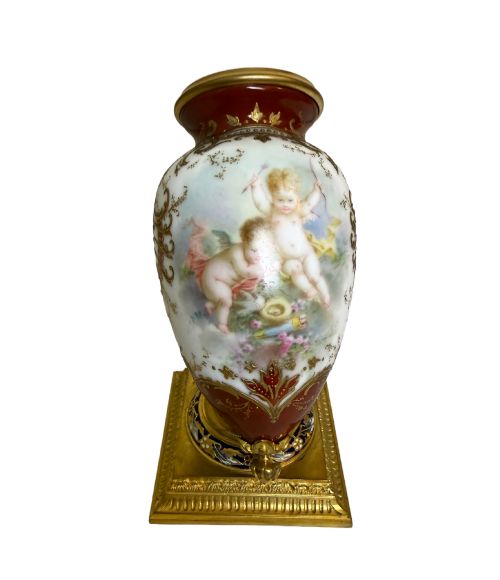
Composite construction frequently combines cast bronze with contrasting materials such as marble plinths, porcelain bodies, and fabric components. Bacchic masks, putti, and classical motifs were cast separately and then mounted securely onto the main vessel structure.
Listings feature 19th-century pieces incorporating porcelain, marble, and enamel alongside traditional bronze.
What varies in quality
The integration of mixed materials also defines overall excellence, such as the seamless fit of marble bases and the richness of the applied patina or gilding. Substantial weight and balanced proportions distinguish the finest Grand Tour and classical revival examples from lighter decorative items.
The Victorian Bronze Decorative Urns Glossary
- Bronze
- An alloy consisting primarily of copper, traditionally combined with tin, used extensively for durable sculptural castings and ornamental vessels.
- Ormolu
- Finely ground high-carat gold applied to a bronze base using a mercury amalgamation technique, creating a rich golden surface finish.
- Grand Tour
- A cultural itinerary undertaken by wealthy Europeans to visit classical antiquities, inspiring the production of miniature bronze souvenirs and vases.
- Cassolette
- A decorative vessel featuring a reversible lid that functions either as a closed vase or as a burner for scented powders.
- Chasing
- The manual technique of refining cast metal surfaces using hammers and punches to sharpen details and add texture.
Victorian Bronze Decorative Urns: Frequently Asked Questions
How were decorative urns used in victorian homes?
Victorian households positioned decorative urns prominently on mantelpieces, pedestals, and side tables as pure statements of refinement and cultural literacy. They were occasionally utilised as flower pots or posy vases, though their primary function remained ornamental.
Pairs of urns often formed part of a garniture set flanked by matching mantel clocks and candelabra to create symmetrical displays.
How do i identify japanese influence on these bronzes?
Japanese influence appears through the integration of Meiji period motifs, including flora, fauna, and distinct patination techniques applied to traditional bronze vessel forms. These pieces reflect the intense Victorian appetite for Japonisme following the reopening of Japanese trade.
Such items often blend eastern decorative panels with Western vessel shapes like baluster vases and jardinières.
What materials accompany bronze in these pieces?
Makers frequently combined bronze with white marble, Sevres style porcelain, and decorative enamels to create visual contrast and texture. Ormolu trims and gilt bronze highlights were also added to enhance the reflective quality of the pieces under candlelight.
Interior metal liners or removable components occasionally accommodated water for fresh floral arrangements.