



Victorian Bread Plate
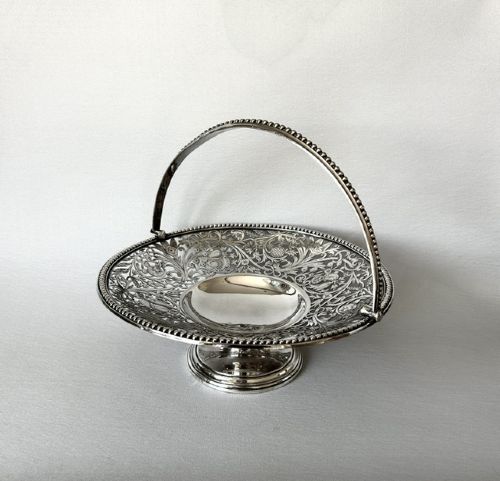
These pieces for a victorian bread plate are functional silver plated and ceramic serving pieces designed for the dining table.
Victorian Bread Plate
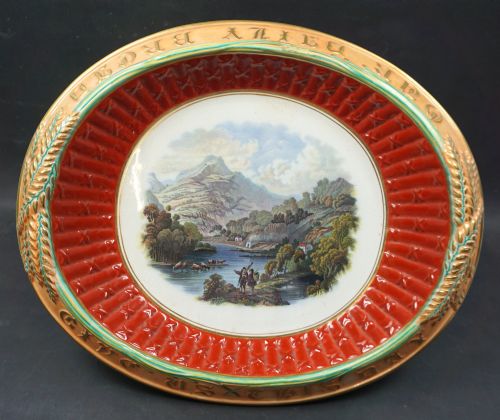
When you search for a victorian bread plate, you encounter functional serving vessels and platters made during the nineteenth century. These items include ceramic plates decorated with mottoes alongside metal baskets and dishes used for serving bread at the table.
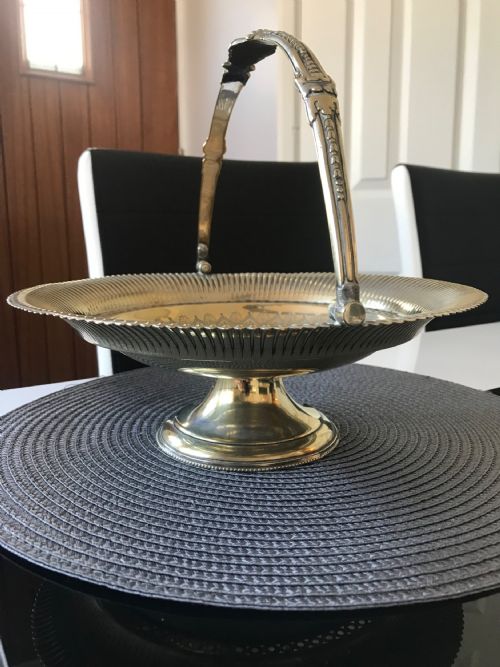
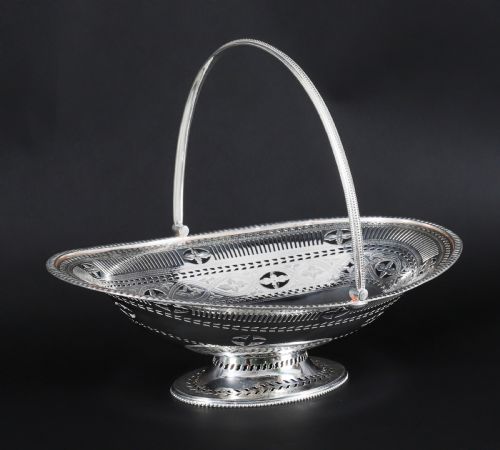
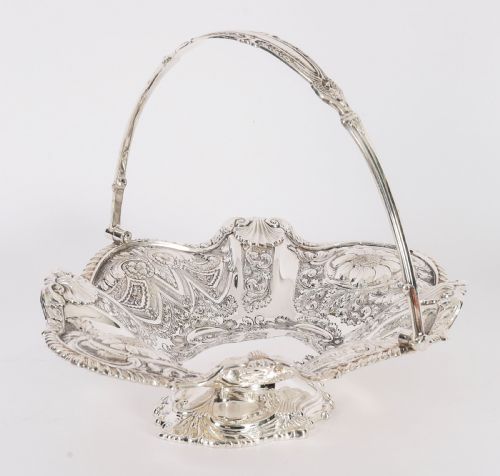
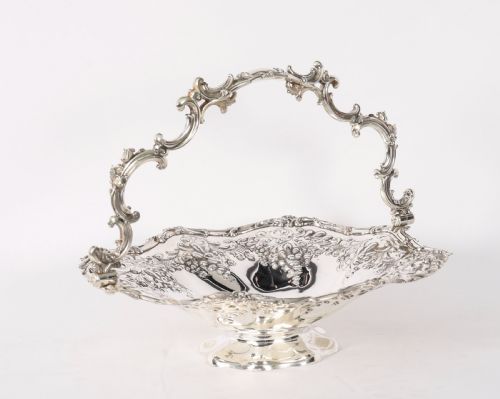
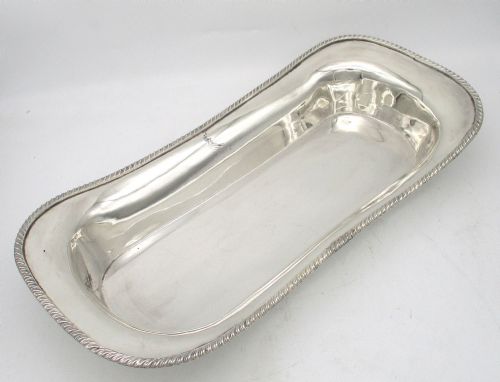
The material range spans earthenware and saltglaze ceramics to silver plate and electroplated nickel silver. Metal forms often take the shape of baskets and dishes with embossed edging or floral engraving.
Makers such as Elkington and Walker & Hall produced these items during the Victorian era. The selection also includes fruit baskets, bread forks, knife trays and toast racks from the same period.
How they were made
Metal pieces are formed from base metal or electroplated nickel silver, utilising silver plating techniques developed in the nineteenth century. Manufacturers applied decorative details through piercing, embossing and floral engraving.
Ceramic examples employ earthenware, saltglaze and Pratt ware methods. Potters decorated these surfaces with transfers of scenes such as a mountain stream alongside traditional text.
Victorian Bread Plate Retail Price Guide 2026
Typical asking prices for victorian bread plate among the pieces listed under this phrase on Sellingantiques today, from the lower quarter to the upper quarter. They describe what is for sale here now, not the wider market.
Bread forks from this era ensured nobody had to touch the loaf with their fingers.
What varies in quality
The standard of a piece rests upon the crispness of the chased or embossed ornament on metal and the clarity of the ceramic transfer print. Maker marks from established firms indicate higher workshop standards.
Preservation of the silver plating across prominent surfaces and handles distinguishes finer examples. Ceramic pieces depend on the intact state of the glaze and transfer decoration.
George W. Scott & Sons Ltd·Walker & Hall·Walker Knowles·James Dixon·Elkington & Co.
The Victorian Bread Plate Glossary
- Electroplated nickel silver
- A base metal alloy coated with a layer of silver using an electrolytic process. This technique became widespread in the nineteenth century for tableware.
- Pratt ware
- A type of multicoloured earthenware produced in England, known for transfer-printed pictorial scenes. These items often feature historical or pastoral subjects.
- Saltglaze
- A ceramic finish created by throwing common salt into the kiln during high-temperature firing. This produces a textured surface with an orange-peel texture.
- Toast rack
- A small metal frame with vertical divisions used to hold slices of toast upright on the breakfast table. These items frequently appear in silver plate during the nineteenth century.
Victorian Bread Plate: Frequently Asked Questions
What is a victorian bread plate?
A victorian bread plate is a serving dish or ceramic platter created during the nineteenth century to present bread at the dining table. These items appear in earthenware, saltglaze and silver plate.
Many examples feature embossed edging, floral engraving or printed text such as daily bread mottoes alongside maker marks from prominent firms.
How were silver plated bread items cleaned?
Silver plated items require gentle cleaning with specialised silver polish and a soft cloth to avoid wearing through the thin silver layer. Abrasive cleaners damage the underlying electroplated nickel silver or base metal.
Regular dusting and dry storage help preserve the engraved and embossed decoration on baskets and serving dishes.
Can I use these plates for daily dining?
Ceramic and silver plated serving pieces can be incorporated into modern dining, though metal items require hand washing without harsh detergents. Ceramic pieces with older glazes benefit from careful handling.
Many collectors prefer to use these vessels for display or dry presentation rather than heavy everyday service.
How do I identify a nineteenth century piece?
Nineteenth century pieces often bear manufacturer stamps, EPNS marks or design registration numbers on the underside or rim. Stylistic clues include neo-classical motifs and rococo revival scrolling.
Ceramic examples show period transfer printing techniques and specific body compositions like earthenware and saltglaze.