



Victorian Brass Vanity Mirror
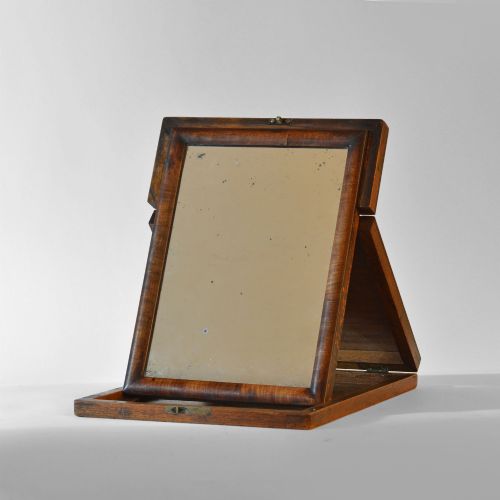
A victorian brass vanity mirror sits firmly on the table or dressing surface, bringing bright polished reflection and substantial metalwork to the room.
Victorian Brass Vanity Mirror
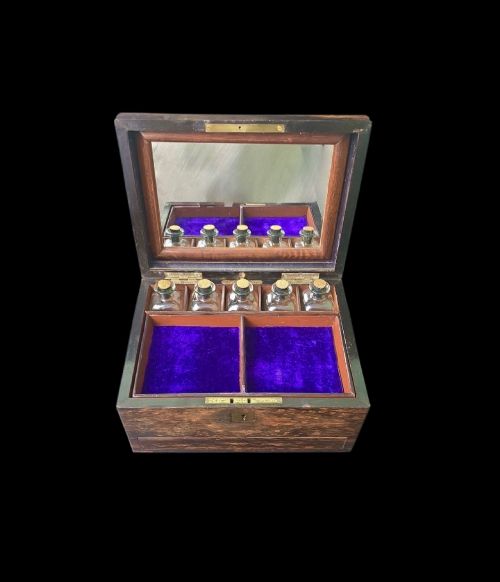
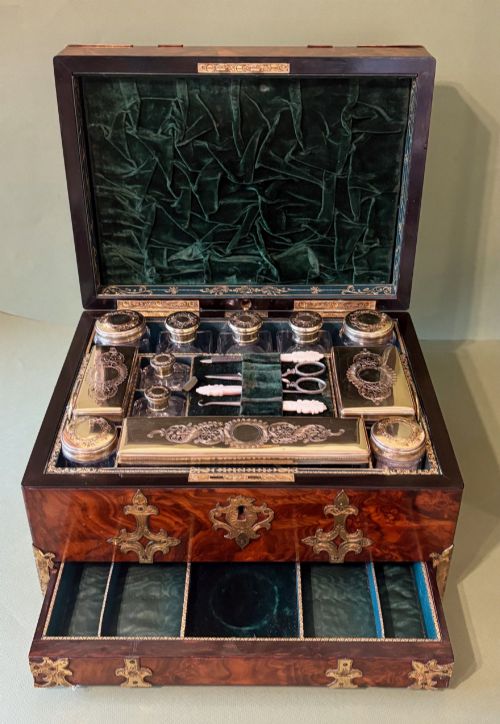
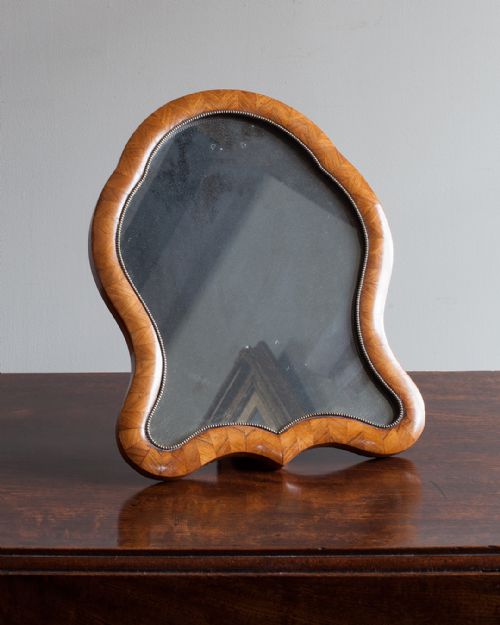
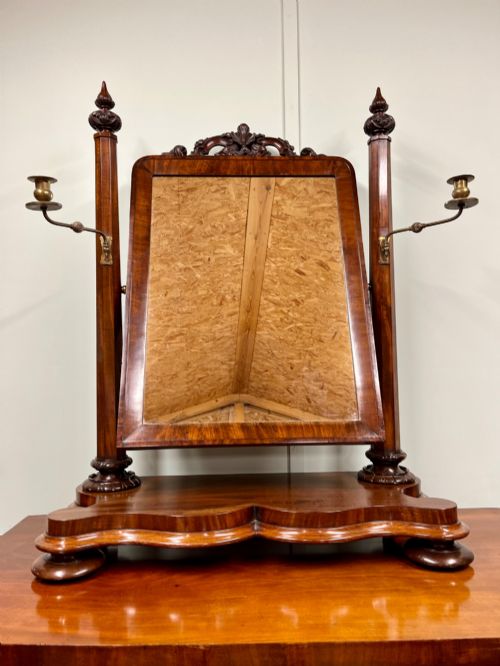
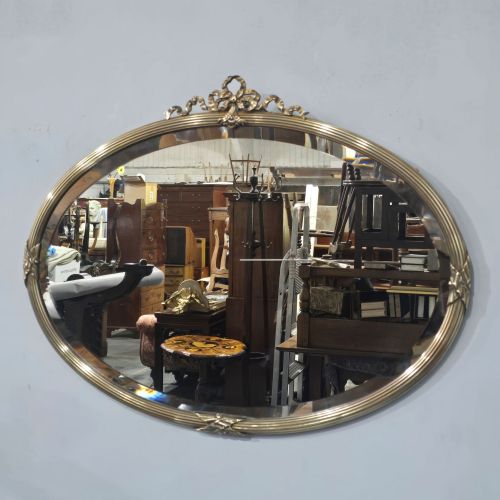
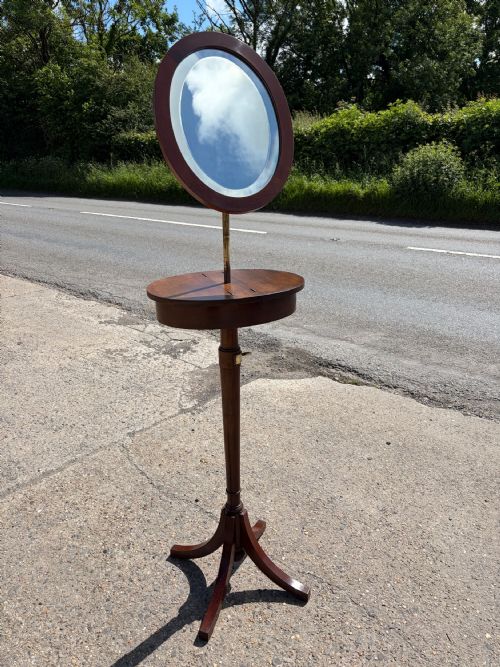
A victorian brass vanity mirror brings together polished metal frames and adjustable glass plates designed for everyday grooming and dressing tables. These objects appear in various forms, including table mirrors, dressing table mirrors, and shaving stands, often featuring pivoting or telescopic designs.
The materials span from solid cast and gilt brass to frames mounted on mahogany, walnut, kingwood, and oak stands. Many examples incorporate French styles such as Rococo Revival alongside simpler Victorian formats.
Buyers encounter oval and rectangular glass plates, some mounted on tripods or fitted with single drawers. The scale ranges from small table pieces to large standing toilet mirrors.
How they were made
Frames are cast or hand-embossed in brass, occasionally combining with gilt bronze, champleve, or ormolu details. Metal components are joined to wooden supports such as mahogany, walnut, and satinbirch.
Glass plates are cut and bevelled, held within secure metal bezels or wooden swing frames. Telescopic and adjustable mechanisms rely on tight brass fittings and threaded joints to maintain position.
Victorian Brass Vanity Mirror Retail Price Guide 2026
Typical asking prices for victorian brass vanity mirror among the pieces listed under this phrase on Sellingantiques today, from the lower quarter to the upper quarter. They describe what is for sale here now, not the wider market.
What varies in quality
Quality rests in the weight and crispness of the brass casting, particularly where masks, cherubs, or intricate scrollwork adorn the crest. Superior examples display clean bevelling on the mirror glass and finely figured secondary woods like kingwood or burr walnut.
The precision of the mechanical adjustment defines the better pieces. Telescopic shafts and swivel hinges that hold their angle without slipping demonstrate superior craftsmanship.
Thomas Rubergall·Joseph Meissonnier
The Victorian Brass Vanity Mirror Glossary
- Toilet mirror
- A smaller mirror designed to sit on a dressing table or chest of drawers. These often feature swing frames supported by upright arms.
- Telescopic shaving mirror
- A piece fitted with an extendable vertical shaft allowing the glass height to be adjusted. They frequently stand on tripod bases.
- Champleve
- An enamelling technique where trenches are scooped into a metal surface and filled with vitreous colour before firing. It appears on French table mirrors.
- Swing mirror
- A glass plate hung on pivots between two upright posts so it can tilt. This allows the user to alter the angle of reflection.
- Bevelled glass
- A mirror plate with edges cut and polished at an angle. This creates a framed effect within the glass itself.
Victorian Brass Vanity Mirror: Frequently Asked Questions
How do I adjust a telescopic mirror?
Telescopic mirrors adjust by sliding the central vertical brass shaft up or down to the desired height. Many models use a thumb screw or friction collar to lock the position in place.
Care should be taken when adjusting older brass fittings to avoid straining the metal or the base. Hold the upright steady with one hand while moving the mirror plate with the other.
Where were these mirrors placed?
These mirrors sat on dressing tables, wash stands, and chests of drawers in bedrooms and dressing rooms. Shaving stands stood beside washbasins or on tables for grooming.
Wall hanging versions were mounted directly in hallways or bedrooms using integrated brass loops or brackets.
How do I clean a brass frame?
Brass frames benefit from gentle dusting with a soft, dry cloth to remove surface particles. Avoid harsh chemical polishes that can strip original patination or damage adjacent wood and glass.
If the glass requires cleaning, apply standard glass cleaner to a cloth rather than spraying directly near the metal frame or wooden backing.
How do I tell an earlier mirror from a later one?
Earlier pieces from the mid nineteenth century often feature heavy mahogany or walnut stands with hand-turned supports and simple brass mounts. Later nineteenth and early twentieth century examples lean towards French influences, cast brass frames, and varied wood species like satinbirch or kingwood.
Examining the construction of the joints and the cut of the mirror glass helps indicate the manufacturing period.