



Victorian Brass Taper Holders
Victorian brass taper holders are small, practical domestic objects designed for lighting pipes, lamps and fires, combining utility with nineteenth-century decorative craft.
Victorian Brass Taper Holders
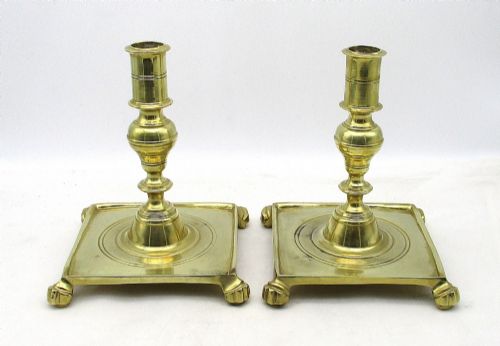
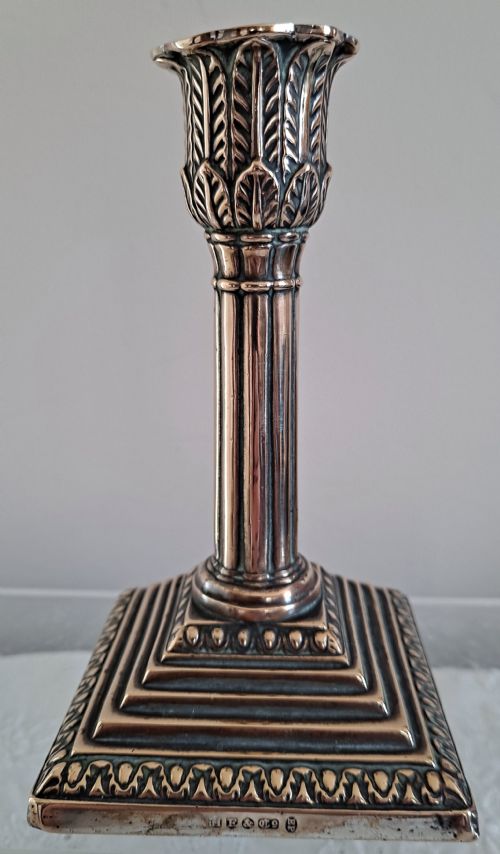
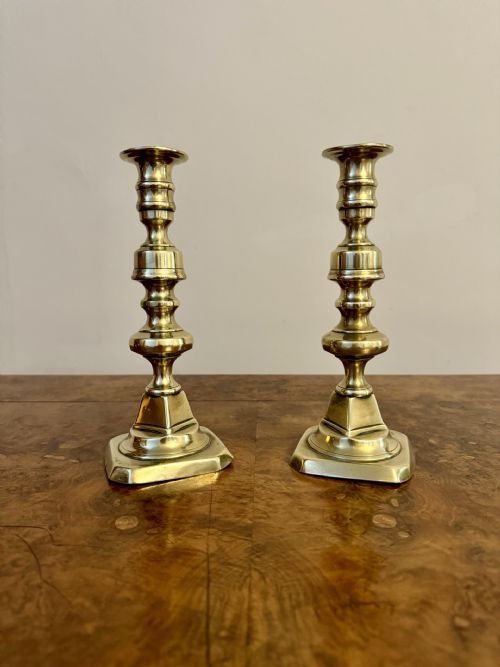
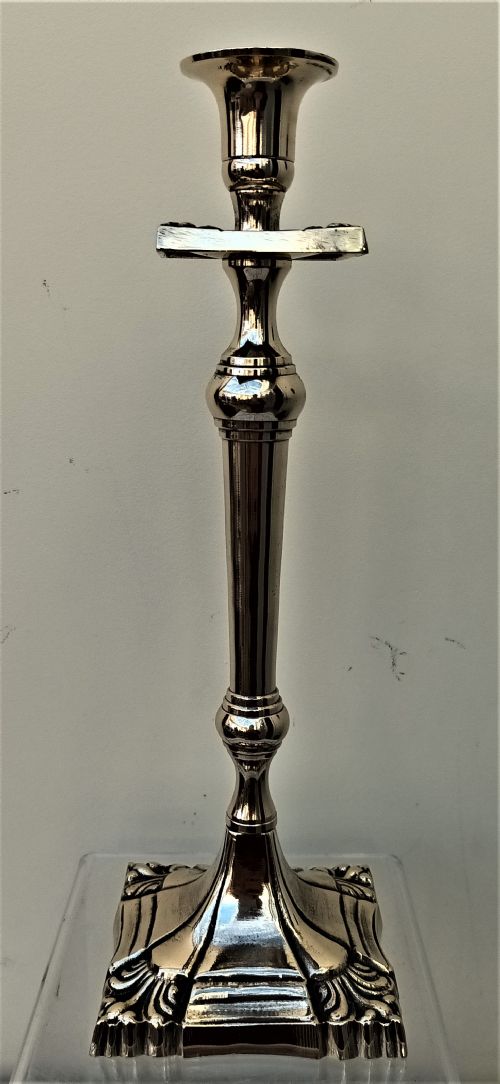
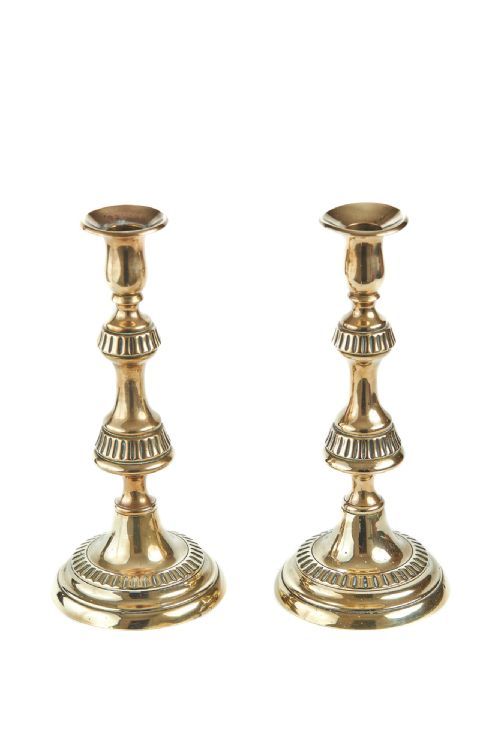
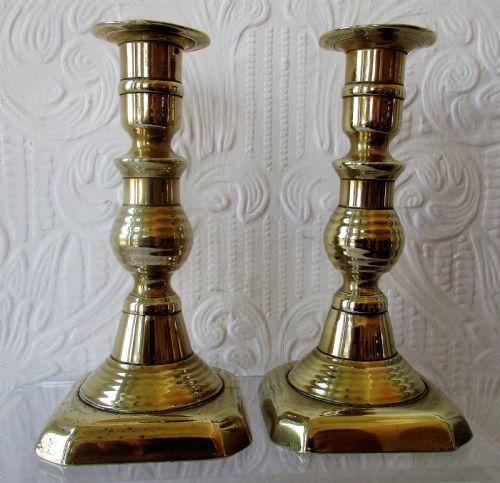
Victorian brass taper holders appear primarily as small desk candlesticks, chambersticks and short stems spanning the nineteenth and early twentieth centuries. The selection centres on nineteenth-century examples alongside Edwardian and Regency pieces, with brass forming the principal material alongside bronze, copper and silver plate.
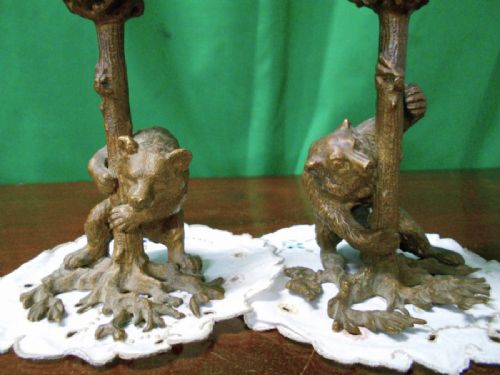
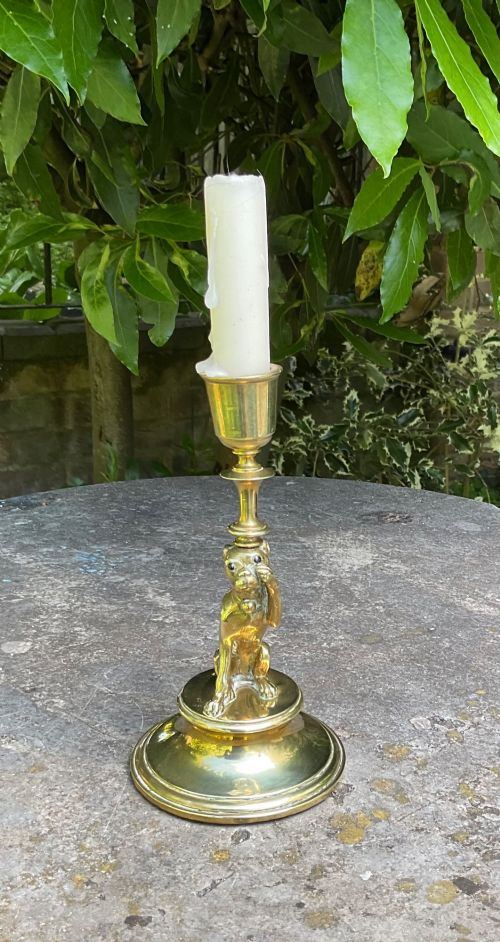
Makers and designers produced varied forms ranging from plain utilitarian stems to ornate Gothic Revival, Neoclassical and novelty animal figures. Buyers encounter matched pairs and single items spanning the period from eighteen fifty to nineteen twenty.
The objects served a daily purpose in domestic interiors, holding short wax tapers rather than heavy lighting candles. Surviving examples reflect the shifting tastes of the period, from simple turned brass to elaborate cast ornamentation.
Materials and construction
Foundry work relied on cast and spun brass, often finished with turned details on lathes to create crisp mouldings along the stem. Bronze and copper also appear, alongside silver plating applied over base metal foundations.
Decoration incorporated applied elements, piercing and surface chasing, sometimes combined with porcelain inserts, glass drops or cloisonné enamel work. Seamed construction methods mark out pieces formed from sheet metal joined before finishing.
Listings include materials spanning brass, bronze, silver plate, copper, porcelain, cast brass, gilt brass and glass.
Design and manufacture
Quality rests in the crispness of the casting and the weight of the metal used in the stem and base. Heavier, thicker brass and well-defined decorative motifs distinguish superior work from simpler commercial output.
Detailing on specialised forms, such as animal figures or Gothic tracery, separates standard production from finer decorative pieces. The precision of the turning and the integrity of the original surface finish determine the standing of each item.
Frederick J Smith And Co·Wm Tonks And Sons
The Victorian Brass Taper Holders Glossary
- Chamberstick
- A short candlestick fitted with a pan to catch wax and a handle for carrying from room to room.
- Taper
- A thin wax-coated string or spill used for transferring a flame from a fire or lamp.
- Gothic Revival
- A nineteenth-century architectural and decorative style drawing on medieval forms, arches and ecclesiastical motifs.
- Seamed brass
- Metal rolled into a tube and joined along a seam, common in earlier manufactured hollowware before seamless extrusion.
- Cloisonné
- An enamelling technique where metal wire creates cells on a surface to hold coloured glass paste before firing.
Victorian Brass Taper Holders: Frequently Asked Questions
What is a taper holder?
A taper holder is a small domestic candlestick intended for thin wax tapers rather than standard lighting candles.
These pieces were kept on desks or carried by hand to light lamps and fires.
How do I date brass candlesticks?
Dating relies on stylistic clues, manufacturing marks and the construction methods visible on the base and stem.
Nineteenth-century examples often show seamed construction and hand-finished turning details distinct from later machine production.
Were these used for lighting rooms?
They were primarily employed for localized tasks like lighting pipes or sealing wax on letters.
Heavier chambersticks provided portable light for navigating darkened hallways at night.
What styles are common in brass?
Common styles span plain Georgian shapes, ornate Victorian ornamentation and Gothic Revival designs.
Makers also produced novelty animal figures and Neoclassical revival pieces during the later nineteenth century.