





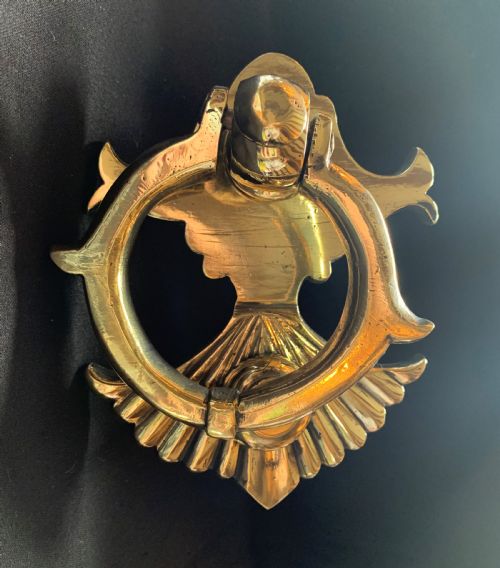


Victorian Brass Rings
Victorian brass rings name small metal suspension loops and decorative fittings found upon domestic items from the nineteenth century.
Victorian Brass Rings
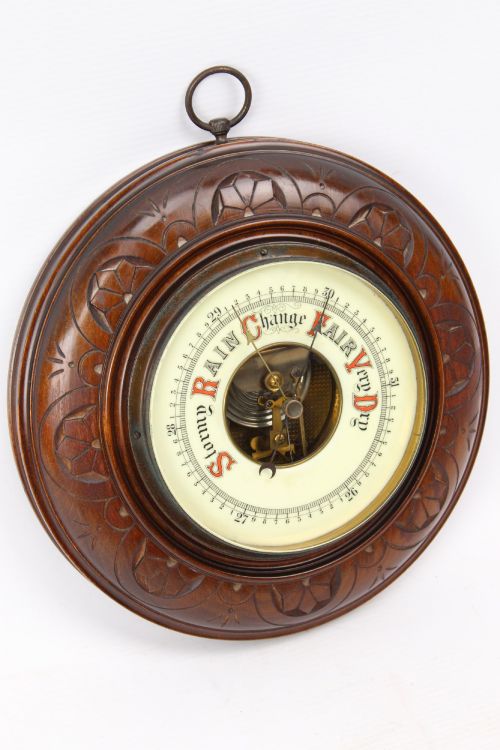
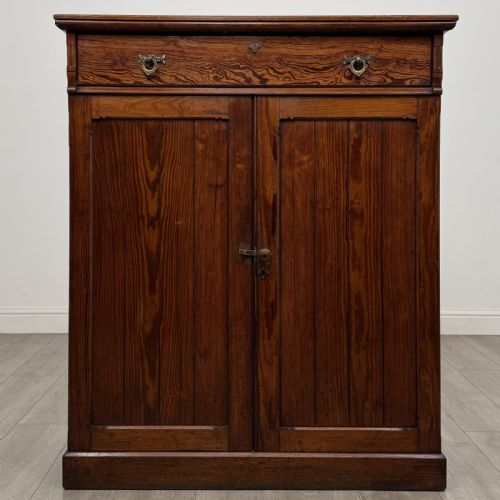
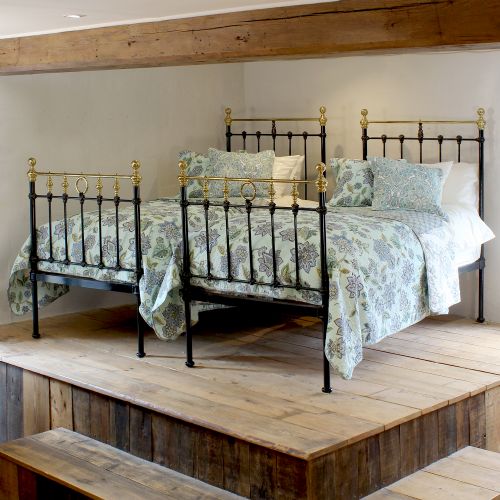
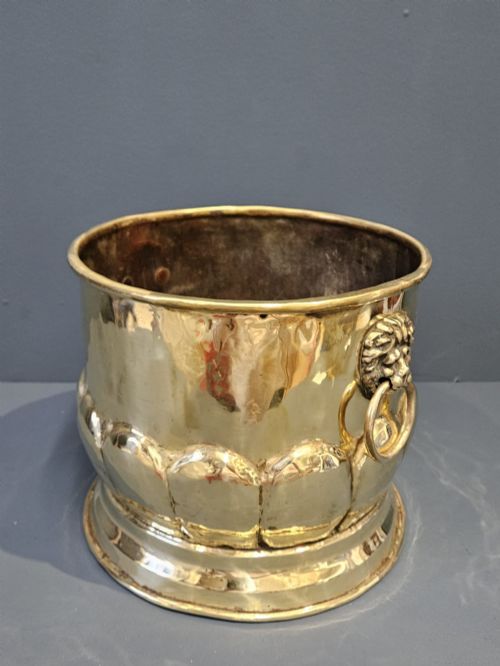
Victorian brass rings appear primarily as functional elements on household objects rather than standalone jewellery in this collection. One encounters them attached to mantel clocks, door knockers, dog collars, and furniture such as chests of drawers and beds.
The objects bearing these metal loops date from the nineteenth century, spanning decades such as eighteen fifty, eighteen eighty, and nineteen hundred. Styles range from plain Victorian to Victorian Gothic, Regency Revival, and Arts and Crafts.
Most pieces originate from English workshops, utilising brass alongside materials like mahogany, wood, steel, marble, and glass. The rings themselves serve to lift, hang, or pull the larger item to which they are fixed.
Materials and construction methods
Makers shaped the rings using cast or wrought brass, often pairing the metal with dense timbers like mahogany and walnut, or housing delicate timepieces beneath glass domes. Cast iron and gilt-metal also support these metallic components.
Construction involves securely mounting the brass loops to heavier frames, cabinetry, or leather work such as dog collars. Surface treatments include polishing and embossing to accentuate the warm tone of the metal.
Victorian Brass Rings Retail Price Guide 2026
Typical asking prices for victorian brass rings among the pieces listed under this phrase on Sellingantiques today, from the lower quarter to the upper quarter. They describe what is for sale here now, not the wider market.
Listings feature nineteenth-century items incorporating brass, glass, mahogany, marble, and velvet across various revival styles.
Assessing quality in metalwork and mounts
Quality rests in the precision of the casting and how firmly the ring is integrated into the host object. Finer pieces demonstrate crisp detail in the surrounding brass work and robust mounting that withstands repeated handling.
The condition of the metal surface and the integrity of the object holding the ring dictate the standing of the piece. Superior examples maintain their original fixings and exhibit harmonious proportions between the loop and the main body.
Thwaites of London·Winterhalder and Hofmeier·Thomas Malby
The Victorian Brass Rings Glossary
- Brass
- An alloy of copper and zinc used extensively for nineteenth-century hardware and decorative fittings. It provides a bright golden appearance when polished.
- Skeleton clock
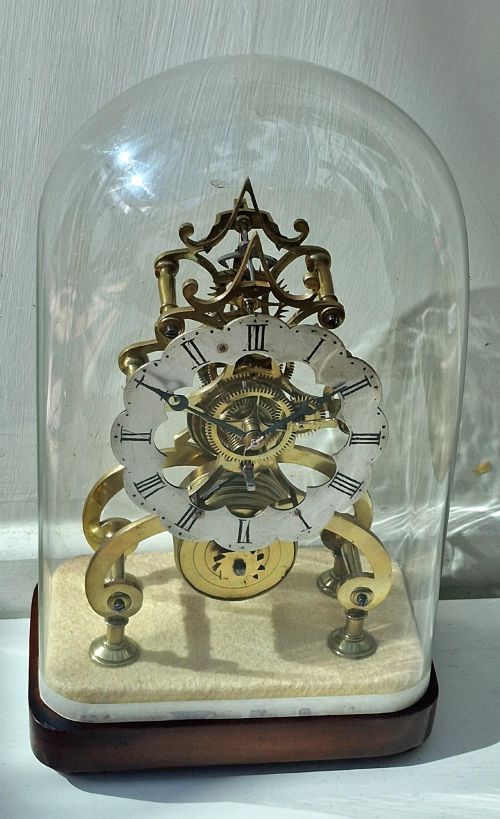
- A timepiece designed with exposed wheelwork and plates, often displayed beneath a glass dome. Many nineteenth-century examples incorporate brass components.
- Chamber stick
- A short portable candlestick fitted with a handle and a small saucer base. They frequently include a brass ring for carrying.
- Dog collar
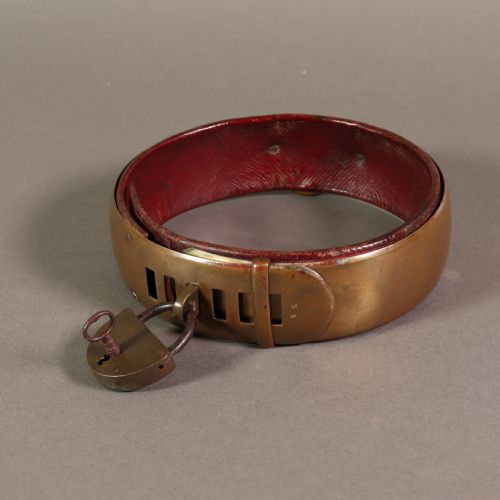
- A neckband made of leather or metal, historical examples often featuring brass rings and plates. They reflect period canine accessories.
- Fusee
- A conical pulley used in clock movements to maintain equal driving power as the mainspring unwinds. This mechanism appears in nineteenth-century English timepieces.
Victorian Brass Rings: Frequently Asked Questions
What objects typically feature brass rings?
These metal loops appear on a diverse array of nineteenth-century furnishings and utility items. One finds them mounted on clock cases, door knockers, furniture drawers, and heavy leather dog collars.
They act as functional handles or attachment points rather than decorative additions on their own. Their presence helps identify the mechanical and domestic hardware of the period.
How do I date items with brass rings?
Dating relies on the style of the object carrying the ring, the manufacturing techniques used on the brass, and associated period markers. Nineteenth-century pieces often display specific revival styles like Victorian Gothic or Regency Revival.
Examining the underlying timber, such as mahogany or walnut, and the method of casting provides further chronological clues. Comparative study of similar hardware helps narrow down the decades.
Were these rings used as jewellery?
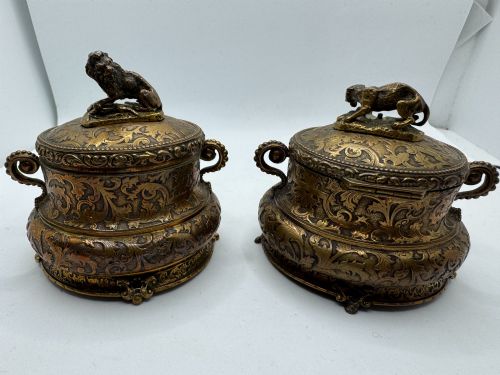
The listings show these brass rings primarily as structural or handling fixtures on domestic items rather than items for personal adornment. They serve on clocks, caskets, and chests of drawers.
While jewellery boxes and caskets appear in the inventory, the rings themselves function as carrying handles or pulls. They belong to the broader category of nineteenth-century metal hardware.
How should I care for antique brass?
Maintaining nineteenth-century brass involves dusting with a soft, dry cloth and avoiding harsh chemical polishes that strip historical patination. Gentle care preserves the surface texture built up over the decades.
Keep the metal away from excessive moisture and humidity to prevent corrosion. The surrounding materials, such as wood or glass domes, require their own appropriate conservation.