
Victorian Brass Hearth Accessory
These victorian brass hearth accessory pieces bring warmth and functional shine to domestic fire-surrounds.
Victorian Brass Hearth Accessory
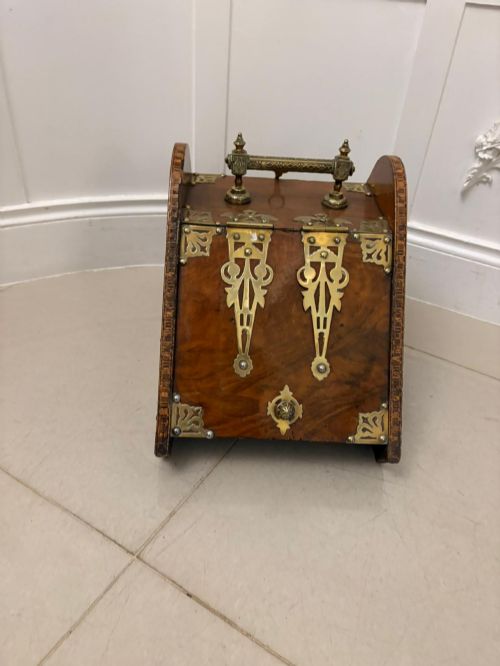
A victorian brass hearth accessory encompasses the functional and decorative metalwork placed around nineteenth-century fireplaces, including coal scuttles, andirons, fire irons, and fenders. Buyers searching for a victorian brass hearth accessory typically encounter items designed to manage fuel, contain ash, or protect the room from sparks.
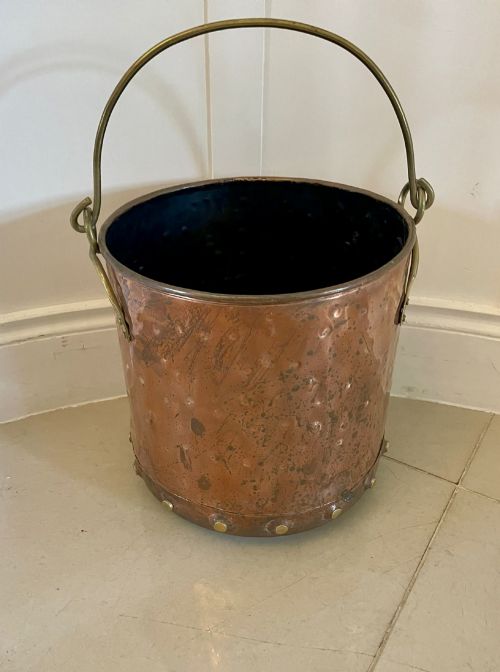
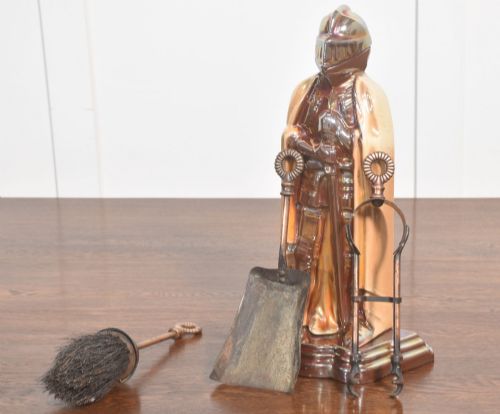
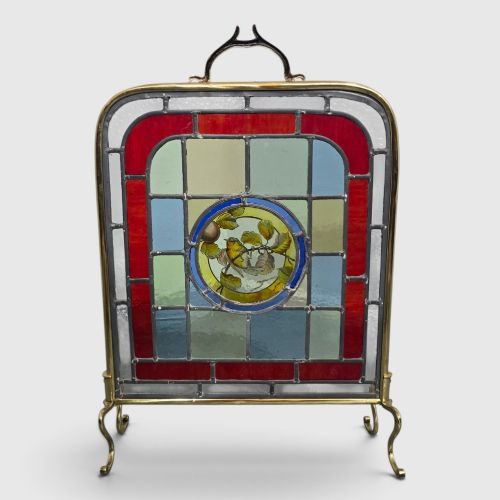
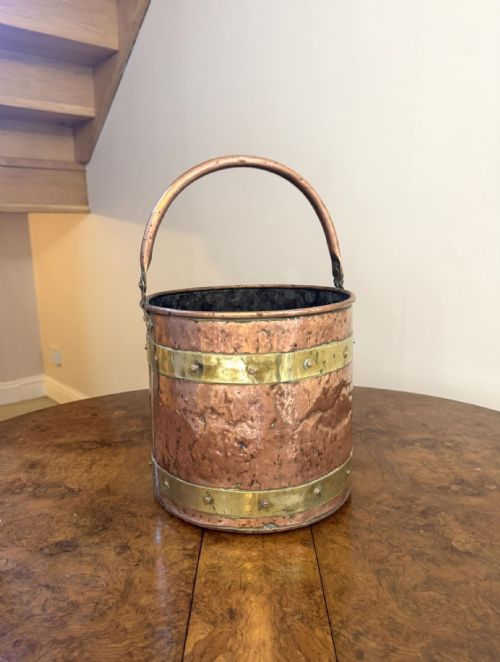
The objects appearing on this page span coal buckets, fire screens, footmen, and companion sets alongside supporting ironwork. Most pieces date from the nineteenth century, reflecting the heavy domestic use of open fires during the Victorian period.
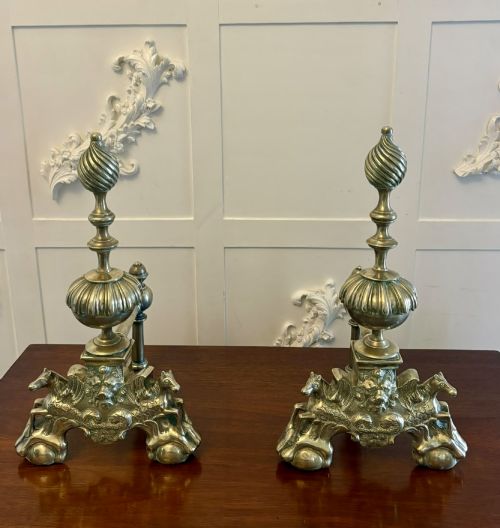
Forms vary from utilitarian coal helmets to decorative pierced fenders and cast brass andirons. These items originated in English, French, and Dutch domestic settings, capturing diverse stylistic influences from Gothic Revival to Aesthetic Movement.
How they were made
Makers utilised cast and sheet brass combined with iron, steel, and copper to create durable hearth equipment. Metal was shaped through casting, hammering, and piercing, often enhanced with hand-finishing.
Composite pieces frequently joined iron or steel rods with brass handles, mounts, and finials to balance structural strength with decorative brightness.
Listings feature brass combined with copper, iron, steel, and oak across Victorian, Edwardian, and Arts and Crafts periods.
What varies in quality
Quality rests in the weight of the casting and the crispness of applied detail, distinguishing substantial architectural items from lighter production pieces. Heavier gauge brass and deeply chased or pierced decoration mark the upper tier of manufacture.
The integrity of assembly, such as the snug fit of banded copper buckets or the rigid alignment of fire irons, separates standard utility items from finer workshop pieces.
Thomas Jeckyll·William Tonks
The Victorian Brass Hearth Accessory Glossary
- Andiron
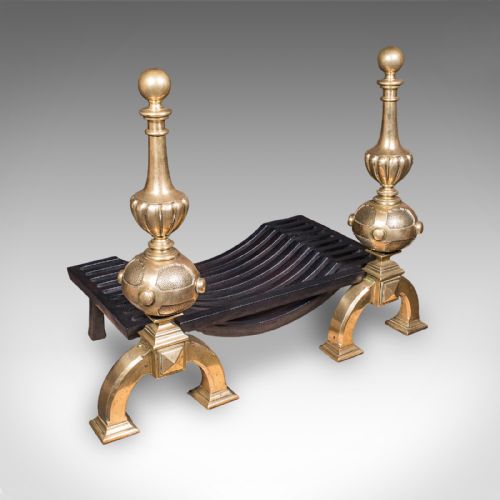
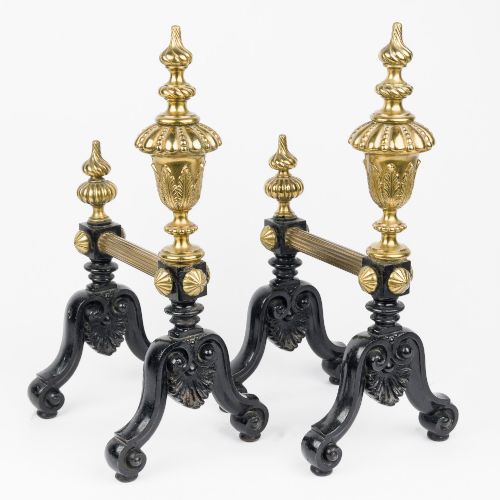
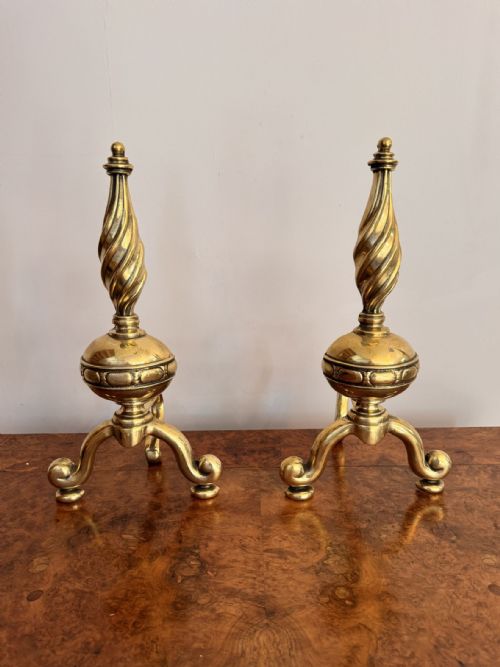
- A horizontal metal support raised on legs, used to hold logs in an open fireplace. Pairs of these items often feature decorative cast brass terminals.
- Fender
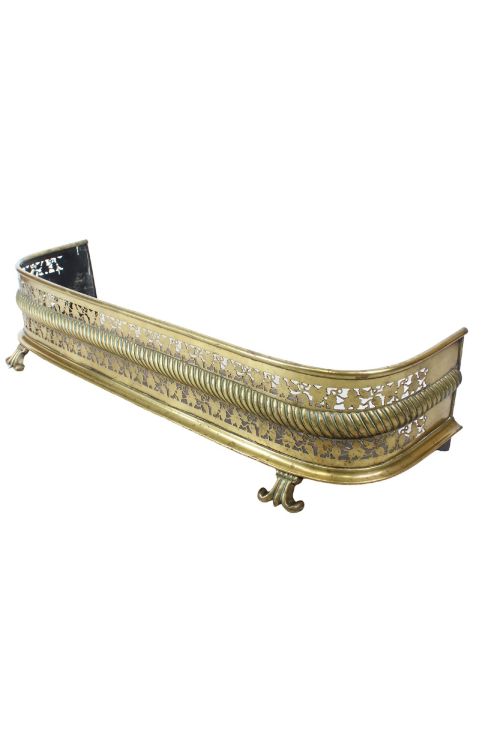
- A low metal guard placed on the hearth in front of a fireplace to contain coal embers. Pierced brass versions sit flat against the floor.
- Companion set
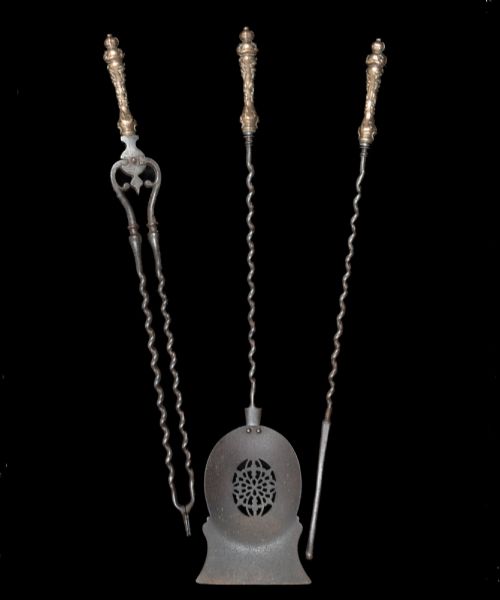
- A matched group of fireside tools usually comprising a poker, tongs, shovel, and brush. These sets hang from a dedicated stand or rest on tool rests.
- Foot stove
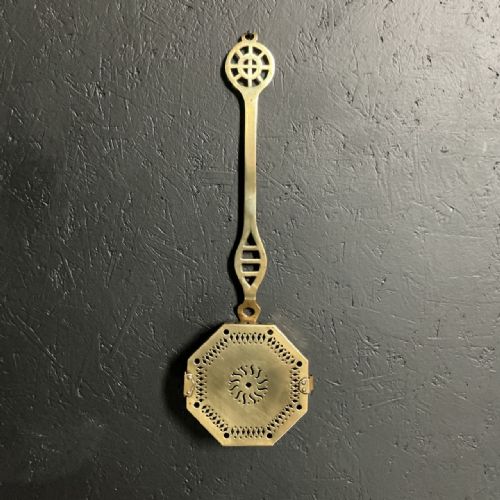
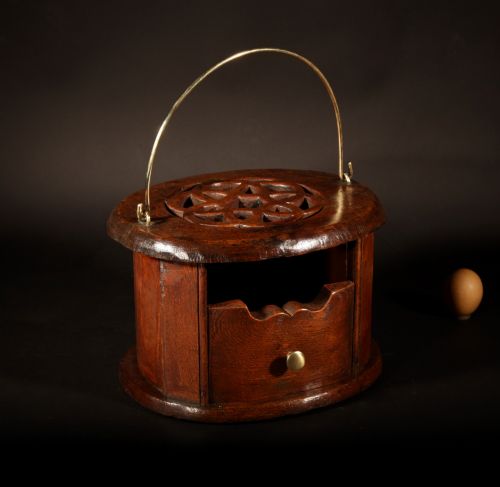
- A small enclosed box, typically made of wood with pierced metal panels, filled with hot coals to warm the feet. Dutch examples often display carved knot patterns on top.
Victorian Brass Hearth Accessory: Frequently Asked Questions
What is a brass hearth accessory?
A brass hearth accessory is any functional or decorative metal object used around a nineteenth-century fireplace. This category includes coal buckets, fire dogs, and tool sets.
These pieces combined utility with polished display, serving the daily management of open coal and wood fires.
How were coal scuttles used?
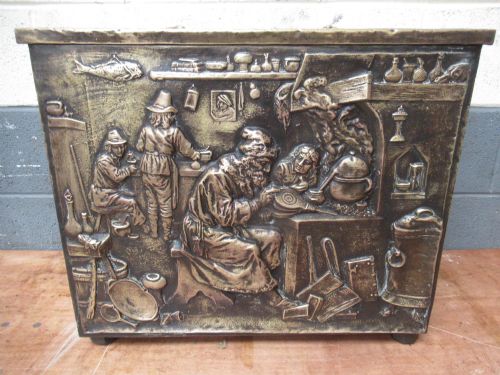
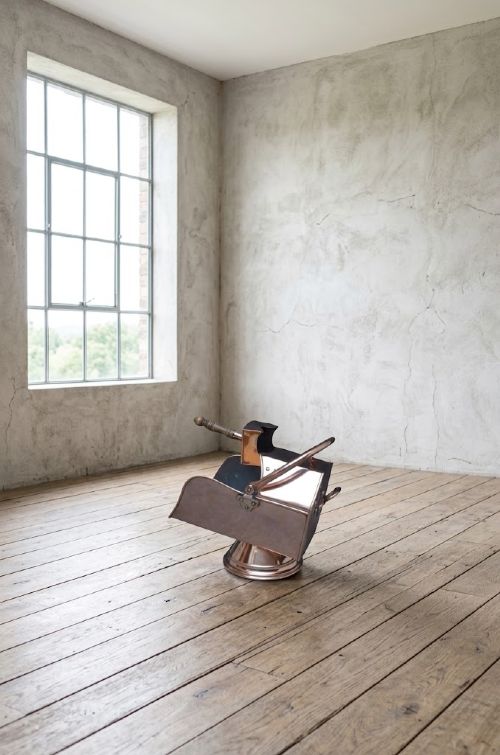
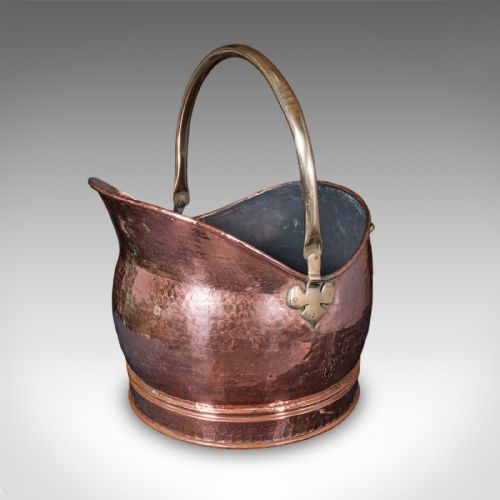
Coal scuttles held the solid fuel supply next to the fireplace for easy refuelling throughout the day. Designs like helmet scuttles included hinged lids and shaped spouts for pouring coal directly onto flames.
Many featured internal metal liners and brass swing handles to assist with carrying heavy loads of coal from the cellar.
How do I clean antique brass?
Antique brass generally retains character through unpolished or gently cleaned patinas developed over decades of domestic use. Harsh chemical cleaners strip the aged surface warmth that collectors value.
Dusting with a soft cloth preserves the metal without removing the subtle traces of historic handling.
What distinguishes Aesthetic Movement pieces?
Aesthetic Movement hearth pieces display simplified, nature-inspired motifs that broke away from heavy Victorian revival styles. They emphasise clean lines and thoughtful craftsmanship.
Sunflower designs and geometric framing frequently appear on items produced under this stylistic influence.