
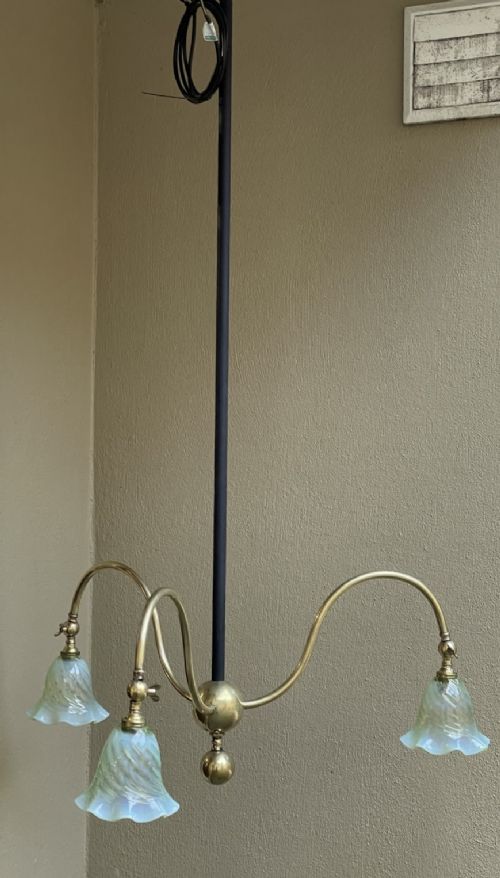
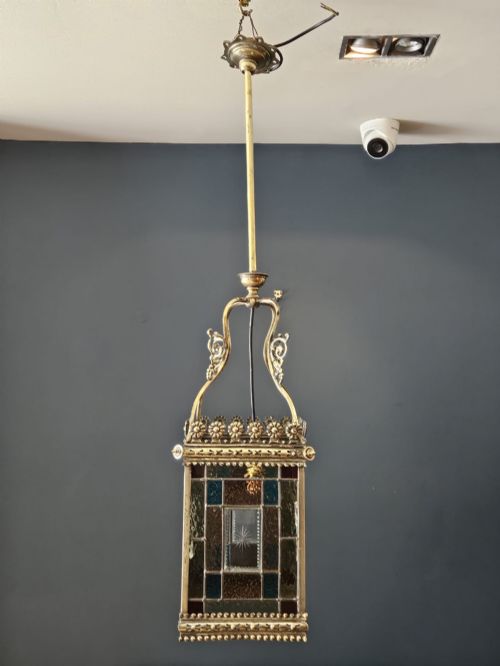
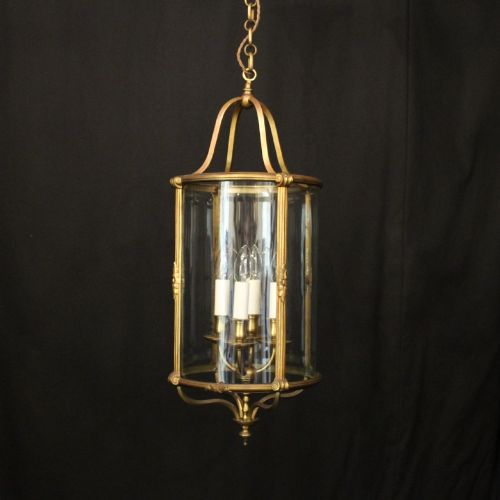
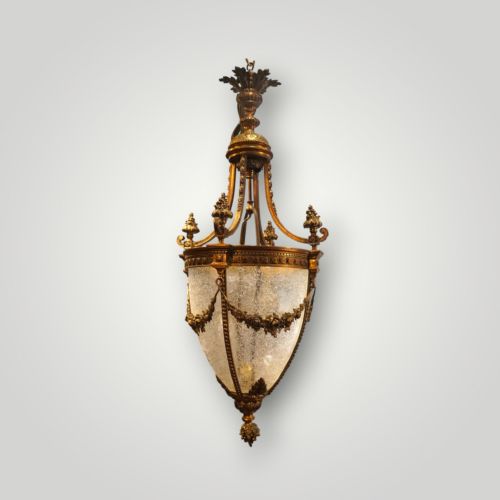


Victorian Brass Hall Light
A victorian brass hall light brings warm illumination and period character to an entrance, offering guests a traditional welcome.
Victorian Brass Hall Light
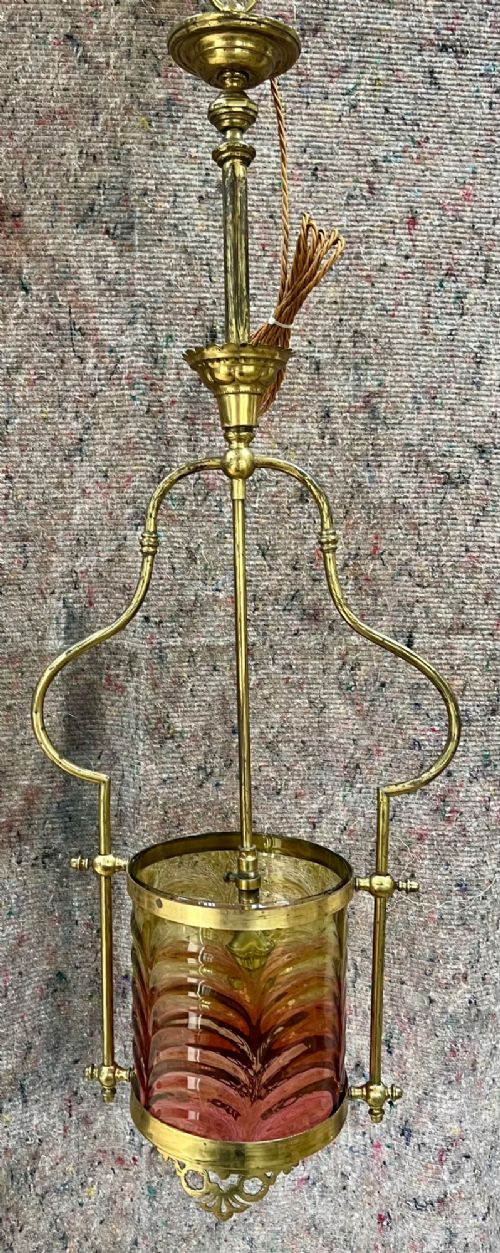
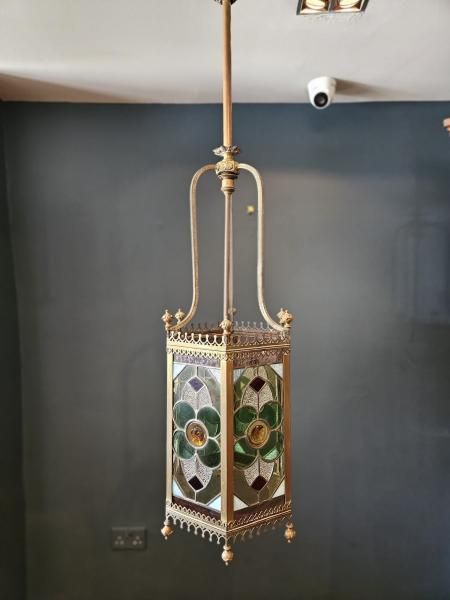
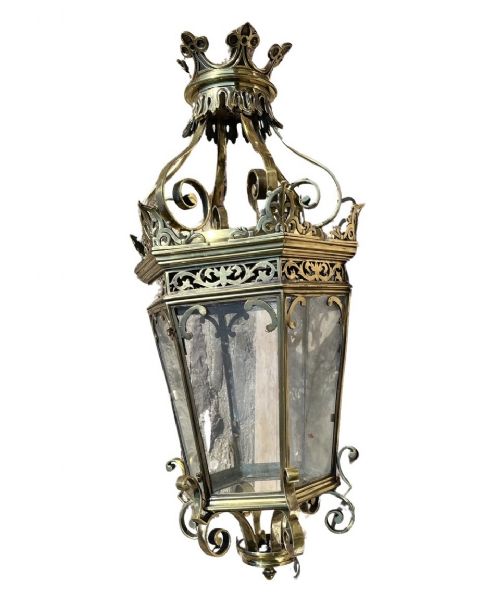
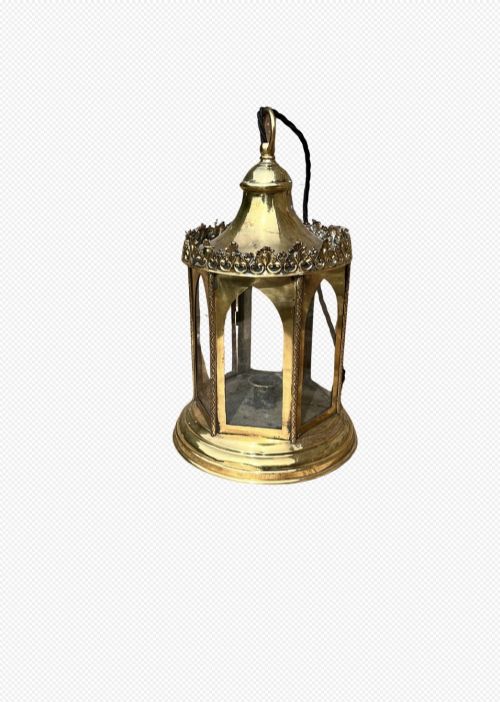
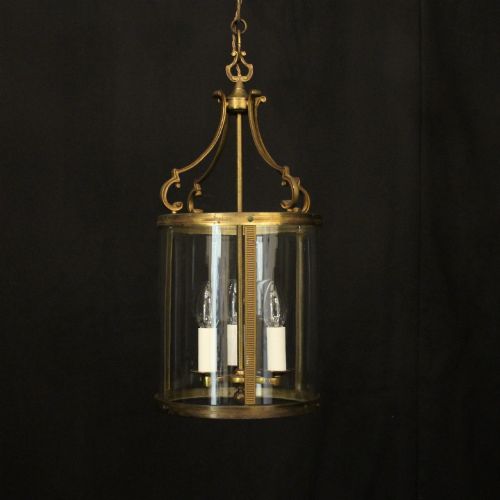
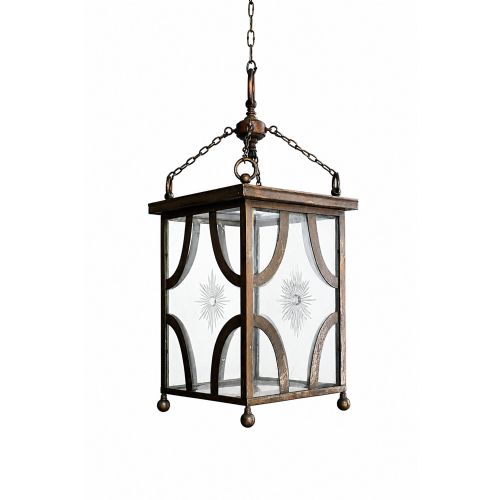
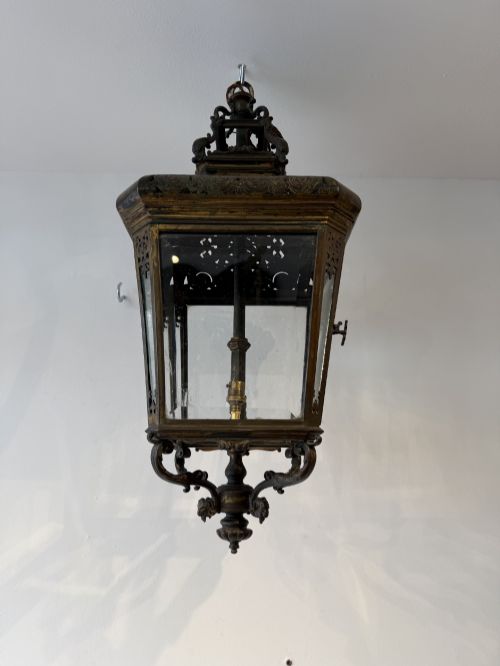
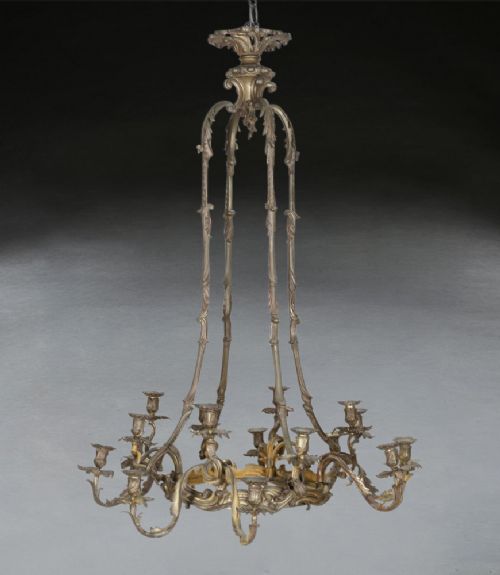
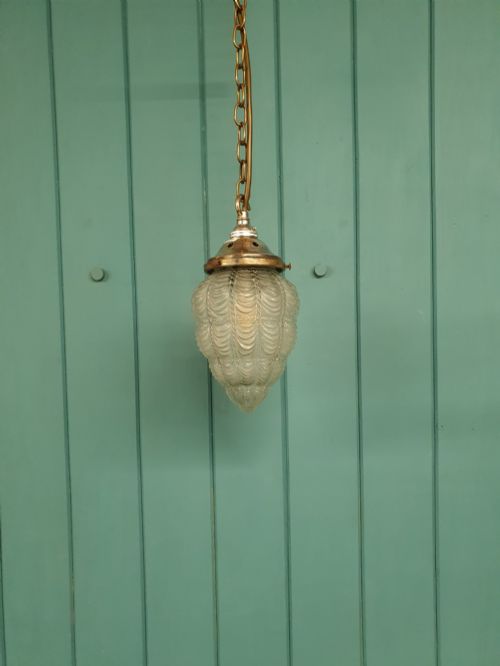
A victorian brass hall light is typically encountered as a hanging lantern, pendant, or ceiling light designed specifically for narrow entrance spaces and corridors. The pieces appearing here span the nineteenth century into the Edwardian era, incorporating styles such as Gothic Revival, French Rococo, and Arts and Crafts alongside standard Victorian designs.
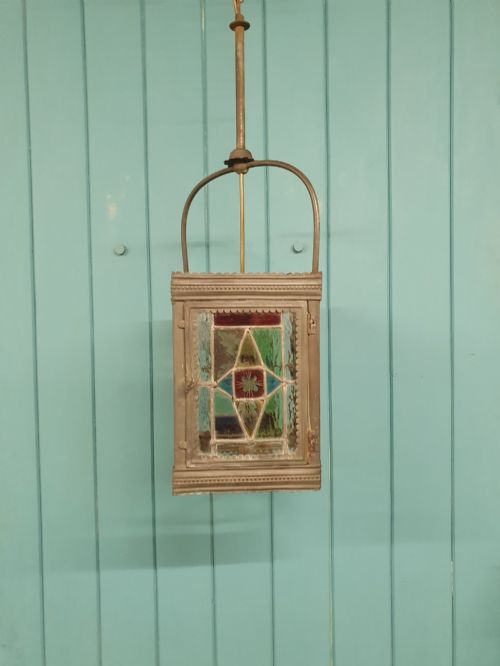
Hexagonal and square brass frames dominate the selection, often fitted with bevelled, leaded, or coloured glass panels that diffuse light downward. Larger examples accommodate multiple internal lights or take the form of substantial hall lanterns suitable for country houses and town halls.
Materials and Construction
Makers constructed these fixtures using cast and sheet brass, frequently combined with bronze, gilt bronze, or wrought iron for structural support and decorative detailing. Metal frames were soldered or screwed together to house hand-blown, leaded, or opaline glass panels.
Surface treatments range from polished brass and gilded finishes to patinated bronze and dark metalwork, occasionally complemented by etched or diamond-cut glass shades.
Several lanterns include tiny hinged side doors originally designed so servants could relight candles without dismantling the entire fixture.
Assessing Craftsmanship
Quality rests in the weight of the metal casting, the crispness of decorative chasing, and the structural integrity of the frame. Superior examples feature heavier gauge brass, precise glass cutting, and well-integrated opening doors for maintenance.
The sophistication of stylistic execution also dictates standard, moving from simple utilitarian corridor lights to ornate French-influenced gilt bronze lanterns with complex glazing.
Perry & Co
The Victorian Brass Hall Light Glossary
- Hall lantern
- An enclosed hanging light designed for entrances and corridors. These fixtures usually feature glass panels held within a metal framework to protect the flame or bulb from draughts.
- Gilt bronze
- Bronze metal treated with a thin layer of gold or gold-coloured alloy. This technique provides a rich, durable surface finish often found on decorative French lighting.
- Leaded glass
- Small panes of glass joined together by lead cames to form geometric or decorative patterns. This method allows curved or multifaceted lantern shapes to be constructed securely.
- Opaline glass
- A milky, translucent white glass that softens illumination and reduces glare. It appears frequently in Victorian pendant lights and shades.
- Gothic Revival
- An architectural and decorative style drawing inspiration from medieval forms. Pieces in this manner often display pointed arches and heavy metal tracery.
Victorian Brass Hall Light: Frequently Asked Questions
How do I hang a heavy brass lantern safely?
Hanging a heavy brass lantern requires securing the fixture directly into ceiling joists or using a substantial ceiling hook rated for the weight of the metal and glass. Electrical wiring should also be checked and supported independently by a proper chain or cord.
Consulting a qualified electrician ensures the installation complies with current safety standards and properly supports the combined weight of the brass frame and glass panels.
Can these antique lights be rewired for modern bulbs?
Most antique hall lights can be safely rewired to accept standard modern lamp holders while retaining their historic appearance. Rewiring allows you to use energy-efficient LED bulbs that emit less heat, protecting fragile historic glass and internal metal components.
Professional restorers can update the internal wiring without altering the exterior brass or bronze structure, preserving the authenticity of the piece.
How do I clean brass and glass on a hall light?
Cleaning requires dusting the brass gently with a soft cloth and washing glass panels with a mild detergent solution. Avoid harsh chemical polishes that can strip away the aged patina built up over decades.
Maintaining the original surface finish preserves the character of the metalwork, ensuring the piece retains its historic visual appeal.
What is the difference between a hall lantern and a pendant?
A hall lantern is typically an enclosed, glazed box or hexagonal frame designed to shield the light source from all sides. A pendant light often suspends an open shade or single bulb beneath a ceiling canopy.
Lanterns suit narrow entranceways where vertical protection and directional downward illumination are primary considerations.