




Victorian Brass Door Knocker
A victorian brass door knocker brings genuine period weight and character to an entrance, spanning formal neoclassical revival motifs to whimsical maritime designs.
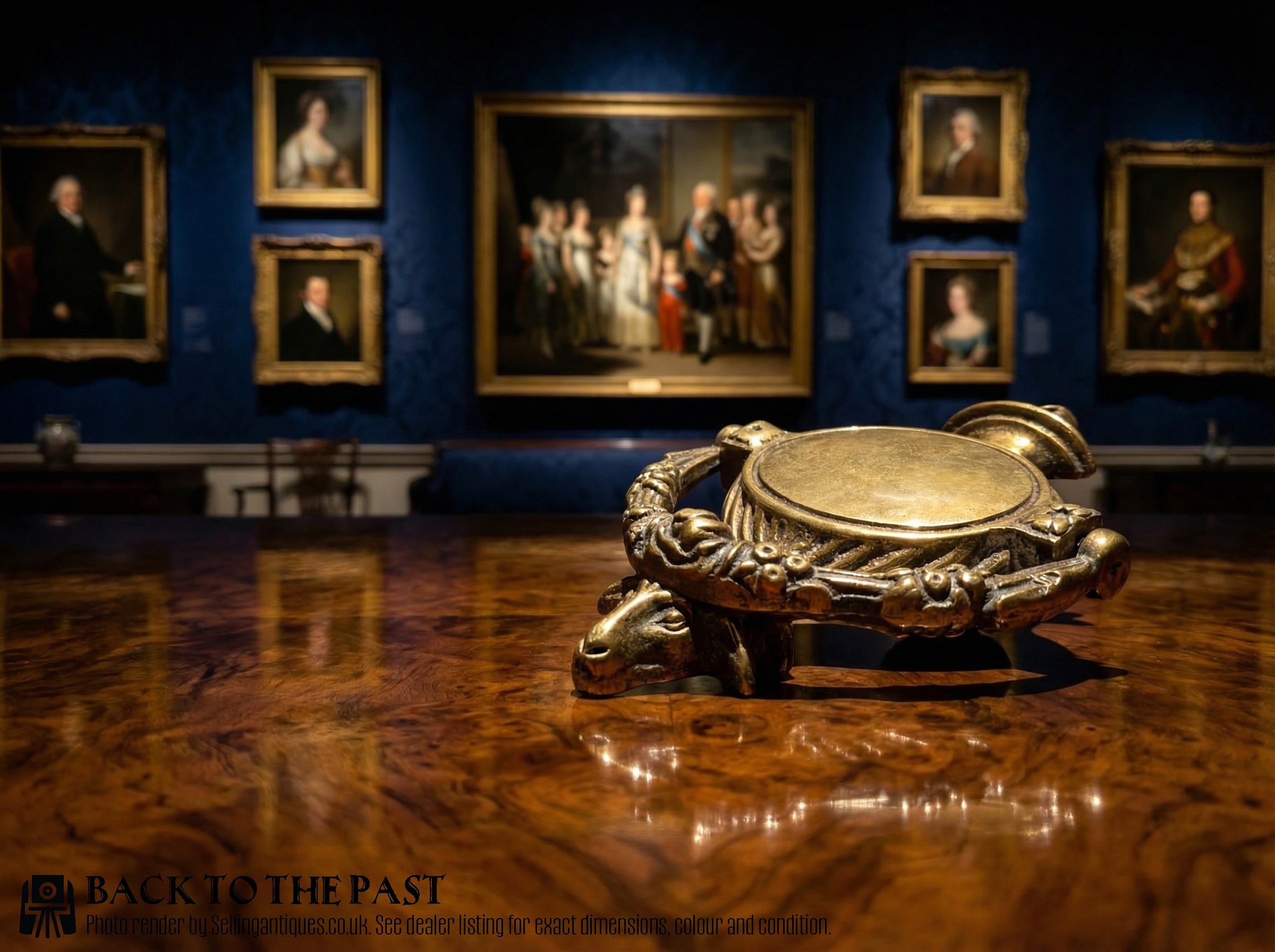
Victorian Brass Door Knocker
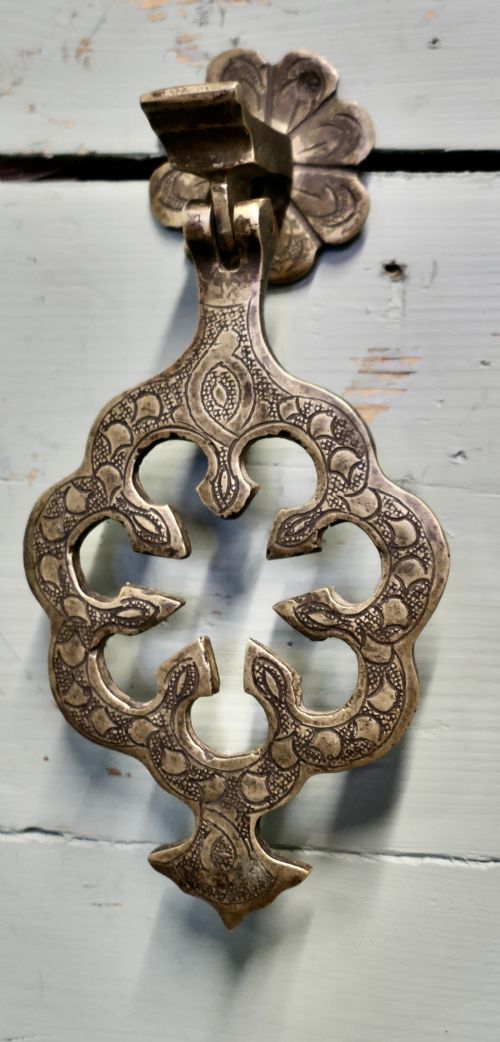
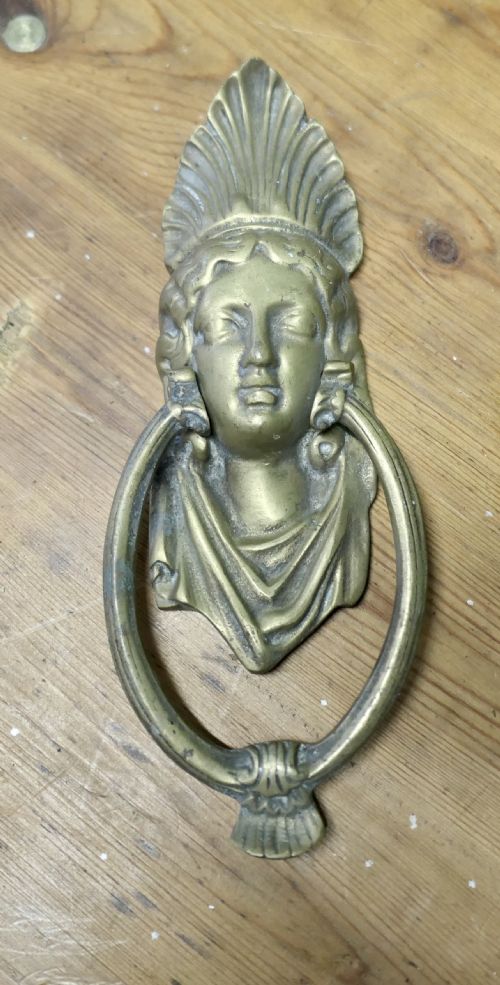
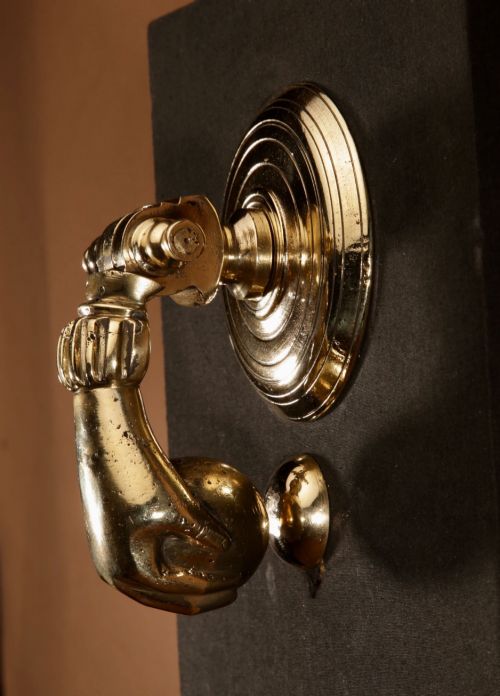
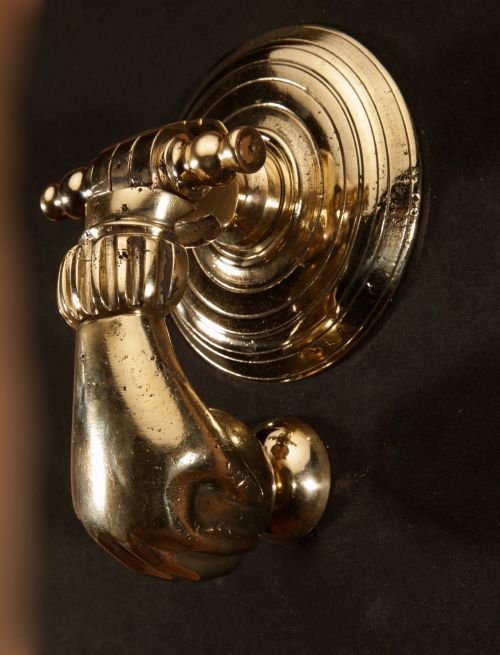
A victorian brass door knocker is an architectural hardware piece designed to mount on an entrance door, serving both a functional purpose and a decorative role. These items range from simple urn forms to sculptural figures like hands, lions, dolphins, and mythical creatures.
The versions most commonly met on this page date from the nineteenth century, often reflecting Victorian, Gothic, or Neoclassical taste. Many examples combine the knocker with a matching striking plate, letterbox, or pull handle.
Makers drew on diverse design vocabularies, producing everything from strict classical revivals to maritime anchors and playful novelties like elves and imps. They range from modest domestic hardware to substantial, heavy castings meant for grander townhouses.

How They Were Made
Foundry work defined the creation of these pieces, utilising brass, solid brass, cast brass, and bronze poured into moulds to achieve crisp sculptural relief. Artisans finished these metal castings through filing, polishing, and sometimes incorporating iron elements for structural strength.
The surface finish relies heavily on the alloy used, with polished bronze and solid brass yielding distinct patinas that develop through age and handling. Pierced work and fine chased details required skilled hand-finishing after the initial casting process.
Door knockers shaped like mischievous imps with lanterns and sea dragons prove that Victorian visitors were greeted by more than just lions.
What Varies In Quality
The distinction between standard utility hardware and superior pieces lies in the crispness of the casting and the depth of the sculptural relief. Finer examples display sharp anatomical details on animal masks and human figures, whereas simpler pieces show softer, more generalised moulding.
The Victorian Brass Door Knocker Glossary
- Striking plate
- The metal plate mounted on the door where the knocker hammer lands to protect the wood from repeated impacts. It often matches the design and metal of the knocker itself.
- Doctors knocker
- A specific drop-handle style of door knocker traditionally associated with medical practitioners, allowing patients to lift and drop the heavy hinged bar.
- Caryatid
- A sculpted female figure serving as an architectural support, sometimes appearing as the main vertical mount on decorative door hardware.
- Gothic
- A style drawing on medieval architectural motifs, featuring pointed arches, heavy tracery, and dark romantic themes popular during the nineteenth century.
- Neoclassical
- A revival style inspired by the classical art and architecture of ancient Greece and Rome, prioritising symmetry, urns, and formal geometric restraint.
- Maltese dolphin
- A distinct regional motif featuring stylised marine creatures with elaborate tails, frequently seen on nineteenth-century hardware linked to maritime trade.
Victorian Brass Door Knocker: Frequently Asked Questions
How do I date a brass door knocker?
Dating relies on stylistic clues, mounting methods, and the weight of the metal casting. Nineteenth-century examples typically display heavy sand-cast construction and period-specific motifs like Gothic revival or neoclassical details.
Later reproductions often feel lighter and lack the nuanced hand-finishing found on genuine Victorian pieces. Examining the screws and the backplate can also reveal the manufacturing techniques of the era.
Can I mount an antique knocker outside?
Most solid brass and bronze knockers were built for exterior use and withstand weather well over time. Regular exposure will naturally develop a darker patina, which many collectors prefer over a bright polished finish.
Ensure the mounting fixings match the weight of the piece and do not force ancient threads or original screw holes. Periodic cleaning with mild soap helps preserve the metal without stripping its historical character.
How do I clean antique brass?
Cleaning historic brass requires a gentle approach to preserve the surface texture and any accumulated dark patina. Mild soapy water and a soft brush remove surface dirt safely without altering the underlying metal.
Harsh chemical abrasives should be avoided because they strip away the aged character that defines nineteenth-century hardware. Light buffing with a soft cloth is usually sufficient for maintenance.