
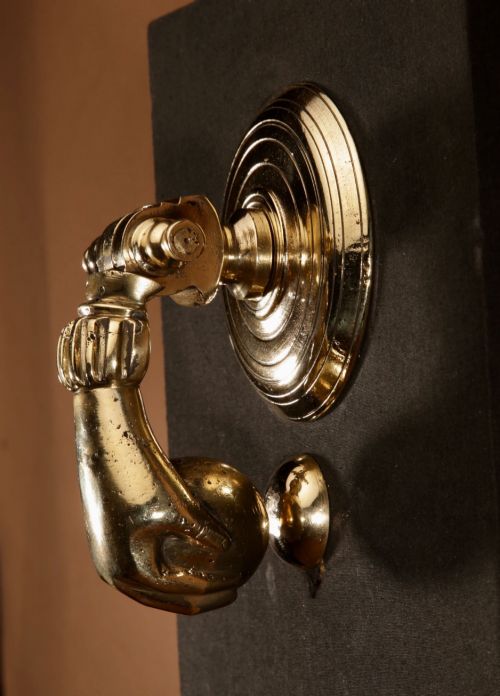


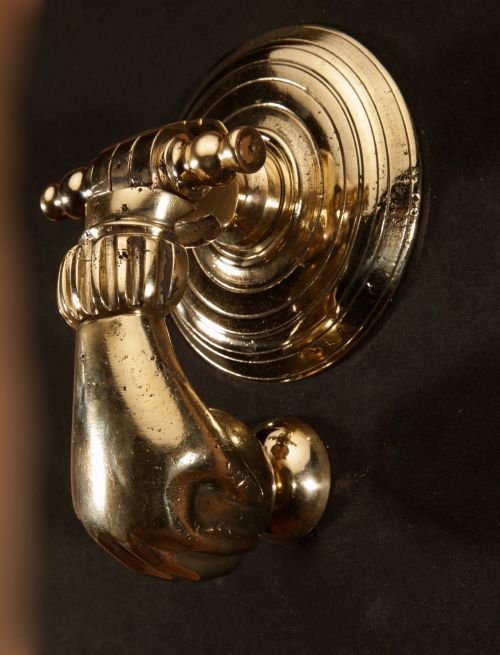

Victorian Brass Door Furniture
Victorian brass door furniture brings tangible history to an entrance, offering solid brass, bronze, and glass fittings that transform a plain door.
Victorian Brass Door Furniture
When you search for victorian brass door furniture, you are looking at functional hardware designed to operate and adorn nineteenth century entrances. The pieces range from heavy knockers and letter boxes to pairs of door knobs and finger plates.
You are most likely to meet cast brass centre door knobs and matched handle sets originating from the Victorian period, alongside earlier Regency survivals and later Arts and Crafts interpretations. These items reflect the domestic architecture of the nineteenth century.
The selection includes specialised components like Gothic hinges and bronze pulls alongside complete door furniture assemblies. Each item demonstrates the robust utilitarian design typical of the era.
Factors Distinguishing Quality
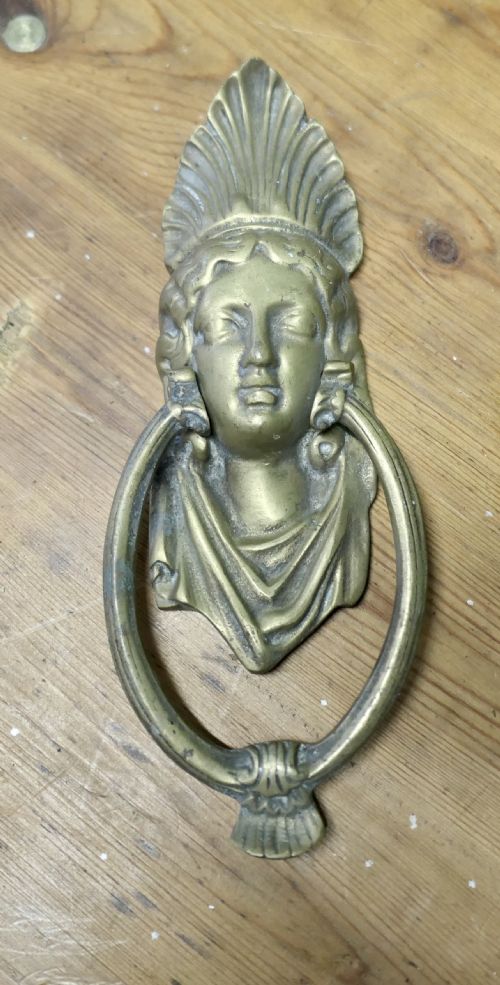
The definition in the casting separates standard production from superior examples, with finer pieces exhibiting sharp relief work on caryatids or classical motifs. Heavier gauge metal indicates a more substantial investment of raw material by the original founder.
The integrity of integrated elements, such as securely mounted porcelain inserts or lead crystal bosses, distinguishes better finished hardware. Matching sets that retain their original screws and associated backplates command greater respect from collectors.
The inventory records functional items including letter boxes, finger plates, centre door knobs, and heavy knockers.
Robert Strahan
The Victorian Brass Door Furniture Glossary
- Caryatid
- A sculpted human figure serving as an architectural support or decorative feature. In door furniture, this appears as the striking element of a knocker.
- Centre door knob
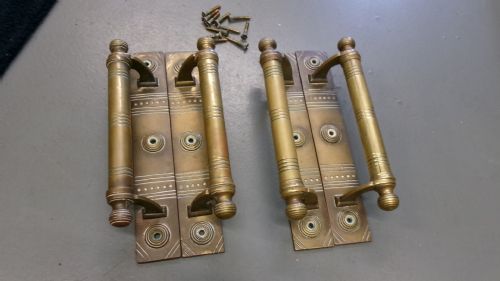
- A stationary handle placed in the middle of a main entrance door rather than at the edge. These are typically heavy brass and serve as a pull.
- Finger plate
- A flat metal sheet mounted behind a handle to protect the timber surface from marks. They often match the associated door knobs in style.
- Gothic hinge
- A strap hinge styled with medieval architectural motifs typical of the Gothic revival. These heavy iron or brass fixtures ornament heavy doors.
- Campaign furniture
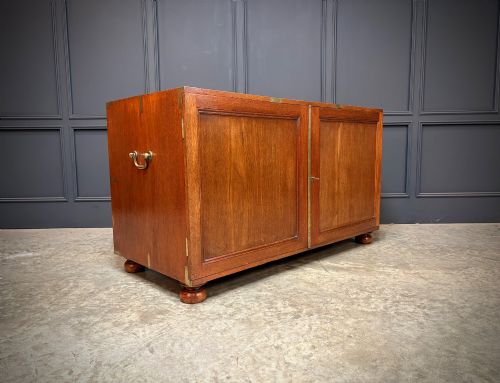
- Portable pieces originally built for military officers on campaign, often featuring recessed brass handles and corners. The term extends to robust hardware designed for heavy travel use.
Victorian Brass Door Furniture: Frequently Asked Questions
What is included in Victorian brass door furniture?
The category encompasses door knobs, knockers, letter boxes, finger plates, and hinges originating primarily in the nineteenth century. Most items are fabricated from brass or bronze.
These elements were produced for both interior and exterior domestic use, featuring styles from plain Regency designs to elaborate Arts and Crafts patterns.
How do I date these brass door pieces?
Dating relies on stylistic markers such as Neoclassical motifs, Gothic revival shapes, or later Arts and Crafts linear forms. Material combinations like porcelain inserts also help assign pieces to specific decades.
Manufacturing methods shifted over the nineteenth century from hand finishing toward more standardised casting techniques.
Can I install antique door knobs on modern doors?
Many antique brass door knobs use spindle sizes that require careful matching or minor adaptation to fit modern metric mortice locks. Checking the square spindle dimensions before fitting is essential.
Professional joiners can often adjust the internal mechanisms to accommodate older hardware safely.
How should I clean antique brass hardware?
Gentle washing with warm soapy water and a soft brush removes accumulated dirt without stripping the historic patina. Avoid harsh chemical polishes that destroy the aged surface character.
Preserving the natural oxidation maintains the visual depth valued by collectors of nineteenth century metalwork.