



Victorian Brass Decor
Victorian brass decor brings nineteenth-century metalwork into modern rooms through practical hearth gear, lighting, and ornamental metal objects.
Victorian Brass Decor
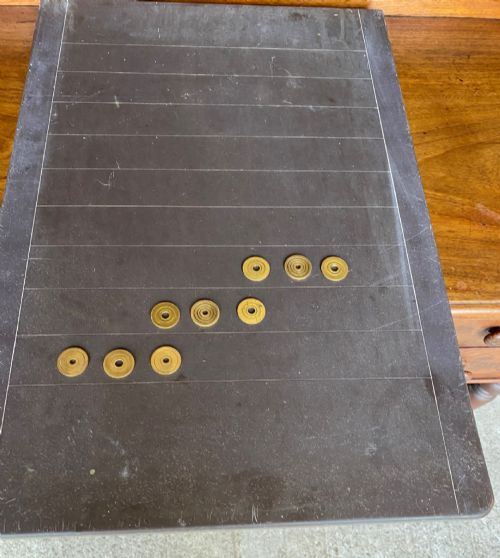
Victorian brass decor comprises functional household items and decorative objects spanning the nineteenth and early twentieth centuries. Candlesticks, fireplace accessories, and desk items dominate the selection alongside maritime items and games.
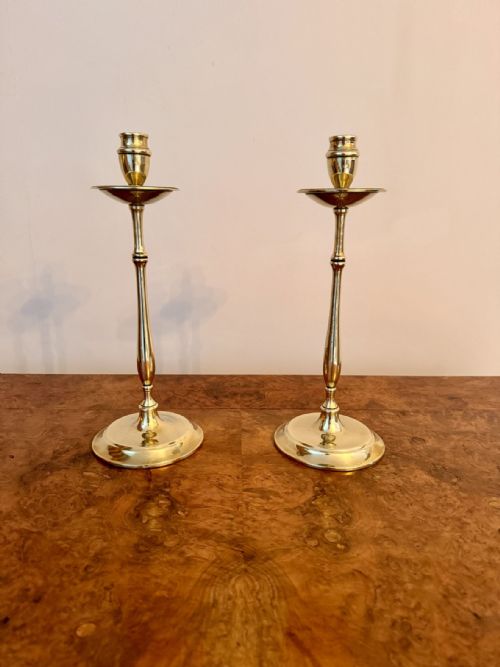
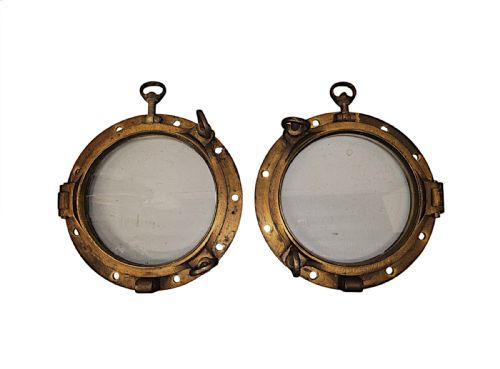
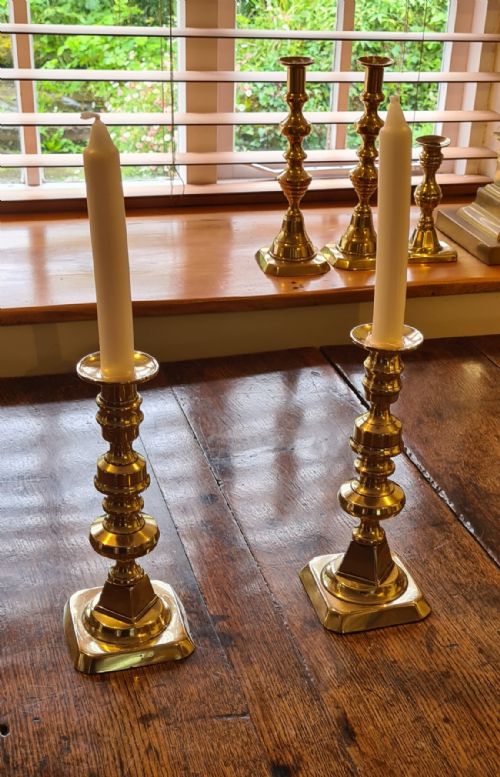
Buyers encounter matched pairs of cast candlesticks, heavy coal scuttles, and architectural fittings like port holes and furniture mounts. Many pieces combine utilitarian purpose with ornamental detailing characteristic of the period.
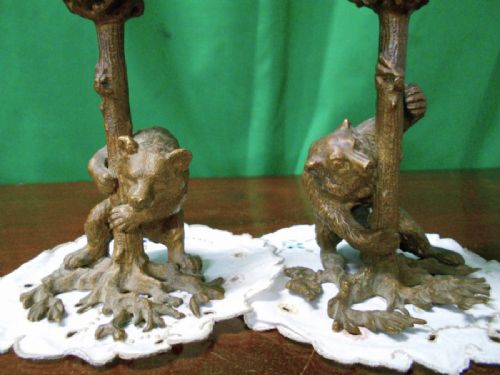
Origins stretch from traditional British workshops to continental Europe and Asia, incorporating styles from Victorian Gothic Revival to Black Forest carving traditions.
Materials and construction
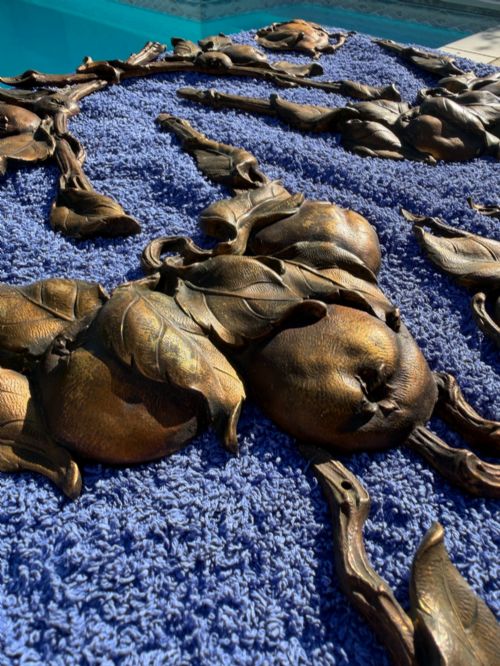
Metalworking techniques of the era relied on casting, stamping, and hand-finishing brass, bronze, and copper. Components were often joined through seaming or pinned assembly, visible in items such as candlesticks and coal helmets.
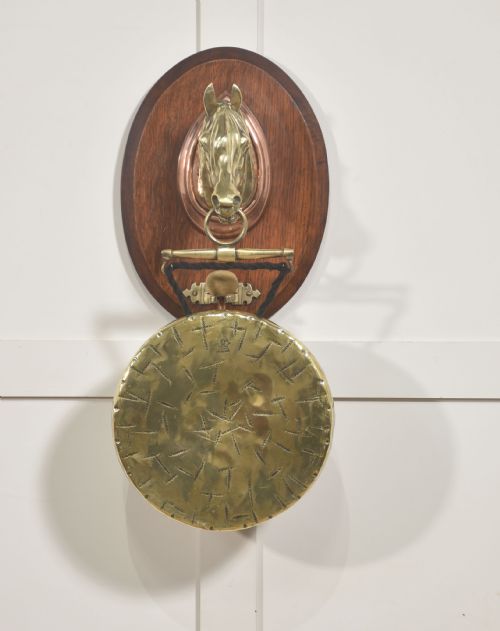
Secondary materials like oak, mahogany, glass, and ebonised wood appear frequently in combination with metal mounts, hinges, and decorative accents. Carved wood details supplement cast brass elements in Black Forest pieces and dinner gongs.
Victorian Brass Decor Retail Price Guide 2026
Typical asking prices for victorian brass decor among the pieces listed under this phrase on Sellingantiques today, from the lower quarter to the upper quarter. They describe what is for sale here now, not the wider market.
Materials paired with brass include oak, mahogany, ebonised wood, and ceramics in various decorative objects.
Distinctions in craftsmanship
Metal thickness and casting definition dictate the substance of each piece, distinguishing robust utilitarian gear from lighter decorative castings. Crisp chasing and clean surface finishing separate refined workshop production from standard commercial output.
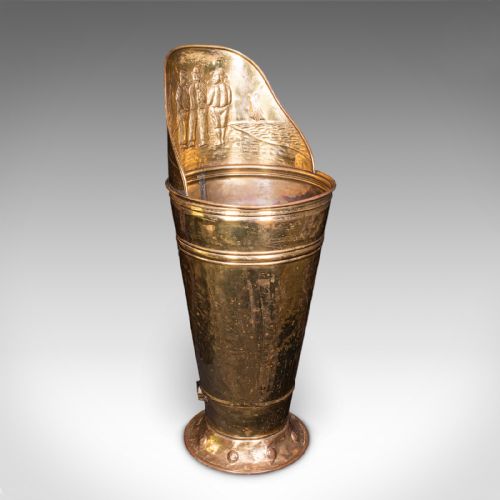
The integrity of assembled joints and the retention of original mounting hardware influence the structural standing of items like andirons, umbrella stands, and church candlesticks.
Poix Blin·Dewrance of London·Benham and Froud
The Victorian Brass Decor Glossary
- Andirons
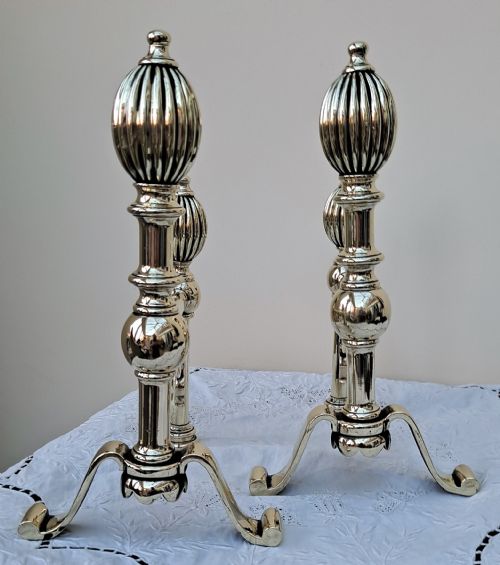
- Iron or brass horizontal supports used in open fireplaces to raise logs for better air circulation. Pairs often feature decorative front brass standards.
- Ejector candlestick
- A candlestick fitted with an internal spring-loaded or sliding mechanism to push out the remaining stub of a wax candle. This mechanical addition simplifies cleaning.
- Coaching horn
- A long, straight horn originally sounded by coachmen to signal arrival or clear the road. Specimens utilise brass or copper tubing with flared bells.
- Martingale
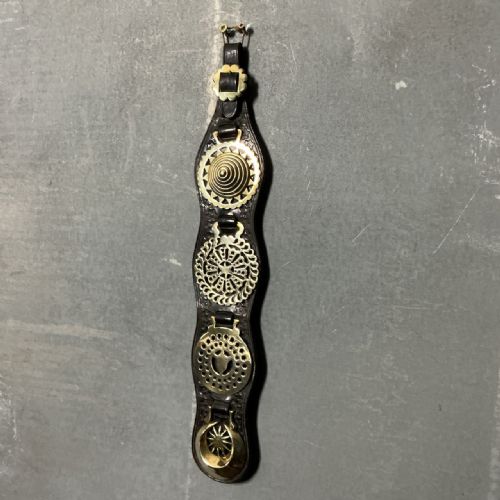
- A leather strap from horse harness equipment decorated with mounted brass plaques known as horse brasses. These commemorative medallions display geometric or figurative designs.
- Jardiniere
- An ornamental pot or stand designed to hold growing plants or flowers. Examples utilise bronze or brass with decorative surface embossing.
Victorian Brass Decor: Frequently Asked Questions
How do I clean antique brass?
Dust surfaces gently with a soft dry cloth to preserve existing patination and finish. Avoid abrasive commercial metal polishes that strip historical age.
Allow the metal to age naturally unless active corrosion threatens the integrity of the piece. Proper upkeep maintains the depth of nineteenth-century surfaces.
Were these items used daily?
Most pieces served active domestic roles in nineteenth-century households, from heating rooms to lighting hallways. Utilitarian items show practical design tailored to household labour.
Fireplace accessories, coal scuttles, and candlesticks endured heavy regular handling. This practical origin explains the robust metal gauges typical of the era.
How do I date Victorian brass?
Examine manufacturing marks, assembly methods, and stylistic cues to narrow down production dates. Machine-threaded screws and stamped maker marks often point towards the later nineteenth century.
Compare surface wear patterns against known period designs like Gothic Revival or aesthetic movement forms. Documentary evidence from makers adds precision to dating.
Can I use these coal buckets today?
Coal scuttles and helmets function well as fireside log holders or umbrella stands in contemporary rooms. Their sturdy brass and copper construction handles dry storage tasks easily.
Inspect internal seams for stability before loading heavy materials like firewood. Lining damp items protects the historical metal from internal corrosion.