

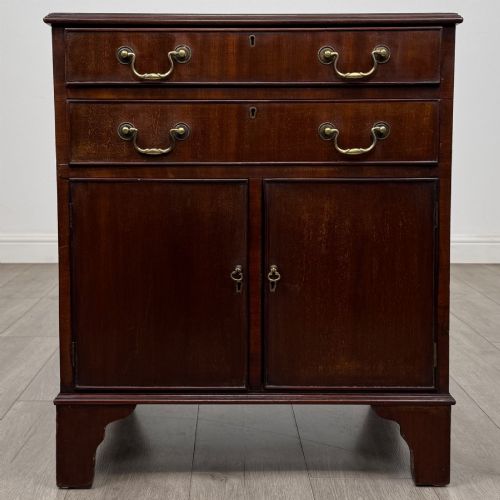
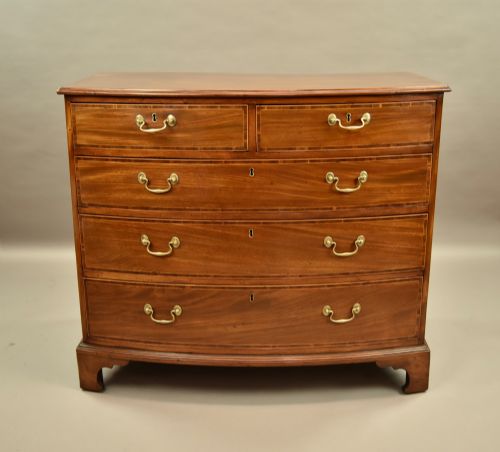
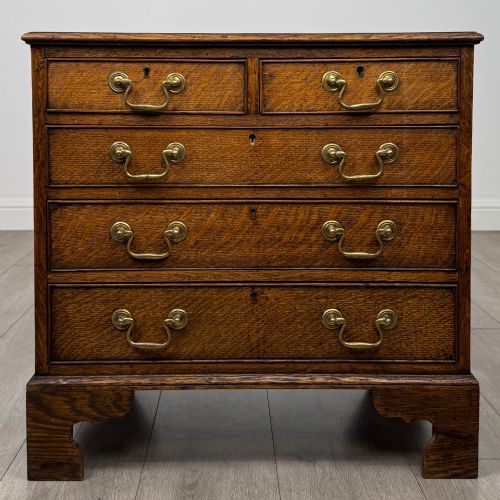
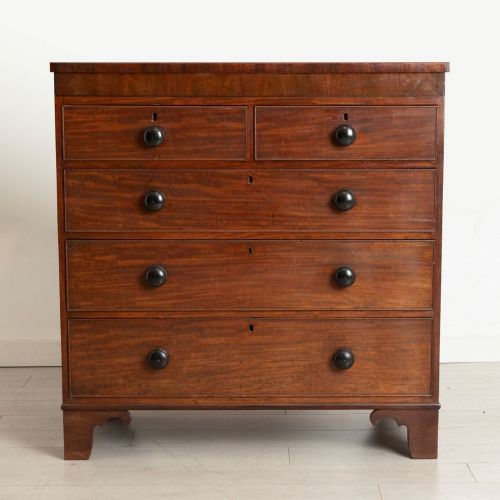





Victorian Bracket Feet Chest
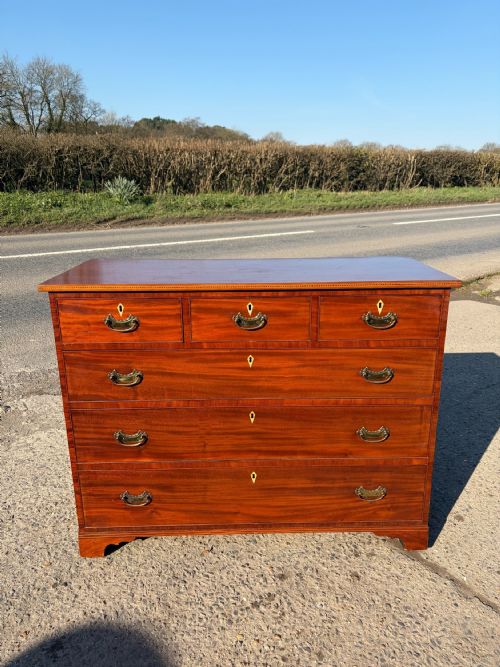
These Victorian bracket feet chest pieces are robust storage items built to hold linens and garments while anchoring a room with period proportion.
Victorian Bracket Feet Chest
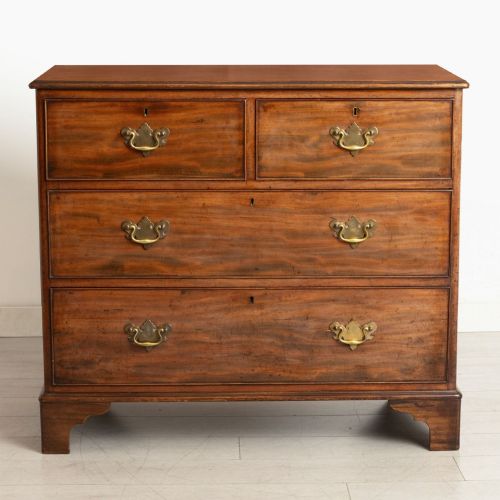
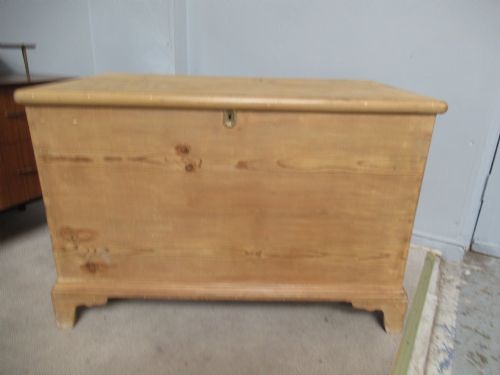
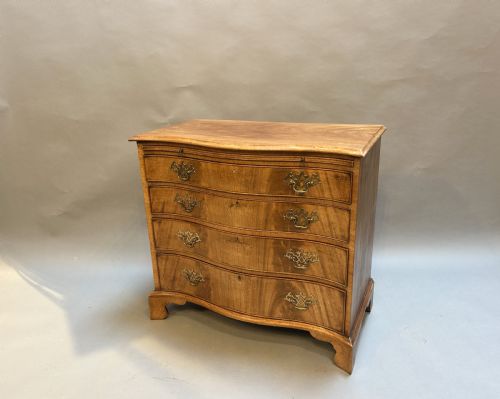
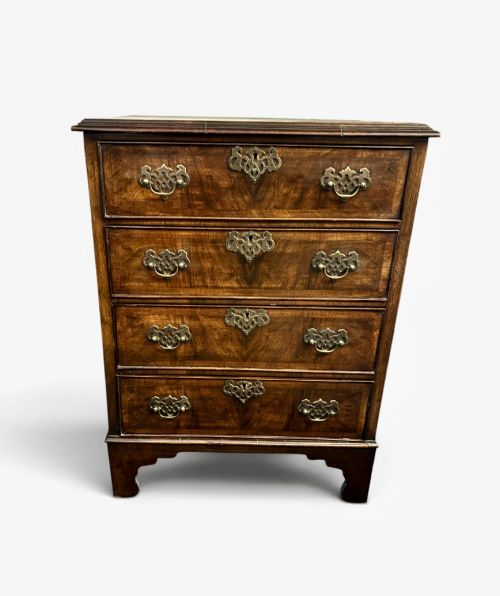
A victorian bracket feet chest combines traditional carcass construction with raised feet that elevate the timber volume off the floor. The selection here spans compact blanket boxes, tall chest on chest formats, and standard drawer configurations.
Most examples found on this page date through the nineteenth century, displaying the characteristic dark grains and sturdy joints of the period. Buyers frequently encounter mahogany and pine surfaces configured with two smaller drawers over three larger ones, or simple lidded trunk bodies.
Materials and construction methods
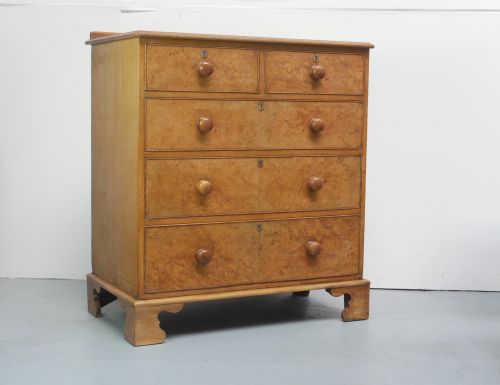
Cabinet makers relied heavily on dense hardwoods like mahogany and walnut, frequently selecting burr veneers for primary visual areas while utilising pine or oak for interior drawer linings and secondary panels. Timber selection dictated the weight and structural longevity of the piece.
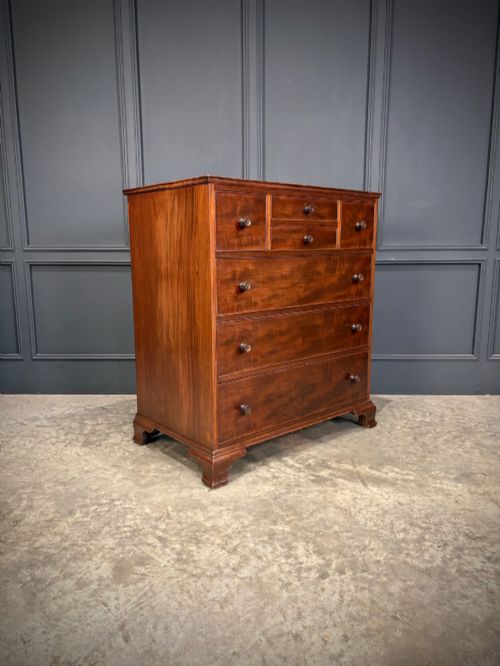
Bracket feet were joined directly to the lower base frame to support the heavy loads of stored clothing without sagging. Dovetail joints secured the drawer corners, ensuring the box construction remained rigid through decades of daily use.
Victorian Bracket Feet Chest Retail Price Guide 2026
Typical asking prices for victorian bracket feet chest among the pieces listed under this phrase on Sellingantiques today, from the lower quarter to the upper quarter. They describe what is for sale here now, not the wider market.
One miniature painted pine chest sits quietly among the full-sized wardrobes and heavy blanket boxes.
What separates examples
The choice of primary timber grain dictates visual appeal, with figured burr walnut and book-matched mahogany representing higher workshop standards compared to utility pine. Surface finish retention, such as original polish or historic paint layers, alters the character of the piece.
Proportion and foot integrity determine the architectural success of the design. Sharply cut bracket feet that remain structurally sound without excessive timber replacement preserve the original silhouette intended by the maker.
Waring and Gillow
The Victorian Bracket Feet Chest Glossary
- Bracket foot
- A simple corner foot shaped like a bracket, supporting the base of a cabinet or chest.
- Bachelors chest
- A compact drawer unit traditionally equipped with a pull-out brushing slide for writing.
- Bowfront
- A curved front facade that swells outward in the centre, softening the linear geometry of the room.
- Chest on chest
- A tall storage unit formed by stacking a smaller chest directly on top of a larger base section.
- Burr walnut
- Timber taken from the gnarled growth of a walnut tree, producing swirling patterns used for decorative veneer.
Victorian Bracket Feet Chest: Frequently Asked Questions
What fits inside these chests?
Standard drawer configurations easily accommodate folded garments, heavy woollens, and household linens within deep lower compartments. Smaller upper drawers serve well for accessories and smaller personal items.
Blanket boxes and trunk variants offer open interior space suited for bulky quilts and seasonal bedding out of sight.
How do I place one in a bedroom?
These pieces function well against a main bedroom wall as a primary storage unit or paired alongside a bed as a low focal point. Their substantial depth requires measuring floor space to ensure doors and walkways remain clear.
Keeping timber items away from direct heat sources prevents the wood from drying and splitting over time.
Are bracket feet original?
Foot structures frequently experience wear at floor level due to dampness and moving, meaning lower bracket sections sometimes show historic timber repairs or replacement. Inspecting the joinery where the foot meets the base reveals whether the assembly remains unified.
Matching timber species and consistent patina between the feet and the upper carcass indicate original work.
How do I date a nineteenth century chest?
Secondary woods like pine and oak inside drawer interiors, combined with hand-cut dovetail joints, point directly to period workshop production before mass machinery took over. Drawer configurations, such as deep two-over-two layouts or serpentine shaping, align with specific decades.
Looking at the backboards and screw types helps confirm whether a piece belongs to the early or late Victorian era.