
Victorian Bookshelf
A victorian bookshelf brings practical charm to any room, offering sturdy tiers for libraries large and small.

Victorian Bookshelf
When you search for a victorian bookshelf, you encounter a range of open bookcases, wall shelves, and revolving designs intended for home libraries and living spaces. These pieces span the nineteenth century, reflecting periods from William IV through to the Edwardian era.
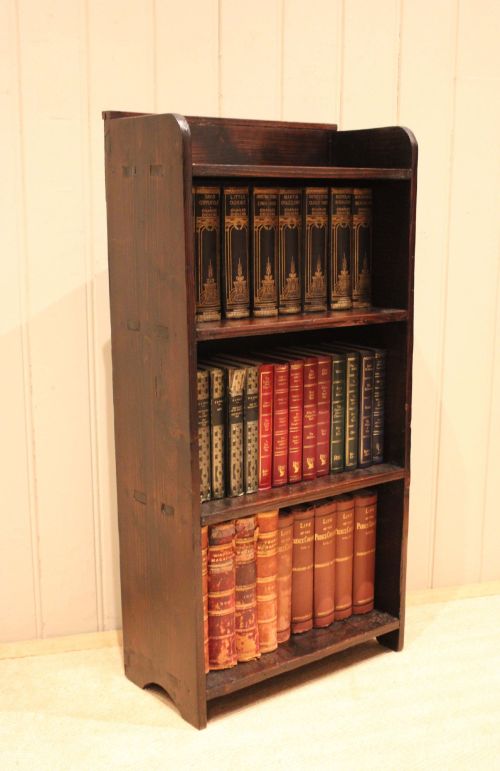
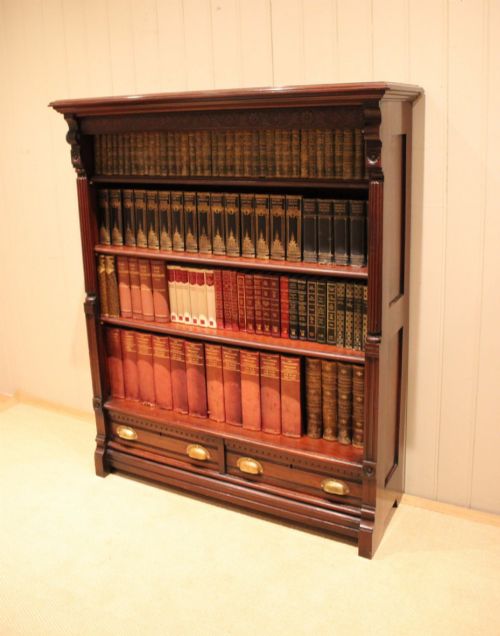
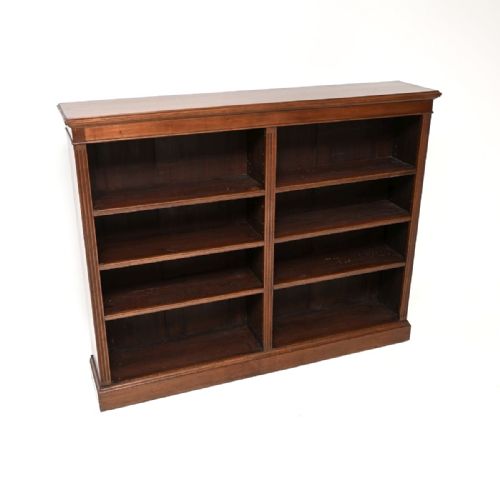
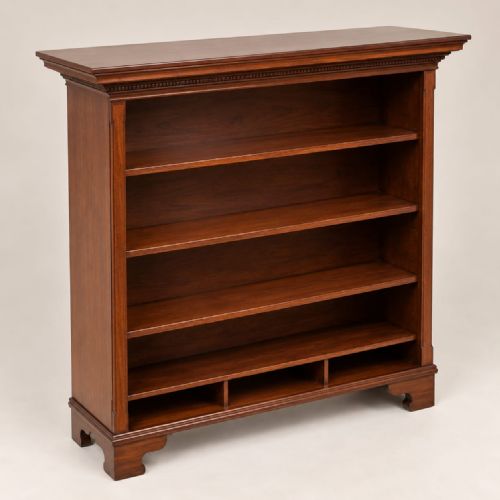
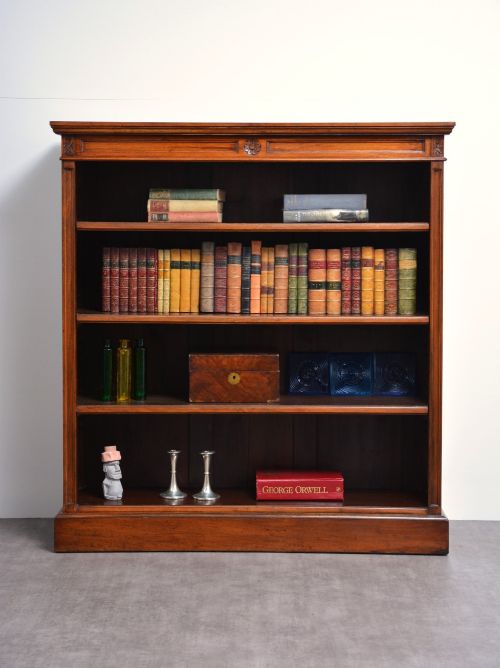
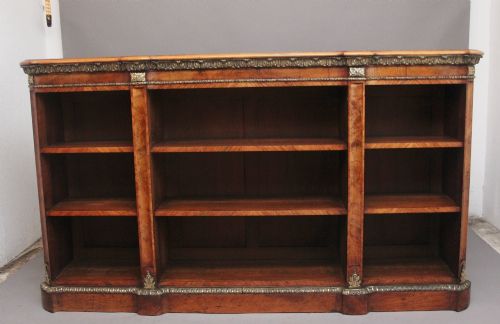
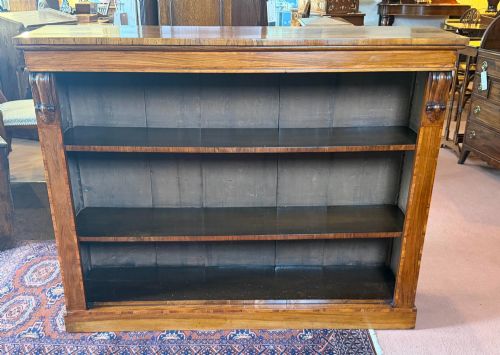
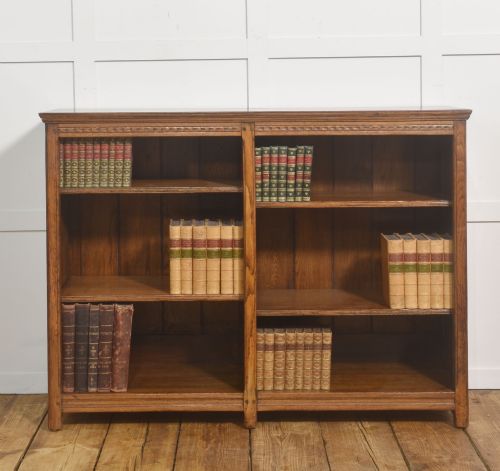
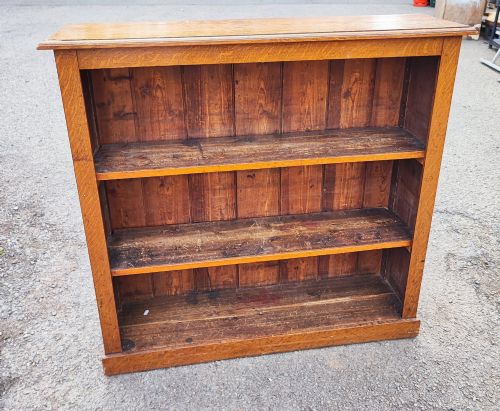
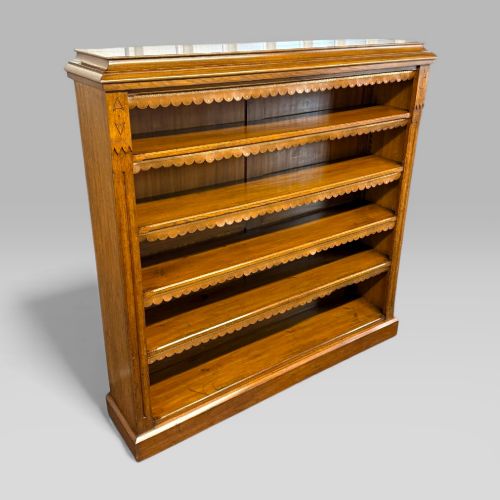
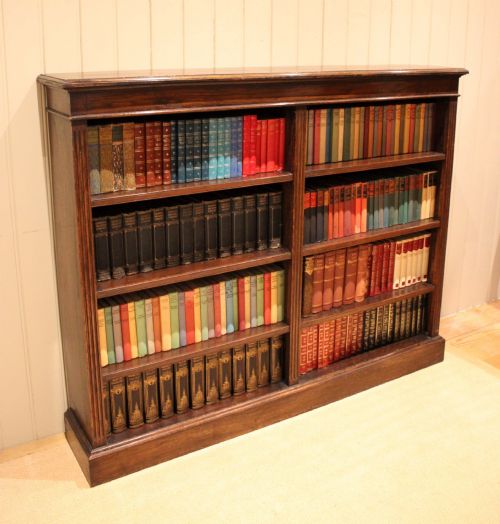
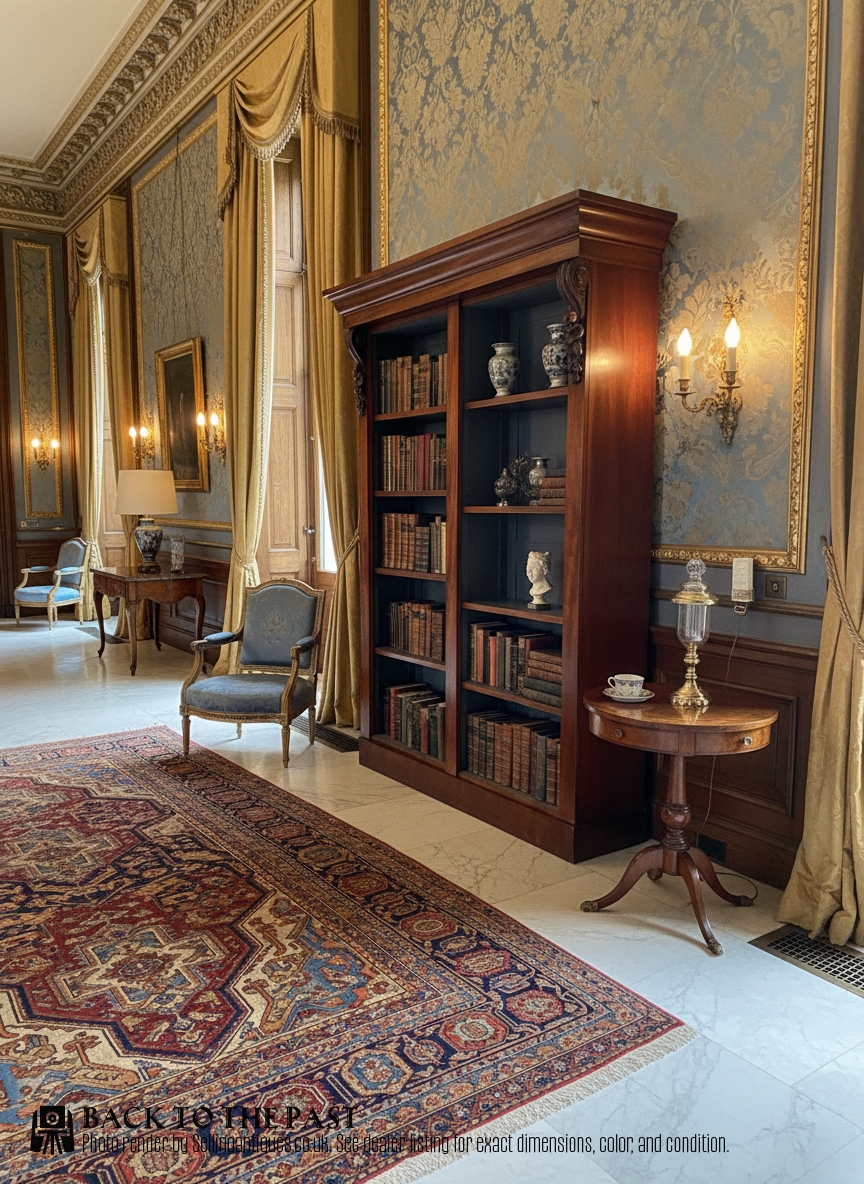
You are most likely to meet mahogany and oak open bookcases on this page, often fitted with adjustable shelves. Pieces range from small dwarf cabinets to large breakfront library furniture.
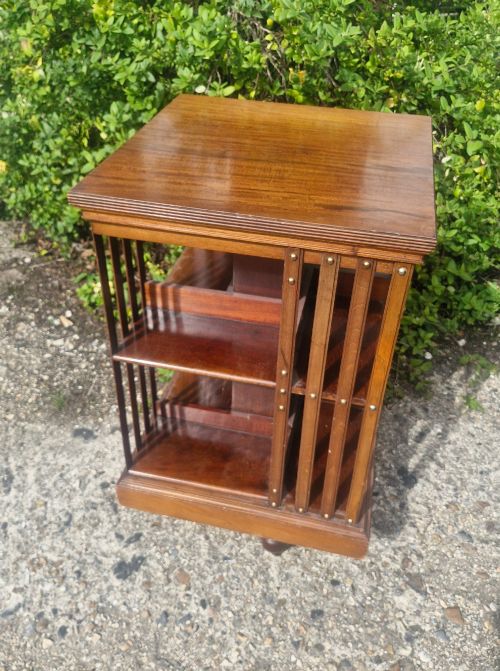
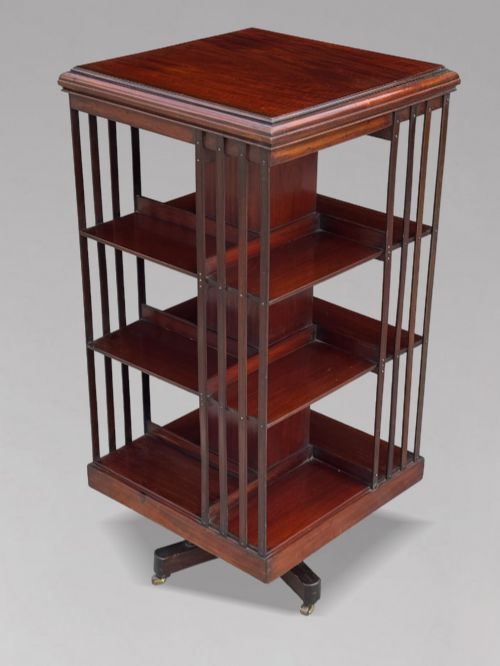
Formats also include wall-mounted shelves, whatnots, and rotating table models. These utilitarian and decorative items served studies, parlours, and drawing rooms alike.
How they were made
Cabinet makers utilised dense hardwoods like mahogany, walnut, rosewood, and oak for structural integrity and rich grain patterns. Pine served for simpler or country pieces, while exotic additions like burr walnut and ormolu elevated formal library furniture.
Construction methods included pegged joinery, carved detailing, and inlaid veneers. Many examples incorporated brass castors for mobility and brass mounts for decorative contrast.
Victorian Bookshelf Retail Price Guide 2026
Typical asking prices for victorian bookshelf among the pieces listed under this phrase on Sellingantiques today, from the lower quarter to the upper quarter. They describe what is for sale here now, not the wider market.
Recorded styles span Regency, William IV, Aesthetic Movement, and Gothic Revival alongside standard Victorian and Edwardian work.
What varies in quality
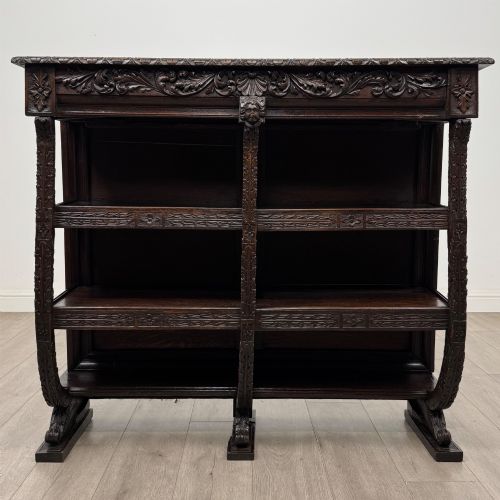
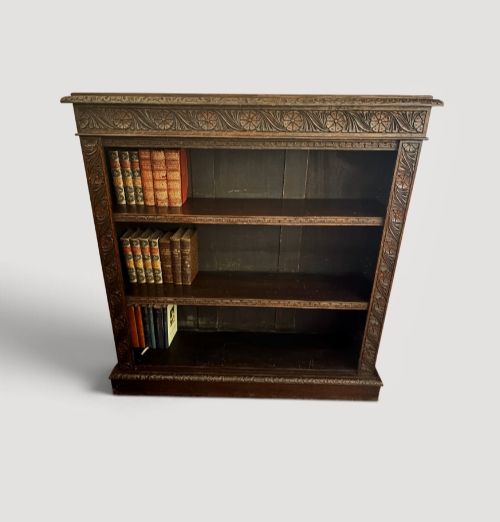
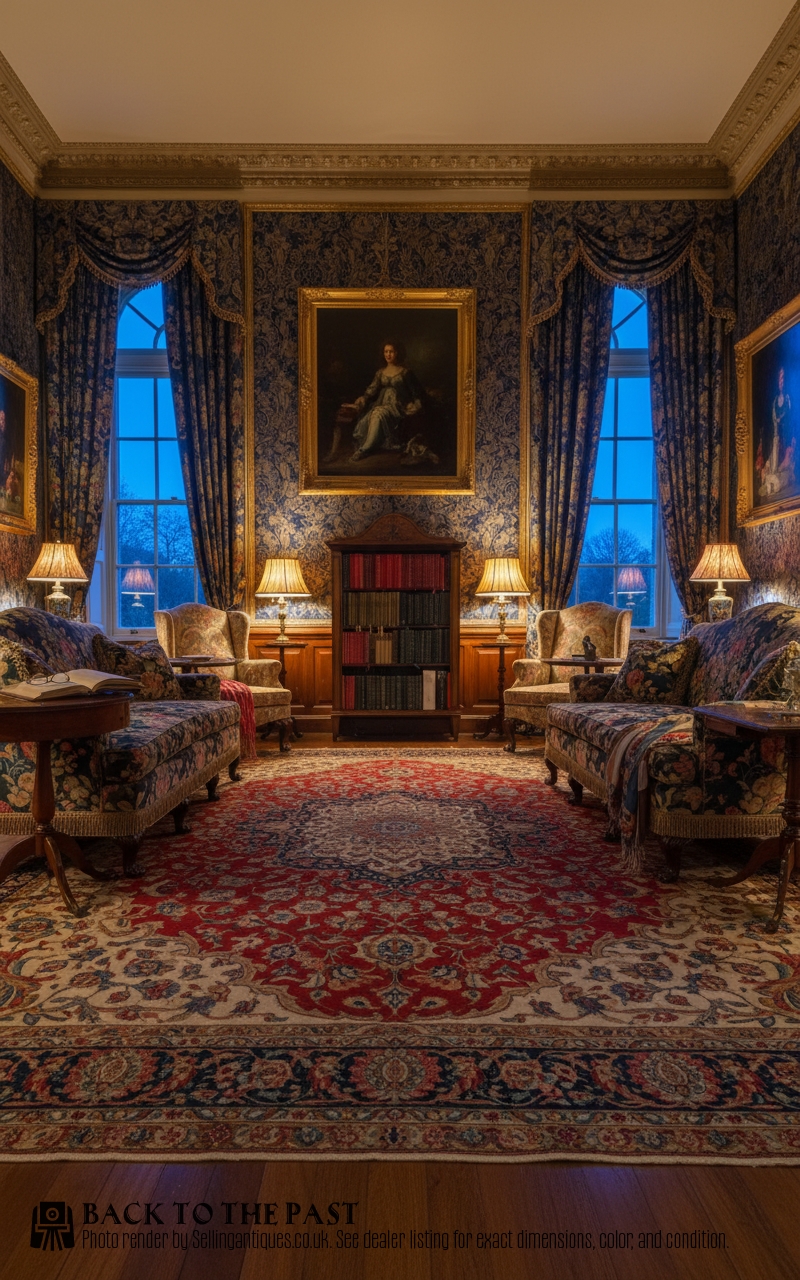
The choice of timber and the sophistication of the carving dictate the standing of a piece. Finer examples display figured mahogany or burr walnut veneers alongside hand-carved elements such as green man motifs or Gothic tracery.
Practical mechanisms also separate standard items from superior works, such as smooth-running revolving stands and well-engineered brass ratchets for adjustable shelving.
Johnstone and Jeanes
The Victorian Bookshelf Glossary
- Breakfront
- A piece of furniture where the central section projects forward from the flanking wings. This layout adds architectural depth to large library bookcases.
- Waterfall bookcase
- A tiered shelving unit where each successive shelf is narrower and set back from the one below it. This stepped design creates a cascading profile.
- Revolving bookcase
- A compact rotating shelving unit designed to sit on a floor or table for easy book access. These rotate on a central vertical axis.
- Whatnot
- A multi-tiered open piece of furniture used for displaying books and ornaments. These stands typically feature slender upright supports.
- Dwarf bookcase
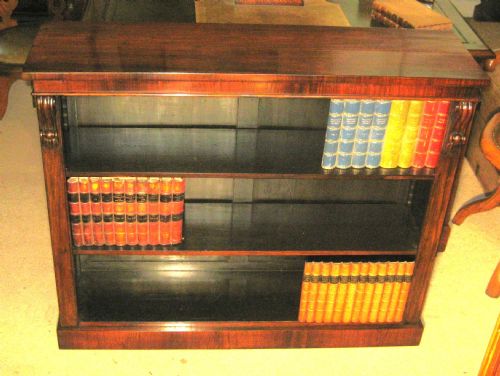
- A low open bookshelf designed not to obscure wall hangings or windows. These low units often fit beneath dado rails.
Victorian Bookshelf: Frequently Asked Questions
What woods were used for Victorian bookcases?
Makers relied primarily on mahogany, oak, and walnut for standard library and parlour pieces. Rosewood and burr walnut appeared on finer decorative items.
Softer woods like pine served for utility cupboards and rustic country shelving units.
How do I know if shelves are adjustable?
Many library bookcases use vertical wooden toothed racks or brass studs to hold shelves at varying heights. This system allowed owners to fit tall volumes.
Fixed shelves remain common on smaller or simpler rustic pieces.
Where should I place a revolving bookshelf?
Revolving bookcases work well beside armchairs or in corner spaces where access from multiple angles matters. Their compact footprint suits studies and reading nooks.
Ensure adequate clearance around the unit so the rotating tiers turn freely.
What is the difference between a whatnot and a bookcase?
A bookcase focuses on storing volumes upright on supportive tiers, often with enclosed cupboards below. These prioritise book capacity.
A whatnot is generally lighter with open shelves intended for displaying ornaments alongside small collections of books.