


Victorian Bohemian Glass
Victorian bohemian glass brings together richly coloured vessels and mantel lustres that capture the ornate decorative spirit of the nineteenth century.
Victorian Bohemian Glass
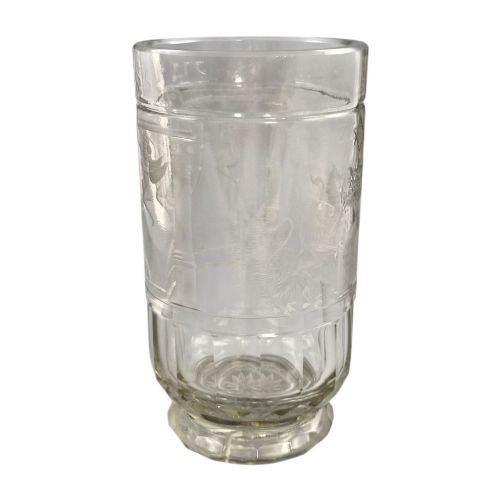
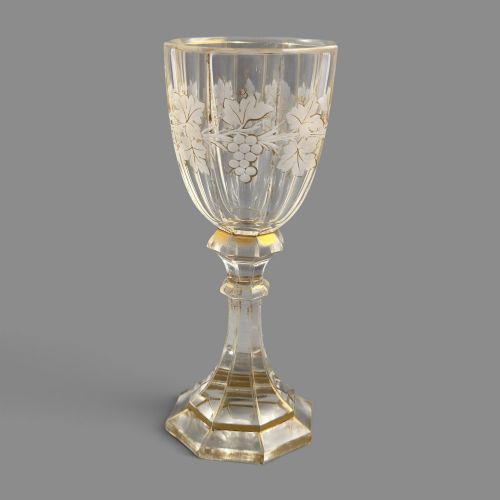
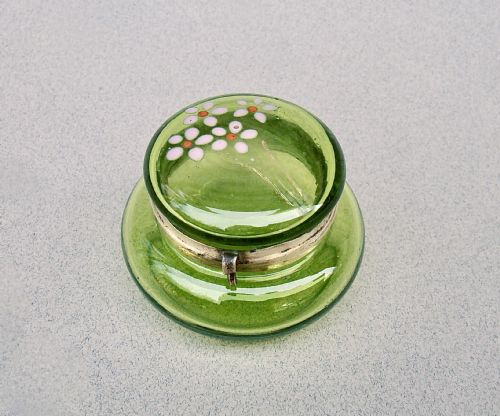
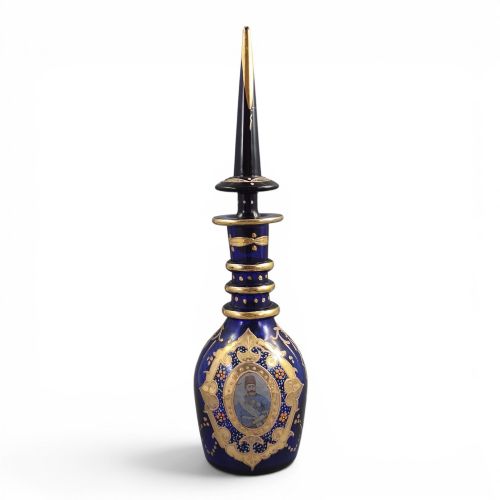
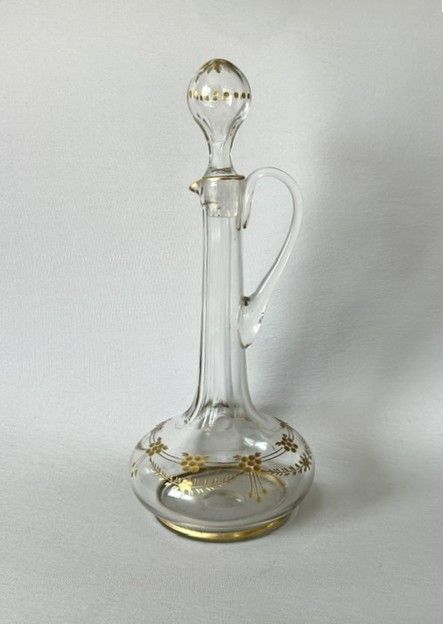
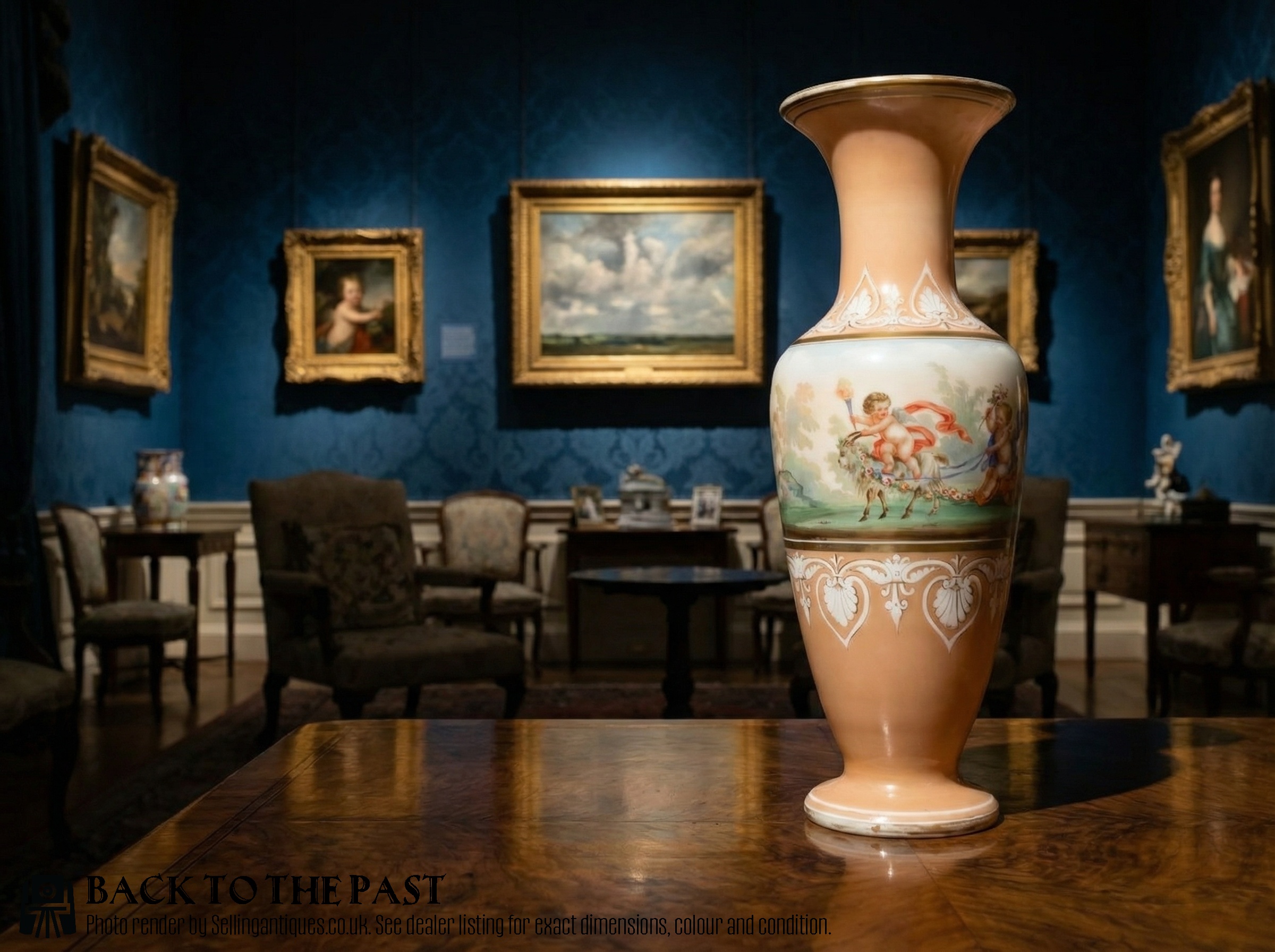
When you search for victorian bohemian glass, you encounter a varied selection of nineteenth-century decorative and functional vessels. The inventory on this page spans vibrant vases, decanters, scent bottles, and table lustres created across the Victorian period. Common forms also include wine glasses, jugs, and trinket boxes reflecting both European domestic tastes and international export markets.
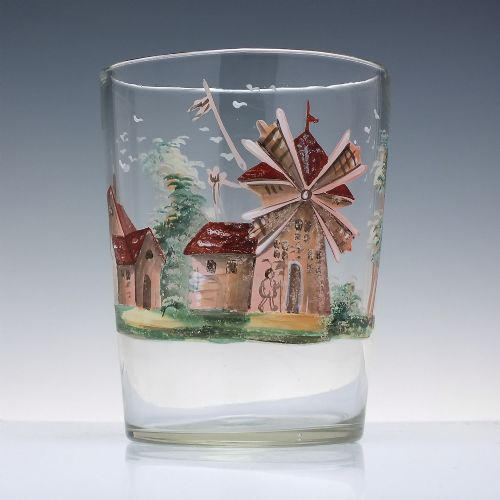
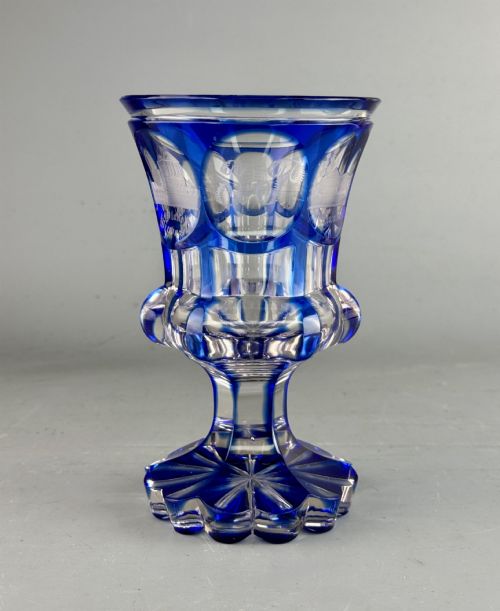
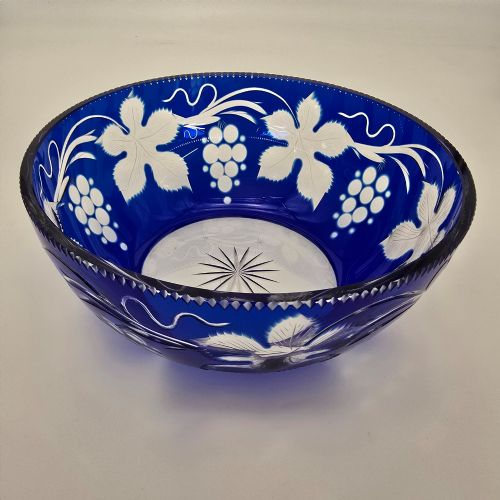
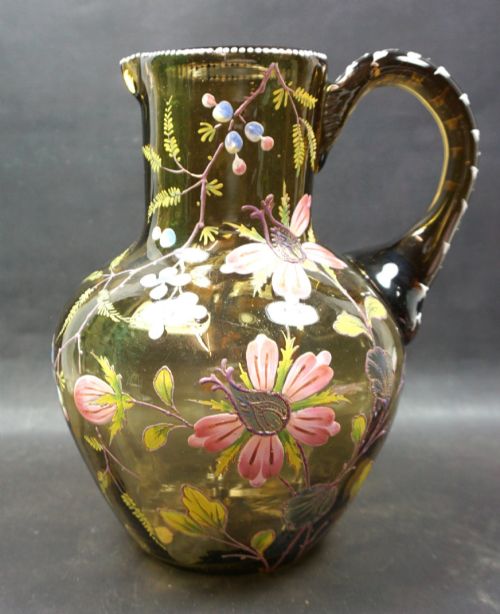
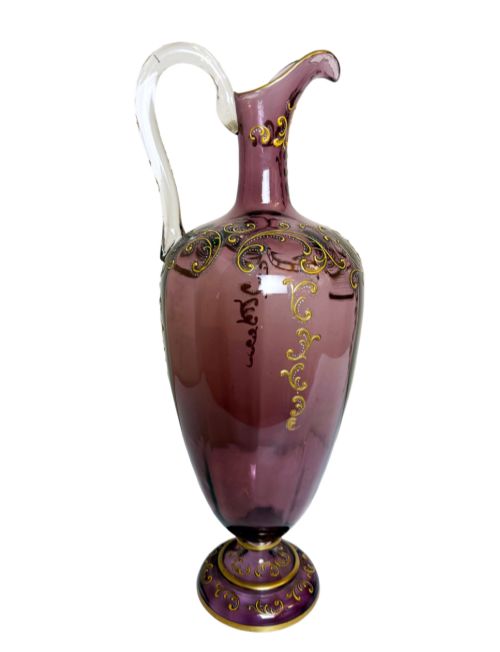
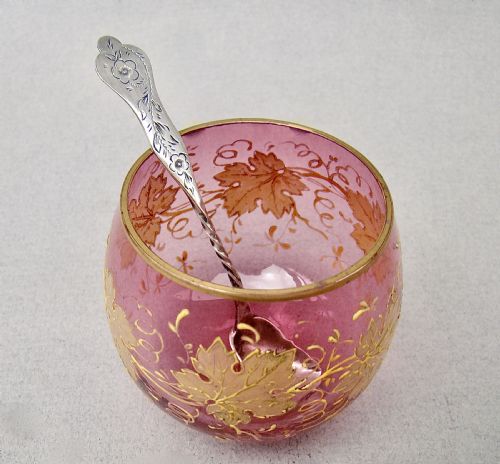
The objects frequently showcase saturated colour palettes including ruby, cranberry, cobalt blue, amethyst, and green. Many examples incorporate flash-cutting or casing techniques where layers of different coloured glass are carved to reveal contrasting hues underneath. Hand-painted enamel, gilding, and etched motifs frequently adorn the surfaces, adding layers of intricate detail to the heavy glass bodies.
How They Were Made
The creation of these pieces relied on master glassblowing combined with precise thermal manipulation and colour compounding. Makers achieved distinct hues by introducing metallic oxides into the molten glass batch, producing deep reds, blues, greens, and purples. Cased and flash-cut items required fusing multiple layers of glass together before skilled artisans ground away the outer layer to expose the contrasting colour beneath.
Surface ornamentation involved intricate hand painting using enamel and gold leaf, often fixed through firing. Engravers utilised diamond-point or wheel-engraving techniques to carve heraldic designs, floral patterns, and figurative scenes directly into the hardened crystal or coloured glass. Metal mounts, ormolu fittings, and silver elements were frequently added to complete scent bottles, decanters, and mantel lustres.
Victorian Bohemian Glass Retail Price Guide 2026
Typical asking prices for victorian bohemian glass among the pieces listed under this phrase on Sellingantiques today, from the lower quarter to the upper quarter. They describe what is for sale here now, not the wider market.
What Varies In Quality
The standard of execution separates everyday production wares from exceptional studio pieces attributed to prominent makers. Superior items demonstrate crisp, deep wheel-engraving and precise facet-cutting that interacts cleanly with the underlying glass layers. The application of gold leaf and enamel also indicates quality, with finer pieces showing delicate brushwork, rich metallic lustre, and careful registration of multi-coloured enamels.
Weight, clarity, and the integration of secondary materials further distinguish the range. High-grade items possess heavy, resonant crystal bodies free from internal cloudiness or bubbles unless intentionally stylistic. The structural integrity of applied mounts, such as silver tops, brass collars, and ormolu fittings, reveals the overall level of craftsmanship invested in the finished object.
Moser·Lobmeyer·Fritz Heckert·Harrach
The Victorian Bohemian Glass Glossary
- Cased Glass
- A method where a core of glass is covered by one or more outer layers of different colours. This multi-layered structure allows artisans to cut through the exterior glass to expose the contrasting shade beneath.
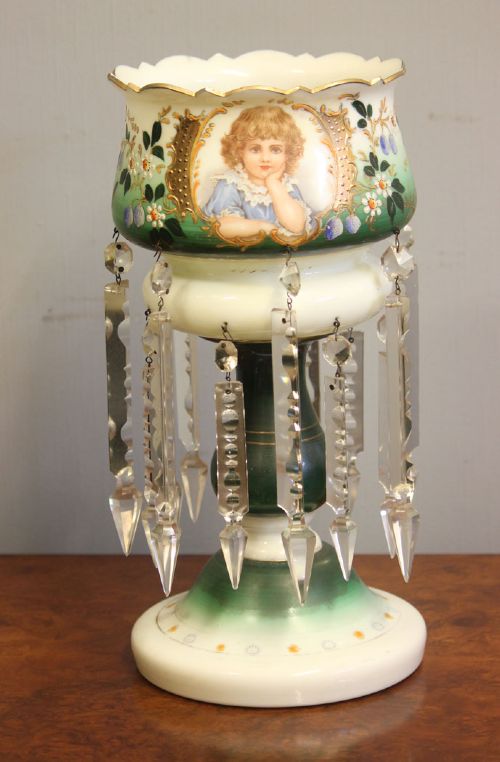
- Mantel Lustre
- A decorative tabletop ornament featuring a central vase or pedestal hung with long crystal prisms. These fixtures were designed to catch and refract candle or natural light.
- Flash-Cut
- A surface treatment where a thin layer of coloured glass is applied over a clear or contrasting base and partially ground away. The technique creates sharp two-tone patterns without the heavy weight of full casing.
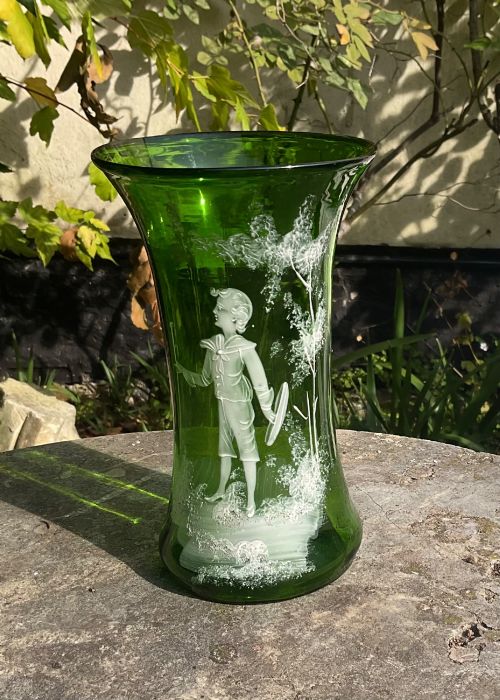
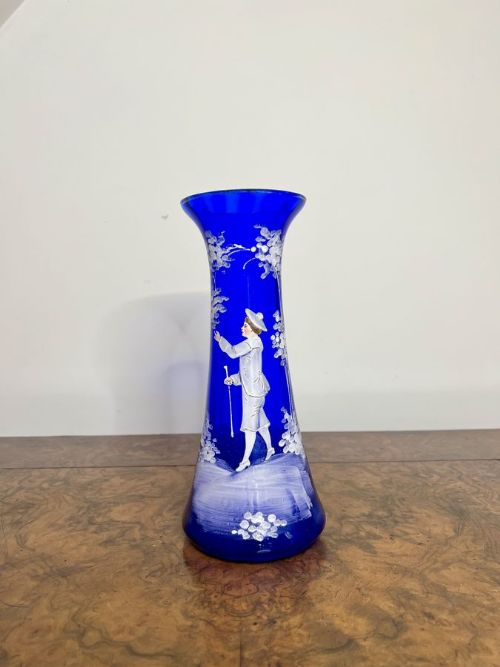
- Mary Gregory Glass
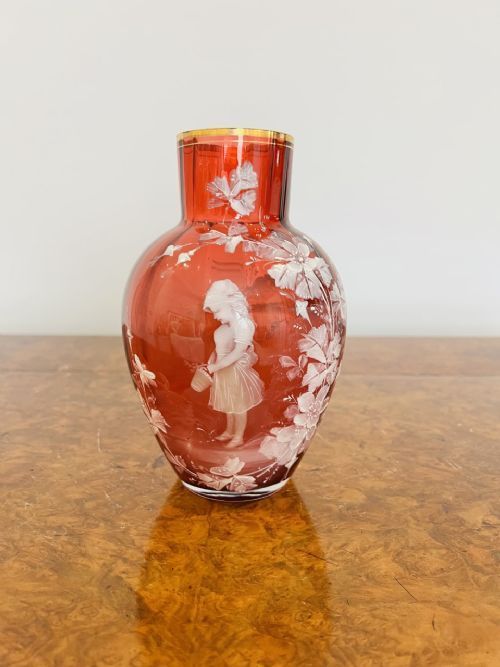
- Glassware decorated with white enamel silhouettes depicting Victorian children in pastoral settings. The motifs typically feature figures among foliage or playing outdoors.
Victorian Bohemian Glass: Frequently Asked Questions
How do I identify bohemian glass?
Look for heavy crystal bodies, saturated primary colours like ruby or cobalt, and complex decorative techniques such as flash-cutting and enamel painting. Many pieces also feature distinctive Victorian forms like mantel lustres and cased scent bottles.
Examining the underside for pontil marks and checking the precision of the gilding or wheel engraving helps distinguish traditional Bohemian work from later reproductions.
What is Mary Gregory glass?
Mary Gregory glass refers to pieces painted with characteristic white enamel silhouettes of Victorian children. These figures are usually set against deep cranberry, blue, or green glass backgrounds.
While traditionally associated with a specific American decorator's name, the style was widely produced in Bohemian and Victorian glasshouses during the late nineteenth century.
How were mantel lustres used?
Mantel lustres served as decorative garnitures placed on fireplace mantelpieces during the Victorian era. The hanging crystal prisms were intended to catch and multiply the flickering light from nearby candles.
Beyond their aesthetic function in formal parlours, they demonstrated household prosperity through their elaborate glasswork and gilded ornamentation.
What does cased glass mean?
Cased glass involves fusing two or more distinct layers of coloured or clear glass together while molten. This technique allowed makers to combine different optical properties and colours in a single vessel.
Artisans frequently cut through the outer casing to reveal the contrasting layer underneath, creating sharp geometric or floral patterns.