
Victorian Black Glass
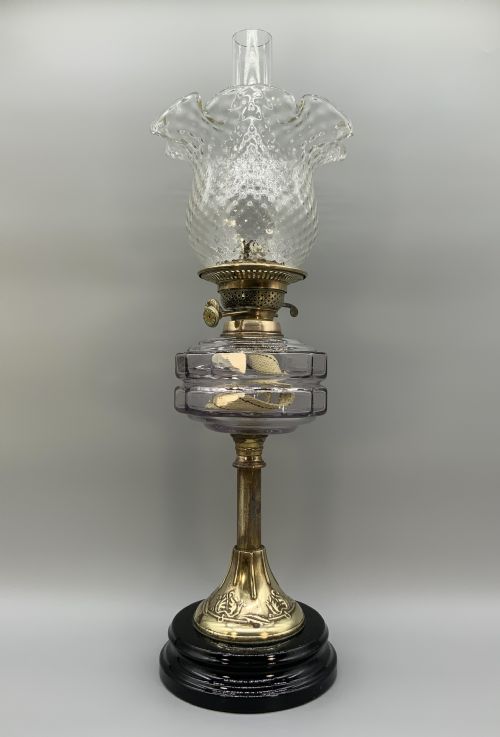
Victorian black glass items are distinctive nineteenth-century pieces ranging from deep-hued decorative vases to reflective oil lamp bases that bring a striking dark lustre to interiors.
Victorian Black Glass
When searching for victorian black glass, collectors encounter specialised items such as enamelled vases, cased aventurine glass scent bottles, and functional lamp bases from the nineteenth century. These objects draw the eye through their dense, light-absorbing surfaces and deep dark tones.
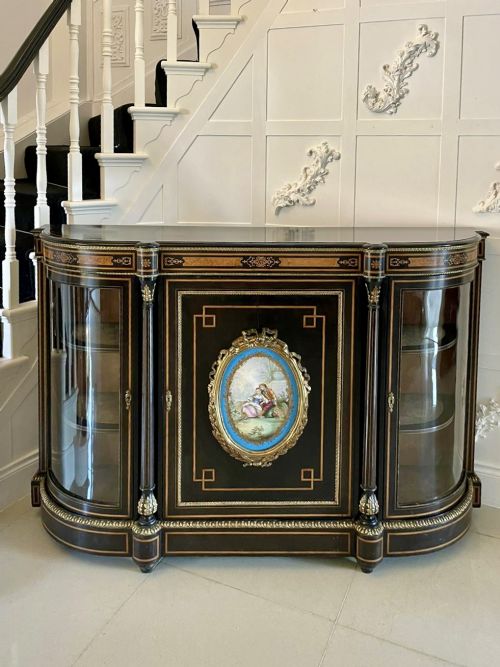
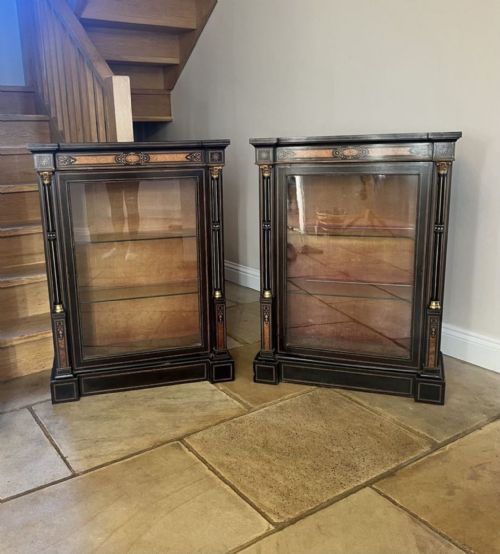
The items listed reflect periods spanning the Victorian era, including specific decades like the 1890s, alongside related pieces incorporating dark materials like ebonised wood. The selection ranges from tabletop accessories to decorative vessels.
How they were made
Glassmakers achieved the opaque dark body of these objects through specific mineral additions during the melting process, often finishing pieces with hand-painted enamel decoration or silver aventurine inclusions. Skilled artisans shaped the molten material into vessels and bases while maintaining uniform density.
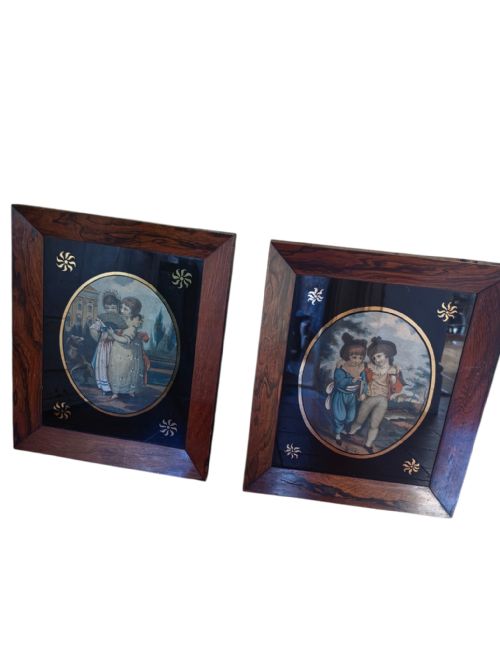
Makers occasionally combined the dark glass with brass mounts or set the glass components into contrasting ceramic and wooden structures. This combination of materials provided structural support and visual contrast to the deep black surfaces.
What varies in quality
Quality in these pieces rests upon the depth and purity of the glass material itself, distinguishing solid, evenly coloured vessels from unevenly cast examples. The crispness of hand-painted enamel details or the precision of associated metal mounts also elevates certain pieces above standard production.
The survival of delicate surface decorations and the integrity of cased elements dictate the standing of an item. Pieces retaining their original components without structural compromise command greater attention from discerning collectors.
The Victorian Black Glass Glossary
- Aventurine glass
- Glass containing sparkling metallic inclusions, often copper or silver, suspended within the dark matrix. This technique creates a glittering effect beneath the polished surface.
- Ebonised wood
- Timber treated with a dark stain or finish to imitate ebony. This dark wood frequently accompanies black glass items in period interiors and furniture.
- Enamel
- Opaque vitreous composition applied to the glass surface and fired for decoration. It provides colourful contrast against the dark background.
- Cased glass
- Glass formed of distinct layers of different colours or opacities fused together. This method allowed makers to combine clear or coloured layers with deep black glass.
Victorian Black Glass: Frequently Asked Questions
How do I clean black glass?
Cleaning antique black glass requires gentle handling with a soft, lint-free cloth and lukewarm water. Avoid harsh chemical cleaners that might damage delicate surface enamelling or metallic decorations.
Pat the surface dry rather than rubbing vigorously to protect any historical finishes. If the piece includes brass or wood mounts, keep moisture away from those areas.
Are all black glass items Victorian?
While the Victorian era produced a significant quantity of dark and black glass items, similar wares span adjacent periods including the Edwardian era. Examining the manufacturing techniques, forms, and accompanying materials helps confirm the date of a piece.
Archive records and listings show related dark glass objects appearing alongside ebonised wood furniture and brass accessories from the same decades.
How was aventurine glass used?
Aventurine glass was utilised for small luxury items such as scent bottles where the suspended metallic flakes created visual depth. The glittering particles caught ambient light against the dark glass body.
This specialist technique required careful temperature control during the cooling process to suspend the crystals evenly. It remains a hallmark of finer nineteenth-century glasswork.