



Victorian Bentwood Furniture
Victorian bentwood furniture brings fluid lines and remarkable lightness into domestic spaces through steam-bent beech and cane.
Victorian Bentwood Furniture
Victorian bentwood furniture consists principally of functional domestic pieces engineered through the controlled application of steam to timber. Buyers searching for victorian bentwood furniture encounter practical items designed for everyday utility in hallways, parlours and dining rooms.
The selections recorded here span tall coat stands, hat stands, side tables, console tables, footstools, dining chairs, rocking chairs and bistro chairs. Pieces take varied forms from the 19th century through to the early twentieth century, encompassing Victorian, Edwardian, and folk art expressions.
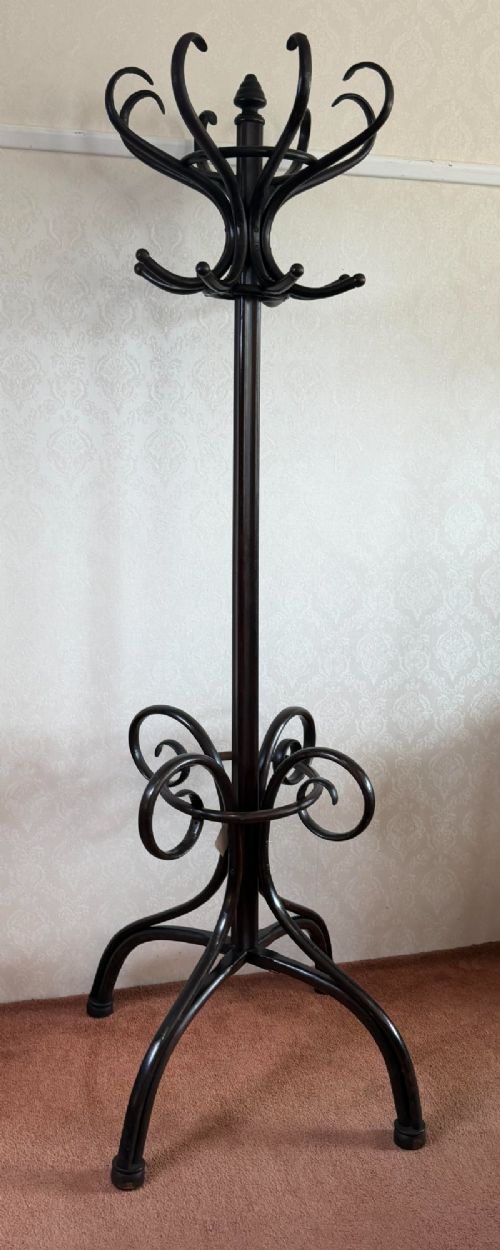
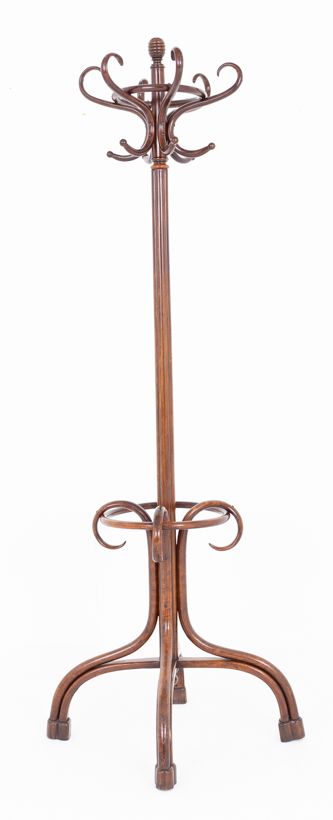
Hall stands and coat racks dominate the standing forms, often featuring intricate double tops for hats and garments. Seating options range from matched sets of bistro chairs to diminutive child rockers and gout stools.
How they were made
Makers utilised beech, beechwood, and general wood components subjected to steam heat to achieve sweeping, continuous curves without structural joints. Selected timber softened in steam chests before being bent manually into iron forms and dried to retain permanent shape.
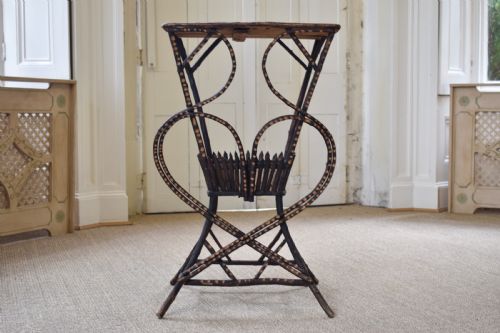
Surface treatments involve stained wood finishes that emphasise the grain of the beech, alongside complementary materials like cane, bark, and twigs. Specific items incorporate original bergere weaving for seating panels and rosewood table tops mounted on bentwood frames.
Victorian Bentwood Furniture Retail Price Guide 2026
Typical asking prices for victorian bentwood furniture among the pieces listed under this phrase on Sellingantiques today, from the lower quarter to the upper quarter. They describe what is for sale here now, not the wider market.
Some miniature bentwood rockers were made specifically for dolls rather than humans, bringing full-scale steam-bent mastery down to miniature proportions.
What varies in quality
Quality in these pieces rests upon the integrity of the steam-bent curves and the retention of original components such as cane panels and double top structures. Uniformity in the radius of the bends and the tightness of assembly distinguish superior output from standard utility items.
The presence of maker attribution, specifically through Thonet production, influences the standing of individual tables and chairs. Surface preservation, including the depth of the stained wood finish and the condition of auxiliary elements like bark or twig additions, dictates the overall character of each piece.
Thonet
The Victorian Bentwood Furniture Glossary
- Bentwood
- Wood shaped by applying steam and pressure to create curved structural members. This technique allows for lightweight furniture with exceptional strength.
- Bergere
- A woven cane panel used for seats and backs. It provides flexible support while maintaining a light visual profile.
- Bistro chair
- A lightweight dining chair designed for commercial cafes and domestic dining rooms. These chairs use multiple steam-bent elements to form the backrest and legs.
- Folk art
- Items produced outside mainstream industrial workshops, often incorporating raw materials like twigs and bark. These pieces display individual artisan expression.
- Gout stool
- A low footstool designed to elevate feet and legs for comfort. They frequently incorporate adjustable angles and woven surfaces.
Victorian Bentwood Furniture: Frequently Asked Questions
What defines bentwood furniture?
Bentwood furniture is characterised by solid timber softened in steam chambers and bent into curved frames. This engineering method produces strong, lightweight objects without traditional joinery.
Makers applied this technique extensively to chairs, tables and hall stands throughout the nineteenth and early twentieth centuries.
How do I care for cane panels?
Cane panels require gentle cleaning with a damp cloth and occasional moisture to prevent brittleness. Avoid placing them near direct heat sources that dry out the natural fibres.
Proper humidity levels help maintain the tension and flexibility of the original woven surfaces.
Where were coat stands placed?
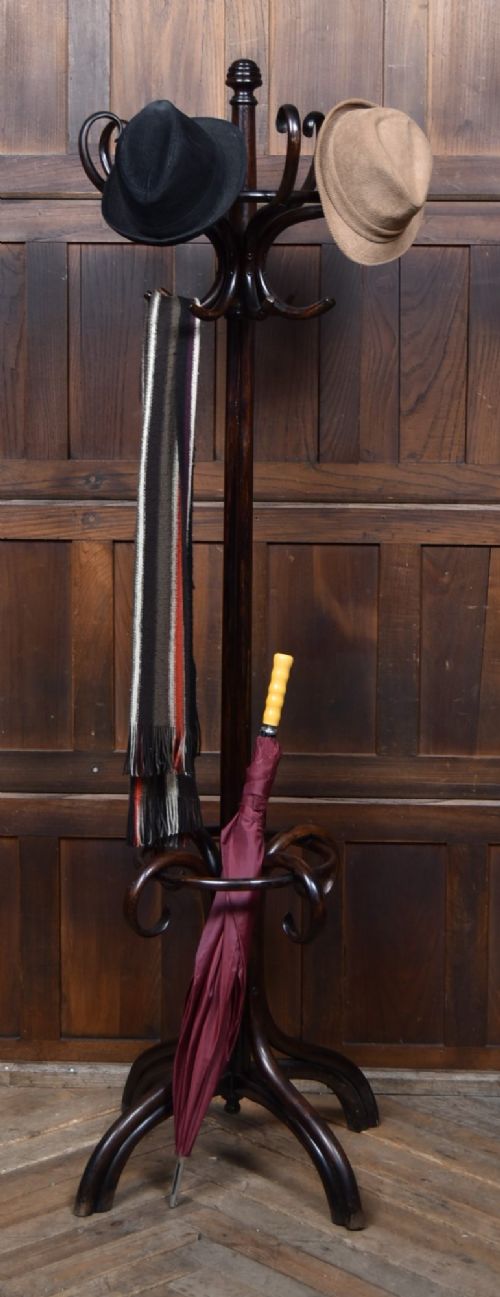
Coat and hat stands stood primarily in entrance halls and vestibules for daily outdoor wear. Their vertical frames held garments, hats and accessories efficiently in narrow spaces.
Double top configurations allowed households to store multiple layers of hats and coats simultaneously.
How do I distinguish different periods?
Distinguishing periods involves examining structural complexity, stamp marks, and material combinations. Victorian and Edwardian examples often feature distinct turning and mounting hardware.
Maker attributions and specific catalogue designs help date pieces more precisely alongside general stylistic shifts.