
Victorian Bench Seat
When choosing a victorian bench seat, you are selecting a practical piece of 19th-century seating designed for hallways, gardens and grand rooms alike.
Victorian Bench Seat
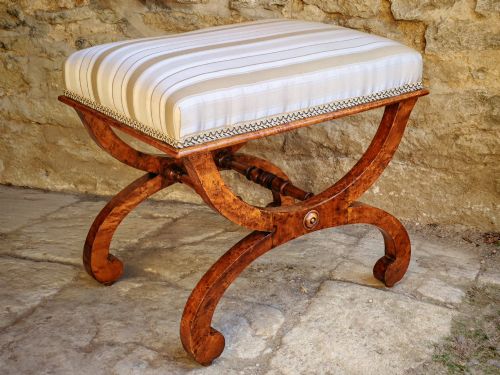
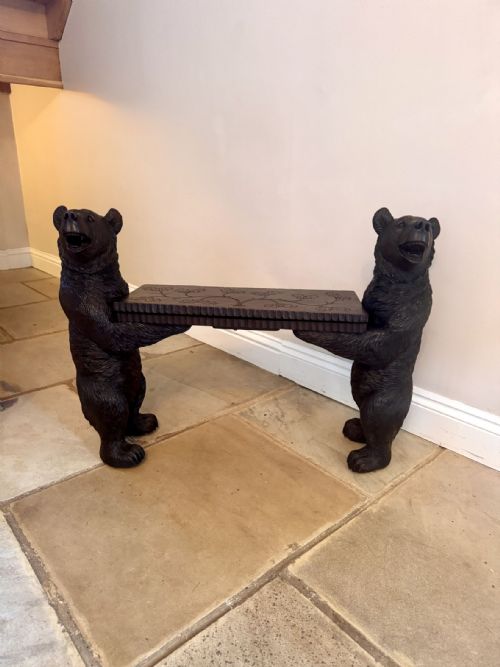
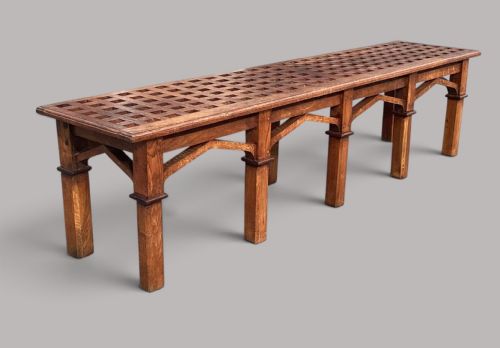
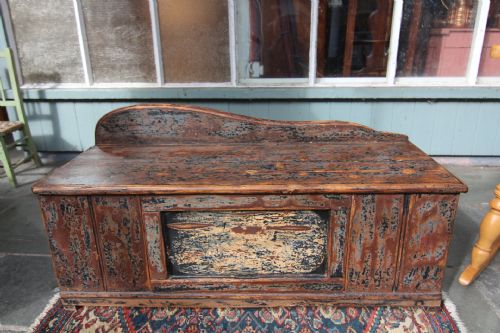
A victorian bench seat encompasses a wide variety of domestic and outdoor forms originating throughout the nineteenth century, including hall benches, garden seats, settles and window seats.
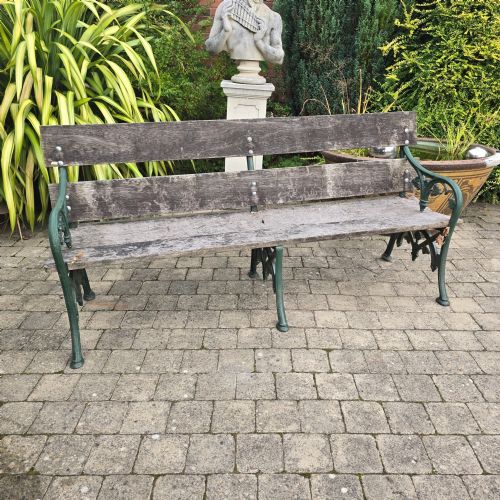
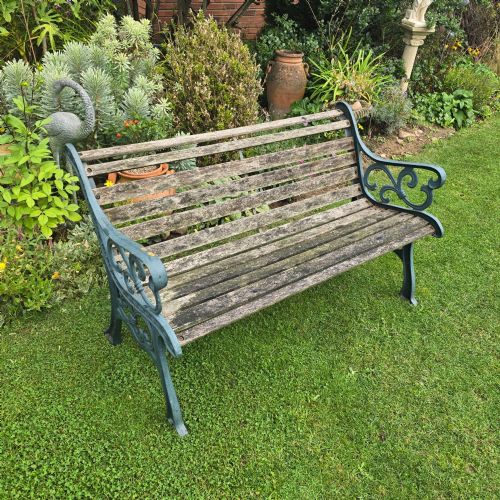
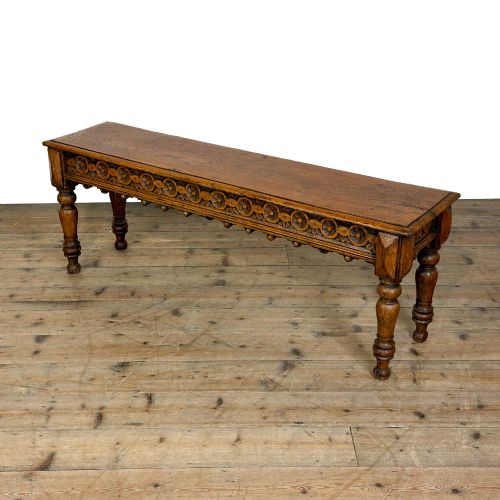
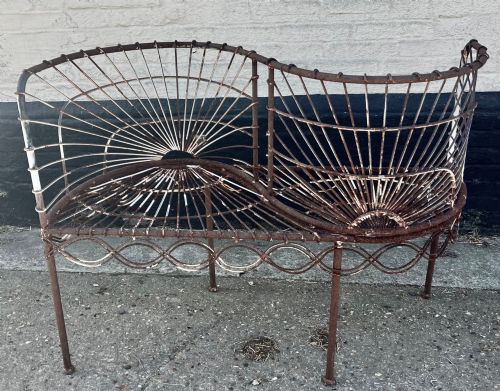
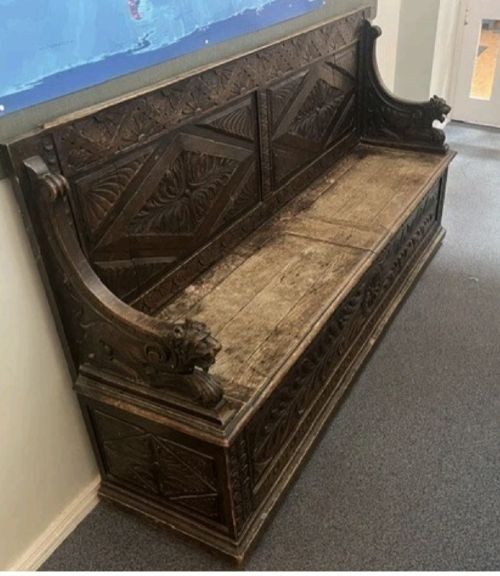
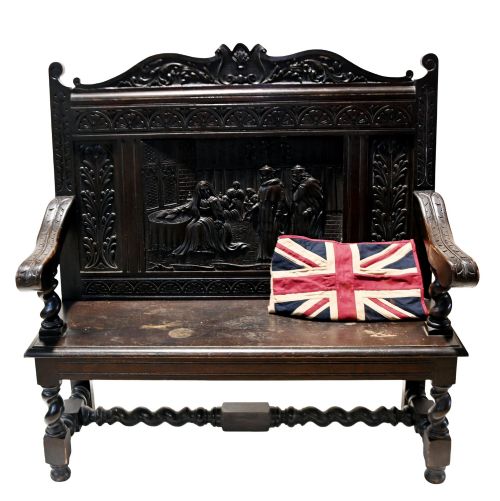
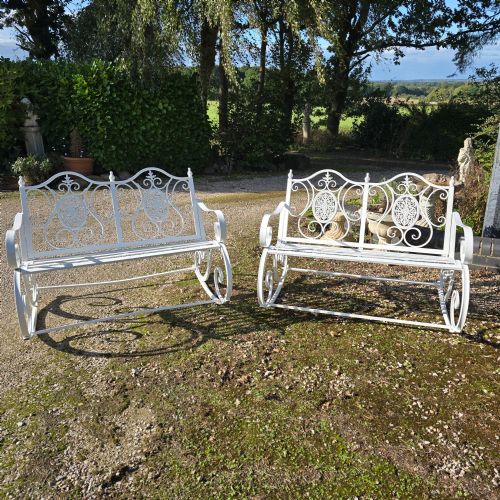
Buyers seeking these items will frequently encounter substantial carved oak hall benches with panelled backs or storage boxes, alongside cast iron garden furniture featuring intricate leaf and berry motifs.
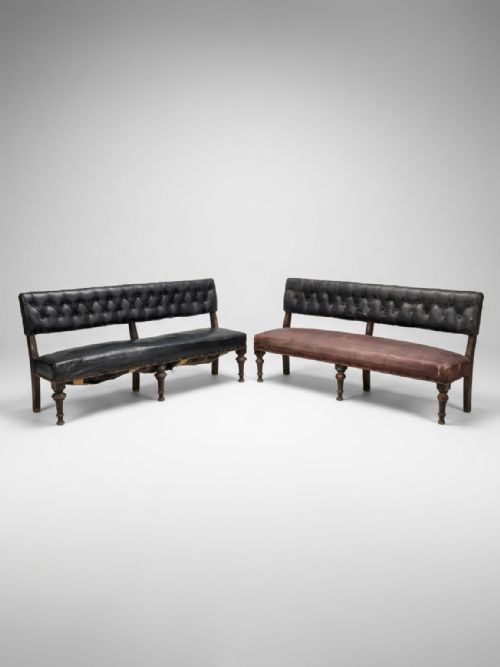
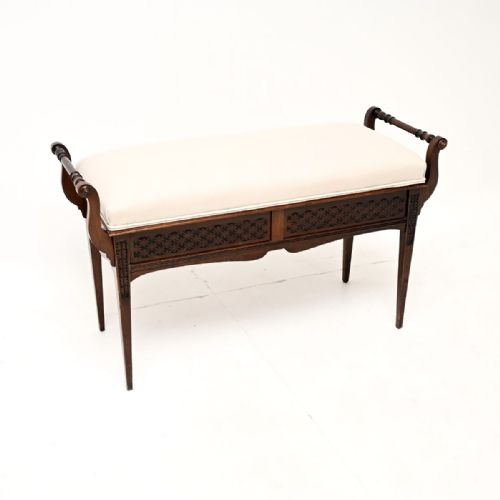
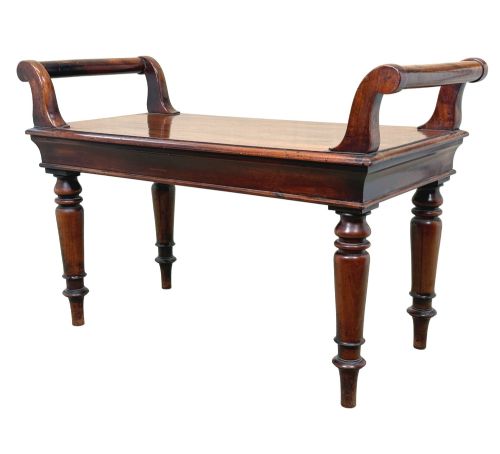
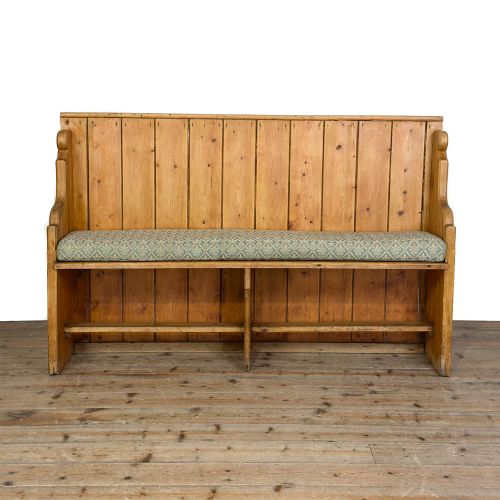
The selection also spans slim pine hallway pieces, upholstered mahogany window seats, and architectural church pews reflecting the revival styles of the period.
How they were made
Cabinet makers utilised solid hardwoods such as oak, mahogany, walnut and rosewood, employing traditional joinery and detailed hand carving for interior seating.
Foundries produced durable outdoor furniture in cast iron and wrought iron, frequently incorporating complex botanical patterns into the metalwork.
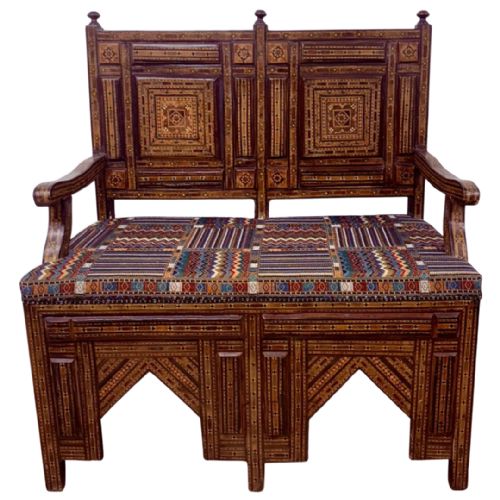
Secondary timbers like pine and elm served practical domestic roles, while interior examples often received fabric, needlework or leather upholstery.
Tram and trolley bus benches offer passengers a truly mobile seating experience with reversible backs.
What varies in quality
The distinction between standard examples and finer pieces lies in the crispness of the timber carving, the choice of primary wood, and the structural integrity of the frame.
Foundry-marked cast iron garden pieces demonstrate superior design execution compared to unmarked commercial variants, retaining sharper details in their botanical motifs.
Original upholstery methods, surviving hardware such as hinges and brackets, and uncompromised proportions separate everyday utility items from more ambitious architectural commissions.
Falkirk Carron Foundry·Gillows
The Victorian Bench Seat Glossary
- Hall bench
- A seating piece designed for an entrance hallway, often incorporating panelled backs, coat hooks, or storage beneath the seat.
- Settle
- A wooden bench with high backs and arms, traditionally built with a box base to keep draughts away from the floor.
- Monk's bench
- A versatile dual-purpose furniture form featuring a hinged top that converts the backrest into a table surface.
- Window seat
- A low, long bench proportioned specifically to sit beneath window recesses, frequently constructed in mahogany or walnut.
- Club fender
- A large freestanding hearth seat framed in brass or iron with upholstered leather top rails.
Victorian Bench Seat: Frequently Asked Questions
Where should I place a hall bench?
These pieces suit entrance halls, boot rooms and corridors where visitors gather, providing both a firm place to sit and integrated storage for everyday items.
Their narrow footprints allow them to fit snugly against walls without obstructing thoroughfares in domestic interiors.
How do I care for wooden bench seats?
Polishing hardwood surfaces with traditional wax helps maintain the grain and protects the finish from dry indoor atmospheres over time.
Keeping timber items away from direct heat sources prevents warping and preserves the structural stability of old joints.
Can cast iron benches stay outside?
Metal garden seating withstands outdoor conditions well, though monitoring the surface for weathering helps preserve the integrity of the iron.
Applying protective treatments during damp winter months guards against rust and maintains decorative details on patterned foundry castings.
What is the difference between a pew and a settle?
Church pews feature open or closed ends designed for ecclesiastical rows, whereas settles incorporate enclosed backs and sides intended to block household draughts.
Settles frequently include lidded box bases for storage, distinguishing them from standard bench seating.