



Victorian Arts and Crafts Furniture
Victorian arts and crafts furniture brings honest construction and utility into daily rooms through solid timbers and thoughtful metalwork.
Victorian Arts and Crafts Furniture
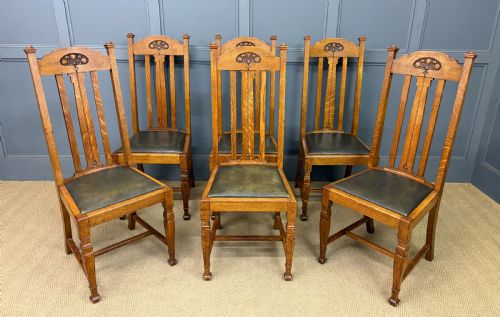
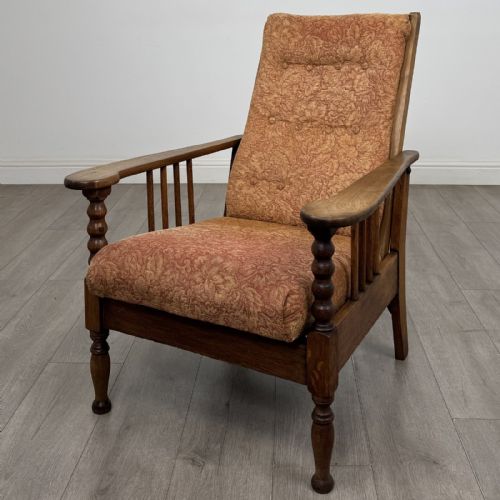
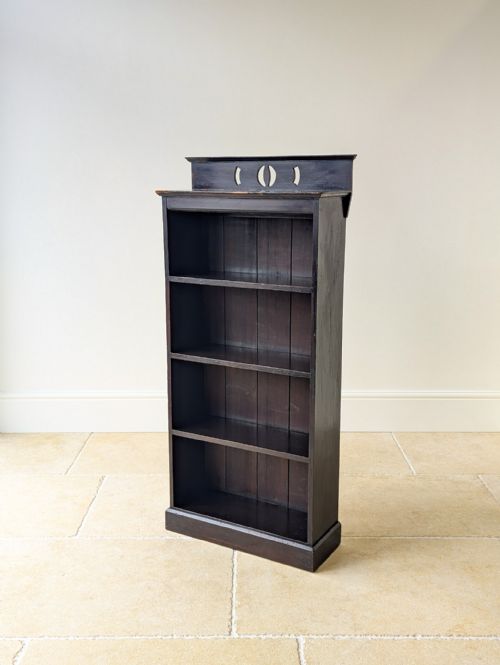
Victorian arts and crafts furniture encompasses practical domestic forms built during the nineteenth and early twentieth centuries, drawing on styles such as Aesthetic Movement, Gothic Revival, and Art Nouveau. Buyers searching this phrase commonly encounter robust oak, pine, and walnut items designed for everyday utility, ranging from open bookcases and wardrobes to washstands, desks, and reclining armchairs.
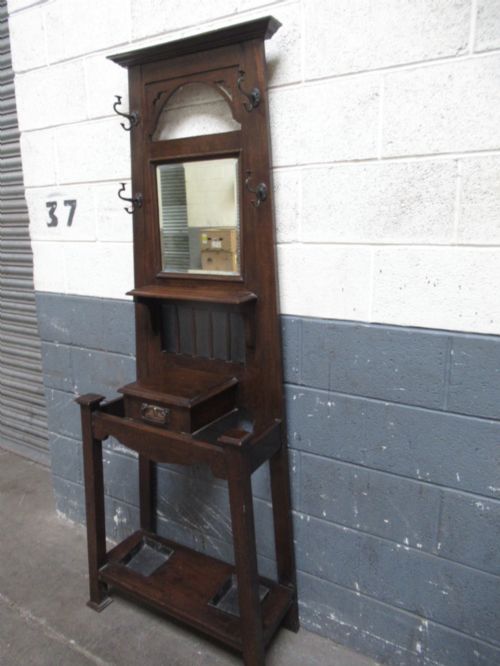
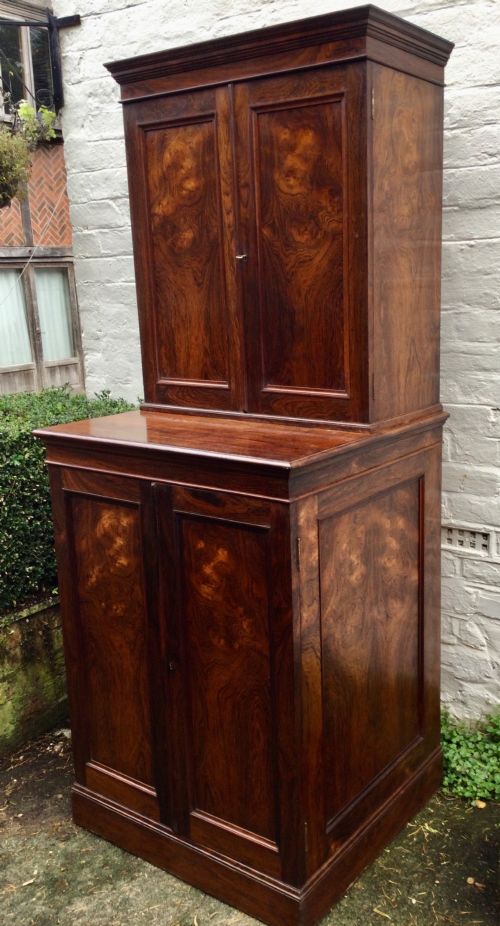
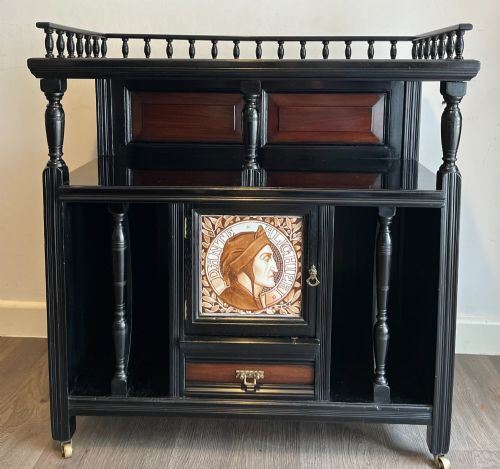
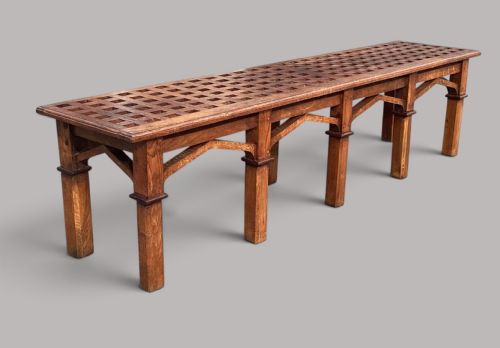
The objects on this page reflect both utilitarian household needs and artistic design reforms, appearing in polished golden oak, stained pine, and richly figured walnut. Sideboards, hall benches, and music cabinets demonstrate how makers combined straightforward storage with expressive detailing like ceramic tiles or exposed brass hardware.
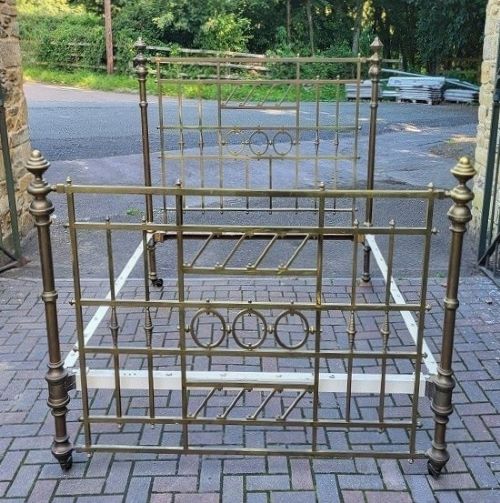
Originating across varied regions including Scotland and England, these pieces span decades from the eighteen-eighties onward into the Edwardian era. Whether selecting a small desk or a substantial bedstead, collectors find domestic items intended for practical service rather than idle display.
How they were made
Makers constructed these pieces using solid timbers like oak, ash, walnut, mahogany, and pine, often leaving the natural grain visible or applying simple wax finishes. Structural joints relied on traditional carpentry methods to ensure durability under daily household use without depending on excessive veneer or heavy applied ornamentation.
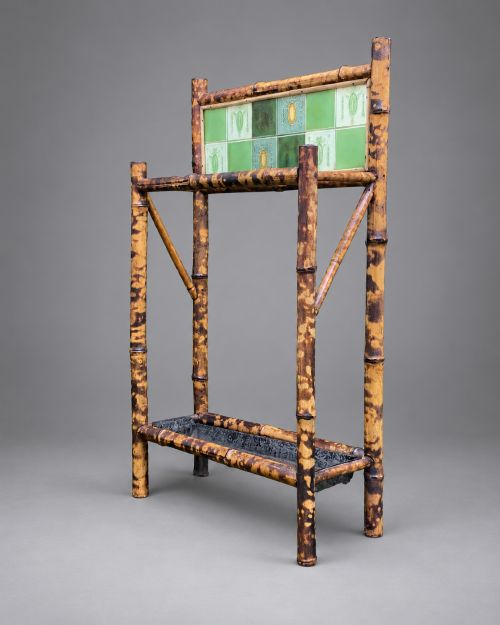
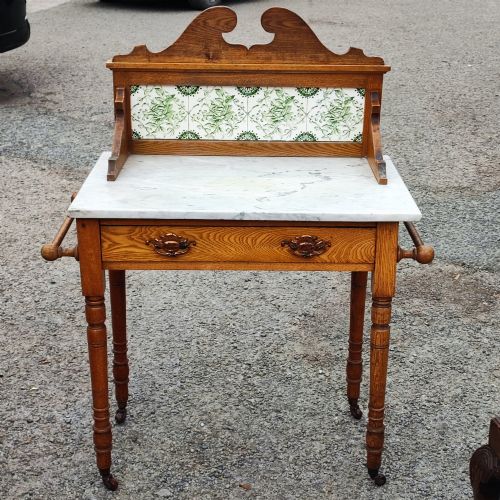
Metal components such as brass door handles, finger plates, and hinges served a functional role while adding decorative contrast to the timber surfaces. Ceramic tiles, sometimes associated with specific designers, were integrated into washstands and cabinets alongside marble tops to create durable, water-resistant functional areas.
Victorian Arts and Crafts Furniture Retail Price Guide 2026
Typical asking prices for victorian arts and crafts furniture among the pieces listed under this phrase on Sellingantiques today, from the lower quarter to the upper quarter. They describe what is for sale here now, not the wider market.
Listings feature solid oak, walnut, ash, mahogany, and pine across desks, washstands, wardrobes, and bookcases from the nineteenth and early twentieth centuries.
What varies in quality
Quality in these domestic pieces rests on the selection of timber and the integrity of the joinery rather than superficial surface decoration. Heavier gauges of oak or walnut and carefully chosen grain patterns separate standard utilitarian workshop items from pieces produced by notable retailers and retail firms.
The integration of secondary materials defines the upper tier of execution, seen in well-fitted marble tops, hand-beaten brass hardware, and specialised ceramic tiles. Pieces retaining their original structural bracing and unmodified fittings demonstrate a higher standard of craftsmanship from original construction.
Charles Bevan·Christopher Dresser·Shapland and Petter·John Moyr Smith·GM Elwood·JS Henry·Harris Lebus of Tottenham·Liberty and Co·William Morris·Morris and Co·J Herbert McNair·Simpsons of Kendall
The Victorian Arts and Crafts Furniture Glossary
- Purdonium
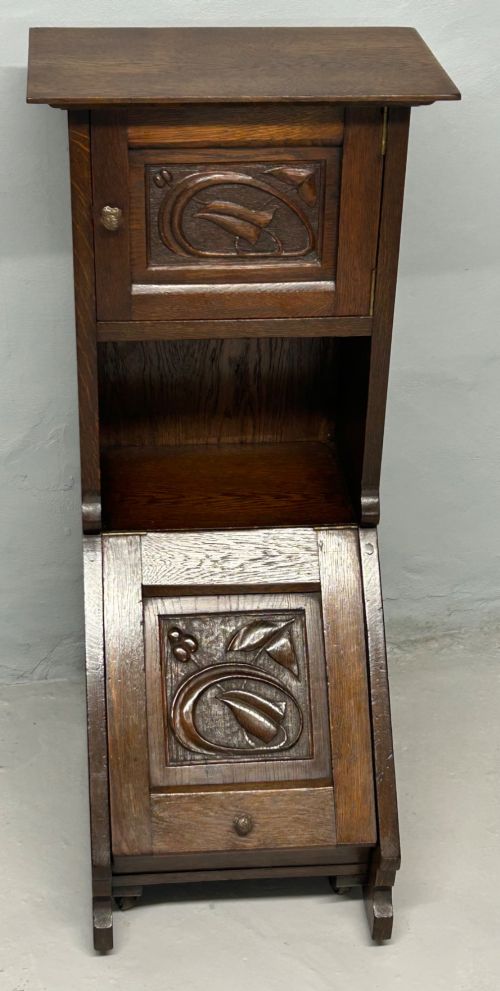
- A specialised household cabinet designed to store coal near a fireplace, typically featuring a sloping front and an internal metal liner. These items combined functional domestic utility with decorative timber framing.
- Washstand
- A dedicated piece of bedroom or bathroom furniture holding a basin, often fitted with a marble top and tiled splashback to protect surrounding walls. They frequently incorporated lower cupboards or shelves for water jugs.
- Sussex armchair
- A traditional lightweight seating form with turned wooden uprights and rush or woven seats, popularised during the nineteenth century. These chairs derived their aesthetic from vernacular country designs.
- Thebes stool
- A low stool featuring splayed legs and a concave seat, inspired by ancient Egyptian artefacts and adapted by late nineteenth-century designers. They were commonly constructed in solid wood with simple stretcher supports.
- Reformed Gothic
- A nineteenth-century design style emphasising structural clarity, medieval construction principles, and flat geometric ornamentation. Furniture in this manner rejected excessive curves in favour of rectilinear framing.
Victorian Arts and Crafts Furniture: Frequently Asked Questions
What is a purdonium used for?
A purdonium is a dedicated household container built to hold coal near a fireplace, keeping fuel neatly enclosed within a decorative wooden housing.
These small cabinets typically feature a hinged or sloping front panel and often contain a removable metal liner for easy ash disposal.
How do I identify an arts and crafts wardrobe?
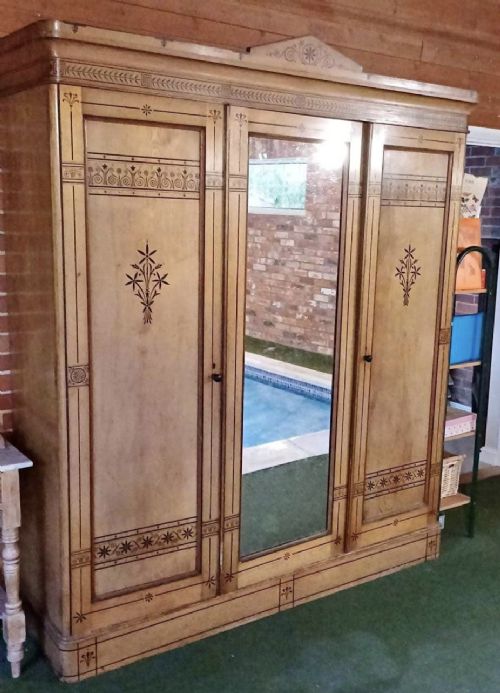
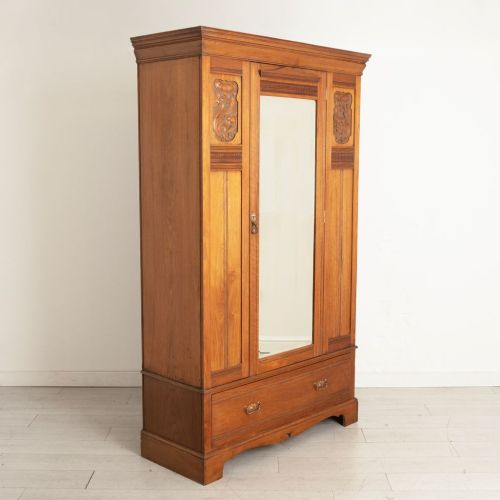
These wardrobes emphasise honest timber construction, straight lines, and functional hardware such as exposed brass hinges and lock escutcheons rather than heavy carved veneers.
Many examples utilise solid oak, pitch pine, or walnut, sometimes incorporating full-length mirrors or integrated side drawers.
Where should I place a music cabinet?
A music cabinet suits a living room or study where its specialised internal shelving can store sheet music, books, or small media collections.
These compact freestanding pieces fit well against empty wall spaces or beside seating areas without overwhelming smaller rooms.
What is the difference between a washstand and a side table?
A washstand is specifically built for bathroom or bedroom ablutions, featuring a protective splashback, a stone or marble top, and space for a ceramic basin and water jug.
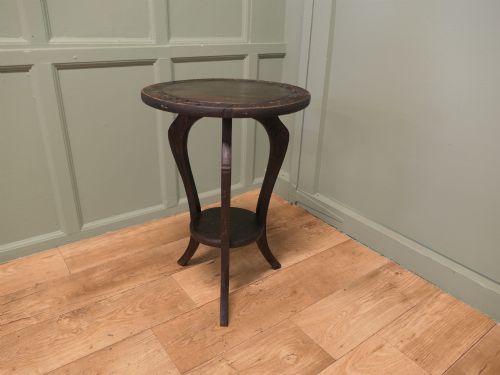
A side table serves a general surface purpose in hallways or reception rooms without the specialised water-resistant inserts found on washstands.
How do I care for wax finished oak furniture?
Care for wax-finished oak involves occasional gentle dusting with a dry cloth and applying a traditional beeswax polish when the timber begins to look dry.
Avoid placing these items near direct heat sources or in damp conditions to prevent the solid wood from warping or splitting.