


Victorian Art Table
These pieces give the term victorian art table its substance, uniting the practical forms of the nineteenth century with the distinct decorative ethos of the period.
Victorian Art Table
A victorian art table encompasses occasional furniture, side pieces, and smaller functional items produced across the nineteenth century and into the early twentieth century. These objects emerge from periods associated with Victorian production, Arts and Crafts movements, and Art Nouveau design.
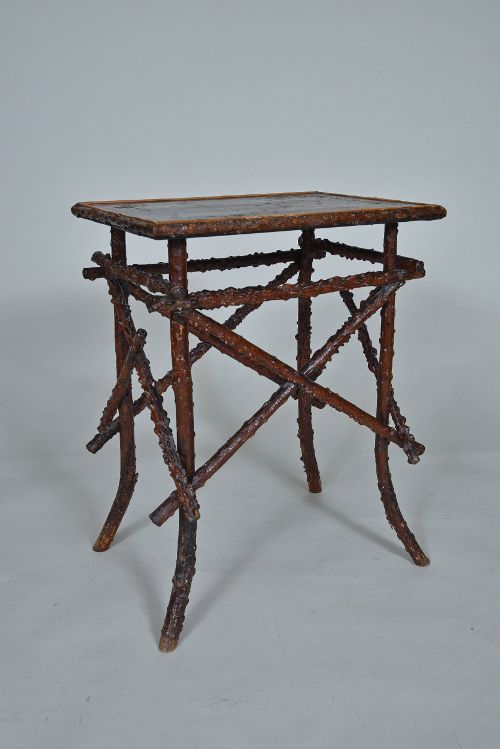
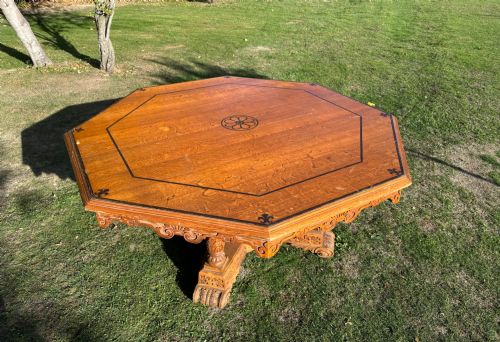
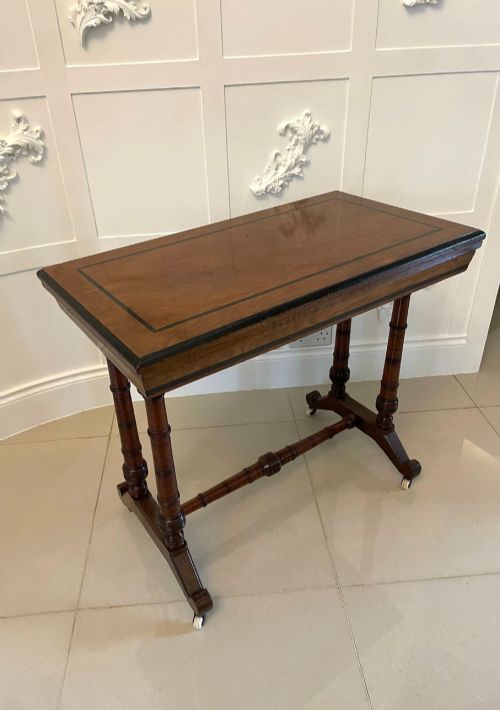
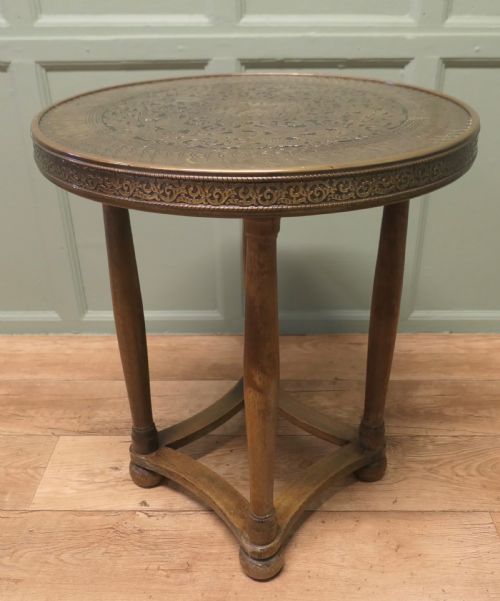
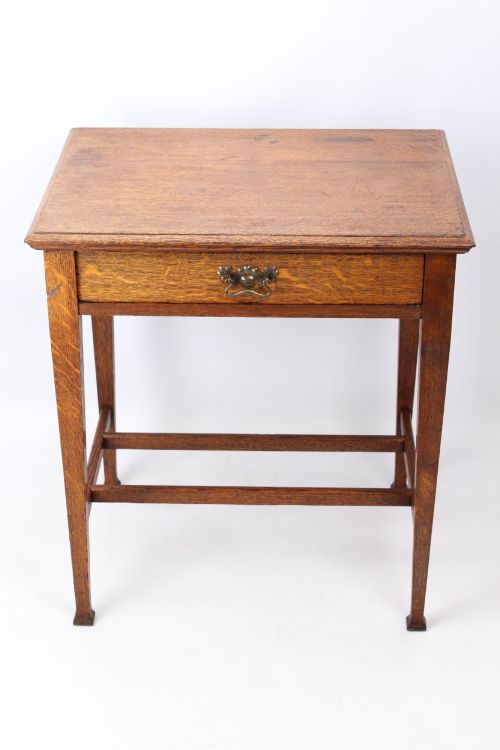
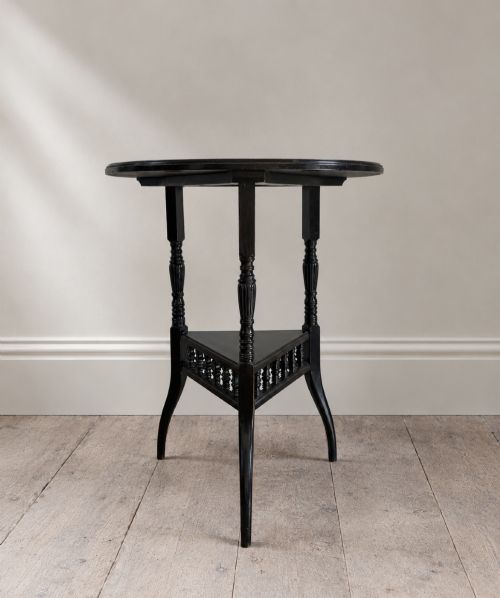
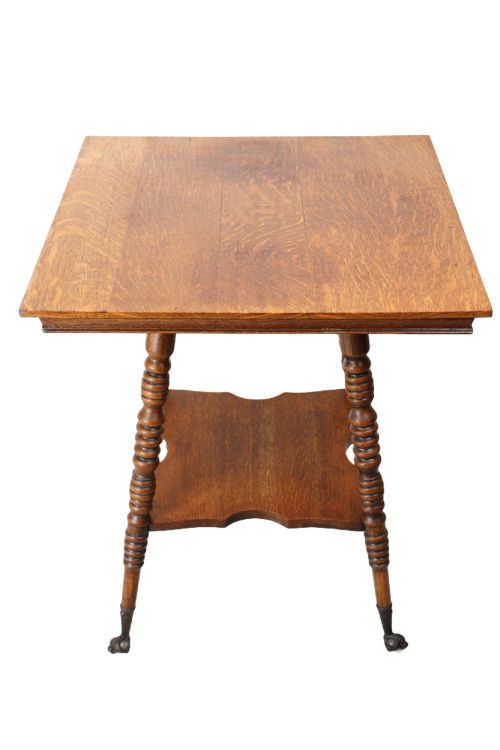
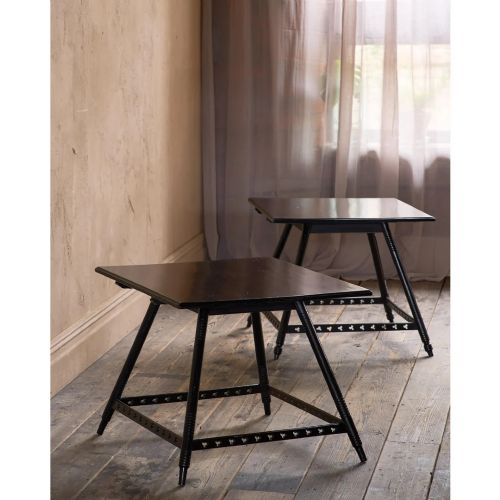
The selections encountered here lean heavily toward oak side tables, occasional tables, and occasional desks influenced by Arts and Crafts principles. Alongside these wooden items, one finds brass-topped tables, pieces incorporating tiles, and variations featuring ebonised finishes.
Makers and designers working within these styles utilise specific regional timbers and decorative motifs, creating domestic furniture intended for both utility and artistic display. The forms range from plain, honest construction to pieces carrying distinct surface ornamentation.
Materials and Techniques
Construction relies predominantly on solid oak, ash, and mahogany, frequently paired with secondary woods and ebonised treatments. Joinery follows traditional methods appropriate to the period, supporting structural integrity in side tables and desks.
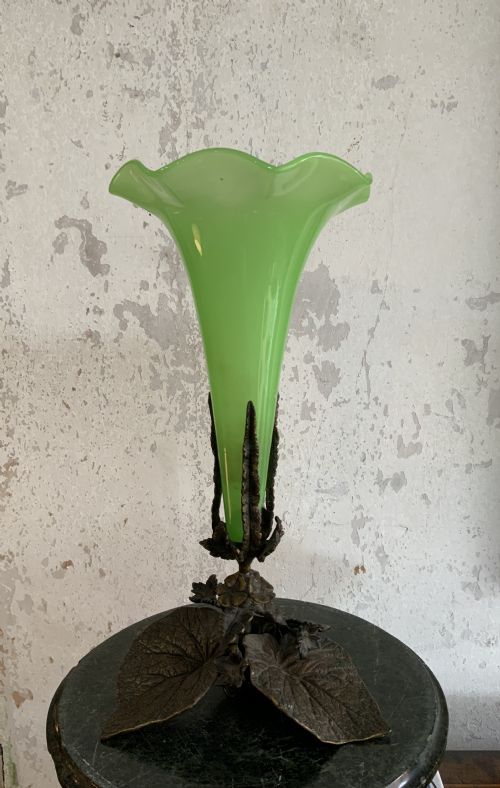
Surface embellishment incorporates brass work, ceramic tiles, and lacquer or painted decoration. Metal elements such as brass tops and copper or bronze fixtures are fixed directly to timber frames, while glass and ceramic components integrate into the overall design.
Victorian Art Table Retail Price Guide 2026
Typical asking prices for victorian art table among the pieces listed under this phrase on Sellingantiques today, from the lower quarter to the upper quarter. They describe what is for sale here now, not the wider market.
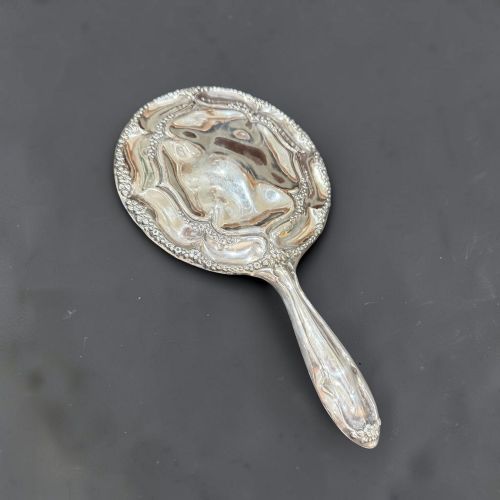
Materials recorded across the inventory include oak, mahogany, ash, brass, glass, paint, silver plate, and general wood.
Distinctions in Standard
Quality rests in the integrity of the timber selection, the execution of the joinery, and the provenance of any associated artistic elements such as tiles or metalwork. Pieces showing thoughtful integration between structural wood and applied decoration stand apart from simpler utilitarian items.
The presence of documented workshop origins, specific tile makers, or identifiable stylistic attributes elevates an item beyond standard production. Original surfaces and unaltered structural components preserve the integrity that collectors look for in these tables.
Charles Bevan·Christopher Dresser·E W Godwin·W A S Benson·Liberty of London·William Birch·Royal Doulton·WMF·William Hutton
The Victorian Art Table Glossary
- Arts and Crafts
- A design movement advocating traditional craftsmanship, simple forms, and the use of local materials. It developed as a reaction against mass production.
- Ebonisation
- A finishing technique that darkens wood to imitate ebony. This treatment appears frequently on nineteenth-century side tables and occasional furniture.
- Tile Top
- A tabletop inset with decorative ceramic tiles. These tiles often originate from known tile manufacturers of the period.
- Side Table
- A small table designed to stand against a wall or beside other furniture. They serve utilitarian purposes while displaying decorative characteristics.
Victorian Art Table: Frequently Asked Questions
What defines a victorian art table?
These tables are nineteenth- and early twentieth-century pieces that combine utilitarian forms with the aesthetic movements of the era, notably Arts and Crafts and Art Nouveau.
They typically take the form of side tables, occasional tables, or small desks constructed from oak or ash, often featuring integrated tiles or metal tops.
How were these tables used originally?
In period interiors, these tables functioned as versatile surfaces for lamps, writing, or displaying decorative objects in reception rooms and parlours.
Their domestic utility matched their visual role, offering stable surfaces that contributed to the artistic interior schemes popular during the late nineteenth century.
How do I care for wood and brass?
Maintenance requires gentle cleaning with appropriate soft cloths, avoiding harsh chemical polishes that can strip original finishes from the timber.
Brass tops and decorative metal elements benefit from occasional light dusting to preserve their surface without removing natural age patination.
How can I tell periods apart?
Distinguishing between periods involves examining construction methods, timber choices, and stylistic vocabulary such as Gothic Revival detailing or organic Art Nouveau curves.
Earlier nineteenth-century pieces often display heavier proportions and Reformed Gothic influences, while later examples embrace lighter Arts and Crafts frameworks or painted decoration.