


Victorian Art Studies
Victorian art studies capture the rigorous academic training, observation of nature, and preparatory drawings of the nineteenth century.
Victorian Art Studies
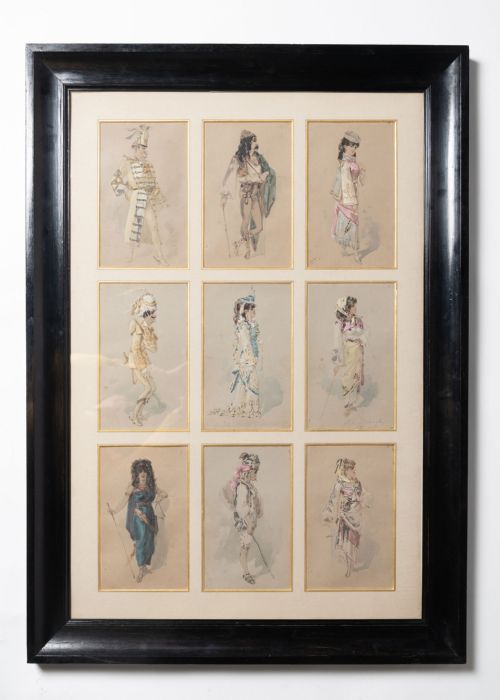
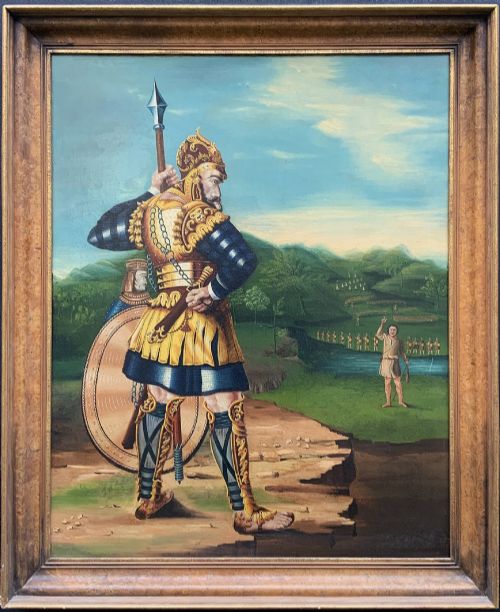
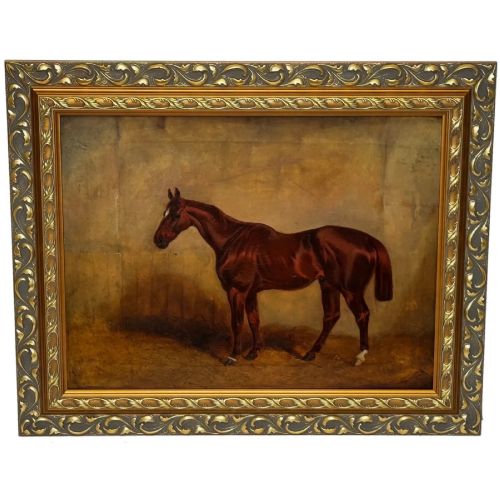
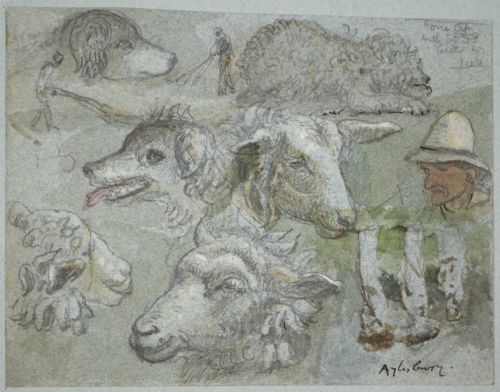
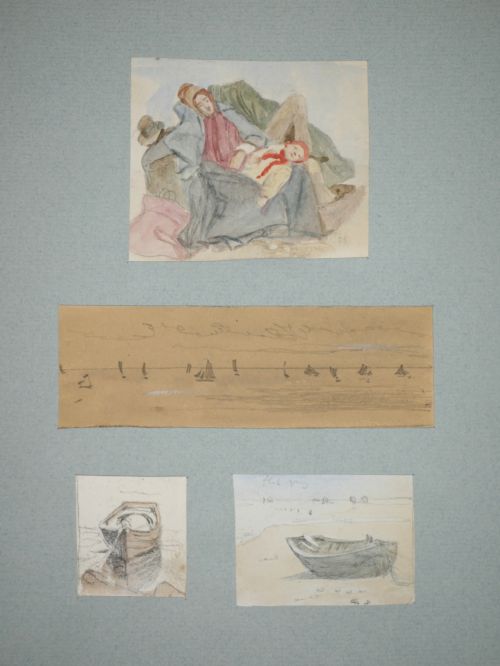
When buyers search for victorian art studies, they encounter a diverse range of works including academic life drawings, botanical watercolours, animal sketches, and preparatory oil paintings. These pieces reflect the serious training and observational practices of nineteenth-century artists.
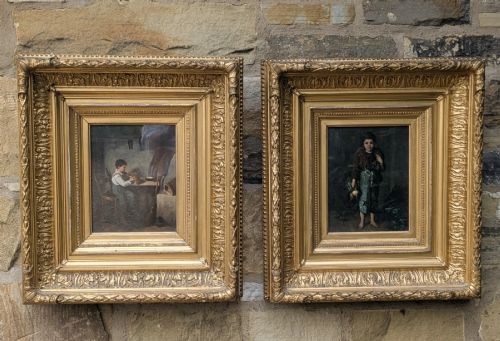
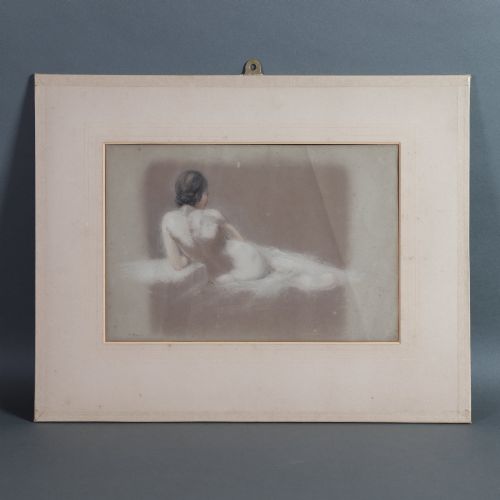
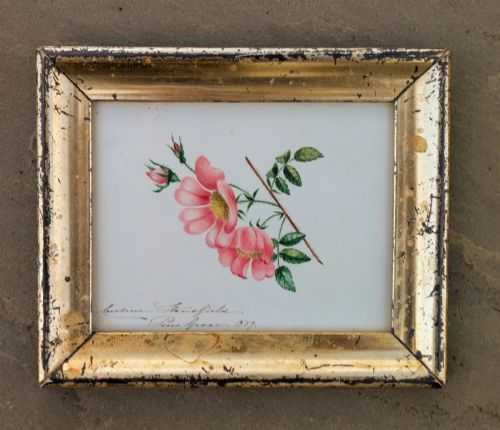
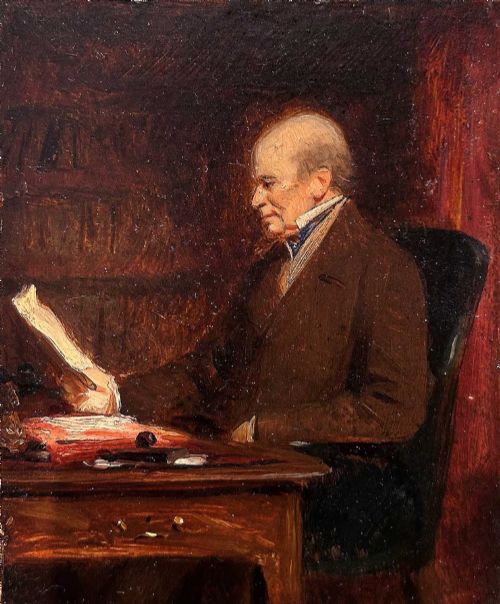
The selections available here lean heavily toward works on paper, framed watercolours, graphite life drawings, and oil paintings on panel or canvas. Subjects span from careful studies of plants and birds to figures and classical plaster casts.
Originating predominantly from the nineteenth century, these objects range from naive folk art and amateur botanical watercolours to signed academic drawings by known practitioners. They offer a direct window into the studio methods of the period.
Materials and methods
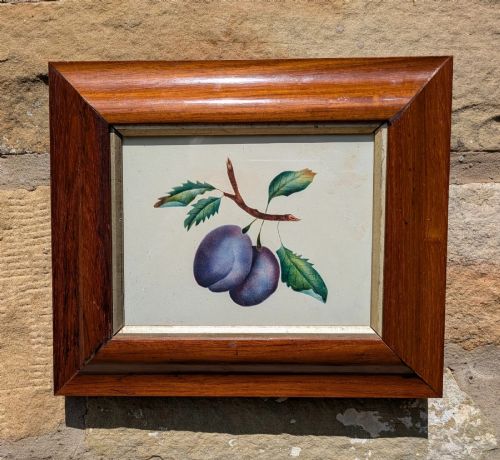
Works of this period rely primarily on paper, watercolour, graphite, and oil paint, often mounted within rosewood, gilt wood, or simple wooden frames. Artists utilised charcoal and mixed media on paper for rapid life studies and academic exercises.
Victorian Art Studies Retail Price Guide 2026
Typical asking prices for victorian art studies among the pieces listed under this phrase on Sellingantiques today, from the lower quarter to the upper quarter. They describe what is for sale here now, not the wider market.
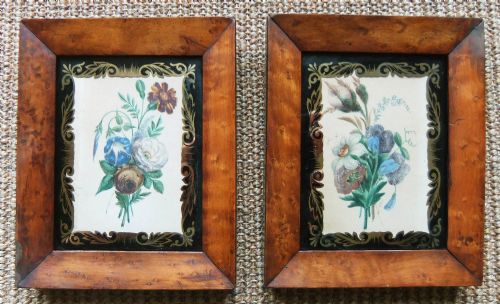
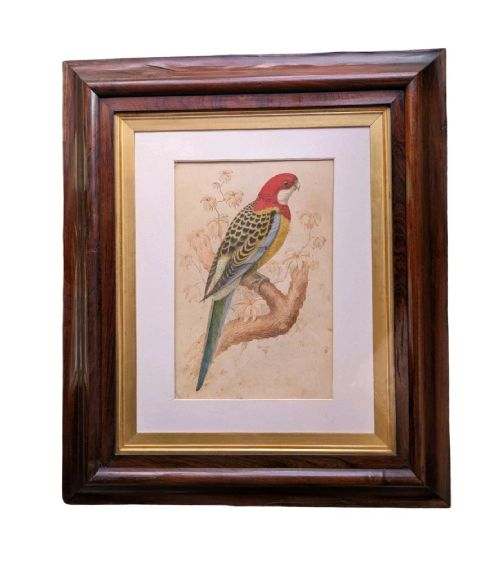
Several botanical watercolours retain their original rosewood frames, keeping nineteenth-century plant studies looking fresh after all this time.
Evaluating quality and execution
Quality in these works rests upon the surety of the line, the accuracy of anatomical or botanical observation, and the preservation of the medium. A skilled academic study demonstrates confident handling of shadow and form, whereas lesser examples show hesitation or stiff proportions.
The distinction between a finished exhibition piece and a working studio study lies in the spontaneity of the brushwork and the clarity of the underlying composition. Context, provenance, and the skill evident in secondary details such as animal musculature or botanical veining elevate the standing of a piece.
William Bird MD FLS·James Smetham·William Etty·Carl Haag·Stephen Pearce·Honore Cavaroc·Henry Arthur Roberts·William Frederick Settle·Sir Edwin Landseer RA·James Hardy Junior·William Andrews Nesfield·Sir Thomas Brock RA
The Victorian Art Studies Glossary
- Academic study
- A detailed drawing or painting created as an exercise in anatomy, proportion, or technique, often executed from life or classical sculpture.
- Watercolour
- A painting method in which the paints are made of pigments suspended in a water-based solution, frequently used for rapid sketching and botanical illustration on paper.
- Plaster cast
- A three-dimensional copy of a sculpture, utilised in nineteenth-century art academies for teaching students tonal rendering and form.
- Mixed media
- An artwork employing more than one medium or material, combining elements such as watercolour, graphite, and ink on a single surface.
- Provenance
- The chronological history of the ownership and origin of an artwork, establishing its authenticity and background.
Victorian Art Studies: Frequently Asked Questions
What is an academic art study?
An academic study is a preparatory or training work created by an artist to master human anatomy, perspective, or botanical structure.
These pieces were typically kept in the artist's studio rather than exhibited, providing insight into nineteenth-century training methods.
How do I care for nineteenth-century watercolours?
Works on paper require protection from direct sunlight and high humidity to prevent fading of pigments and degradation of the paper.
Displaying them behind conservation-grade glass helps preserve the delicate watercolours and graphite markings.
Are these works original or reproductions?
The listings comprise original nineteenth-century drawings, watercolours, and oil paintings created by hand during the period.
Each piece represents a unique historical artefact rather than a modern reproduction.
Why do some drawings depict plaster casts?
Nineteenth-century art academies required students to draw from classical statues to learn light, shadow, and proportion before progressing to live models.
These plaster cast drawings are characteristic exercises of the period's rigorous educational system.