




Victorian Army Portrait
A victorian army portrait captures the distinct likeness of military figures in oil or watercolour, offering an authentic window into nineteenth-century service.
Victorian Army Portrait
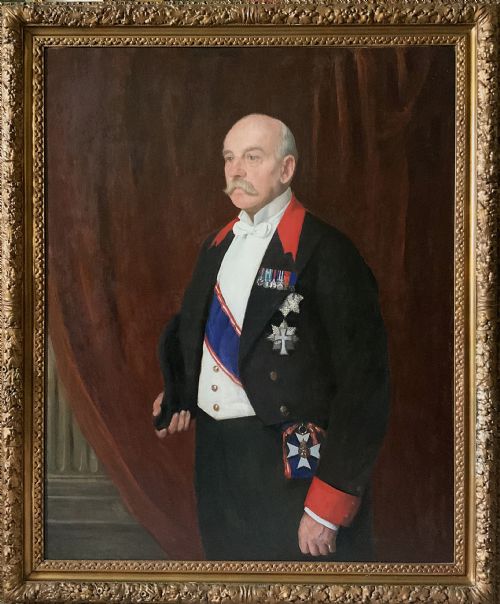
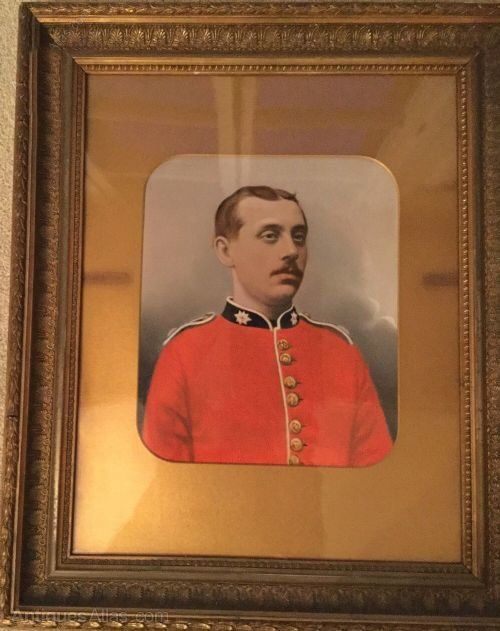
When you search for a victorian army portrait, you find painted and printed likenesses of officers, guardsmen, and commanders from the nineteenth century. These artworks record the faces of men who served in regiments such as the Coldstream Guards and the 3rd Dragoon Guards. Such pieces range from large oil paintings on canvas to framed watercolours and period prints.
The examples available here lean heavily toward nineteenth-century oil paintings on canvas depicting named and unnamed officers. You will also encounter framed watercolours from around eighteen fifty alongside printed Vanity Fair group portraits. Each item preserves the uniform and bearing of an earlier military era through traditional artistic mediums.
Materials and methods
Artists working on a victorian army portrait typically utilised oil paints applied to stretched canvas, building up rich colour and detail in the uniforms. Watercolours on paper offered a more immediate medium for military likenesses, often finished with protective glass and housed within gilt wood or timber frames. Printmakers utilised paper for published works like Vanity Fair spreads.
The physical construction of these artworks relies on traditional framing techniques using wood and gilt finishes to complement the canvas or paper supports. Pigments mixed in oil or water render the precise hues of red coats, black-and-white officer attire, and military accoutrements. Preservation of these materials depends on stable indoor environments away from direct sunlight.
Victorian Army Portrait Retail Price Guide 2026
Typical asking prices for victorian army portrait among the pieces listed under this phrase on Sellingantiques today, from the lower quarter to the upper quarter. They describe what is for sale here now, not the wider market.
Listings feature works from the nineteenth century, including pieces dated around eighteen fifty, eighteen ninety, and nineteen hundred.
What separates the finest pieces
The distinction between standard works and exceptional examples lies in the skill of the brushwork and the presence of a recorded artist. Paintings by known hands, such as Francis Russell Flint or Sir Hubert Von Herkomer, carry greater artistic weight than anonymous studio productions. The fidelity of the uniform details and the psychological depth of the sitter further elevate a piece.
Condition and originality also dictate the standing of an artwork within this category. Pieces retaining their original gilt wood frames and undisturbed canvas supports command stronger visual and historical presence. Evidence of careful preservation without heavy restoration ensures the integrity of the original paint layers.
Francis Russell Flint·George Duncan Beechey·Sir Hubert Von Herkomer·Sir Richard Westmacott·William Edward Millner
The Victorian Army Portrait Glossary
- Oil on Canvas
- A painting medium where pigments are suspended in a drying oil, applied to a woven fabric support stretched across a wooden frame. This technique allowed artists to achieve rich tones and durable surfaces for military commissions.
- Watercolour
- A painting method in which natural pigments are suspended in a water-based solution, typically applied to paper. It was frequently chosen for portable and intimate military officer portraits.
- Gilt Wood
- Timber that has been coated with a thin layer of gold leaf or metallic gilt paint, commonly used for nineteenth-century picture frames. This finish adds reflective warmth to the border of the artwork.
- Vanity Fair Print
- A published periodical illustration featuring caricature portraits of notable public figures, printed on paper. These sheets provide accessible historical records of late nineteenth-century military groups.
Victorian Army Portrait: Frequently Asked Questions
How do I identify a Victorian army portrait?
Look closely at the uniform styles, facial hair, and painting techniques typical of the nineteenth century. Military dress often displays specific regimental colours and insignia that correspond to known historical units.
Check for artist signatures, framing materials, and canvas types that match nineteenth-century production standards. Comparing the subject's rank and attire with historical military records helps confirm the era.
Were these portraits painted from life?
Many officers sat directly for their portraits, particularly when commissioned by regiments or families to mark promotions. Formal sittings ensured accurate depiction of medals, uniforms, and facial likenesses.
Some later or posthumous works relied on photographs or earlier sketches rather than live sittings. The level of fine detail in the facial expression often indicates whether the artist worked from direct observation.
How should I care for a canvas painting?
Keep oil paintings on canvas away from extreme temperature fluctuations and direct sunlight to prevent cracking or fading. Maintain a stable indoor humidity level to protect both the wooden stretcher and the paint layer.
Dust the surface gently with a soft, dry brush rather than using chemical cleaners or damp cloths. Consult a professional art restorer if the canvas requires cleaning or structural repair.
What do uniform details tell us?
Uniforms reveal the specific regiment, rank, and historical campaign associated with the sitter. Details such as braided lace, gorgets, and cap badges provide exact clues to the military branch.
Changes in British military dress over the nineteenth century allow collectors to narrow down the date of the artwork. Red coats, brass buttons, and service ribbons all correspond to precise historical regulations.