
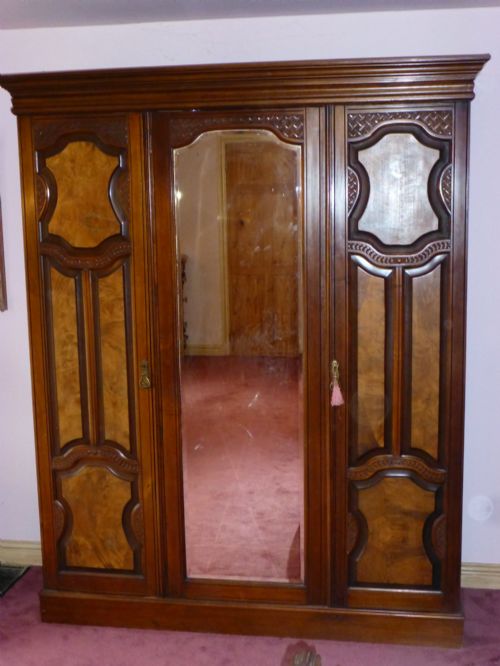
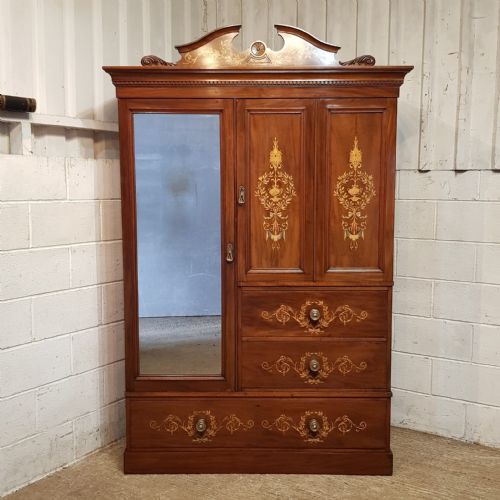
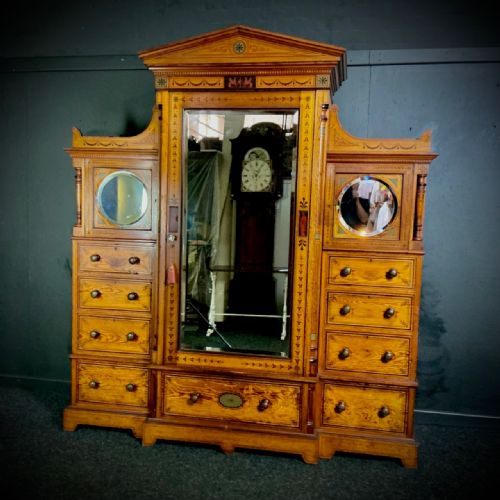
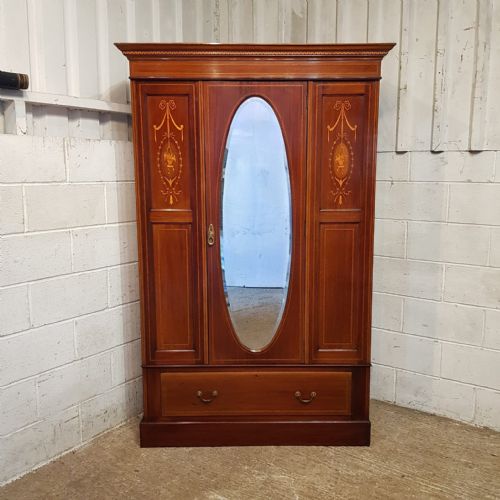
Victorian Armoire Mirror
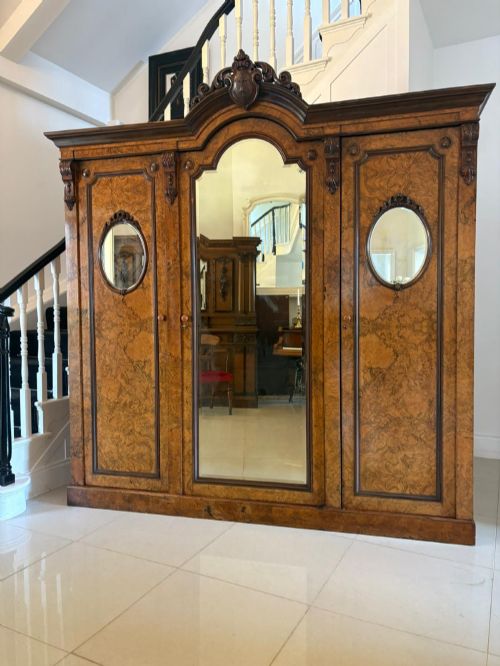
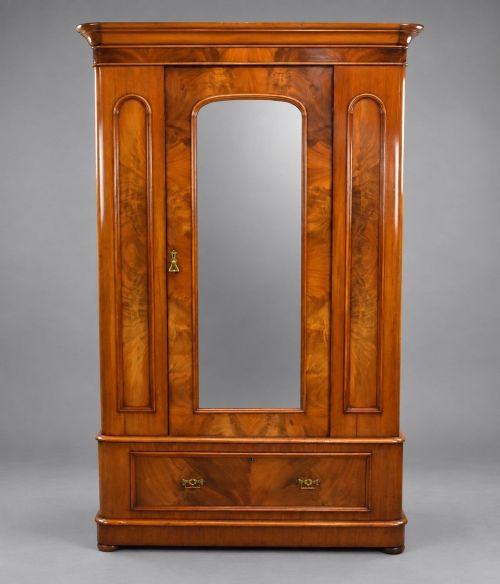
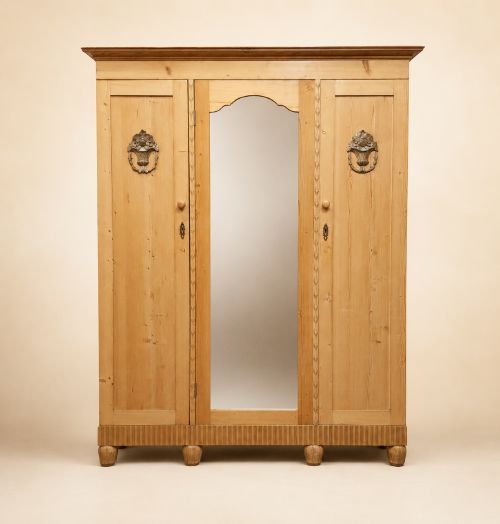
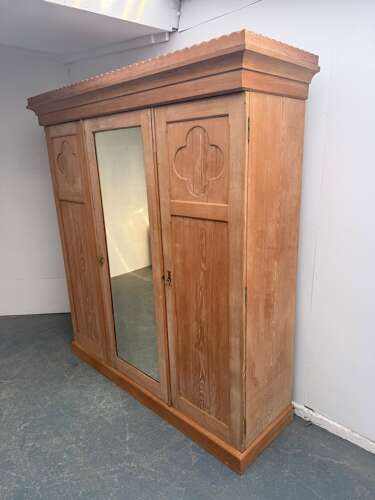
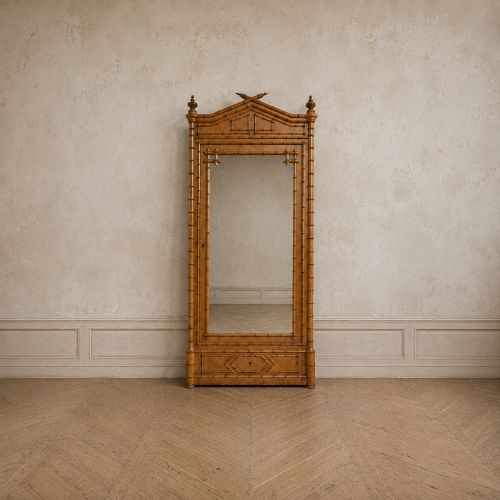
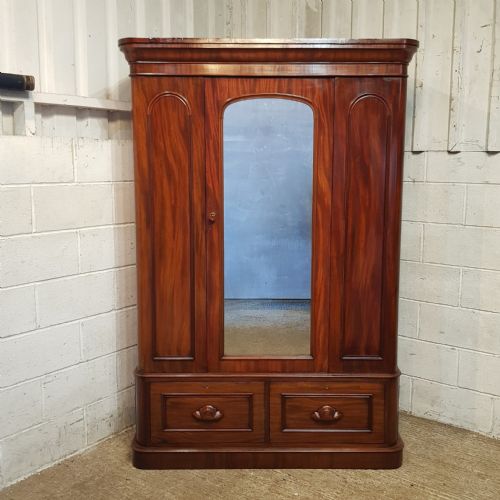
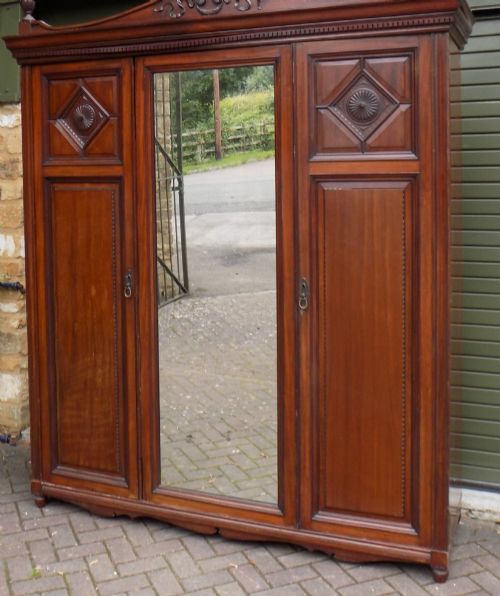
A victorian armoire mirror brings generous hanging space and polished timber presence to a bedroom, combining wardrobe utility with a full-length glass door.
Victorian Armoire Mirror
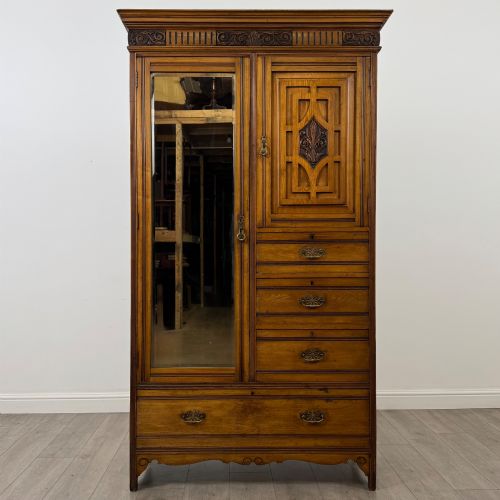
A victorian armoire mirror search leads you to large bedroom storage pieces primarily built during the nineteenth century, encompassing single door cupboards, compactums, and expansive triple wardrobes.
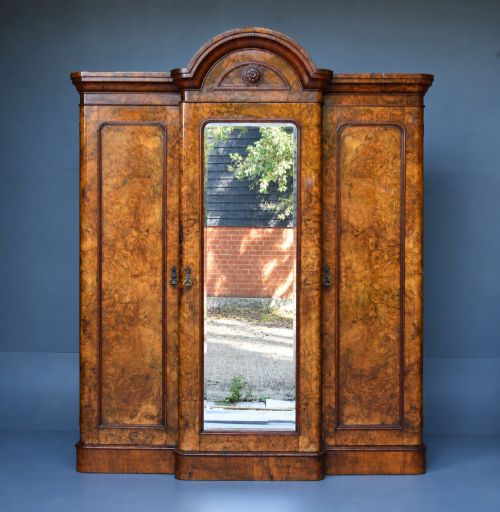
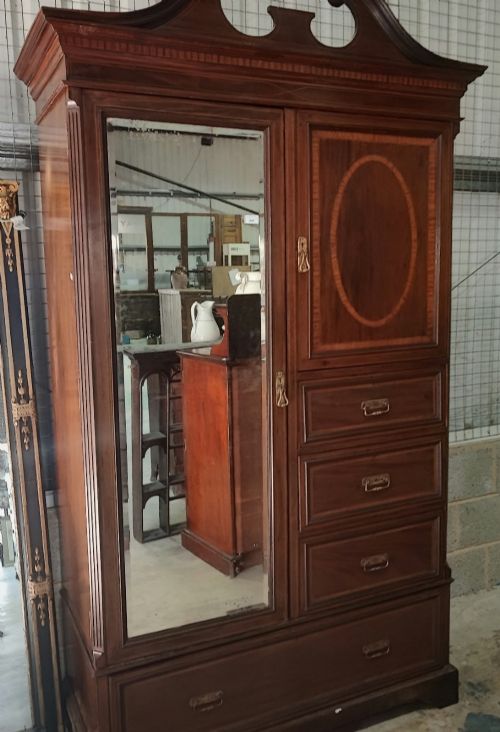
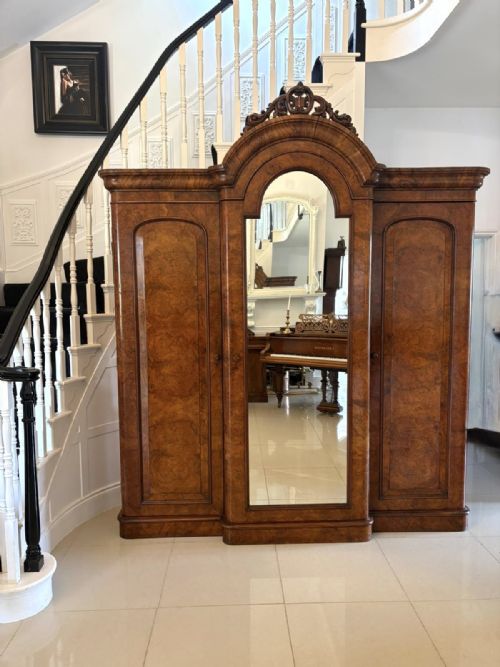
The single door and compactum variations appear frequently alongside multi-door configurations, often incorporating central mirrored panels designed to reflect light across period interiors.
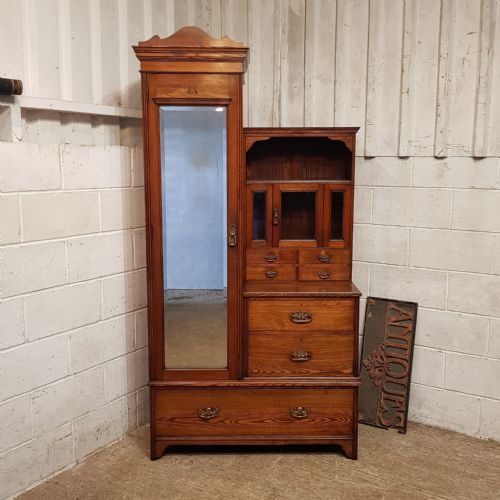
Makers utilised various scales, ranging from single child or hall wardrobes up to grand breakfront triple units meant for principal bedrooms.
How they were made
Cabinet makers constructed these wardrobes using dense hardwoods such as mahogany, walnut, and burr walnut, alongside lighter domestic timbers like ash, satin birch, and pine.
Surface decoration relied on natural grain patterns, French polishing, and subtle inlay work, sometimes paired with brass hardware and bevelled glass mirror plates.
Some pine variants were explicitly made for children or hallways, offering miniature storage with full-sized charm.
What varies in quality
The standard of timber selection largely defines the category, with highly figured burr veneers and richly polished mahogany sitting at the upper end of craftsmanship.
Construction complexity also dictates distinction, separating straightforward single door pine cupboards from elaborate combination compactums fitted with interior drawers and multiple mirrored doors.
Edwards and Roberts·Holland and Sons
The Victorian Armoire Mirror Glossary
- Compactum
- A fitted wardrobe containing a combination of hanging space, internal drawers, and shelving units. This design maximised bedroom storage efficiency in the nineteenth century.
- Armoire
- A grand freestanding wardrobe or cupboard used primarily for hanging garments. The term frequently applies to continental or mirrored British bedroom storage pieces.
- Burr walnut
- A highly prized wood veneer taken from the knotted growth of a walnut tree. It produces intricate, swirling patterns across large cabinet doors.
- Aesthetic Movement
- A late nineteenth-century design style focusing on artistic reform and simplicity. Pieces from this movement often utilise lighter woods and understated geometric lines.
- Gentleman's wardrobe
- A specialised storage piece historically designed for men's attire. It typically includes sliding trays or internal drawers alongside a hanging section.
Victorian Armoire Mirror: Frequently Asked Questions
How do I dismantle a large wardrobe?
Many nineteenth-century wardrobes were constructed to take apart for transport and installation in upper rooms. You typically find that the cornice, base, and sides attach via internal bolts or slot joints.
Carefully label each component during disassembly to ensure the frame squares up correctly when reassembled in your home.
What is a compactum wardrobe?
A compactum is a multi-functional storage piece that combines hanging space with banks of internal drawers, shelves, and sometimes compartmentalised trays. These units offered complete bedroom storage within a single architectural footprint.
They often feature central mirrored doors flanked by panelled or veneered cupboard sections.
How do I tell Victorian from Edwardian pieces?
Victorian furniture generally leans towards heavier proportions, rich dark mahogany, and elaborate burr veneers. Edwardian pieces often display lighter timbers like satinwood or painted finishes.
Stylistic influences also shift from Victorian eclecticism towards simpler Arts and Crafts or Edwardian neoclassical revival forms.
Where should I place a mirrored wardrobe?
Position the piece opposite or adjacent to a window to maximise the reflective qualities of the original glass panel. The mirror helps bounce natural light around darker or more compact bedrooms.
Ensure the floor beneath the wardrobe is level so the large doors and mirror frame hang and swing true.