





Victorian Architectural Study
A victorian architectural study records historic buildings and grand interiors with fine draughtsmanship, offering an authentic window into nineteenth-century design.
Victorian Architectural Study
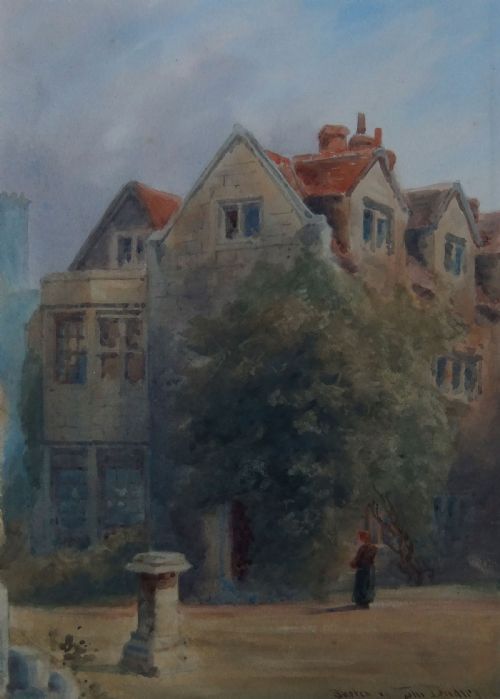
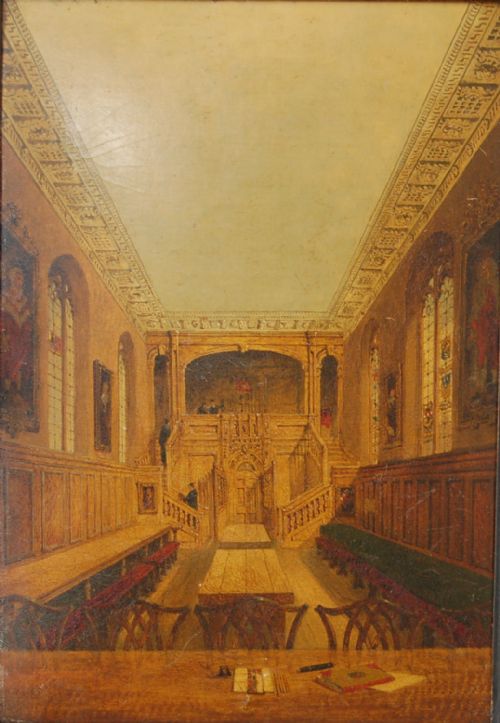
When you search for a victorian architectural study, you encounter detailed watercolours, pen and ink drawings, and original fine art works depicting historic structures. These pieces capture abbeys, colleges, grand galleries, and classical ruins, reflecting a nineteenth-century fascination with historic built forms.
The versions most commonly met on this page range from nineteenth-century drawings of collegiate buildings and abbeys to Grand Tour watercolours of Roman ruins. Makers and artists documented specific locations like Selby Abbey, Cambridge colleges, and Italian monuments with precision.
Works span the Victorian period and extend into the early twentieth century, maintaining traditional topographical and fine art styles. Framed architectural drawings and paintings on paper predominate, preserved within period gilt frames and wooden mounts.
Materials and techniques
Artists executed these works on paper using watercolour pigments, ink, and pencil, sometimes enhanced with gold leaf. Fine brushwork and precise pen lines defined masonry details, tracery, and interior decorative schemes.
Framing materials reflect the period aesthetic, utilising gilt wood and standard wood frames to protect delicate works on paper. Watercolour washes provided subtle tonal depth for stone surfaces and atmospheric interiors.
One church interior comes complete with its own miniature churchyard, neatly contained within a gold leaf frame.
Distinctions in quality
Draughtsmanship and spatial perspective set superior examples apart from simpler topographical sketches. The finest works display meticulous attention to architectural ornament, stonework texture, and interior perspective.
The sophistication of the medium and the condition of the paper surface influence the character of each piece. Original framing, such as period gilt wood, contributes to the integrity of the surviving artwork.
Peter Toft·Tom Dudley·Margaret Thompson·Joseph Murray Ince
The Victorian Architectural Study Glossary
- Topographical
- Depicting a specific real place with accuracy and attention to surrounding landscape or setting. This approach was central to nineteenth-century architectural recording.
- Grand Tour
- A cultural journey of Europe undertaken by wealthy young men in the eighteenth and nineteenth centuries. It generated a demand for watercolours of classical ruins and foreign monuments.
- Gothic Revival
- An architectural and artistic movement reviving Gothic forms, prominent throughout the nineteenth century. It heavily influenced drawings of abbeys, churches, and collegiate halls.
- Watercolour pigment
- Ground colour mixed with a water-soluble binder, applied in washes to paper. It allowed artists to achieve delicate atmospheric effects in architectural interiors.
- Gilt wood
- Wood carved and coated with gold leaf or metallic paint to form a decorative frame. These frames often accompany nineteenth-century fine art and drawings.
Victorian Architectural Study: Frequently Asked Questions
What is a victorian architectural study?
A victorian architectural study is an original drawing, watercolour, or painting depicting buildings, interiors, or ruins from the nineteenth century. These works range from precise records of abbeys and college halls to Grand Tour watercolours of classical monuments.
Artists focused on recording historical structures with accurate perspective and fine detail. They serve as historical documents and examples of nineteenth-century fine art.
How were these drawings used?
These works functioned as records of historic architecture, travel souvenirs, and fine art pieces for domestic display. Artists often recorded specific abbeys, colleges, and stately home interiors during travels or architectural commissions.
Many pieces were framed for display in drawing rooms and studies. They reflected the period interest in history, archaeology, and heritage.
How do I live with works on paper?
Works on paper require careful placement away from direct sunlight to prevent the fading of watercolour pigments and ink. Framing behind glass protects the delicate surface from dust and atmospheric moisture.
Displaying them in stable indoor environments preserves the paper and any accompanying gilt wood frames. Proper hanging ensures these historical drawings remain secure and visible.
How do I identify the period?
Dating relies on stylistic evidence, artist signatures, and framing materials characteristic of the nineteenth century. Subject matter often references specific architectural movements like the Gothic Revival or Victorian topographical art.
Inscribed titles on mounts or reverse sides frequently name the building and year. Comparing the draughtsmanship with documented artists from the period assists in verification.