

Victorian Animal Sculpture
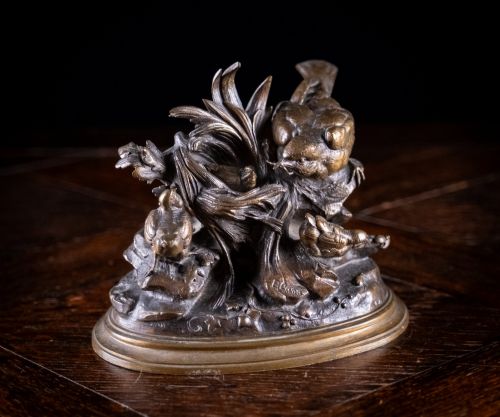
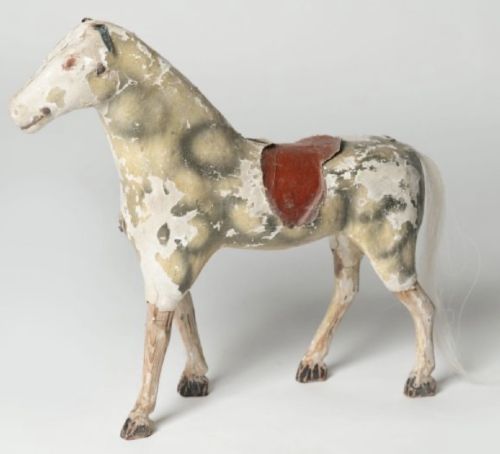
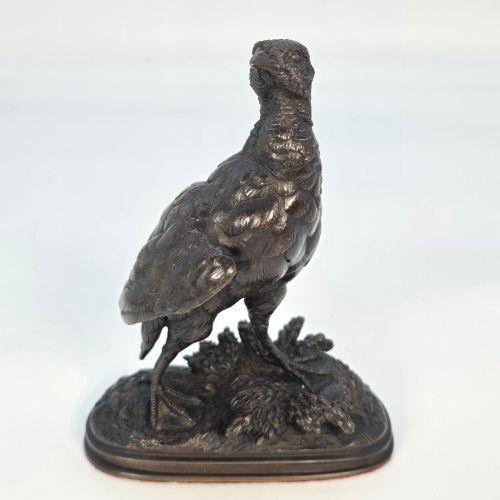
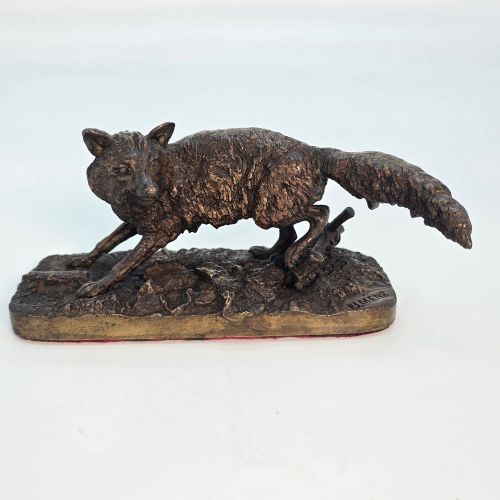
Victorian animal sculpture captures natural form in bronze, carved wood, and terracotta, bringing expressive wildlife and domestic pets directly into the home.
Victorian Animal Sculpture
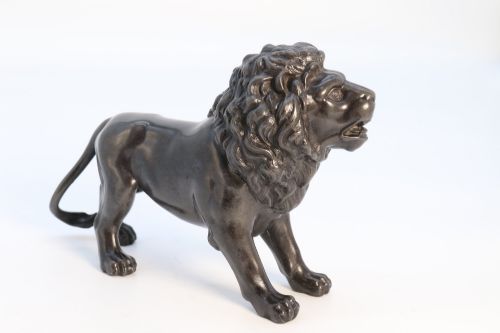
When searching for victorian animal sculpture, buyers encounter a diverse range of figures capturing domestic dogs, wild game, and exotic beasts. These pieces take the form of freestanding decorative sculptures, bookends, door stops, and wall carvings created throughout the nineteenth century.
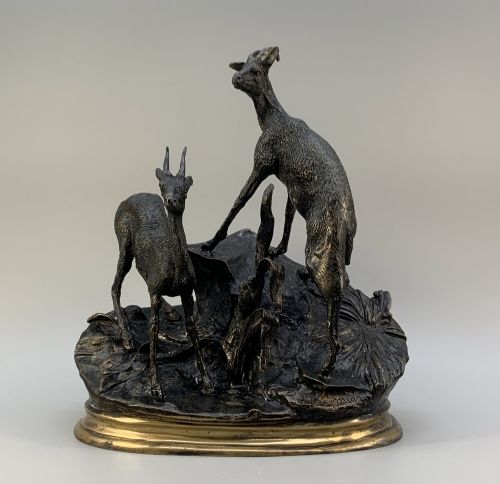
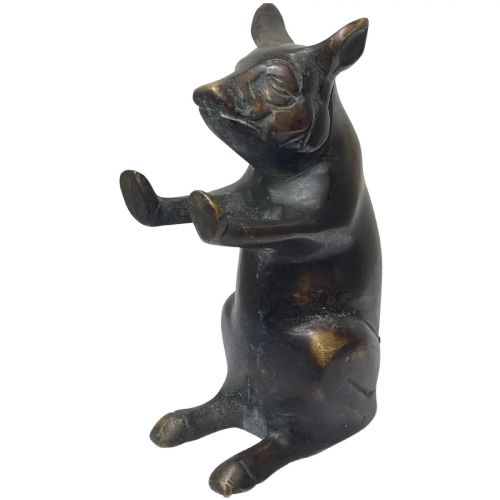
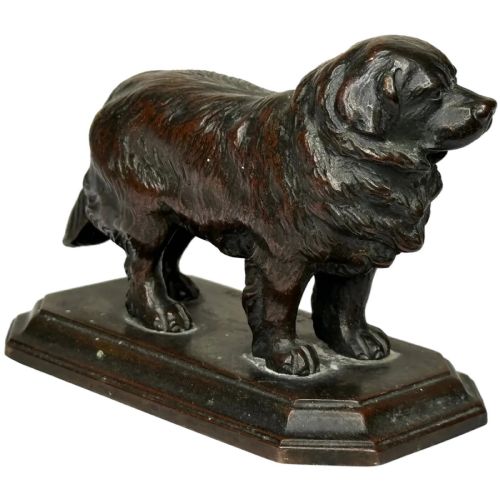
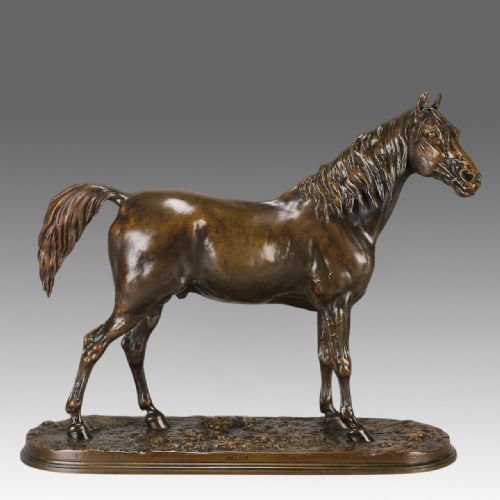
The objects on this page predominantly reflect French Animalier, Black Forest, and English traditions. Domestic subjects like pugs and deer appear alongside dramatic studies of lions, bears, and birds.
Originating across Britain, France, Germany, Austria, and India, these works demonstrate how artisans from different regions interpreted fauna using locally favoured materials.
Materials and Techniques
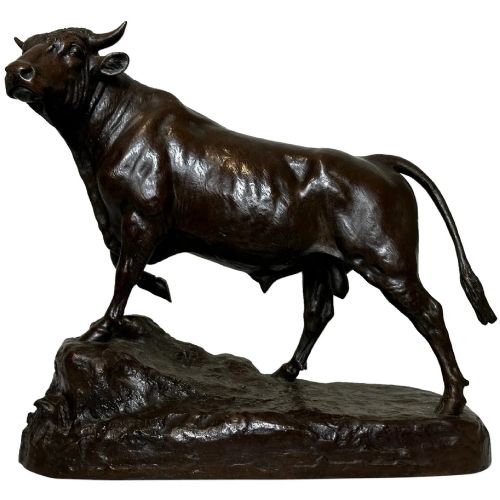
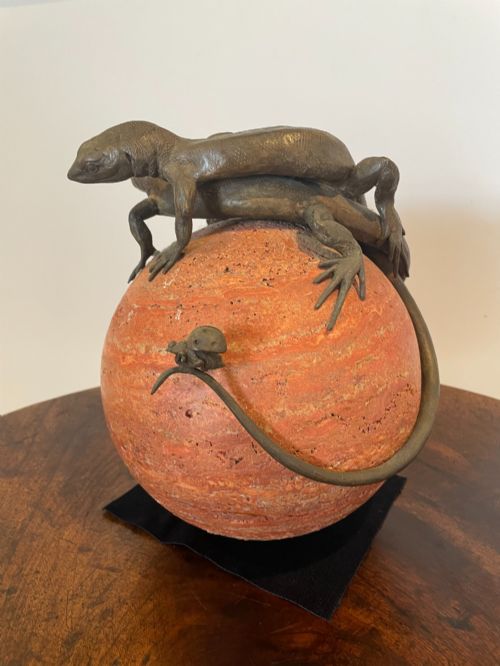
Bronze casting forms a primary method for capturing muscular tension and fine anatomical detail, often enhanced through cold painting or gilding. French and Austrian workshops utilised this metal to render birds, reptiles, and large predators with precision.
Carved wood, particularly linden wood and walnut associated with Black Forest production, allowed artisans to render fur, muscle, and posture with high textural depth. Terracotta and ceramic traditions meanwhile utilised moulded and hand-modelled clay, sometimes finished with majolica glazes or polychrome paint.
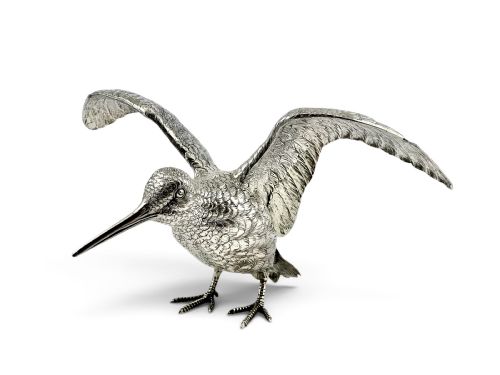
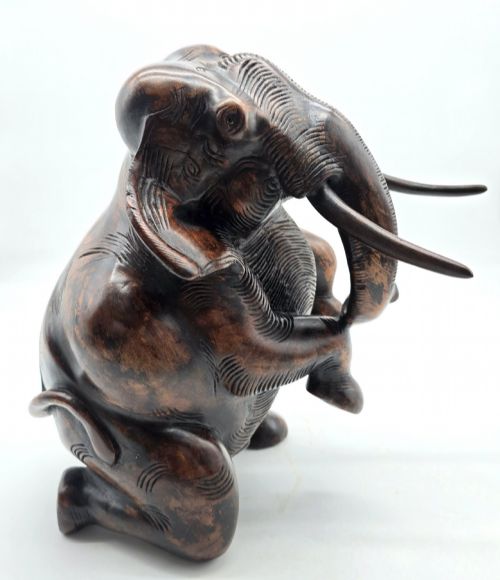
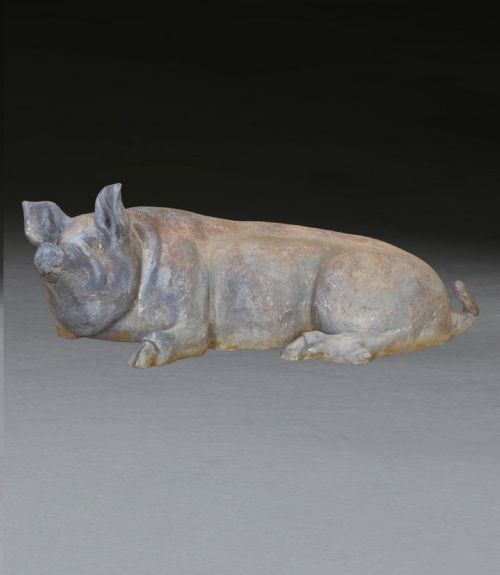
Alternative materials such as brass, pewter, lead, marble, alabaster, silver, and ebony appear across English, Belgian, and Indian pieces, showing the global scope of nineteenth-century animal representation.
Victorian Animal Sculpture Retail Price Guide 2026
Typical asking prices for victorian animal sculpture among the pieces listed under this phrase on Sellingantiques today, from the lower quarter to the upper quarter. They describe what is for sale here now, not the wider market.
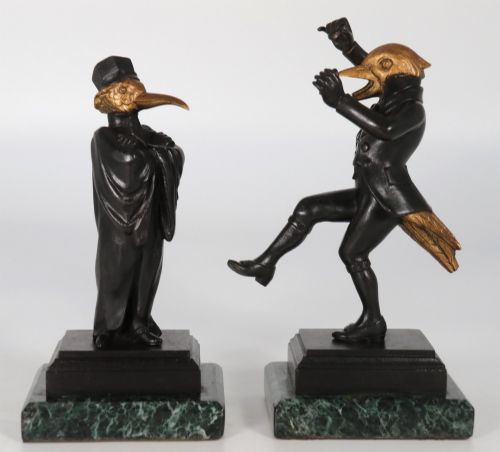
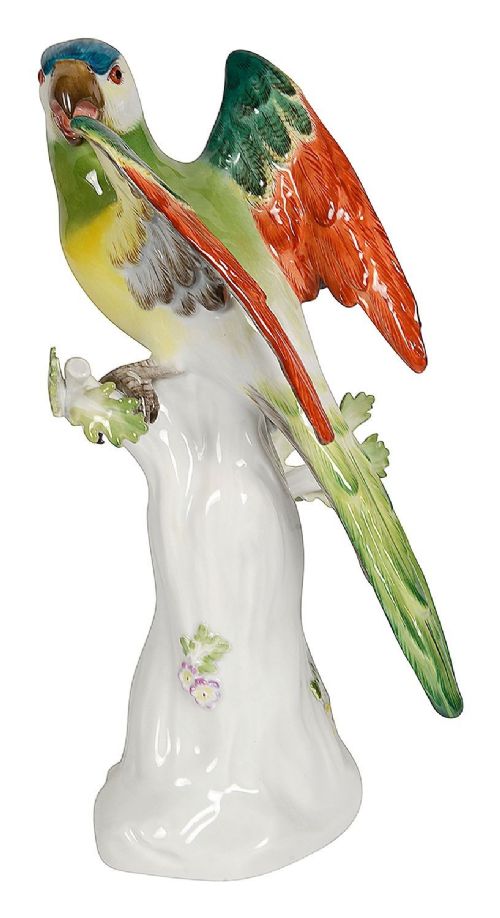
The selection includes theatrical birds cast in bronze and a life-sized terracotta pug puppy waiting patiently for attention.
Markers of Quality
Quality in these sculptures rests upon anatomical accuracy and the liveliness of the posture. The most accomplished pieces capture tension, movement, and character rather than relying on stiff or formulaic representation.
The crispness of the chasing on metal figures and the depth of the hand-carving on wooden groups distinguish standard production from superior artistic output. Signed works by known sculptors and specialised foundries generally represent the upper tier of craftsmanship.
P J Mêne·Prosper Lecourtier·Antoine Louis Barye·Isadore Bonheur·Bergman
The Victorian Animal Sculpture Glossary
- Animalier
- A nineteenth-century artistic movement dedicated to the realistic portrayal of animals, particularly predators and horses. Practitioners often studied subjects closely at menageries.
- Black Forest
- A style of wood carving originating from the mountainous region of central Europe. Pieces from this tradition typically depict bears, deer, and dogs rendered in linden wood.
- Cold Painted Bronze
- A technique where bronze figures are painted with oil-based colours rather than fired in a kiln. This method was widely utilised by Austrian foundries for small decorative ornaments.
- Majolica
- A type of earthenware coated with an opaque white tin glaze and painted with metallic oxide colours. It was frequently used for colourful domestic animal figures.
- Raj Period
- Referring to the era of British rule in the Indian subcontinent. Carved teak and ebony elephant figures from this context often incorporate detailed traditional trappings.
Victorian Animal Sculpture: Frequently Asked Questions
What animals appear most often?
Dogs, particularly pugs and hounds, along with lions, bears, deer, and various birds dominate the available subjects.
Artisans also depicted elephants, eagles, and reptiles in smaller numbers.
Where were these pieces made?
Production centres spanned Europe and beyond, with notable works originating in France, Britain, Germany, Austria, Italy, and India.
Each region applied local material traditions to its animal subjects.
How were they used originally?
Many served purely as decorative sculptures or mantel ornaments designed to display refined taste in Victorian interiors.
Others fulfilled practical roles as door stops, bookends, lamp bases, and paperweights.
How do I identify a Black Forest carving?
These pieces are almost exclusively carved from wood such as linden wood or walnut. They typically feature bears, deer, or dogs with deeply textured fur.