

Victorian Aesthetic Movement Cabinet
A Victorian aesthetic movement cabinet brings together rich woods, ebonised surfaces and precise inlay to reflect late nineteenth-century design.
Victorian Aesthetic Movement Cabinet
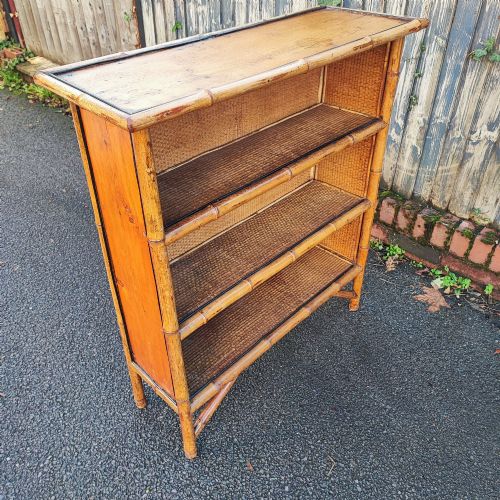
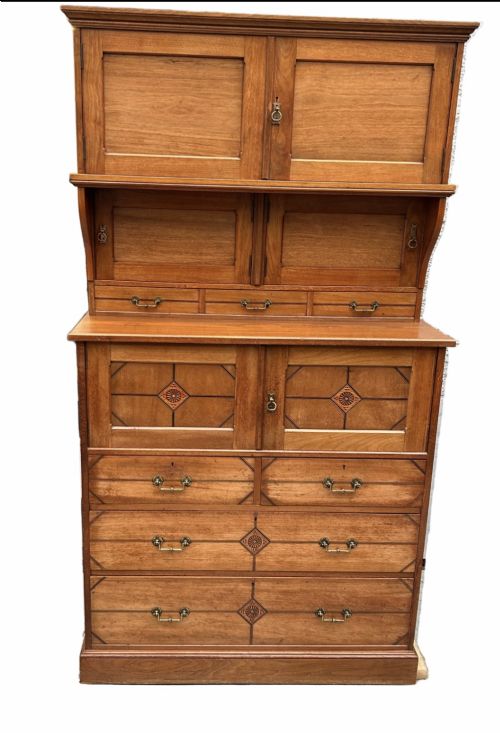
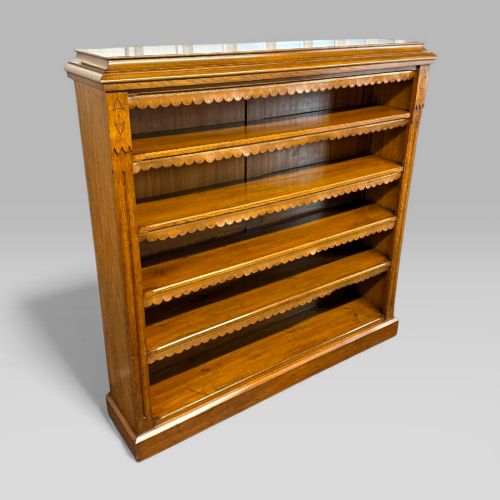
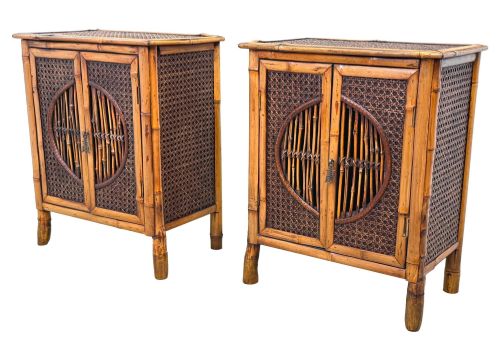
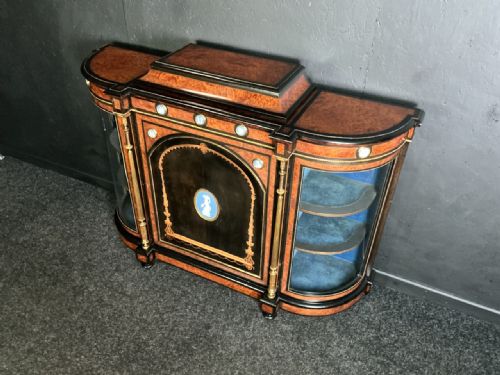
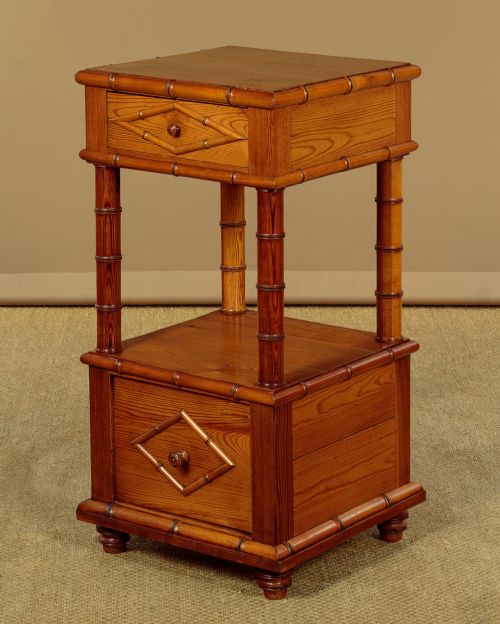
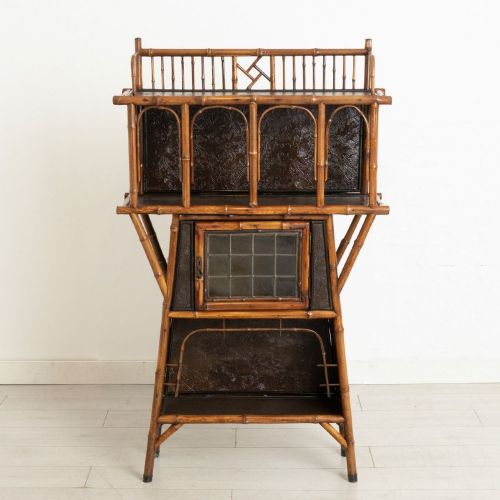
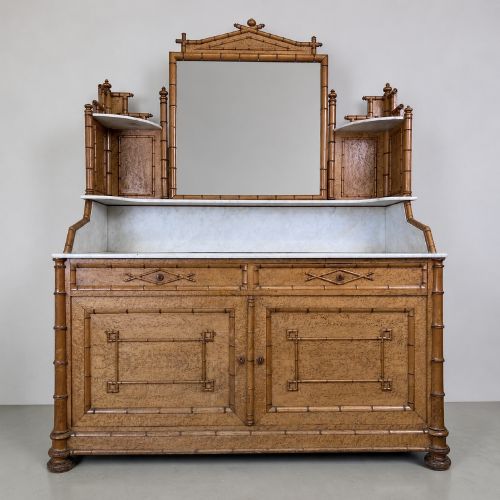
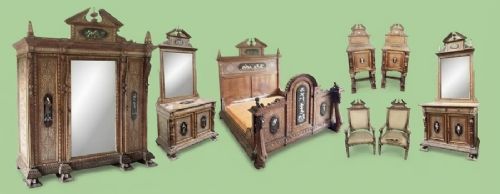
When you search for a Victorian aesthetic movement cabinet, you encounter display pieces, side cabinets, bedside tables, credenzas and washstands spanning the nineteenth century. These items manifest the distinct artistic shifts of the period, ranging from formal rosewood and walnut display furniture to lighter bamboo and faux-bamboo variants.
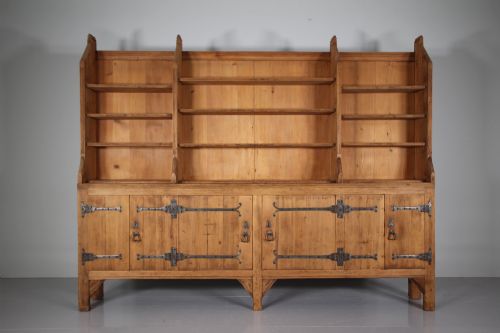
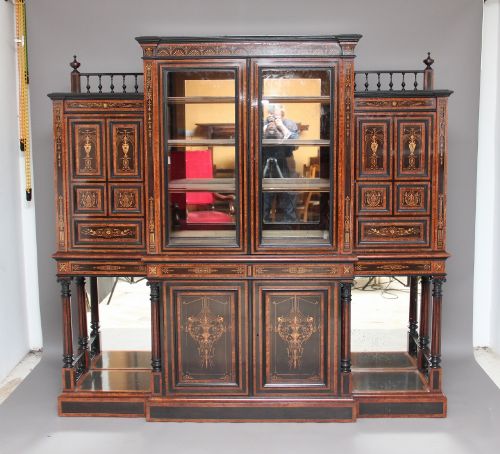
The pieces listed on this page originate predominantly from the Victorian era and the late nineteenth century, aligning with the height of the aesthetic movement. You will find compact wall cabinets and table-top cupboards alongside larger breakfront bookcases and sideboards intended for principal rooms.
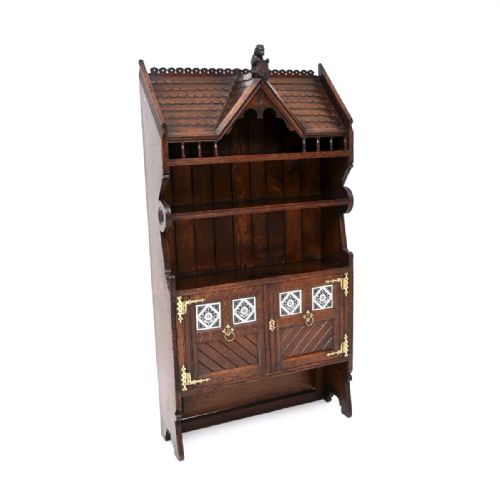
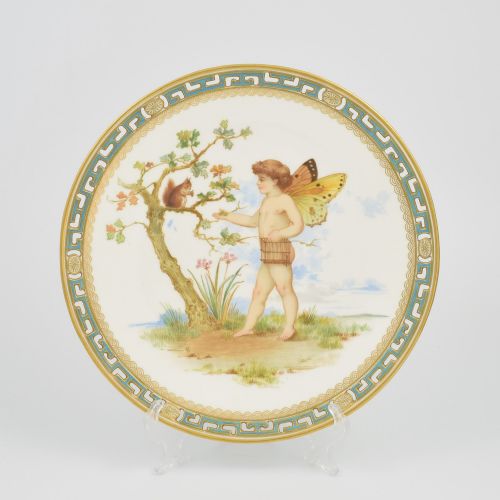
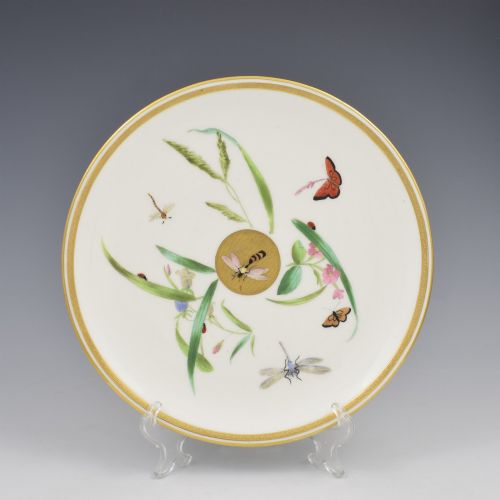
Makers and designers of the period embraced varied influences, producing French aesthetic items, Anglo-Japanese walnut hanging cabinets and Chinoiserie-inspired designs. The selection balances functional storage with decorative porcelain plates and display shelving.
How They Were Made
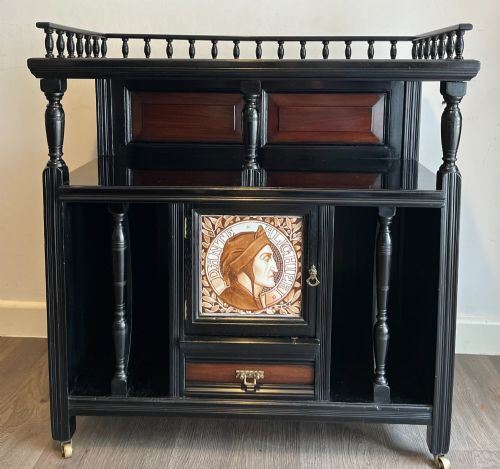
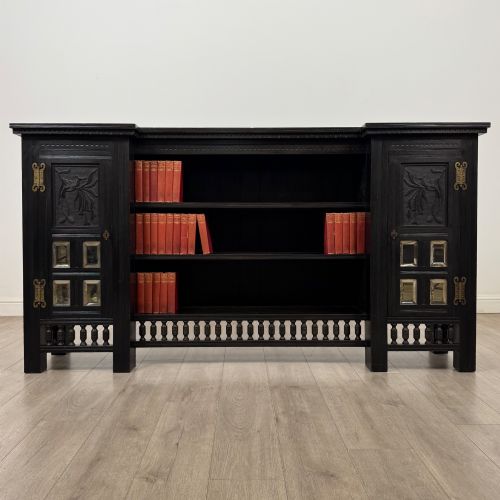
Craftsmen built these cabinets using a wide variety of timbers, including ebonised wood, rosewood, walnut, mahogany, amboyna, pitch pine, elm and burr yew. Ebonised finishes provided a dense black surface often highlighted with gilt, echoing Japanese lacquer techniques.
Construction frequently incorporated bamboo and faux-bamboo alongside glazed doors, brass fittings, mirror glass and marble tops. Marquetry and intricate inlay work added contrasting tones to the timber surfaces, while pierced porcelain panels featured in specific decorative pieces.
Victorian Aesthetic Movement Cabinet Retail Price Guide 2026
Typical asking prices for victorian aesthetic movement cabinet among the pieces listed under this phrase on Sellingantiques today, from the lower quarter to the upper quarter. They describe what is for sale here now, not the wider market.
Musicians once kept their sheet music safely stored inside dedicated aesthetic movement cabinets designed specifically for the parlour.
What Varies in Quality
Quality in these cabinets rests upon the choice of timber and the precision of the joinery and inlay. Dense woods like rosewood and coromandel command attention, as do pieces retaining their original ebonised finishes and gilt highlights.
Attribution to documented makers and specific design influences elevate certain items above standard production. The integration of specialist materials, such as amboyna, bird's-eye maple and mirror glass, distinguishes finer workshop outputs from simpler utility furniture.
Collinson & Lock·Waring & Gillows·Lamb of Manchester·Liberty and Co·Henry Ogden & Son·Garnett & Sons·John Moyr Smith·Gregory & Co
The Victorian Aesthetic Movement Cabinet Glossary
- Ebonised Wood
- Timber treated to resemble ebony by staining or painting it black. This finish was widely utilised in aesthetic movement furniture to create stark, dark surfaces.
- Marquetry
- The art of applying pieces of veneer to a structure to form decorative patterns and pictures. It appears frequently on late nineteenth-century side cabinets and tables.
- Credenza
- A dining room sideboard or display cabinet lacking legs, sitting low to the floor. These pieces often featured glazed doors for the exhibition of porcelain.
- Faux Bamboo
- Wood turned and painted to imitate the segmented stalks of natural bamboo. This technique was popular in Anglo-Japanese and aesthetic furniture.
Victorian Aesthetic Movement Cabinet: Frequently Asked Questions
What is an aesthetic movement cabinet?
An aesthetic movement cabinet is a piece of nineteenth-century furniture designed to prioritise visual beauty and artistic expression over strict historical revivalism. These items often draw inspiration from Japanese art and natural forms.
You will find them in forms ranging from wall-hanging display cupboards to large sideboards, utilising ebonised finishes, bamboo and contrasting inlay.
How do I identify a Victorian aesthetic cabinet?
Identification relies on observing stylistic markers such as ebonised wood with gilt highlights, Japanese-inspired motifs, and asymmetrical arrangements. The use of bamboo and faux-bamboo is also a strong indicator of the period.
Many pieces from this era incorporate glazed panels for displaying decorative plates or porcelain, alongside brass hardware and intricate marquetry.
Where were these cabinets placed in a Victorian home?
These cabinets served multiple functions throughout the home, from drawing rooms and reception halls to bedrooms. Smaller wall cabinets and table-top cupboards were used for curated displays of ornaments.
Washstands and bedside cabinets furnished bedrooms, while larger credenzas and sideboards anchored formal dining spaces.
How do I care for ebonised wood?
Caring for ebonised wood requires dusting gently with a soft, dry cloth to prevent scratching the dark surface. Avoid placing the furniture in direct sunlight or near heat sources to protect the finish.
Apply specialised furniture wax sparingly if the timber appears dry, ensuring you buff it thoroughly to maintain the subtle sheen.