


Victorian Aesthetic Chair
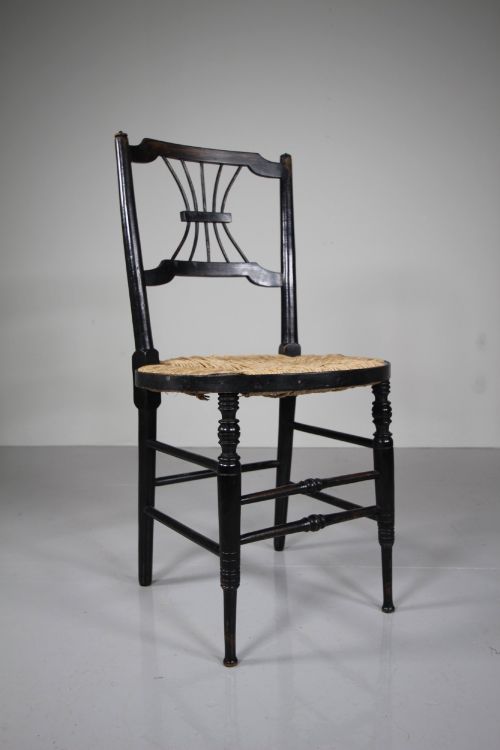
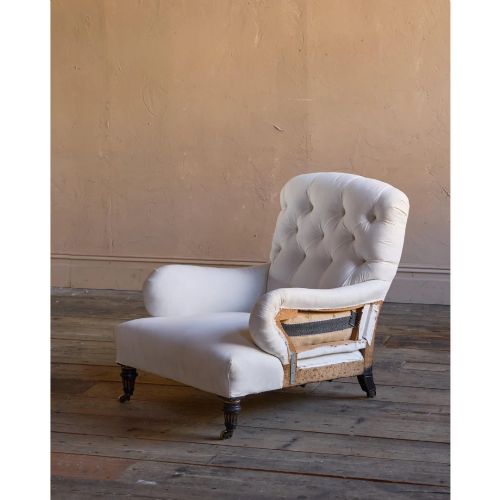
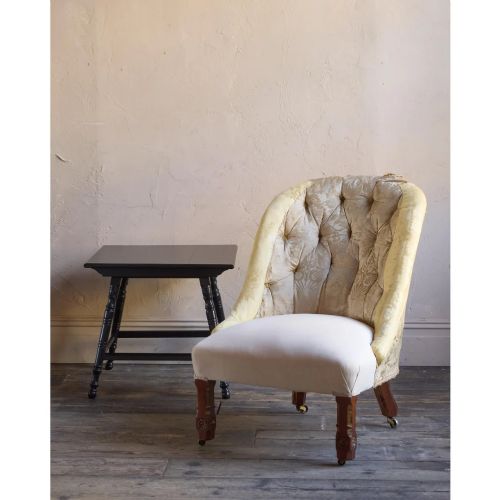
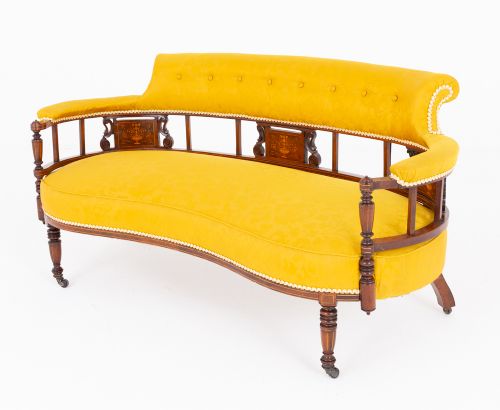
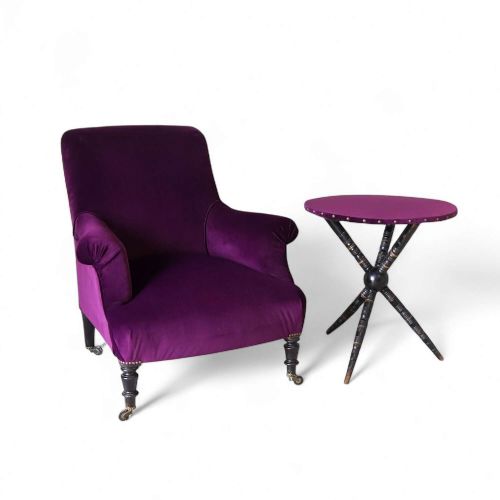
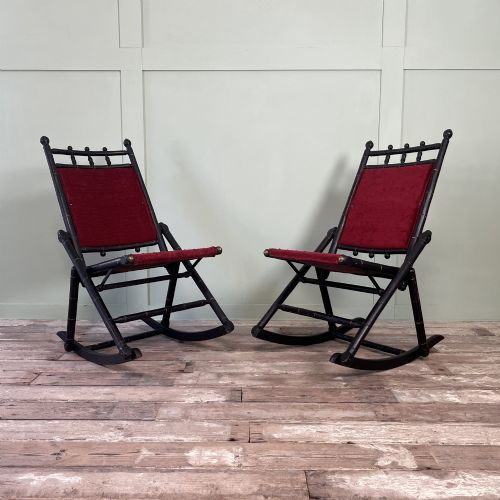
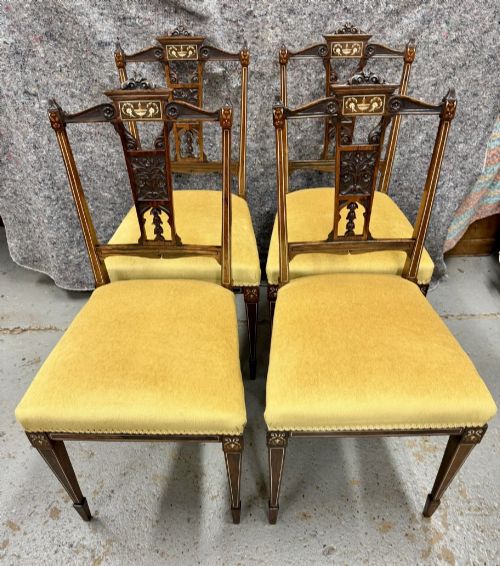
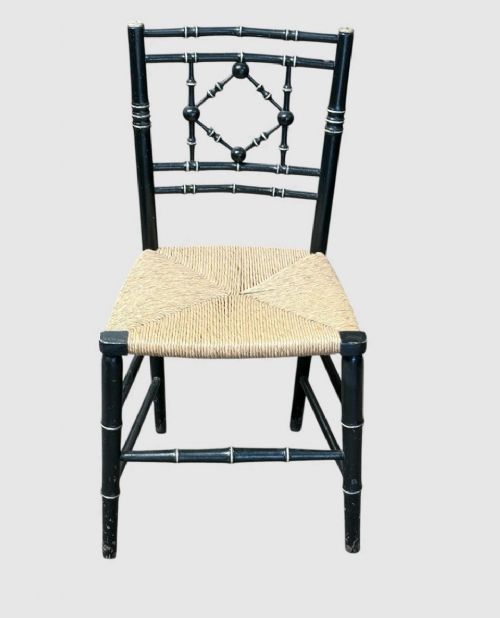
These pieces form a victorian aesthetic chair selection, pairing slender frames and patterned upholstery for modern domestic spaces.
Victorian Aesthetic Chair
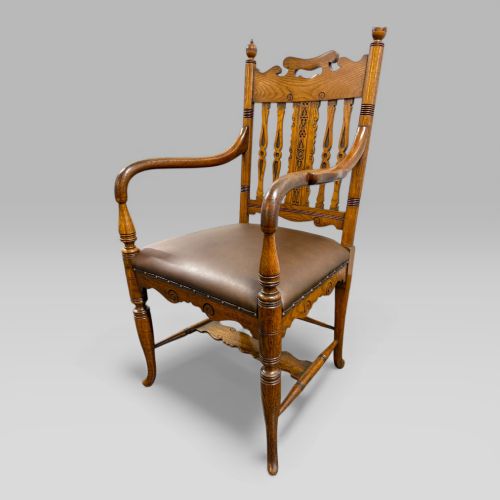
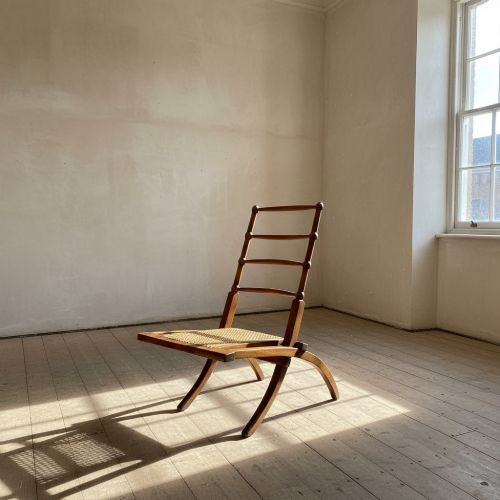
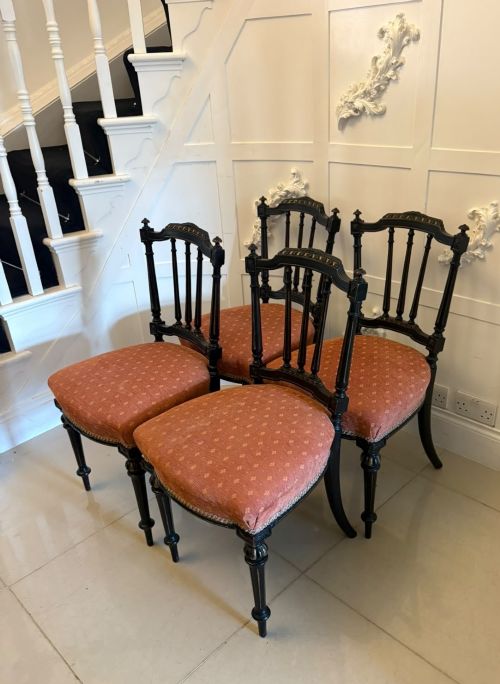
A victorian aesthetic chair brings together nineteenth-century forms and the distinct visual vocabulary of the Aesthetic Movement. The search phrase covers an array of seating, including armchairs, low salon chairs, dining sets, hall chairs, rocking chairs, and bedroom pieces.
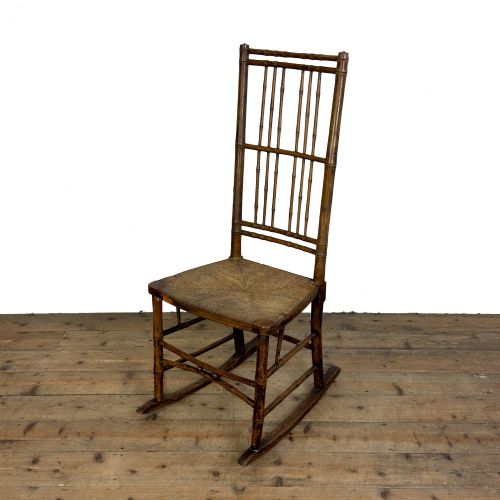
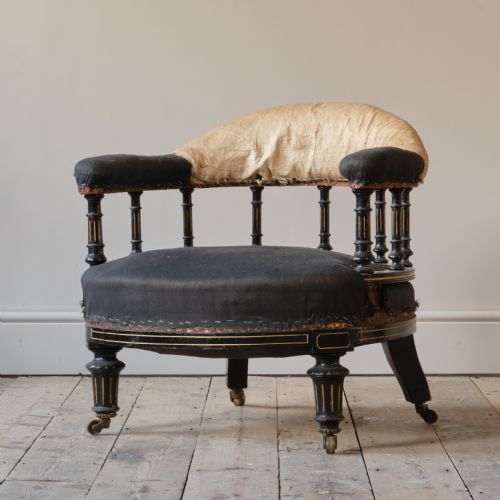
Most examples found in these listings date from the eighteen-seventies through to the turn of the twentieth century. They range from simple rush-seated rush chairs to heavily carved oak library models and ebonised salon seating.
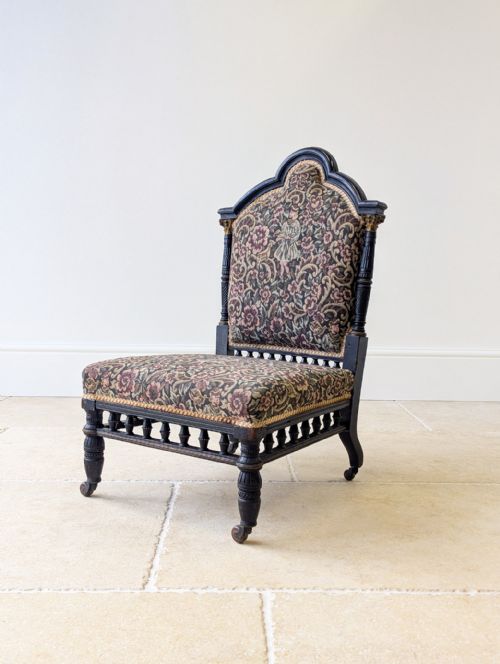
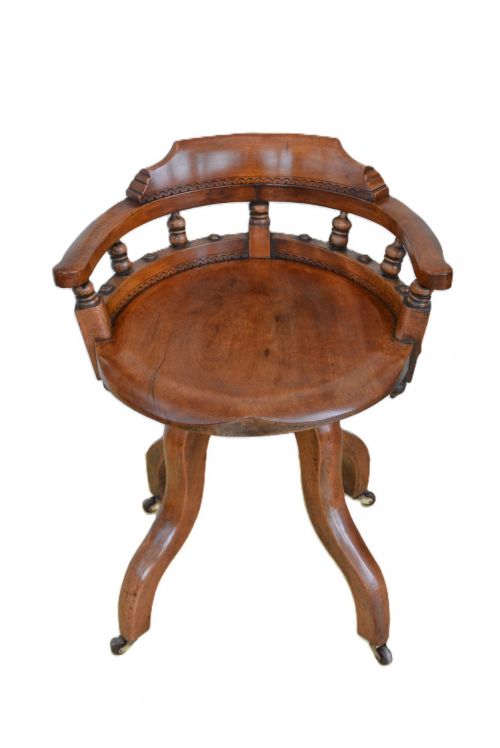
Originating from British design reform, these chairs often show influences from Japanese art, Gothic Revival, and Anglo-Japanese styles. Buyers encounter everything from utilitarian desk chairs to upholstered low chairs designed for domestic comfort.
Materials and construction
Makers relied heavily on ebonised wood, mahogany, walnut, and oak to achieve dark, crisp silhouettes. Faux bamboo turning and brass details also appeared frequently, alongside structural elements in cane and rush.
Upholstery utilised rich textiles such as velvet, patterned fabric, and leather. Gilt highlights, intricate inlays, and carved wooden panels frequently accented the primary timber frames.
Victorian Aesthetic Chair Retail Price Guide 2026
Typical asking prices for victorian aesthetic chair among the pieces listed under this phrase on Sellingantiques today, from the lower quarter to the upper quarter. They describe what is for sale here now, not the wider market.
Assessing quality
The standard of a victorian aesthetic chair depends upon the crispness of its joinery and the integrity of its timber frame. Finer examples retain original ebonised finishes and delicate gilt details without heavy restoration.
Attribution plays a major role in distinction, with pieces linked to notable designers or makers commanding greater attention. The subtlety of carved motifs and the quality of the cane or rush seating further separate standard production from masterwork design.
Gillows·James Shoolbred·E W Godwin·William Morris·Liberty and Co·Lamb of Manchester·Charles Bevan·Maple and Co
The Victorian Aesthetic Chair Glossary
- Ebonised Wood
- Timber treated to resemble ebony, creating a dark, uniform surface typical of nineteenth-century stylistic reform. This finish highlights gilt detailing and carved patterns.
- Aesthetic Movement
- A late nineteenth-century design philosophy prioritising beauty over narrative or moral function. It drew heavily on Japanese art and simplified forms.
- Rush Seating
- Woven marsh plant material used for lightweight, durable seat pads. This technique appears often on simpler dining and bedroom models.
- Mashrabiya Panels
- Turned wooden lattice screens incorporated into furniture, reflecting Middle Eastern design influences popular during the period. These appear on corner chairs and occasional seating.
- Faux Bamboo
- Wood turned and painted to imitate natural bamboo stalks, capturing the Japanese aesthetic popular in late Victorian households.
Victorian Aesthetic Chair: Frequently Asked Questions
How do I identify a true aesthetic movement chair?
Look for slender proportions, ebonised or natural timber frames, and decorative motifs inspired by Japanese art or Gothic design. These pieces often feature geometric lines rather than heavy Victorian curves.
Check for maker attributions, stamps, or specific construction traits associated with prominent nineteenth-century design workshops and retailers.
Were these chairs used for dining or lounging?
They served multiple domestic functions, depending on the specific form. Low salon chairs and armchairs were built for drawing rooms, while side chairs and sets filled dining spaces.
Specialist variants include desk chairs, hall chairs for entryways, and rocking chairs designed for relaxed sitting.
How should I care for ebonised wood?
Keep ebonised wooden frames away from direct sunlight and excessive heat sources to prevent the dark finish from fading or drying out. Dust regularly with a soft, dry cloth.
Avoid harsh chemical polishes that can damage the delicate surface or any original gilt highlights.
Can I use these antique chairs every day?
Most sturdy nineteenth-century frames remain suitable for daily domestic use if the joints are sound and secure. Lighter decorative models require a more careful approach.
Consider having fragile rush seats or antique upholstery professionally assessed and reinforced before heavy daily sitting.