



Victorian Aesthetic Bamboo Furniture
Victorian aesthetic bamboo furniture brings exotic Japanois character and ingenious lightweight construction into domestic interiors.
Victorian Aesthetic Bamboo Furniture
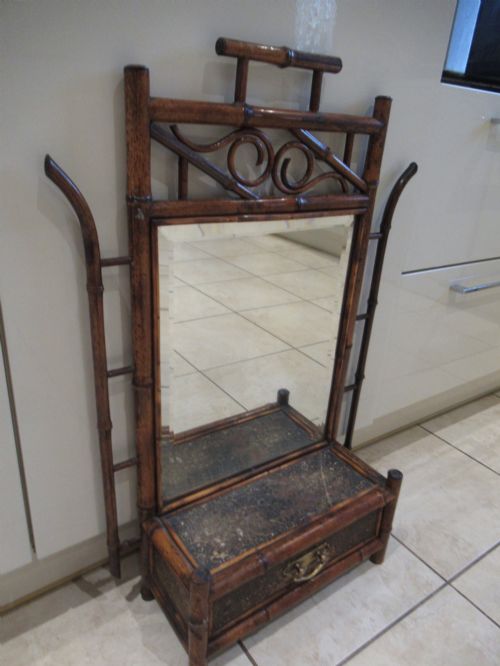
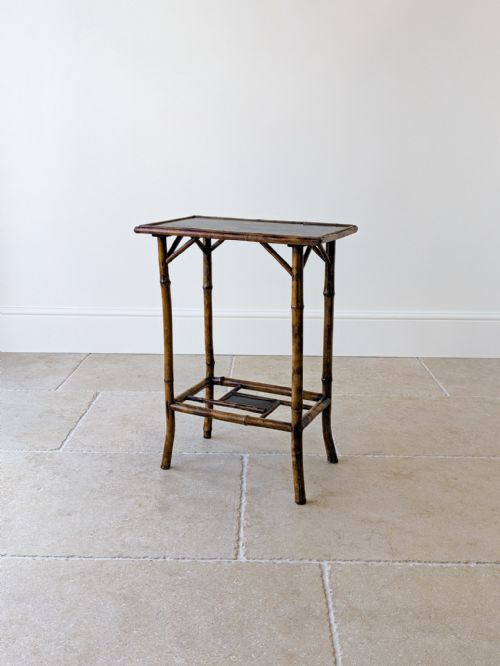
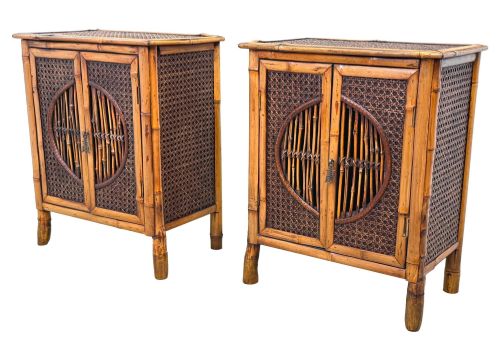
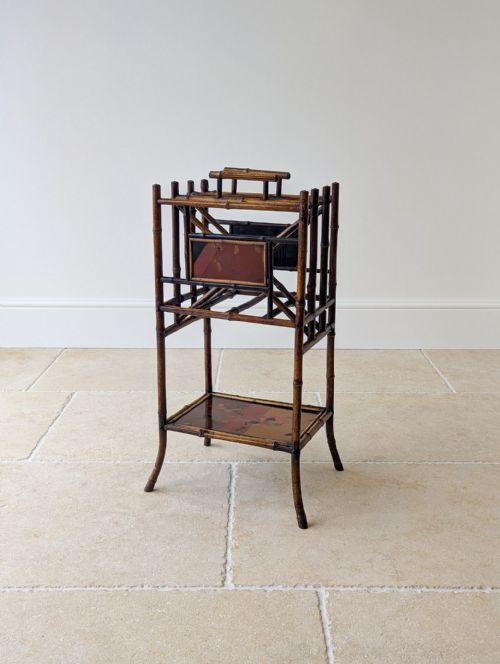
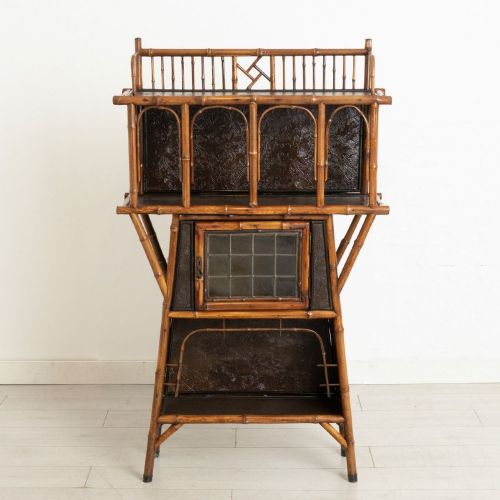
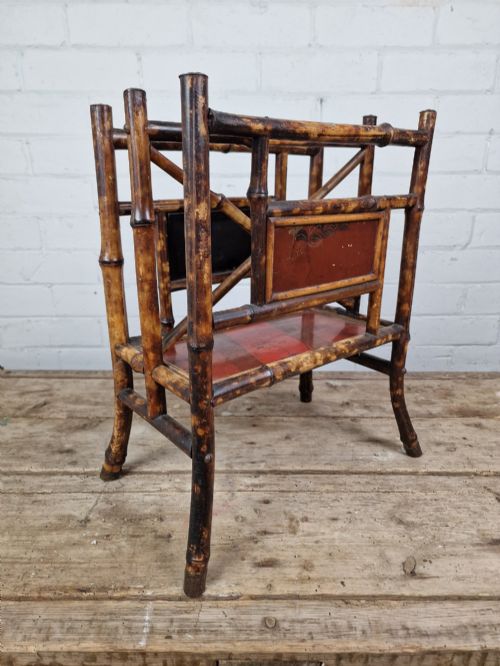
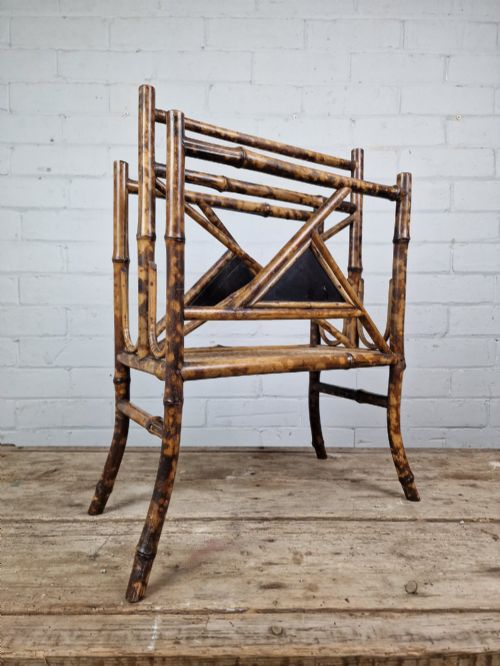
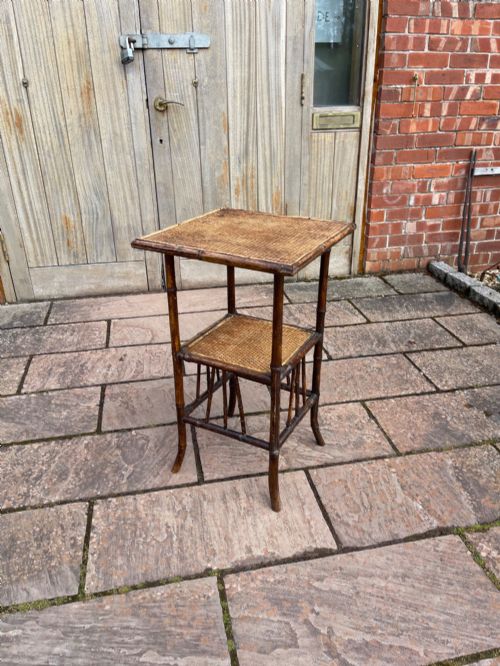
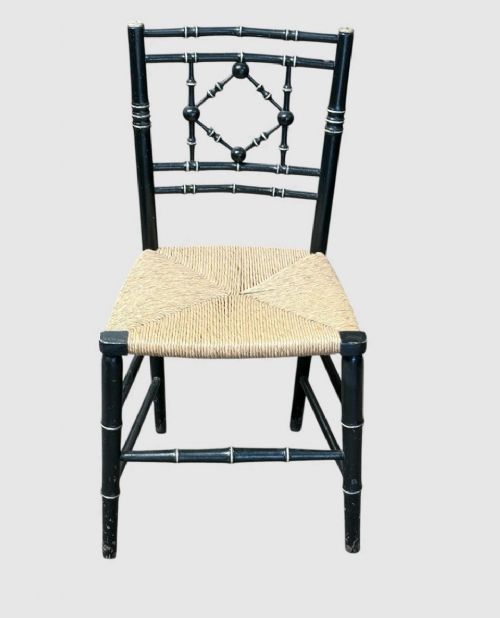
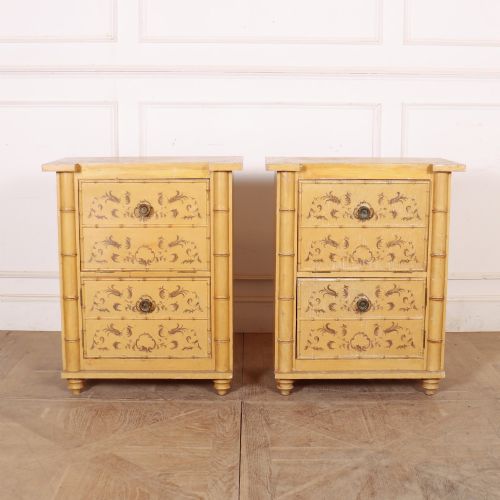
Victorian aesthetic bamboo furniture encompasses an array of household forms including occasional tables, hall stands, cabinets, and magazine racks produced during the late nineteenth century. These domestic items reflect the growing nineteenth century fascination with oriental design, bridging the gap between utilitarian purpose and decorative display. The pieces frequently combine structural bamboo or turned wood painted to simulate bamboo with lacquer, tile, and glass panels.
Buyers browsing this selection will encounter numerous side tables, occasional tables, and hall stands bearing the distinct aesthetic movement and chinoiserie influence. Many examples date from around eighteen ninety, manifesting the height of this decorative trend in British and French homes. Functional pieces such as canterburys, umbrella stands, and miniature cabinets demonstrate the versatility of the material across various domestic scales.
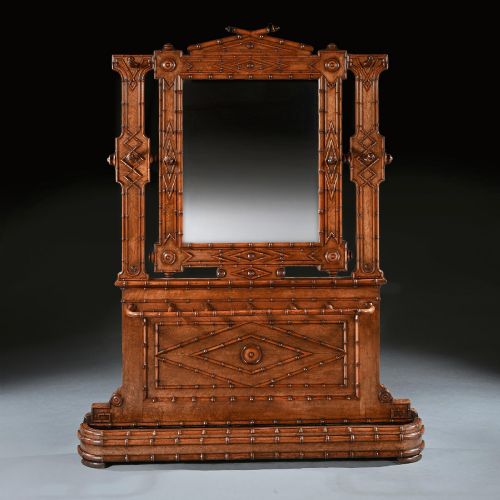
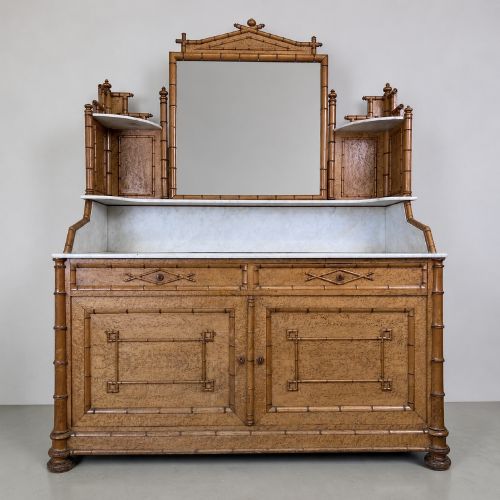
The objects serve as practical room accessories while carrying strong visual statements characterised by hand-painted surfaces, decoupage, and contrasting textures. Tiger bamboo varieties appear alongside faux bamboo pieces constructed from birdseye maple, offering distinct visual textures within the same category. Whether selecting a half moon console table or a display cabinet, collectors secure a tangible link to nineteenth century interior styling.
Determinants of quality
The standard of execution in hand-painted details and lacquer panels separates everyday production from superior output. Finely articulated hand-painted surfaces and integrated decorative tiles elevate an occasional table or cabinet beyond basic utilitarian furniture. The complexity of the form, such as combined mirrors, umbrella stands, and multi-tiered shelving within a single hall stand, indicates higher ambition in design.
The integrity of the structural joints and the selection of materials dictate longevity and overall refinement. Natural tiger bamboo frames paired with premium secondary woods like birdseye maple demonstrate superior material sourcing compared to simpler pine or softwood substructures. Well-preserved surfaces retaining original lacquer, glass panels, and cane work reflect careful historical ownership and superior original craftsmanship.
Victorian Aesthetic Bamboo Furniture Retail Price Guide 2026
Typical asking prices for victorian aesthetic bamboo furniture among the pieces listed under this phrase on Sellingantiques today, from the lower quarter to the upper quarter. They describe what is for sale here now, not the wider market.
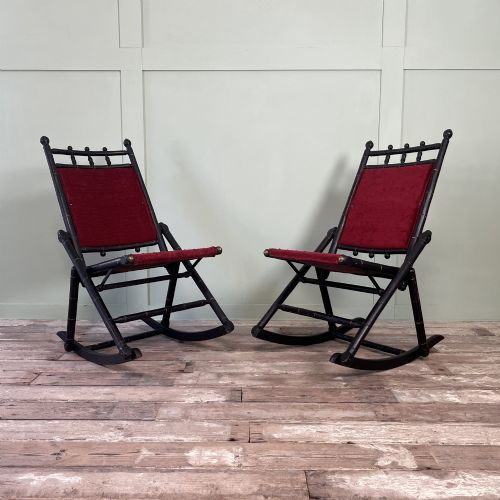
Folding rocking chairs constructed from bamboo offered nineteenth century sitters a surprisingly mobile way to gently sway while surrounded by orientalism.
Liberty and Co·Leonard Wyburd
The Victorian Aesthetic Bamboo Furniture Glossary
- Aesthetic Movement
- A late nineteenth century design movement that promoted art for art's sake and embraced oriental influences. It rejected heavy Victorian moralising in favour of visual harmony and decorative lightness.
- Faux Bamboo
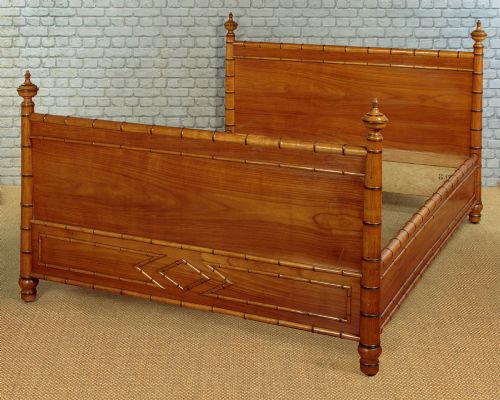
- Wood, often maple or beech, turned and painted to imitate the jointed appearance of natural bamboo. This technique provided structural strength while maintaining an exotic visual style.
- Canterbury
- A low, multi-partitioned stand originally designed for holding sheet music and later utilised as a magazine rack. These items frequently incorporated bamboo or faux bamboo frames.
- Chinoiserie
- European interpretations of Chinese and East Asian artistic traditions, expressed through decorative motifs and furniture forms. The style influenced many late nineteenth century bamboo and lacquered pieces.
- Japonisme
- The study and influence of Japanese art and design on Western culture during the late nineteenth century. This interest heavily shaped the decorative panels and overall composition of aesthetic bamboo items.
Victorian Aesthetic Bamboo Furniture: Frequently Asked Questions
How were bamboo hall stands used?
Hall stands functioned as practical entryway furniture designed to hold umbrellas, coats, and hats while offering a central mirror for last-minute checks before leaving the house. Their lightweight bamboo frames made them easy to position in narrow Victorian hallways without darkening the space.
The inclusion of tiled backs, metal drip trays, and small compartments for keys or cards ensured they met the daily organisational needs of a nineteenth century household.
Where did aesthetic bamboo furniture sit in a home?
These pieces suited drawing rooms, boudoirs, and reception rooms where light and exotic decorative schemes were preferred over heavy mahogany or oak furnishings. Occasional tables and side tables moved easily around rooms to hold tea services, books, or decorative objects.
Display cabinets and miniature cupboards provided enclosed spaces for ceramics and curiosities, contributing to the curated interior style popular during the aesthetic period.
Are faux bamboo and natural bamboo the same?
Faux bamboo consists of wood, such as maple, turned on a lathe and painted to simulate the segmented nodes of natural bamboo. Makers used this method when they required greater structural load-bearing capacity than raw bamboo could provide.
Natural bamboo relied on the plant's inherent hollow strength and flexibility, often secured with internal pins and binding. Both materials shared the same decorative vocabulary and frequently appeared within the same interiors.
What defines the aesthetic period style?
The aesthetic period style prioritised visual beauty, asymmetry, and inspiration from Japanese and Chinese art over traditional classical rules. Furniture from this era often featured slender frames, ebonised or lacquered surfaces, and hand-painted natural motifs.
Items created under this movement aimed to create harmonious, artistic living environments that contrasted sharply with earlier industrial Victorian designs.