

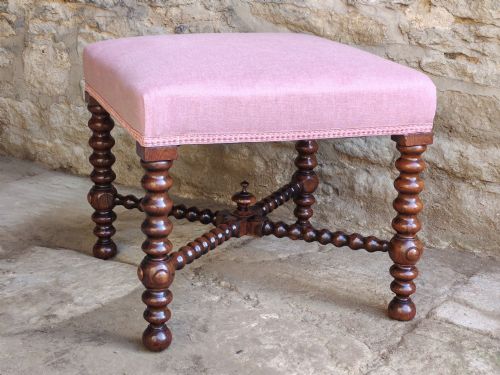


Victorian Accent Stool
A victorian accent stool brings compact seating and distinct period timber to a corner, merging utility with decorative revival forms.
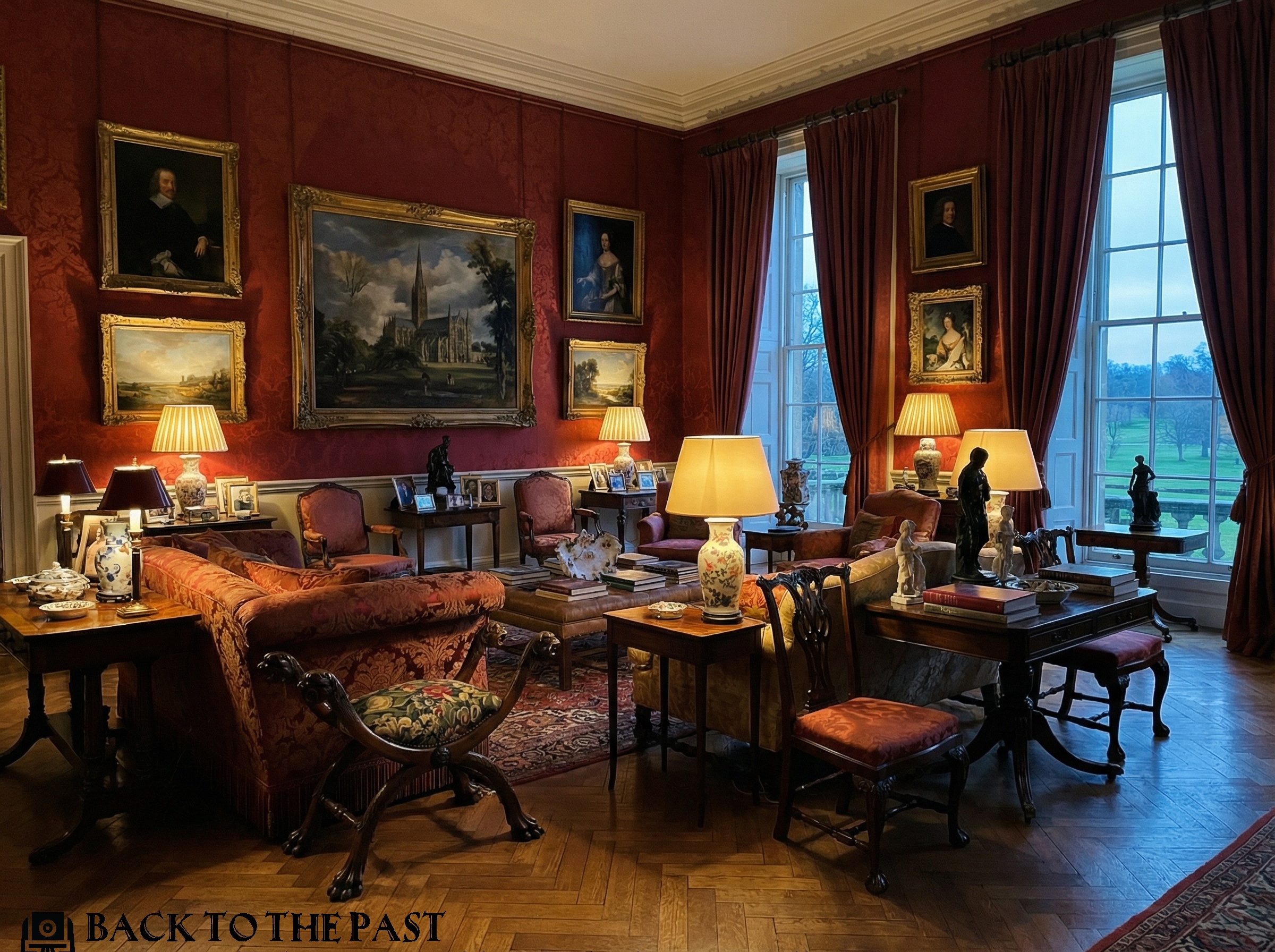
Victorian Accent Stool
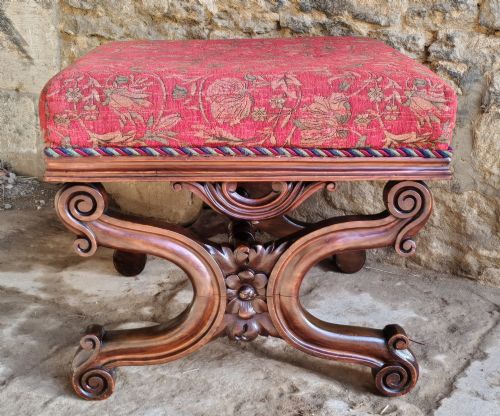
A victorian accent stool encompasses low seating, dressing table seats, x-frame window benches, and small stands that function interchangeably as low tables. The selections here draw from the nineteenth century, including specific decades such as eighteen-fifty, eighteen-sixty, and eighteen-eighty.
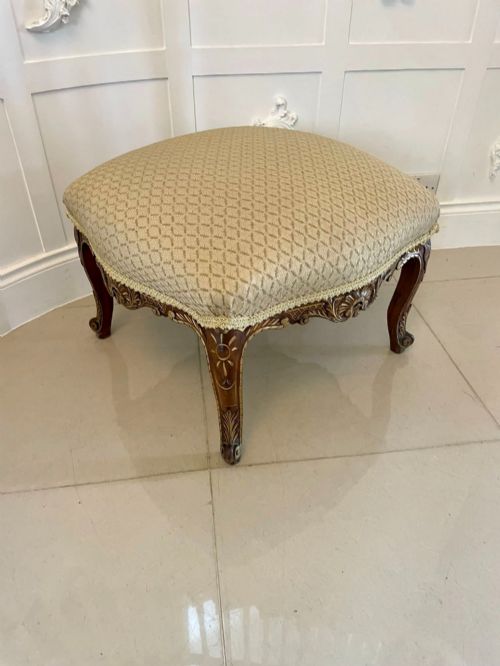
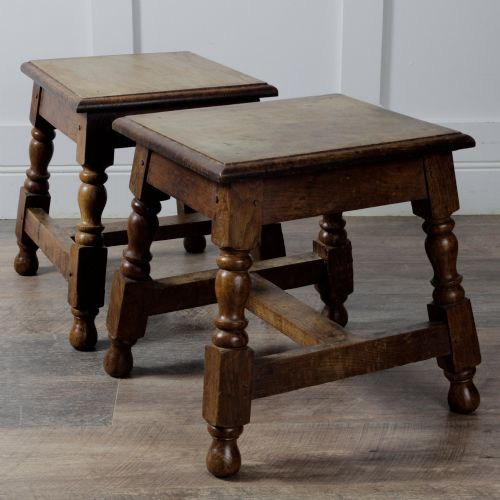
Buyers encounter diverse stylistic expressions within these listings, ranging from Gothic Revival and Jacobean Revival to Victorian Rococo Revival, Arts and Crafts, and Anglo-Indian Colonial designs. Forms vary from simple jointed oak construction to elaborate carved walnut frames with upholstered tops.
While many listings present dedicated stools, others include occasional tables, footstools, and allied low seating formats that serve the same decorative purpose in a room layout.
Materials and construction methods
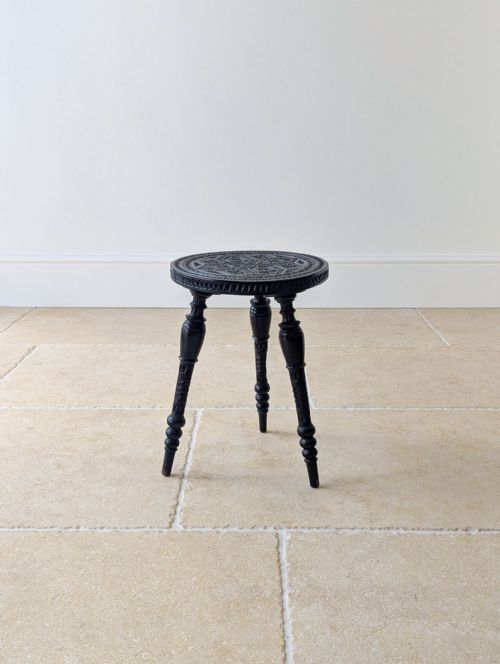
Cabinetmakers utilised dense hardwoods for these frames, predominantly walnut, oak, mahogany, rosewood, and ebonised timber. Construction techniques combine traditional joinery with decorative carving, bobbin turning, chip-carving, and applied gilt or pearl inlay.
Upholstered examples integrate various textiles, ranging from original needlepoint and buttoned leather to tweed linen and contemporary fabric covers. Structural details include cabriole legs, twisted rope supports, and x-frame configurations.
The furniture styles span Victorian, Gothic Revival, Jacobean Revival, Arts and Crafts, and Anglo-Indian Colonial designs.
Determinants of quality
Quality in a victorian accent stool rests upon the crispness of the timber carving and the integrity of the underlying frame construction. Finer examples display thoughtful proportion, substantial hardwood selection, and detailed embellishments like carved animal motifs or specialist turning.
The treatment of surfaces also distinguishes the range, where original finishes, patinated timber surfaces, and specialist ebonising hold greater merit than unsympathetic modern alterations. Upholstery standard and fidelity to historical revival styles further separate standard production from superior pieces.
James Shoolbred·Liberty and Co·Richard Bridgens·A.M.E. Fournier
The Victorian Accent Stool Glossary
- X-frame
- A structural furniture base formed by intersecting diagonal timbers creating a cross shape. This configuration often appears on window stools and curule seats.
- Bobbin turning
- A form of lathe-turned woodwork characterised by a sequence of rounded spherical or pill-shaped swellings resembling spools of thread. It is frequently seen on nineteenth-century legs and stretchers.
- Ebonised
- Timber treated with a dark finish to imitate the appearance of ebony. This technique was popular in nineteenth-century cabinetmaking for dramatic contrast.
- Gothic Revival
- An architectural and decorative style drawing inspiration from medieval Gothic forms. Pieces often feature pointed arches, trefoils, and heavy carved oak.
- Prie-dieu
- A low devotional chair or stool featuring an upright back designed for kneeling and prayer. These typically emerge within Victorian domestic interiors.
Victorian Accent Stool: Frequently Asked Questions
How were victorian accent stools used?
These pieces served multiple functions in nineteenth-century interiors, acting as moveable seats near windows, dressing table adjuncts, or low stands for decorative objects. Their portable scale allowed occupants to reposition them easily around the room as needed.
They often complemented larger seating arrangements in libraries, drawing rooms, and bedrooms, providing informal perches or supplementary display surfaces.
Can I use these stools as small tables?
Many examples function interchangeably as low side tables or stands for lamps, books, and plants. Flat-topped wooden variants adapt readily to this secondary role without modification.
Upholstered versions remain primarily intended for seating, though rigid trays placed on top can convert them temporarily for surface use.
How do I identify a Gothic Revival stool?
Gothic Revival pieces typically feature architectural motifs drawn from medieval buildings, such as pointed arches, quatrefoils, and heavy chamfered oak framing. The timber is usually dark and substantial, reflecting ecclesiastical design influences.
These items often lack delicate curves, favouring instead strict geometric lines and robust structural joinery.
What is Anglo-Indian colonial furniture?
This descriptor refers to pieces made in the Indian subcontinent during British rule, often combining traditional eastern motifs with western furniture forms. They frequently incorporate exotic timbers and intricate carved details like animal figures.
Such items brought distinct regional craftsmanship and heavy ornamentation into Victorian British homes.