
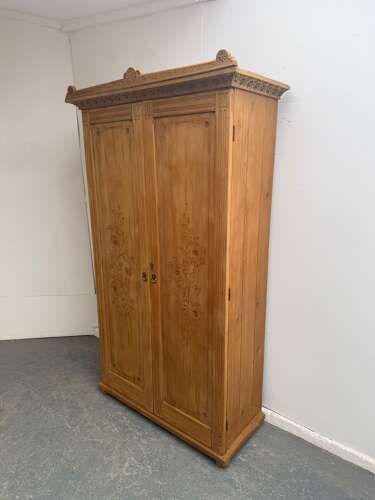
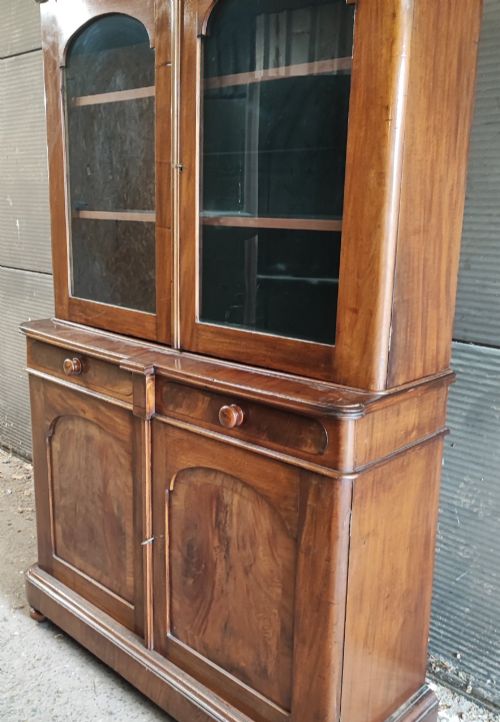
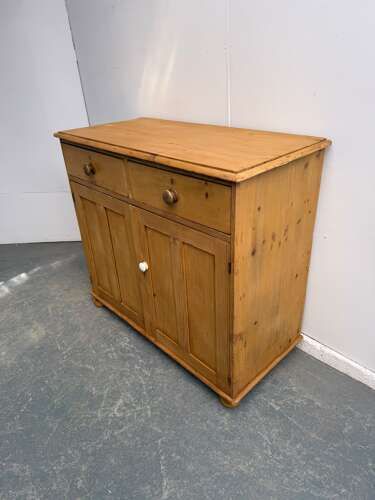
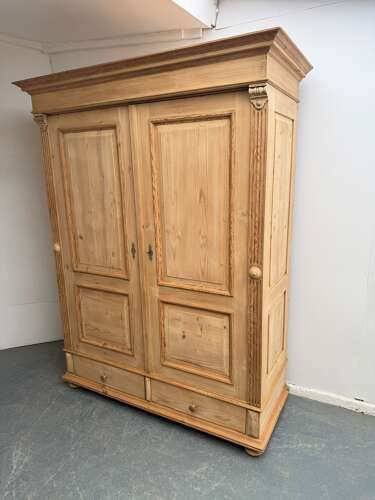
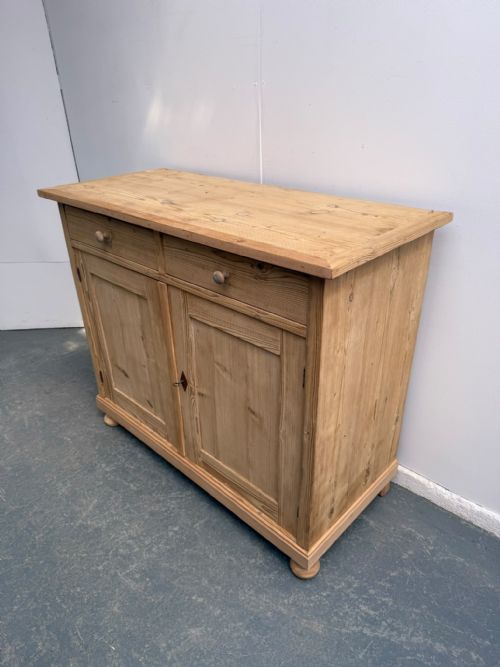
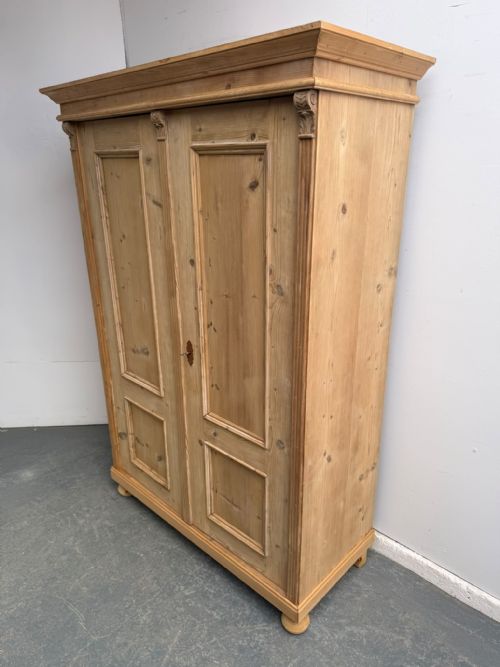
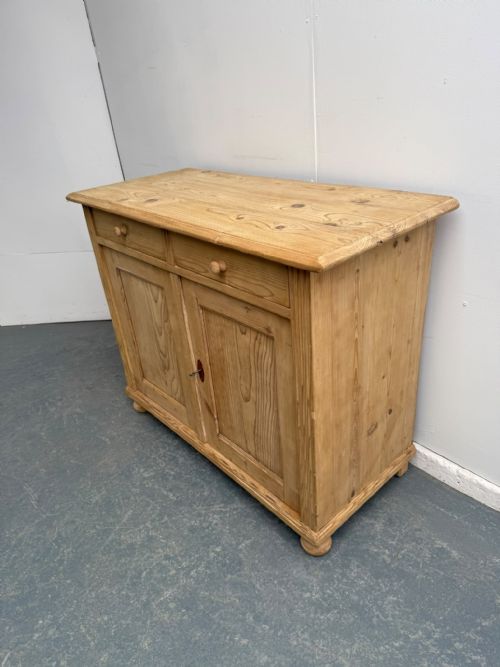
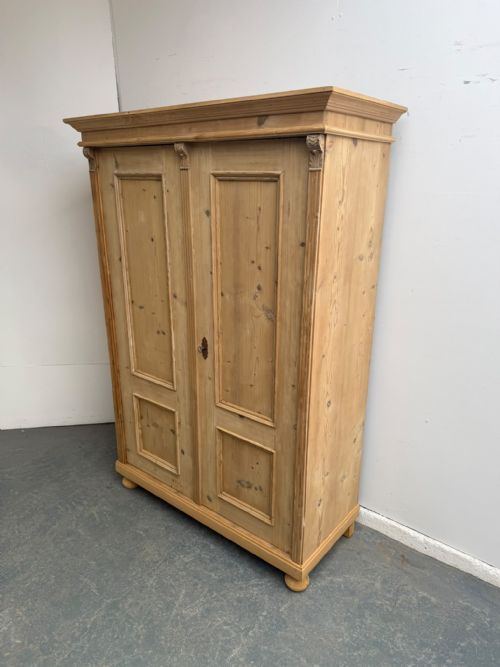
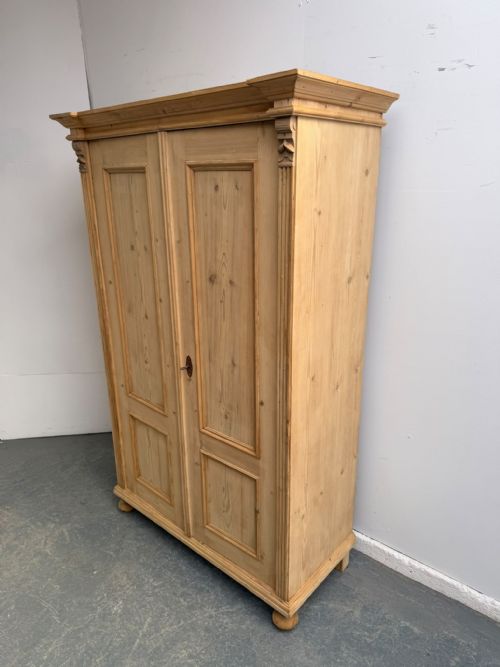
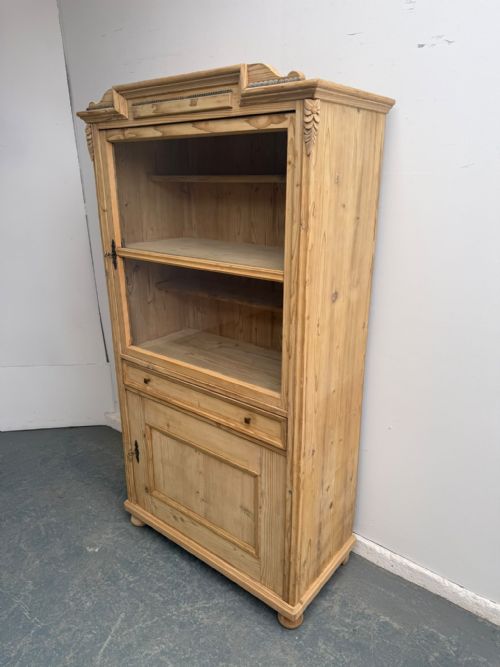
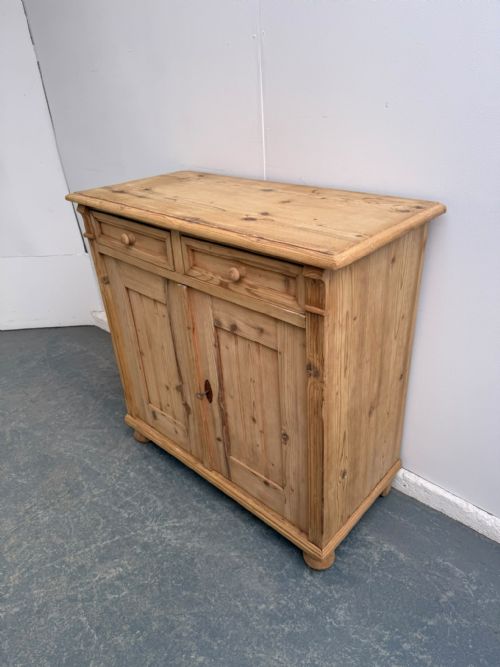
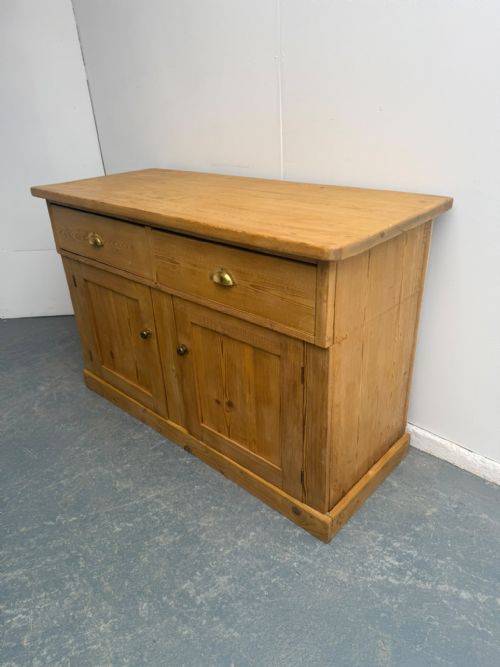
Victorian 2 Door Cupboard
A victorian 2 door cupboard provides practical storage in mahogany, oak or pine, bridging functional domestic utility with nineteenth-century craftsmanship.
Victorian 2 Door Cupboard
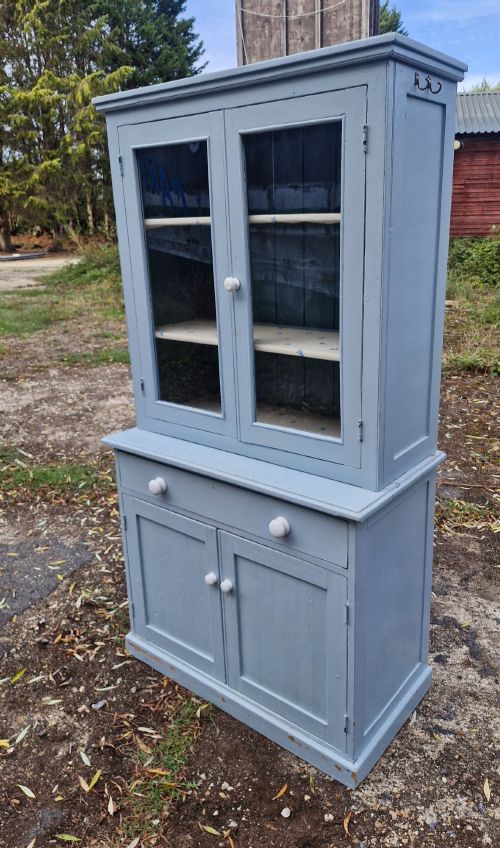
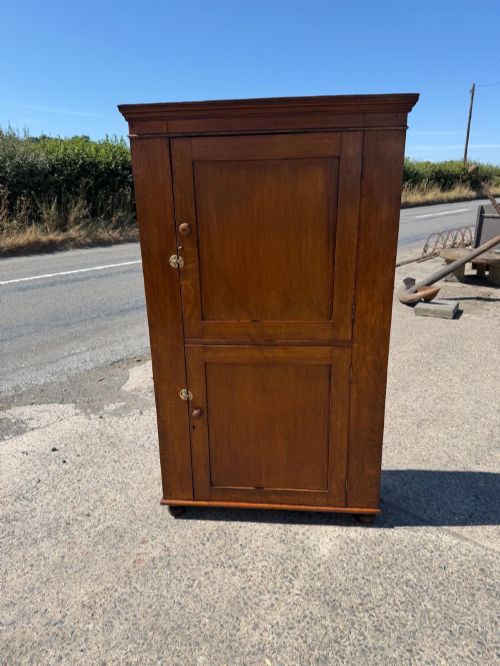
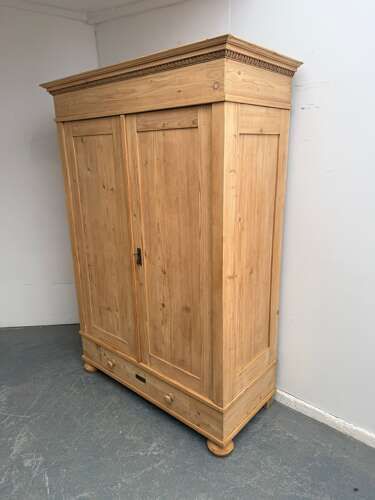
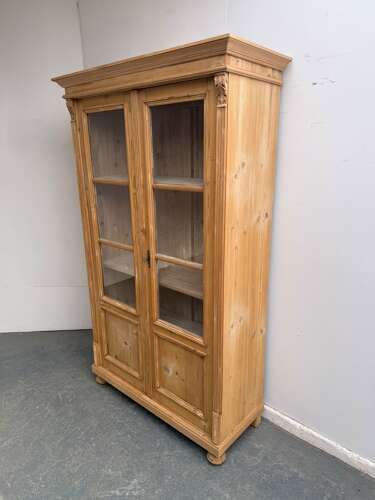
When searching for a victorian 2 door cupboard, buyers encounter sturdy pieces designed for household storage, pantries, and hallways during the nineteenth century. These items span various woods and configurations, frequently emerging as kitchen cupboards, larder units, or sideboard bases.
Pine examples dominate the archive of smaller storage units, often retaining original paint or wax finishes alongside ventilation vents or drawers. Mahogany and oak variants appear more formally, frequently supporting bookcase sections or standing on bun feet within period rooms.
What Varies in Quality
The standard of a victorian 2 door cupboard rests upon the selection of timber and the crispness of any applied carving or inlay. Figured mahogany and burr walnut demand superior raw materials compared to standard utility pine, reflecting their intended placement in principal rooms.
Proportion and intact original elements dictate the standing of a piece, from fitted interior shelving to brass vents and bun feet. Untouched surface finishes, whether original scumble paint or polished wax, preserve the integrity of the maker's work.
At least one nineteenth-century toy cupboard survives, proving that Victorian children also needed places to tidy up.
Edwards & Roberts
The Victorian 2 Door Cupboard Glossary
- Flame Mahogany
- A veneer cut from the fork of the mahogany tree to create a distinctive flickering flame pattern. This decorative wood was favoured for principal Victorian furniture facades.
- Scumble
- A translucent paint layer applied over a base coat to imitate the grain of more expensive woods like oak. It appears on utilitarian nineteenth-century pieces.
- Bun Feet
- Rounded, slightly flattened foot forms resembling a small bun, commonly turned from oak or mahogany. They lift low Victorian cupboards off the floor.
- Larder Cupboard
- A tall storage unit designed for food preservation, frequently featuring panelled doors with brass ventilation grilles. These pieces served nineteenth-century domestic kitchens.
- Pier Cabinet
- A low display cabinet built to stand against the narrow wall space between windows. Victorian examples often incorporate glazed doors and walnut veneers.
Victorian 2 Door Cupboard: Frequently Asked Questions
What rooms suit a victorian 2 door cupboard?
These cupboards adapt easily to modern kitchens, dining rooms, and hallways as practical storage solutions. Their compact footprint allows them to function as freestanding larders or sideboards.
Mahogany and walnut variations sit comfortably in formal reception spaces, while painted or waxed pine versions bring rustic character to domestic interiors.
How do pine and mahogany cupboards differ?
Pine cupboards generally served utilitarian roles in pantries, sculleries, and farmhouses, often finished with simple wax or painted surfaces. They prioritise straightforward storage capacity over decorative flourishes.
Mahogany and walnut examples belonged to more formal rooms, featuring polished wood grains, decorative mouldings, and sometimes glazed upper sections for display.
Did these cupboards have shelves originally?
Interior arrangements varied according to the intended use, ranging from fixed timber shelves in larders to adjustable shelving in bookcases. Many surviving pieces retain their original support ledges or fitted boards.
Utility cupboards often included lower drawer combinations or brass ventilation vents designed for linen and provisions storage.
How can I date a victorian cupboard?
Dating relies on stylistic clues, timber choices, and construction techniques associated with the nineteenth century. Pieces marked 1850 or 1860 often display early Victorian proportions, while later examples incorporate broader revival styles.
Hardware details, such as brass ventilation grilles and turned bun feet, help place the furniture within specific decades of the period.