




Victorian 18 Carat Ring
A victorian 18 carat ring brings together heavy yellow gold and hand-cut stones that define nineteenth-century sentiment and design.
Victorian 18 Carat Ring
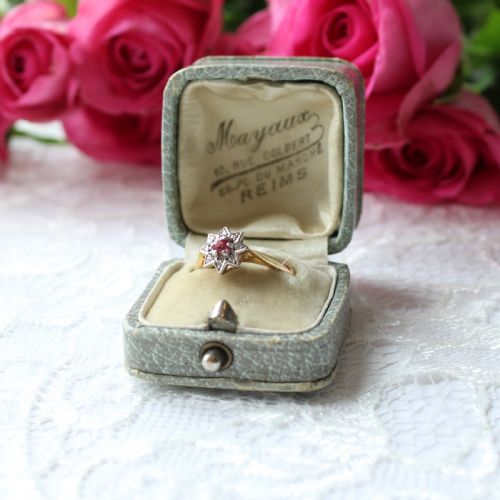
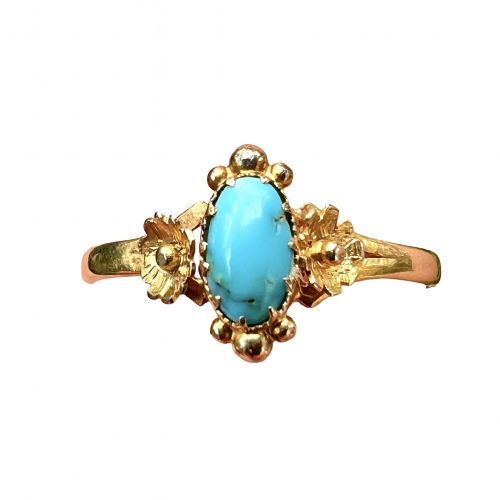
A victorian 18 carat ring comprises a range of finger adornments produced predominantly during the nineteenth century, utilising high-purity yellow gold. These pieces appear in forms such as solitaire, cluster, multi-stone, gypsy, and band rings, often incorporating sentimental motifs.
Many examples combine diamonds with coloured gemstones including sapphires, rubies, turquoise, opals, and split pearls. While the majority originate from the Victorian era, the selection also includes related pieces from subsequent decades up to the mid-twentieth century.
How they were made
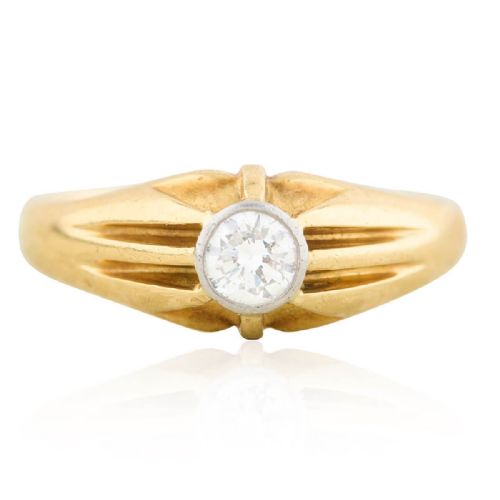
Goldsmiths shaped eighteen carat yellow gold into bands and settings, frequently employing techniques such as gypsy setting, where stones sit flush into the metal surface, or starburst engravings radiating from a central gem. Stones like diamonds were typically old European cut or old mine cut, possessing distinct hand-faceted proportions rather than modern symmetrical cuts.
Cluster and boat ring arrangements positioned multiple smaller gems together, sometimes utilising illusion settings to visually magnify the stone size. Hallmarks stamped into the interior of the bands record assay offices like Birmingham and Chester alongside the metal standard.
Assay office marks from Birmingham and Chester appear alongside nineteenth-century date letters on authenticated examples.
What varies in quality
The distinction between tiers rests upon the weight, colour, and clarity of the central diamonds and coloured gems, alongside the integrity of the goldwork. Substantial stone size and natural origin in rubies or sapphires elevate a piece above standard multi-stone variations.
Hand-engraved detailing, such as floral motifs or inscription panels like Mizpah bands, demonstrates superior artisan execution compared to plain cast mounts. Preservation of original claw settings and crisp hallmarks further separates standard production from exceptional survival.
The Victorian 18 Carat Ring Glossary
- Gypsy ring
- A style where stones are set flush into the thick tapered band of the ring. This mounting style protected the girdle of the stone during daily wear.
- Old European cut
- An early form of brilliant cut diamond featuring a small table, high crown, and large open culet. These stones display distinct hand-cut facets under magnification.
- Mizpah band
- A sentimental ring exchanged between people separated by distance, bearing a Hebrew term denoting an emotional bond. They frequently appear in yellow gold with engraved lettering.
- Trefoil cluster
- A ring arrangement grouping three stones in a cloverleaf pattern. This formation typically combines diamonds with sapphires or rubies.
- Boat ring
- A curved mounting resembling the hull of a vessel, holding a row of graduated stones. This elongated shape sat horizontally across the finger.
Victorian 18 Carat Ring: Frequently Asked Questions
What is an 18 carat gold ring?
An 18 carat gold ring contains seventy-five percent pure gold alloyed with other metals to provide durability for jewellery use. This composition delivers a rich yellow hue characteristic of nineteenth-century pieces.
Such rings balance precious metal purity with sufficient structural strength for daily wear, distinguishing them from lower or higher carat alternatives.
How can I tell if a ring is Victorian?
Victorian rings display specific manufacturing characteristics such as hand-cut stones, specific claw arrangements, and regional British assay office hallmarks. Stylistic markers include boat settings, gypsy mounts, and sentimental motifs like split pearls and turquoise.
Comparing the internal hallmarks and stone cutting styles against documented periods helps establish the production era accurately.
What stones are common in these rings?
Diamonds and sapphires appear frequently, often paired together in cluster or multi-stone trilogy configurations. Rubies, turquoise, opals, and split pearls also feature prominently in nineteenth-century designs.
These gemstones were selected for their colour and sentimental associations, reflecting the decorative preferences of the period.
How do I care for antique rings?
Antique rings require gentle handling, particularly pieces set with softer materials like opals, turquoise, or pearls which are sensitive to moisture and chemicals. Professional cleaning by a specialist jeweler preserves the original claw settings and delicate gold engravings.
Removing the ring during physical tasks prevents undue stress on the antique yellow gold band and prevents stone loss.