

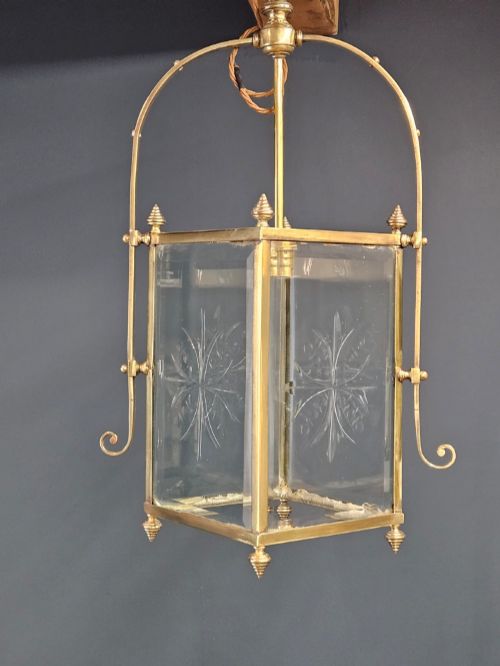
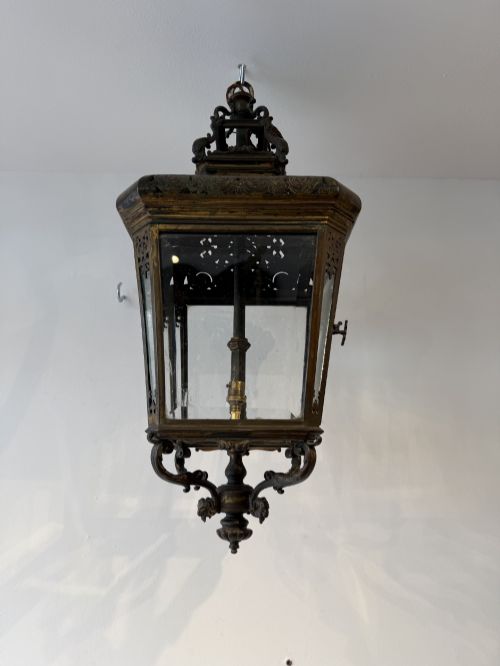
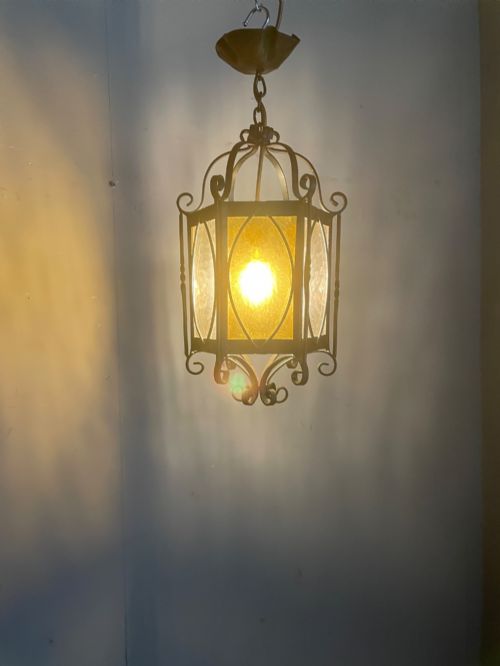


Vestibule Ceiling Lamp
These vestibule ceiling lamp designs light entrance spaces with brass, bronze, and cut glass hanging fixtures.
Vestibule Ceiling Lamp
A vestibule ceiling lamp is a hanging fixture designed specifically to illuminate entrance halls, porches, and narrow corridors. When searching for a vestibule ceiling lamp, buyers encounter historical forms dating from the nineteenth century through the nineteen-thirties, spanning Victorian, Edwardian, and Art Deco aesthetics.
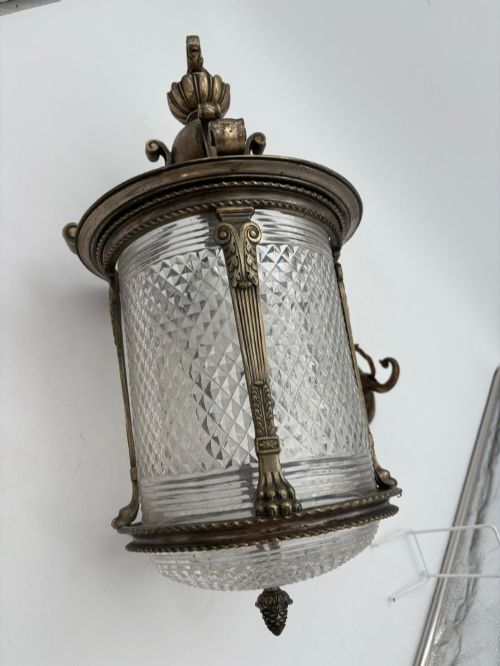
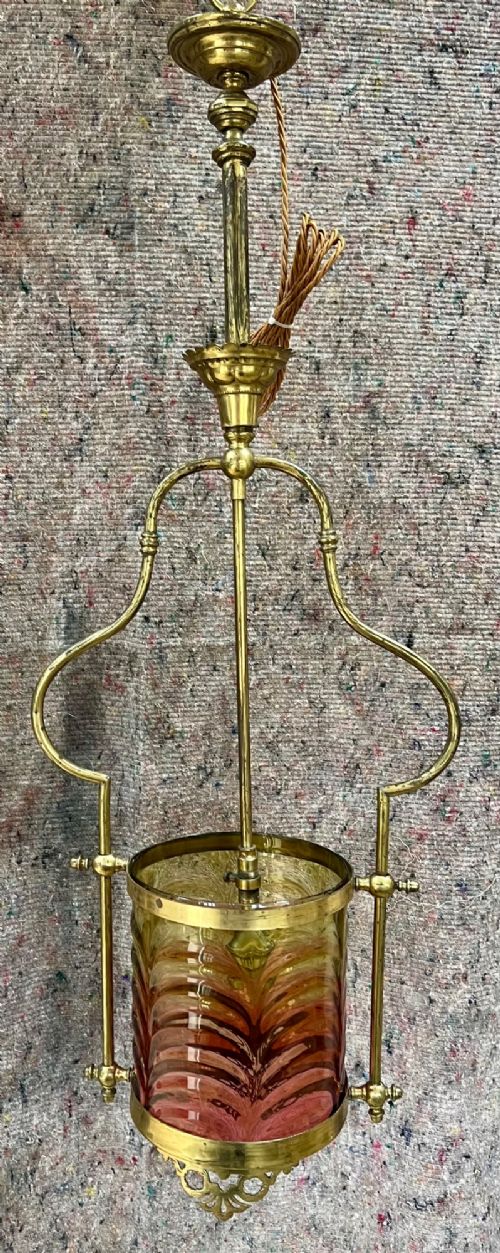
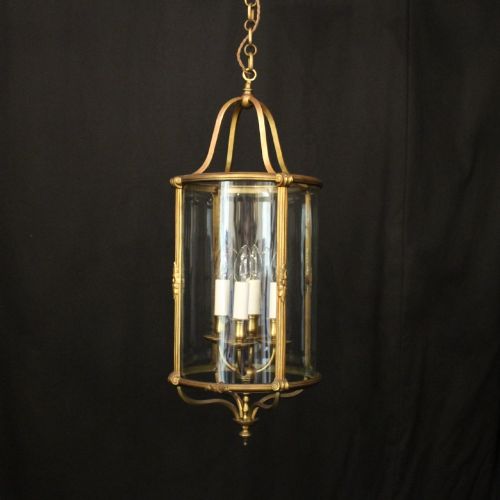
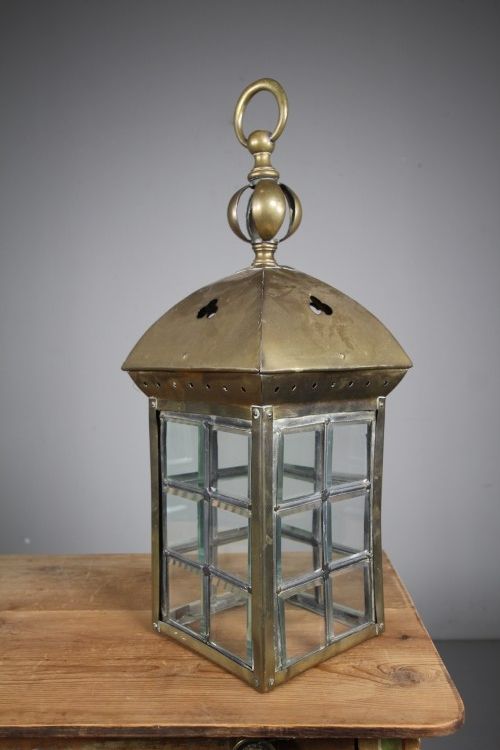
The most common versions met on this page include brass-framed hall lanterns and glazed bronze ceiling lights. These pieces often feature cut glass, leaded glass, or coloured glass shades suspended on short chains or fixed mounts.
Origins range from English domestic hallways to French chateau interiors, encompassing both restrained neoclassical designs and ornate gothic revival or rococo interpretations.
Materials and construction
Makers constructed these fixtures using cast or sheet brass, gilt bronze, silvered bronze, and wrought or cast iron for the structural framework. These metal mounts secure panels of clear cut glass, leaded glass, or patterned amber and red glass.
Workshop techniques included blacksmithing for iron frames, intricate bronze casting for French revival models, and hand-soldering for leaded glass panels. Metalwork surfaces were frequently gilded, silvered, or left in their natural polished or oxidized states.
Vestibule Ceiling Lamp Retail Price Guide 2026
Typical asking prices for vestibule ceiling lamp among the pieces listed under this phrase on Sellingantiques today, from the lower quarter to the upper quarter. They describe what is for sale here now, not the wider market.
Judging quality and execution
Quality in a vestibule ceiling lamp rests on the weight of the metal casting, the depth of the chasing on bronze mounts, and the clarity of the cut glass. Superior examples display crisp architectural detailing and substantial metal gauge rather than thin stamped components.
The integration of the glazing defines the standard of the piece, where tightly fitted bevelled or leaded glass panels demonstrate superior craftsmanship compared to plain flat glass held by basic clips.
The Vestibule Ceiling Lamp Glossary
- Hall lantern
- A ceiling-suspended lighting fixture enclosed in glass and metal, traditionally hung in entrance passages. These units provide directional illumination downward while casting patterned light through glazed sides.
- Gilt bronze
- Metalwork finished with a thin layer of gold applied through fire-gilding or electroplating. This technique protects the underlying bronze and imparts a warm, enduring metallic sheen.
- Cut glass
- Glass decorated by grinding facets or patterns into the surface with abrasive wheels. It refracts bulb light intensely to create sparkle within a confined entrance space.
- Leaded glass
- Small panes of glass joined together by strips of lead came, soldered at the joints. This technique builds geometric or pictorial panels common in Edwardian and later porch lanterns.
- Silvered bronze
- Bronze treated with a silver coating to provide a reflective, cooler metallic finish. It appears frequently in late nineteenth-century decorative lighting.
Vestibule Ceiling Lamp: Frequently Asked Questions
Where should a vestibule ceiling lamp hang?
These lamps belong in entrance halls, corridors, and high-ceilinged porches where they provide direct overhead illumination. Their compact hanging profiles suit transitional spaces without obstructing movement.
Ensure adequate clearance beneath the fixture so the lowest point clears household traffic while remaining visually balanced within the vertical volume of the room.
How do I date a brass hall lantern?
Dating relies on stylistic clues, construction methods, and material finishes visible in the metalwork. Victorian and Edwardian pieces often display heavier cast brass and specific revival motifs, while nineteen-thirties items lean toward simpler geometric lines or wrought iron.
Examine the screws, suspension loops, and glass-retaining clips, as older manufacturing techniques leave distinct hand-finished marks compared to modern mass production.
Are these lamps wired for modern electricity?
Many antique fixtures retain older internal wiring or require professional rewiring to meet current electrical standards. A qualified electrician can easily update the internal lampholders while preserving the historic exterior shell.
Keep the original candle tubes or sockets if intact, as they contribute to the authenticity of the interior aesthetic when viewed through the glass panels.
What is the difference between a pendant and a hall lantern?
A pendant typically suspends an exposed bulb or shade from a cord or rod, whereas a hall lantern encloses the light source within a structured glass and metal cage. This enclosed box design protects the flame or bulb from drafts in busy entranceways.
Lanterns also project decorative shadows through their metal frames and glass panes, adding textural interest to small vestibules.