




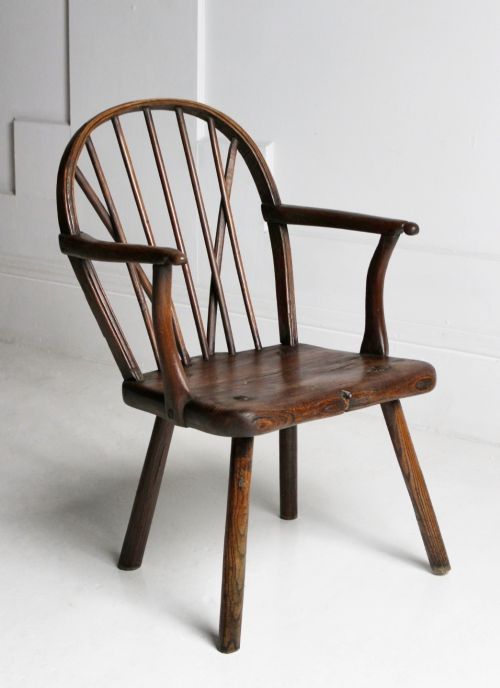


Vernacular Stick Back Chair
A vernacular stick back chair brings utilitarian country craft directly into a room, offering robust construction and honest domestic history.
Vernacular Stick Back Chair
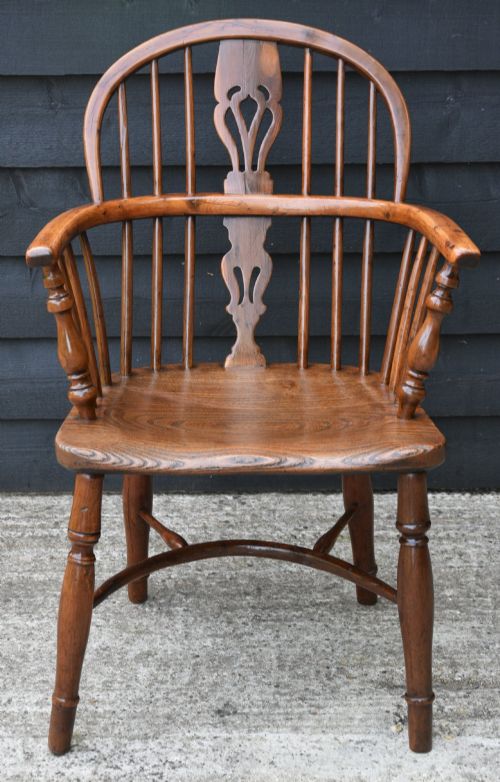
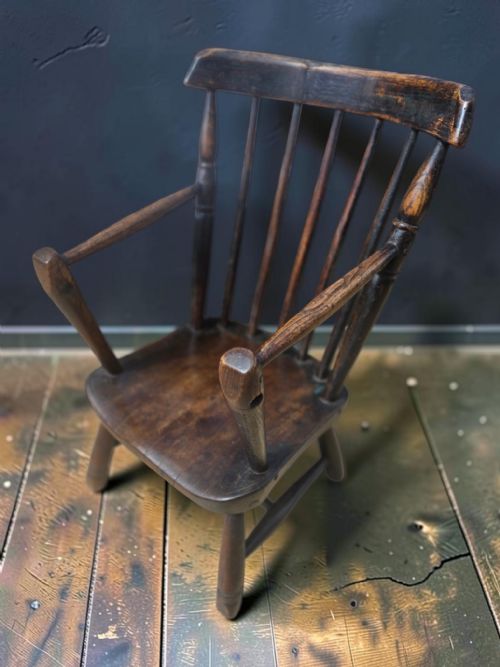
When you search for a vernacular stick back chair, you encounter seating built by regional country joiners rather than urban cabinet makers. These pieces span the eighteenth and nineteenth centuries, taking forms such as armchairs, low chairs, and children's high chairs.
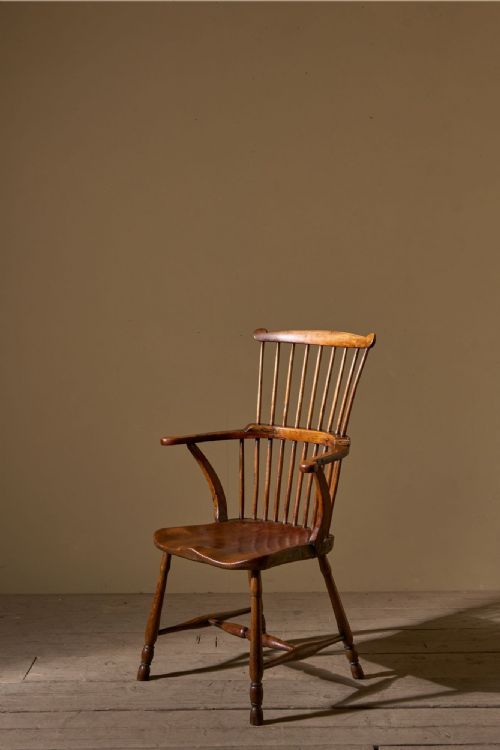
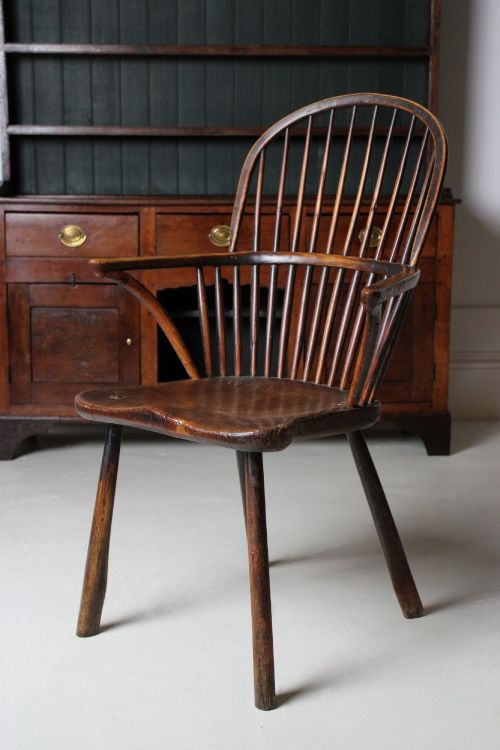
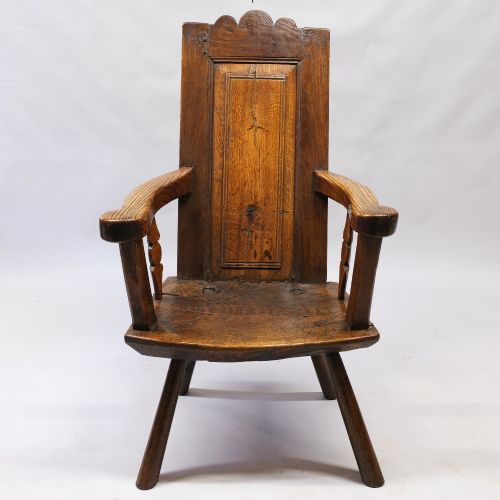
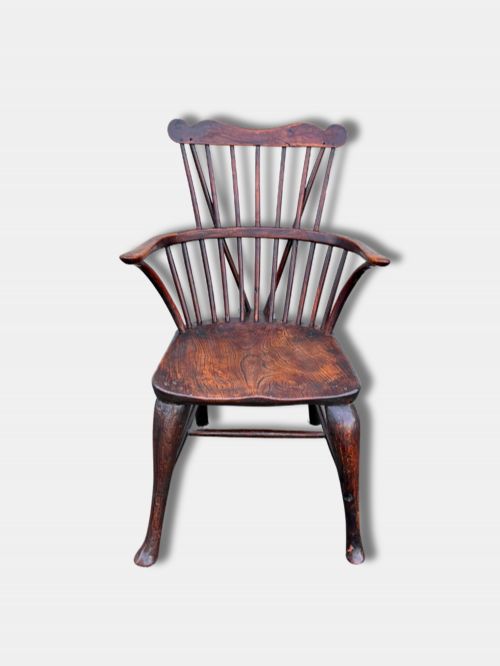
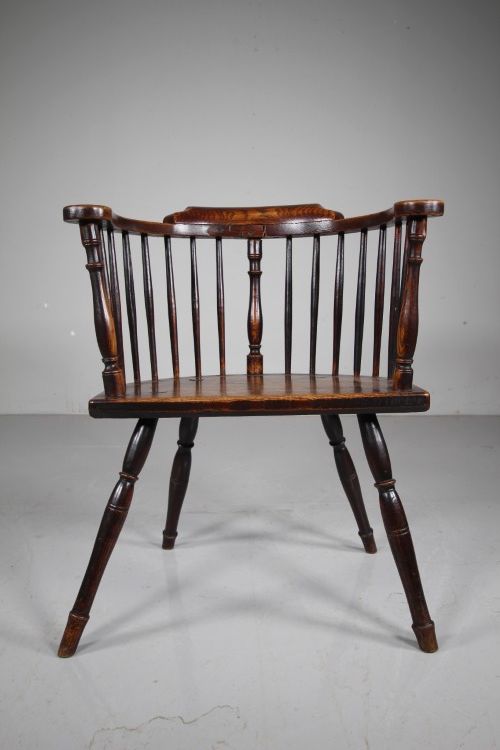
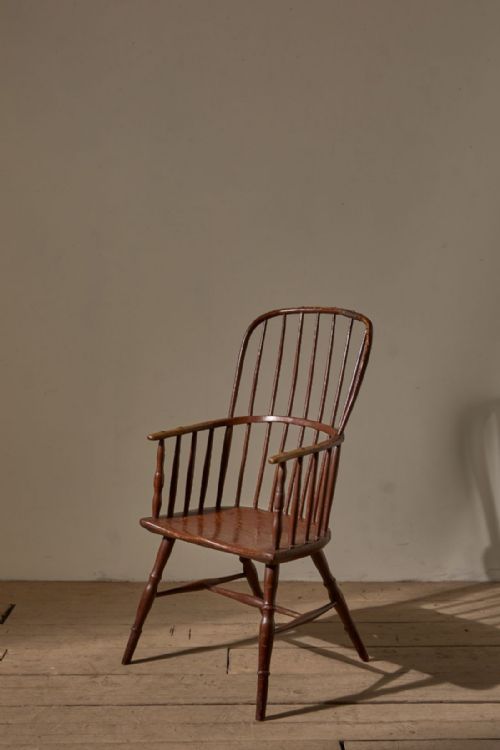
The selections here showcase distinct regional traditions including Welsh, West Country, Thames Valley, and Scottish examples. Forms range from comb backs and hoop backs to panel backs and straightforward stick backs rooted in English and Welsh country styles.
How they were made
Maker-joiners utilised local timbers available to them, frequently combining ash for spindles and frames with elm for solid saddle seats. Additional woods such as yew, fruitwood, beech, laburnum, and oak appear across regional pieces.
Construction relies on turned or cleft sticks tenoned directly into thick plank seats, often accompanied by steam-bent back bows. Some examples retain original brown paint or primitive surface treatments applied over the bare timber.
Vernacular Stick Back Chair Retail Price Guide 2026
Typical asking prices for vernacular stick back chair among the pieces listed under this phrase on Sellingantiques today, from the lower quarter to the upper quarter. They describe what is for sale here now, not the wider market.
The listings span the eighteenth and nineteenth centuries, incorporating periods such as Georgian, Regency, and the year 1800.
What varies in quality
Quality rests in the balance of proportions, the comfort of the sculpted seat, and the integrity of the wedged joints. Superior examples display thoughtful timber selection, such as burr elm seats or contrasting wood combinations.
The character of the wear also dictates standing, distinguishing honest patination from heavy later alterations. Maker execution in the steam-bending of bows and the turning of arm supports separates standard utility pieces from exceptional regional survivals.
Scottish Darvil·The Snowdonia Chair
The Vernacular Stick Back Chair Glossary
- Comb back
- A chair design featuring a low back surmounted by a transverse headrest supported by vertical spindles, resembling the teeth of a comb.
- Hoop back
- A continuous curved wooden bow forming the arms and backrest in a single flowing arc above the seat.
- Panel back
- A construction incorporating a central solid wooden splat or panel within the framework of the backrest.
- Saddle seat
- A thick wooden seat scooped and carved into a concave shape for domestic comfort.
- Stick back
- A chair form where vertical wooden rods or sticks form the primary structure of the backrest rather than carved splats.
Vernacular Stick Back Chair: Frequently Asked Questions
Where were these chairs made?
These pieces originate from rural workshops across England, Wales, Scotland, and specific regions like the Thames Valley or West Country.
Local joiners built them using timber sourced directly from the surrounding countryside to supply farmhouses, cottages, and kitchens.
How do I care for an old elm chair?
Keep the wood away from direct heat sources and sudden temperature shifts to prevent the timber from splitting or warping.
Apply a traditional microcrystalline wax occasionally to nourish the surface and maintain the natural lustre of the wood.
Are children's chairs contemporary toys?
Historic children's armchairs and high chairs were functional domestic items built with the same robust construction methods as adult seating.
Families used them daily in eighteenth and nineteenth-century households for infants and young children.
How do I distinguish regional styles?
Regional identity shows through specific combinations of timber, turning patterns on the legs, and the shaping of the back bow.
Welsh and Scottish examples often display distinct comb back formations and local wood choices like burr elm or ash.