

Vernacular Oak Seat
A vernacular oak seat brings the honest craft of the domestic interior into a room, formed from local timber by regional makers.
Vernacular Oak Seat
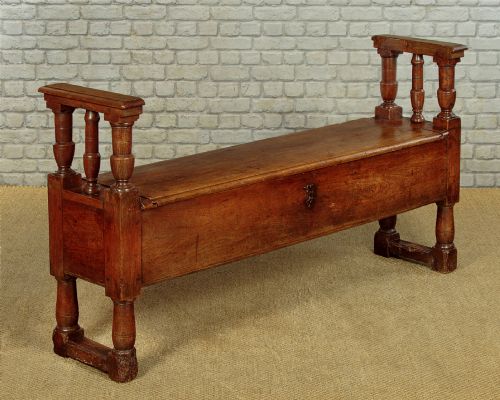
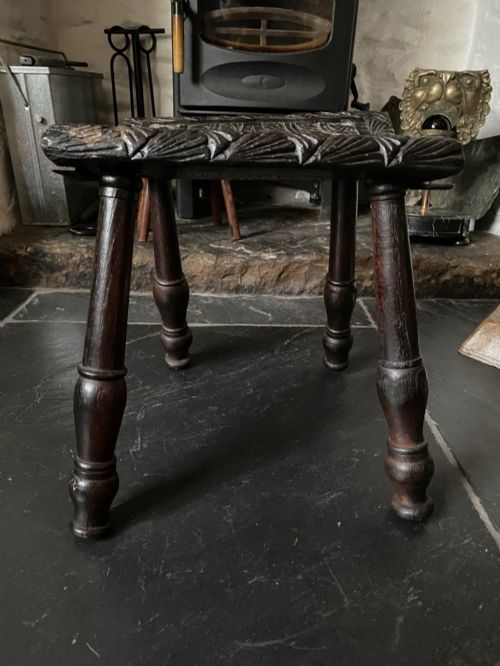
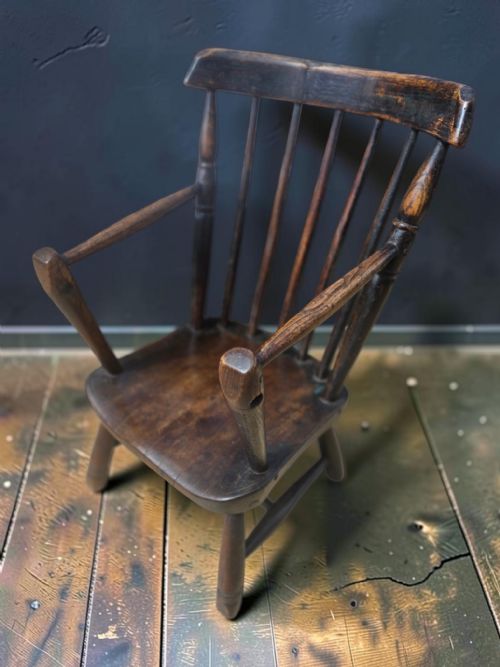
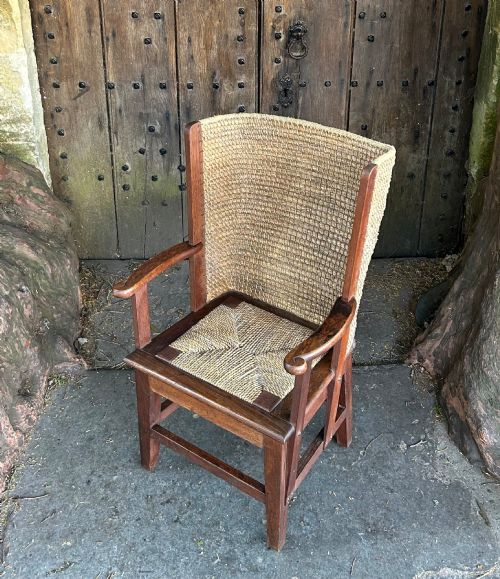
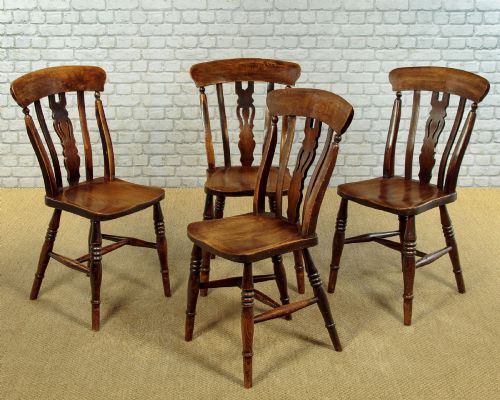
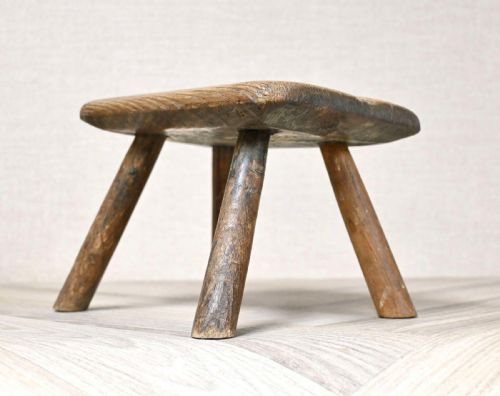
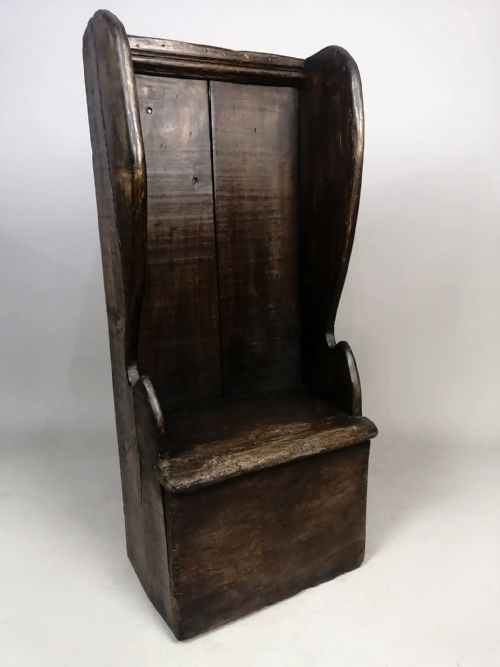
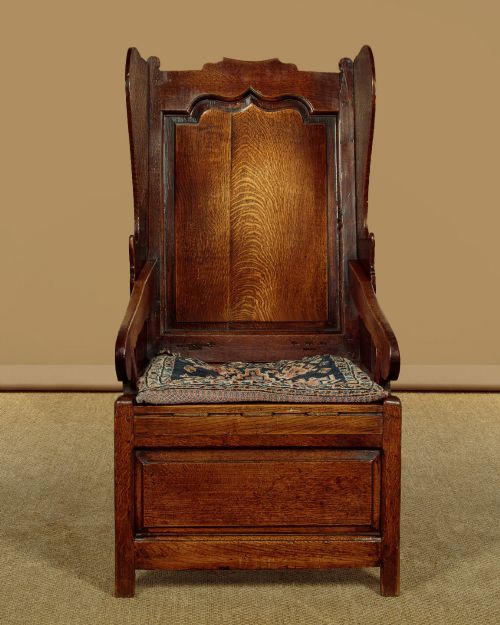
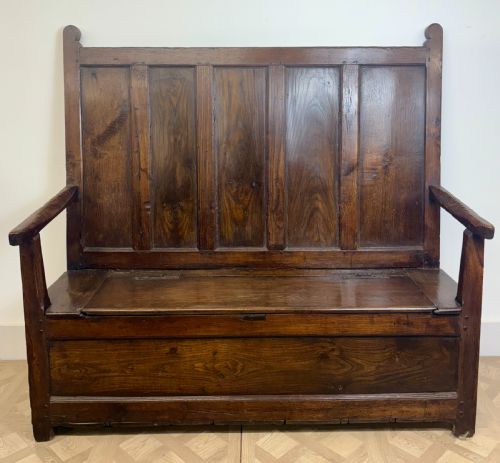
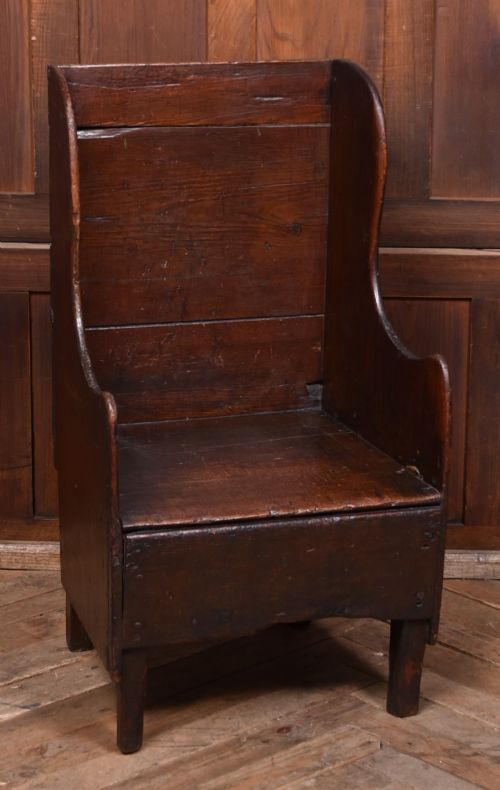
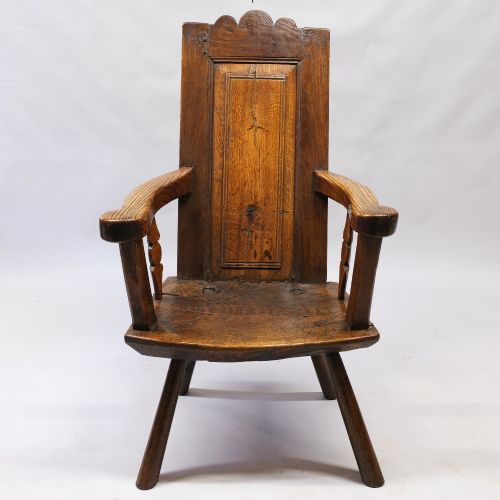
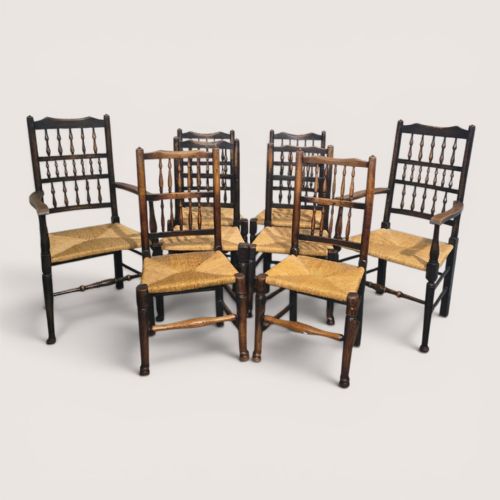
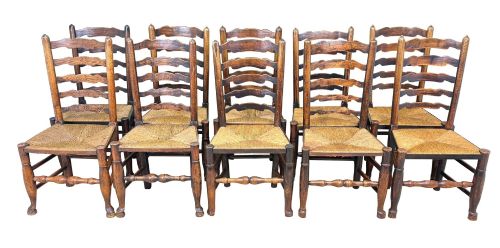
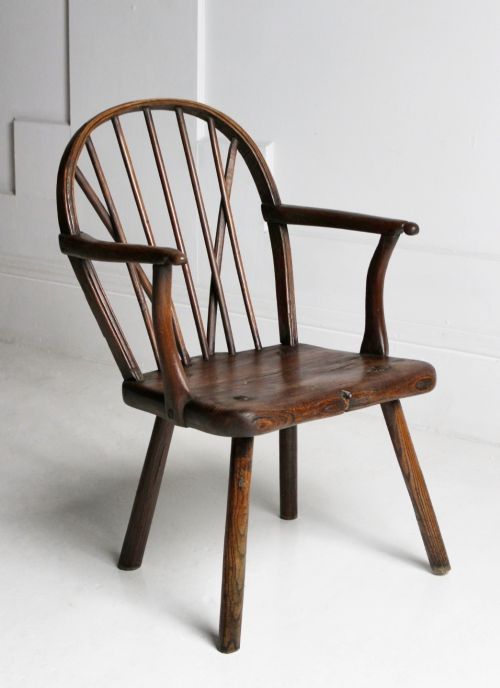
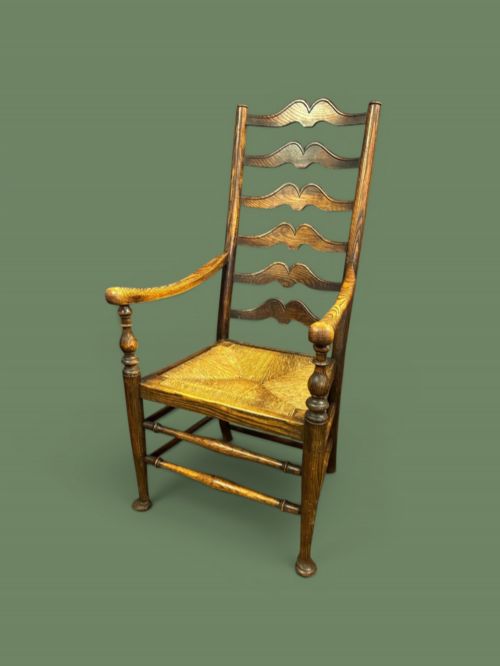
A vernacular oak seat encompasses an array of country chairs, settles, and stools made to serve practical daily life in farmhouses, cottages, and rural homes. The selection here leans heavily towards 18th-century and 19th-century pieces, spanning robust Windsor chairs, ladderbacks, box settles, and low milking stools.
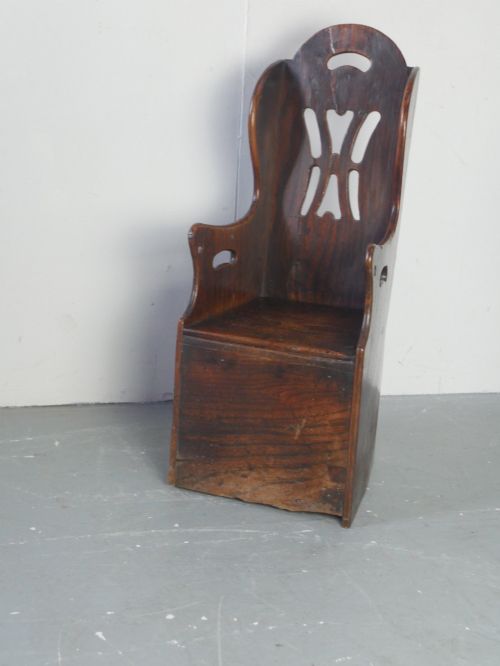
Makers shaped these utilitarian objects for specific domestic uses, producing children's high chairs, rocking chairs, and substantial lambing chairs with protective wing sides. Regional variations emerge from Welsh, Scottish, and English workshops, each following local traditions of form and construction rather than polite metropolitan fashions.
The survival of these items relies entirely on their sturdy build and the durability of domestic timber. Buyers encounter individual armchairs, matching dining sets, and diminutive children's seats that carry the marks of heavy generational use in rural kitchens and hearths.
Judging Quality and Integrity
Quality rests in the integrity of the original construction and the honesty of the surface patination accumulated over centuries. Examples retaining their early painted finishes, uncompromised structural joints, and original timber surfaces stand apart from heavily restored pieces.
Proportion and regional character dictate desirability, where fluent turning on ladderbacks or well-sculpted Windsor bows demonstrate the skill of the rural carpenter. Lesser pieces suffer from inappropriate timber replacements or excessive loss to the feet and stretchers.
Vernacular Oak Seat Retail Price Guide 2026
Typical asking prices for vernacular oak seat among the pieces listed under this phrase on Sellingantiques today, from the lower quarter to the upper quarter. They describe what is for sale here now, not the wider market.
Object types range from milking stools and box settles to Windsor armchairs and children's high chairs.
The Vernacular Oak Seat Glossary
- Vernacular
- An object designed and built by local craftsmen using regional traditions and available materials, free from metropolitan style dictates. These pieces prioritise utility and local habit over academic design.
- Box Settle
- A high-backed wooden bench featuring a closed storage box beneath the seat and solid side panels to block drafts. They sat close to the hearth in early domestic interiors.
- Lambing Chair
- An armchair distinguished by high solid wings curving down to enclose the sitter, traditionally placed near open fires. They frequently incorporate a small under-seat compartment.
- Windsor Chair
- A seating form constructed with a solid wooden saddle seat into which turned legs and back spindles are wedged directly. The bow back version uses a steam-bent piece for the top rail.
- Ladderback
- A chair back formed of horizontal slats set between two upright posts, frequently paired with rush seating. This regional pattern spans generations of farmhouse furniture production.
Vernacular Oak Seat: Frequently Asked Questions
What is a vernacular oak seat?
A vernacular oak seat is a piece of utilitarian country furniture built by local craftsmen for everyday use rather than high-style urban drawing rooms. These items include chairs, settles, and stools constructed from regional woods.
They reflect the domestic habits and practical needs of rural households, utilising local building traditions that vary distinctly by region.
How do I care for antique oak furniture?
Care requires maintaining a stable indoor environment away from direct heat sources and sudden humidity shifts. Regular dusting with a dry cloth keeps the surface clean without stripping the historic finish.
Avoid modern silicone polishes, applying traditional beeswax sparingly if the timber appears dry to preserve the natural patina.
Where were these country chairs made?
Country chairs and seats were produced across rural Britain by local carpenters, wheelwrights, and chair bodgers. Regional variations developed in areas such as Wales, Scotland, Cheshire, and the Thames Valley.
Maker details are rarely recorded because production served immediate local communities rather than national retail markets.
How do I date an 18th century settle?
Dating relies on examining the construction methods, tool marks, joinery techniques, and the wear patterns on the timber. Early 18th-century settles often feature pegged frame-and-panel construction with hand-planed boards.
Changes in proportion and the evolution of arm profiles and stile shapes help distinguish earlier examples from later 19th-century vernacular revivals.