





Verdure Tapestry Wall Art
Verdure tapestry wall art brings woodland foliage, grand foliage scenes, and quiet pastoral views indoors across centuries of weaving tradition.
Verdure Tapestry Wall Art
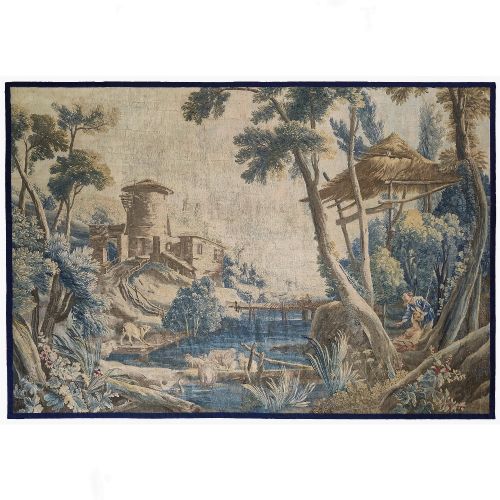
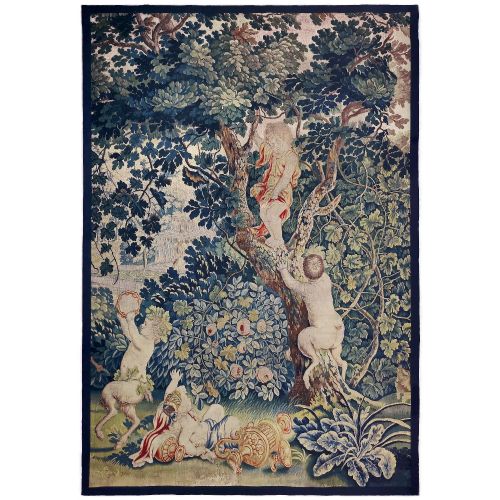
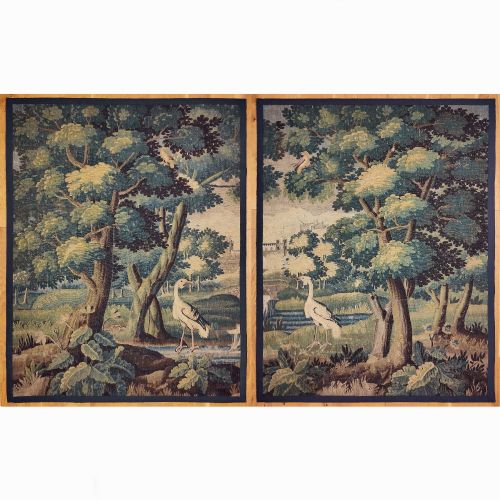
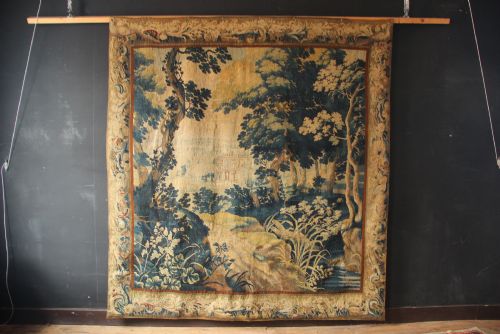
Verdure tapestry wall art comprises woven panels and wall hangings dominated by lush garden views, dense trees, and distant châteaux. These heavy textile panels capture seventeenth-century and eighteenth-century pastoral motifs, featuring dense leaf foliage alongside occasional birds and animals.
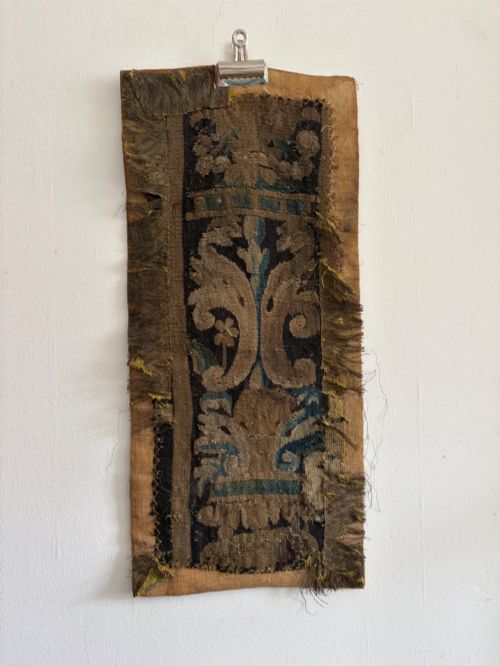
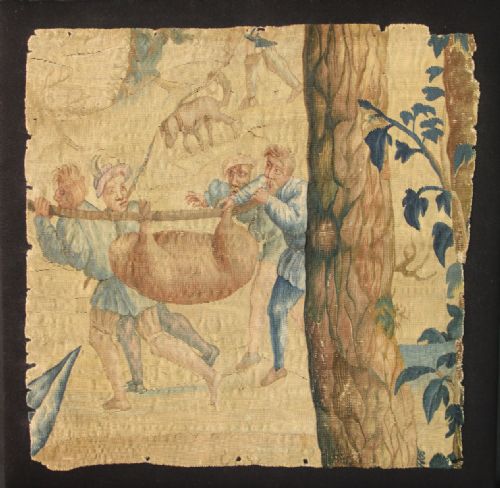
You will encounter various forms on this page, ranging from grand Flemish and Aubusson wall hangings to compact tapestry fragments mounted on linen. The selection spans seventeenth-century origins through to later nineteenth-century French interpretations, including framed woven panels and pairs of matching verdure scenes.
Materials and construction
These woven works rely principally on natural fibres including wool, silk, linen, and cotton. Weavers built up the dense green canopies and floral details using hand-woven techniques that blended these threads over wooden frames.
Many historical pieces utilise wool for the durable structural background alongside silk for finer highlights in the foliage and sky. Structural survival often depends on linen backing or modern mounting support added to preserve fragile textile edges.
Verdure Tapestry Wall Art Retail Price Guide 2026
Typical asking prices for verdure tapestry wall art among the pieces listed under this phrase on Sellingantiques today, from the lower quarter to the upper quarter. They describe what is for sale here now, not the wider market.
Many historical verdure weavers hid tiny imaginary birds deep within the leaves to surprise anyone who spent too long staring at the foliage.
Assessing quality in historical weaves
The distinction between average and exceptional verdure tapestry wall art lies in the complexity of the dye palette and the crispness of the woven detail. Superior examples retain rich blues and deep greens that have resisted fading, whereas lesser pieces suffer from significant colour loss or muddy tones.
Weaving density and pictorial depth also dictate overall execution standards. Master weavers achieved realistic perspective in the forest canopy and animal life, whereas simpler panels present flat, repetitive leaf patterns with minimal variation.
The Verdure Tapestry Wall Art Glossary
- Verdure
- A style of tapestry featuring landscape backgrounds dominated by green foliage, trees, and plants. These scenes frequently incorporate small rivers, châteaux, or hidden birds within the dense woods.
- Aubusson
- A traditional type of French woven tapestry produced in the town of Aubusson. These pieces often depict pastoral landscapes or delicate floral motifs.
- Flemish
- Pertaining to historical workshops in Flanders renowned for large-scale wool and silk weaving. Flemish panels from the seventeenth century typically display deep tonal depth and dramatic foliage.
- Fragment
- A surviving portion of a larger historical textile rather than a complete panel. Fragments are frequently mounted onto linen for display as wall art.
Verdure Tapestry Wall Art: Frequently Asked Questions
How do I hang a heavy tapestry?
Large textile panels require even weight distribution across the upper edge rather than support from a single fixing point. A fabric sleeve sewn to the back allows a sturdy wooden batten or metal rod to slide through for wall mounting.
Smaller fragments mounted on linen often benefit from custom framing behind protective glass or display directly on stretched canvas frames. Ensure the chosen method avoids putting undue stress on the ancient wool and silk fibres.
What is a verdure tapestry?
A verdure tapestry is a textile artwork designed to showcase a stylized forest, garden, or woodland landscape. The dominant visual elements are trees, leaves, and plants, occasionally populated by game birds or distant parkland buildings.
These pieces were originally created in European workshops to insulate stone castle walls and bring outdoor scenes into formal rooms. Today, they serve as substantial decorative wall art spanning several historic centuries.
How can I tell Aubusson from Flemish pieces?
Aubusson weaves typically originate from French workshops and often showcase lighter, more refined pastel palettes with pastoral scenes. Flemish panels generally date slightly earlier and feature heavier, more dramatic green canopies with denser foliage.
Examining the weave tightness and the specific mix of wool and silk helps determine the regional origin of each textile. Comparing the stylistic rendering of trees and architecture further clarifies whether a piece follows French or Flemish traditions.