




Venetian Style Glass Mirror
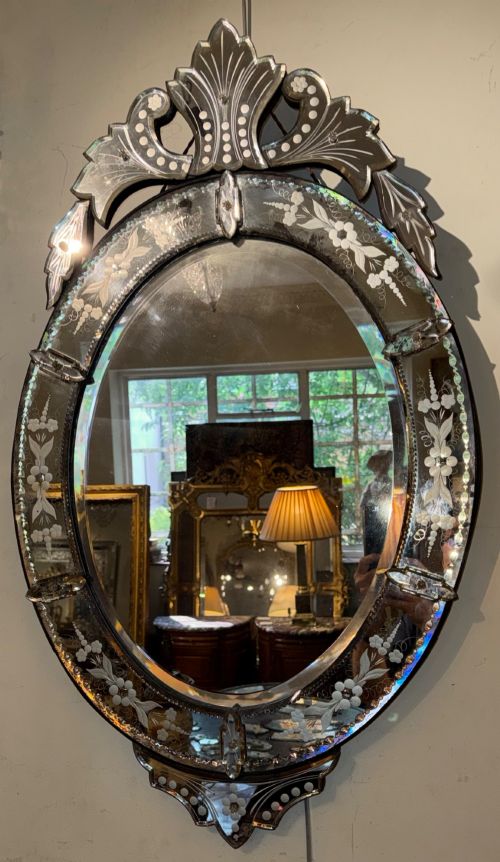
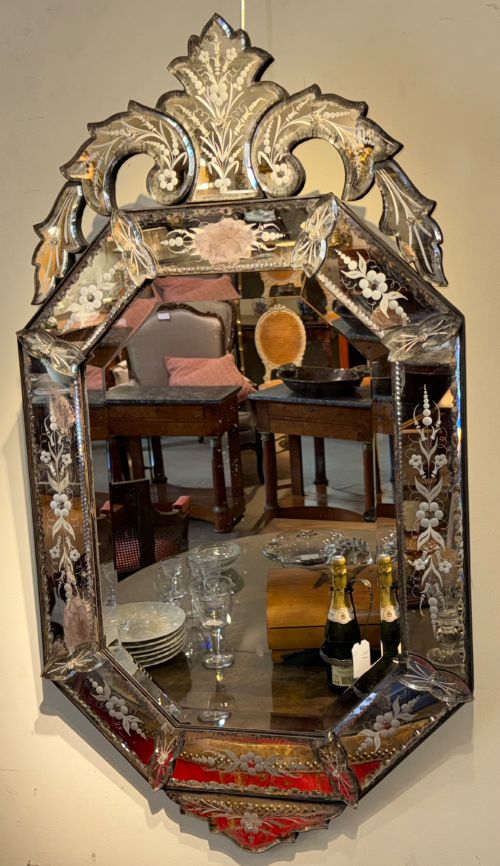
These Venetian style glass mirror pieces bring decorative Italian character to a room through etched plates, carved frames, and traditional glasswork.
Venetian Style Glass Mirror
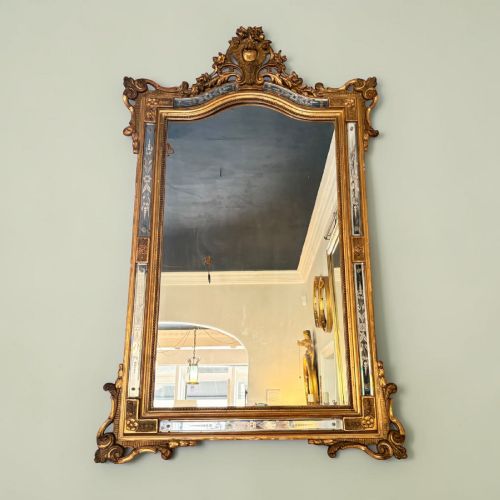
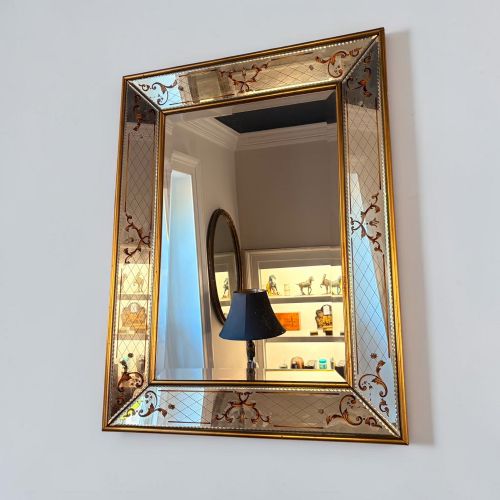
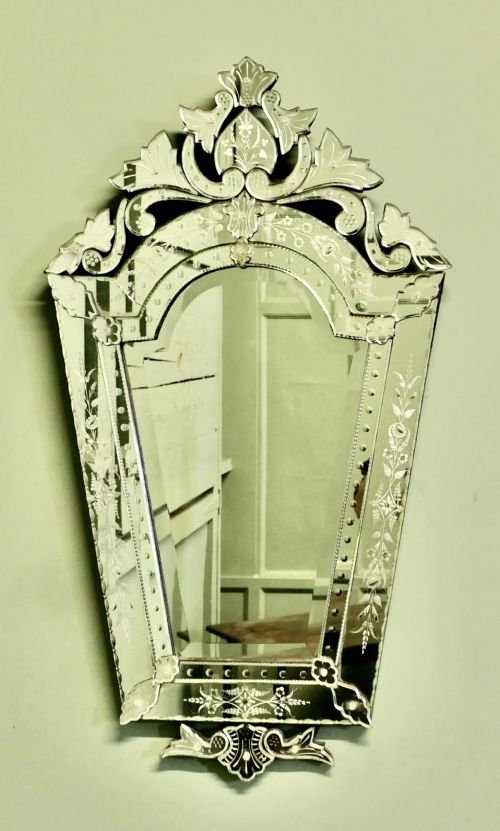
When you search for a venetian style glass mirror, you look at wall mirrors and pier glass forms spanning from the nineteenth century through the mid twentieth century. These pieces draw on Italian Rococo, French Rococo, and Art Deco aesthetics, offering ornamental glasswork alongside carved wooden supports.
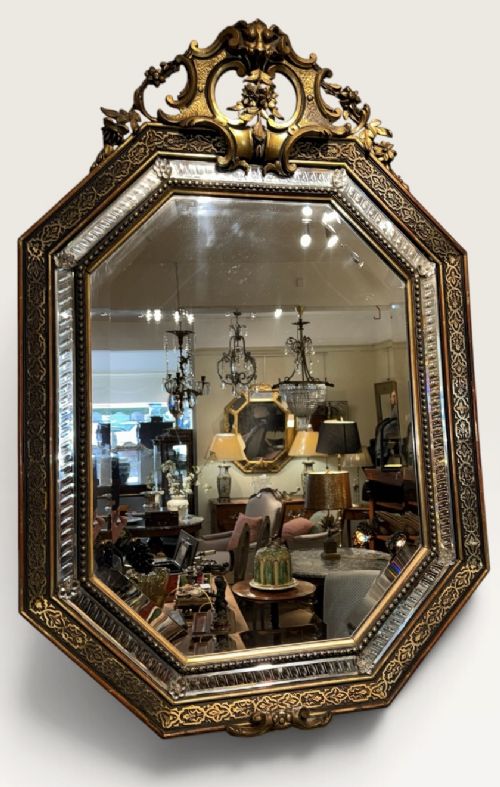
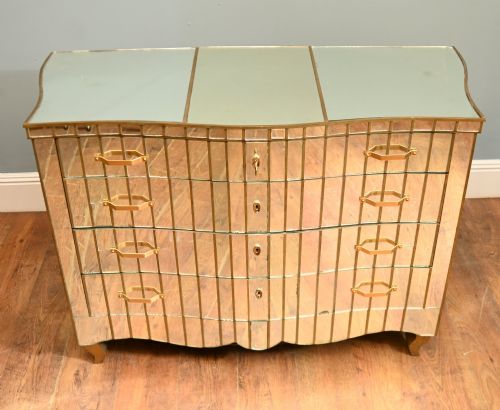
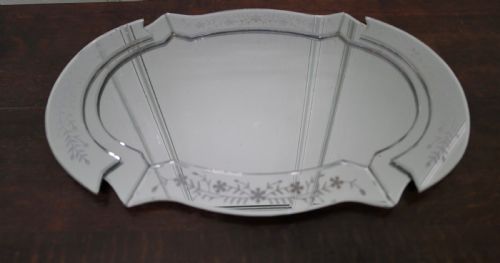
The selection on this page centres heavily on nineteenth century items alongside items from the 1920s, 1930s, and 1950s. You will find cushion mirrors, marginal plates, and etched designs, alongside related items such as mirrored chests of drawers and glass wine trays.
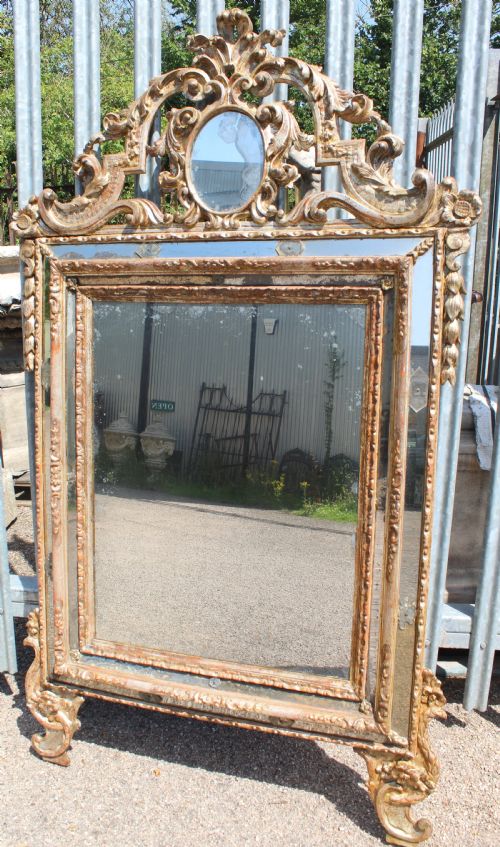
Originating largely from Italian and French workshops, these objects utilise traditional forms that range from restrained giltwood frames to elaborate polychrome and painted surfaces. Each piece reflects the decorative tastes of its period, whether through the curves of revival styles or the cleaner lines of the Art Deco era.
How they were made
Makers constructed the foundational framework using wood, gesso, and brass, often applying gold leaf or paint to the carved surfaces. Giltwood and carved elements provided the structure for complex glass arrangements.
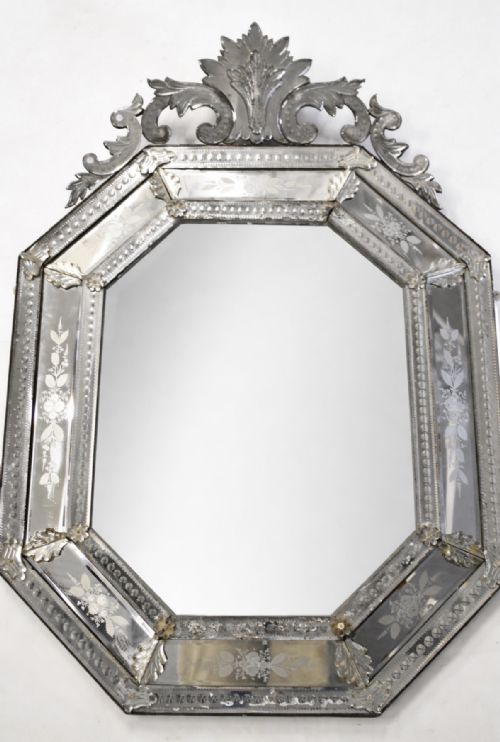
Glass panels were shaped, silvered, and frequently embellished with hand engraving or etching. Craftsmen secured these mirrored plates using decorative glass pins and marginal borders to create layered reflective surfaces.
Venetian Style Glass Mirror Retail Price Guide 2026
Typical asking prices for venetian style glass mirror among the pieces listed under this phrase on Sellingantiques today, from the lower quarter to the upper quarter. They describe what is for sale here now, not the wider market.
Listings include items spanning from the nineteenth century through the 1960s, executed in materials such as giltwood, gesso, brass, and cut glass.
What varies in quality
The sophistication of the hand engraving and the depth of the carved wooden frame distinguish standard examples from finer works. Elaborate polychrome finishes and crisp, deep wheel-cut glass require high levels of artisan skill.
The integrity of the mirrored plates and the complexity of the marginal glass sections dictate the overall visual impact. Superior pieces combine intricate frame carving with clear, well-preserved glass components.
The Venetian Style Glass Mirror Glossary
- Eglomise
- A process of applying gold or silver leaf to glass along with painting and engraving. This technique creates a reflective, metallic panel with decorative borders.
- Cushion mirror
- A mirror style featuring outward-curving sides or marginal plates that angle towards the central glass. This shape enhances light reflection across the room.
- Gesso
- A plaster-like mixture applied to wood frames to create a smooth surface for gilding. It allows craftsmen to carve intricate relief details before applying gold leaf.
- Pier glass
- A tall, narrow mirror designed to hang on the wall between windows. These pieces often coordinate with console tables or chests of drawers placed below.
- Polychrome
- The decoration of objects using multiple colours on the surface. In these pieces, painted details often accent carved giltwood frames.
Venetian Style Glass Mirror: Frequently Asked Questions
How do I date a venetian style glass mirror?
Dating relies on examining the construction of the wooden frame, the backing materials, and the style of the glass engraving. Nineteenth-century examples often feature heavier carved giltwood and hand-beveled plates, while 1930s pieces lean towards Art Deco geometric motifs.
Changes in silvering techniques and mirror glass manufacturing also help narrow down the decade of production. Comparing the decorative motifs against known revival periods provides further chronological context.
Where should I hang a wall mirror?
These mirrors suit spaces where they can reflect natural light, such as opposite a window or above a fireplace mantel. Their decorative frames and etched glass plates function effectively as primary focal points in a hallway or living room.
Ensure the wall structure can support the weight of the wooden frame and glass panels. Proper anchoring is essential for heavier nineteenth-century cushion mirrors and carved giltwood pieces.
What is marginal glass?
Marginal glass refers to individual border pieces that surround the main central mirror plate. These smaller sections are often bevelled, engraved, and held in place by decorative glass clips.
This technique creates a multi-faceted frame that catches light from various angles. It stands as a defining characteristic of traditional Venetian mirror design.
How do I clean an antique glass mirror?
Clean the glass surface gently using a soft, lint-free cloth and a mild glass cleaner sprayed onto the cloth rather than directly onto the glass. Avoid getting moisture into the edges of the plates where the silvering may be vulnerable.
Dust the carved wooden and giltwood frames with a dry brush. Harsh chemicals and abrasive materials should be kept away from both the frame finish and the antique glass.