




Venetian Carved Stand
These venetian carved stand examples combine dramatic figural sculpture with functional display surfaces, offering interiors a distinct theatrical presence.
Venetian Carved Stand
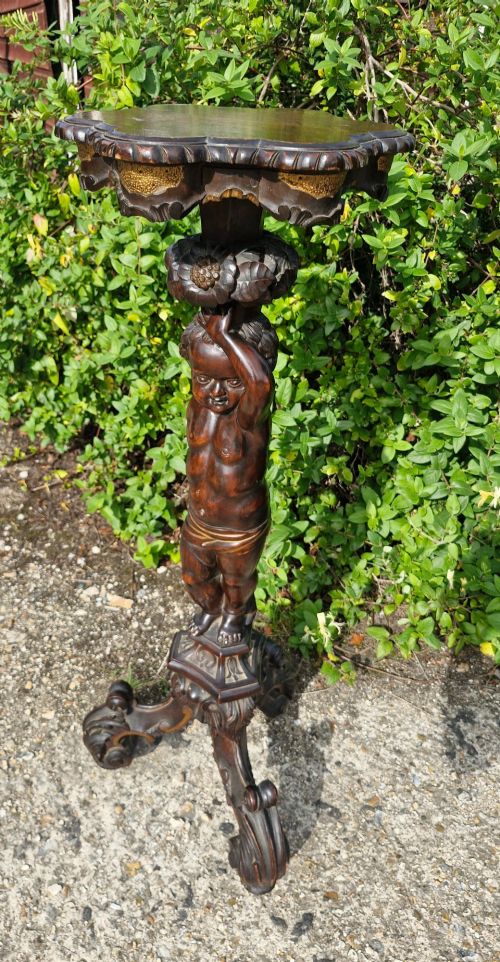
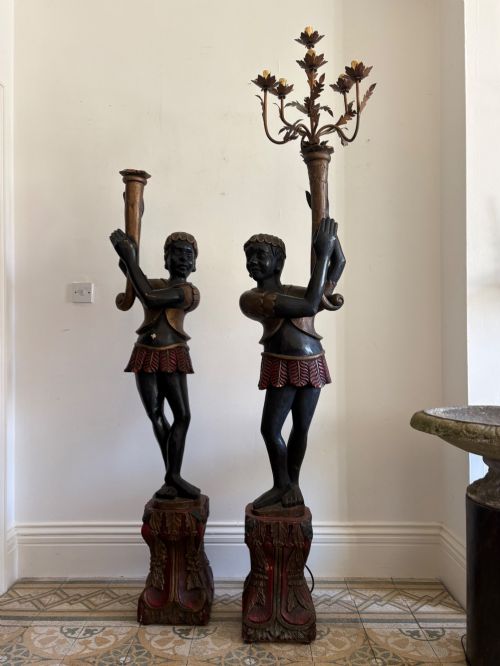
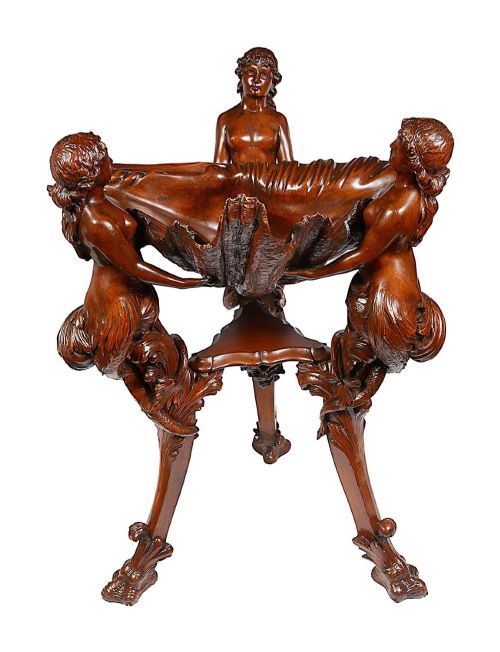
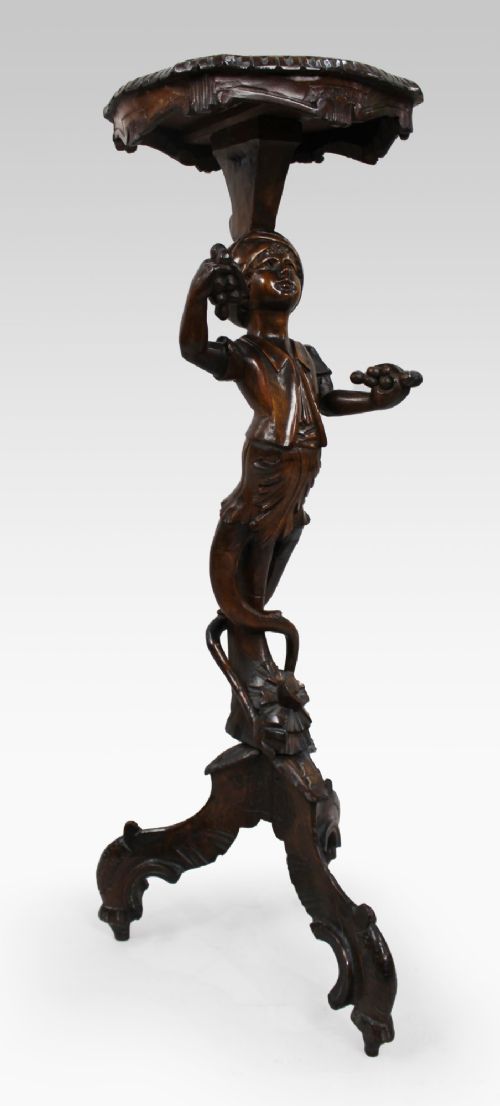
A venetian carved stand typically takes the form of a figural pedestal, torchiere, or small table designed to elevate lamps, planters, or decorative objects. The selection here leans heavily on nineteenth-century craftsmanship, alongside examples from the seventeenth, eighteenth, and early twentieth centuries.
Makers drew directly from historical idioms, producing pieces in Venetian Baroque, Venetian Rococo, and Renaissance Revival styles. Buyers encounter various functional configurations including side tables, plant stands, and standard lamps.
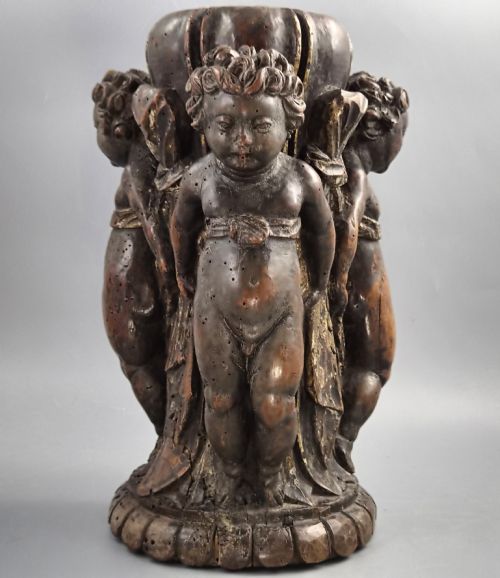
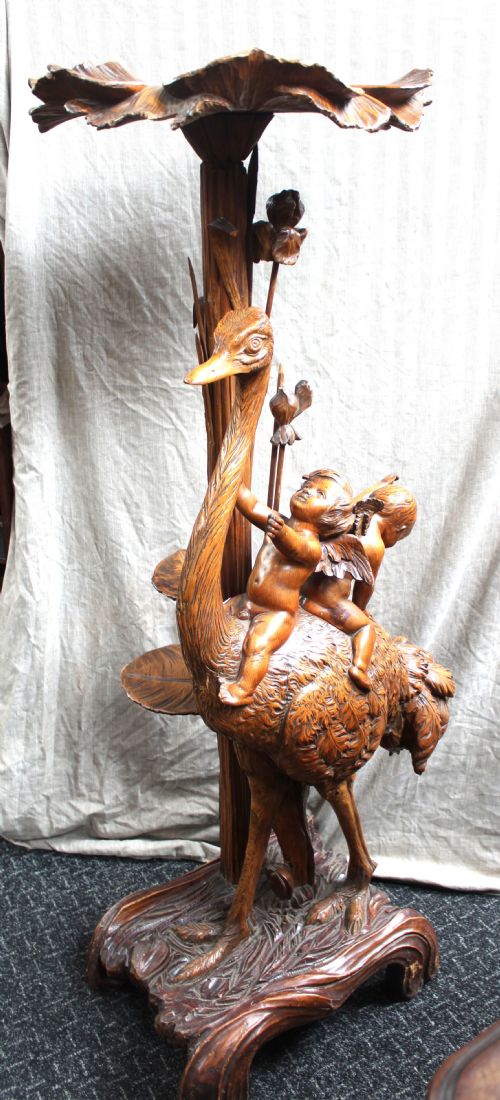
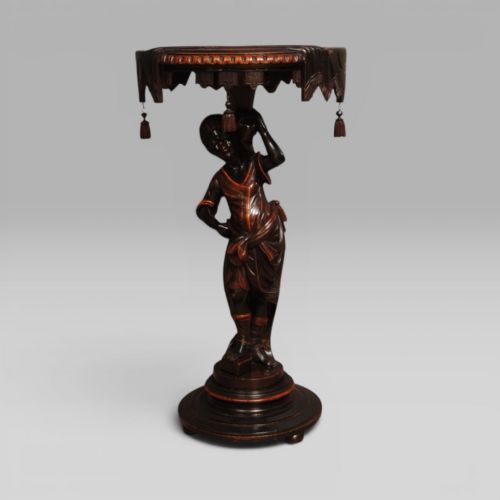
Figural supports dominate the grouping, frequently depicting blackamoor figures or putti carved in the round. These pieces function simultaneously as sculpture and furniture, anchoring corners or flanking doorways.
How they were made
Carved wood forms the structural core of these stands, utilising dense timbers such as walnut to handle complex figural forms and deep relief work. Artisans applied gesso over the wood surface to prepare a smooth foundation for subsequent decoration.
Many surfaces received a rich application of gold leaf, parcel-gilt, or polychrome paint. This combination of carved wood, gesso, and paint delivered the characteristic vibrant colour and dramatic contrast expected from Venetian decorative arts.
Venetian Carved Stand Retail Price Guide 2026
Typical asking prices for venetian carved stand among the pieces listed under this phrase on Sellingantiques today, from the lower quarter to the upper quarter. They describe what is for sale here now, not the wider market.
Several stands double as polite waiters, holding trays out indefinitely without asking for a tip.
What varies in quality
Quality rests primarily in the ambition of the carving and the anatomical accuracy of the figural work. Superior stands display fluid musculature and finely rendered drapery, whereas lesser examples rely on stiffer, more generalized forms.
The sophistication of the surface decoration defines the upper tiers of the market. Original polychrome and gold leaf retain a depth and tonal variation that simpler repainting campaigns fail to replicate.
The Venetian Carved Stand Glossary
- Torchiere
- A tall stand or pedestal originally designed to hold a torch or candle, later adapted for lamps. These pieces provide vertical height in a room scheme.
- Gesso
- A plaster-like mixture applied to wood to create a smooth surface for gilding or painting. It allows carvers to achieve crisp surface detail before finishing.
- Parcel-gilt
- A decorative technique where only specific portions of an object are highlighted with gold leaf. This method creates contrast against a painted or natural wood ground.
- Polychrome
- The practice of decorating surfaces in multiple colours. Venetian makers used this to enhance the theatrical realism of figural stands.
Venetian Carved Stand: Frequently Asked Questions
Where should I place a venetian carved stand?
These pieces suit reception rooms or hallways where their sculptural silhouette can be viewed from multiple angles. They function effectively in corners or flanking larger furniture items.
Ensure the stand sits away from direct heat sources to protect the gesso and painted surfaces from drying and cracking over time.
How do I care for polychrome and gilt surfaces?
Dust the carvings gently with a dry, soft brush to remove debris from recessed areas. Avoid liquid cleaners or chemical polishes which can lift water-soluble paints and gold leaf.
Maintain stable indoor humidity levels to prevent the underlying wood from expanding and destabilising the gesso layer.
What periods do these stands cover?
The selection encompasses seventeenth-century roots through to nineteenth-century revival pieces and early twentieth-century interpretations. Victorian and Edwardian iterations frequently revive earlier Venetian Baroque and Rococo aesthetics.
Dates reflect the period of manufacture rather than the historical era referenced by the style.
Can these stands support heavy items?
Most stands are engineered to hold moderate weights such as table lamps, small planters, or decorative bowls. The stability depends on the base footprint and the posture of the figural support.
Verify the balance of the piece before placing valuable or top-heavy objects on the display surface.