


Veneered Wood Cabinet
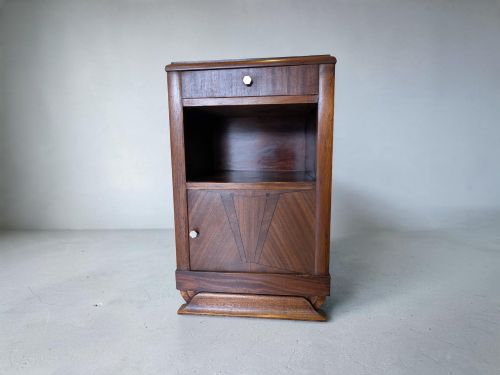
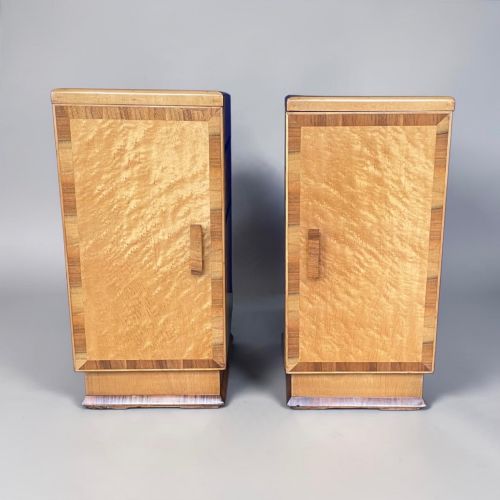
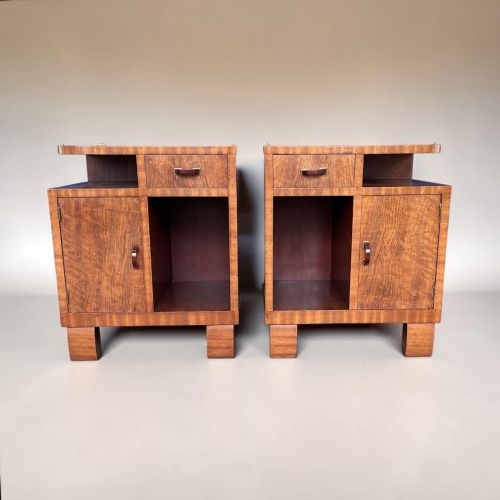
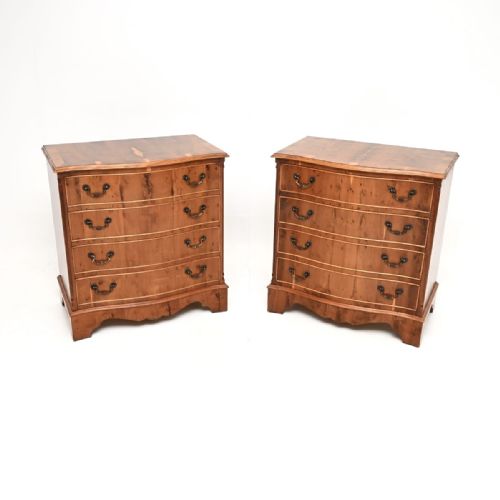
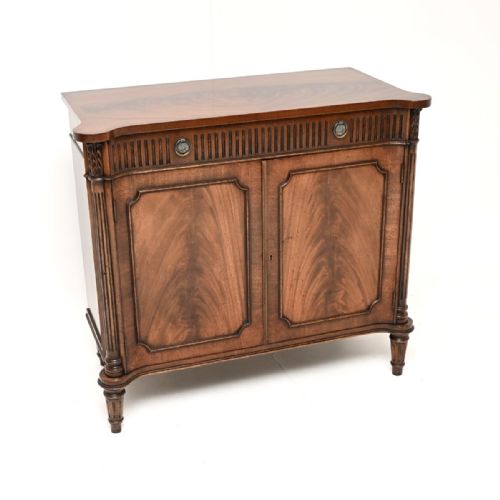
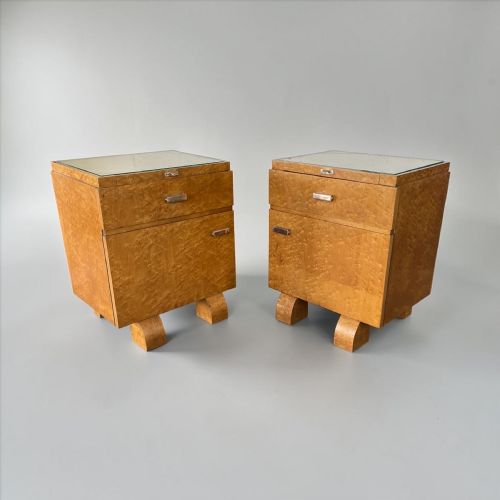
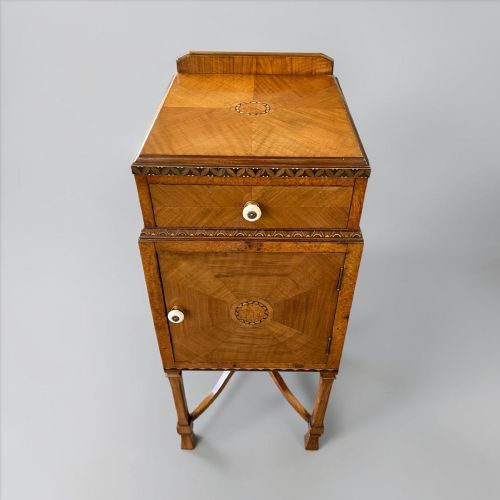
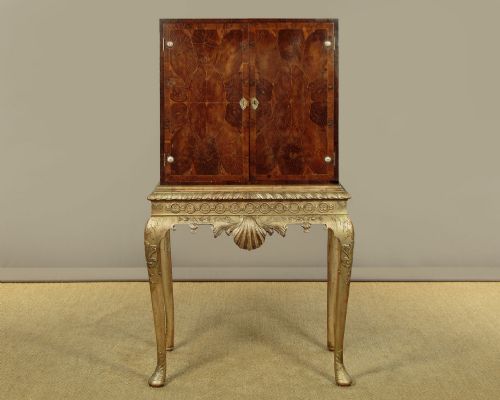
These pieces of furniture display figured and decorative timber surfaces over solid frames, bringing warmth and grain pattern to a room.
Veneered Wood Cabinet
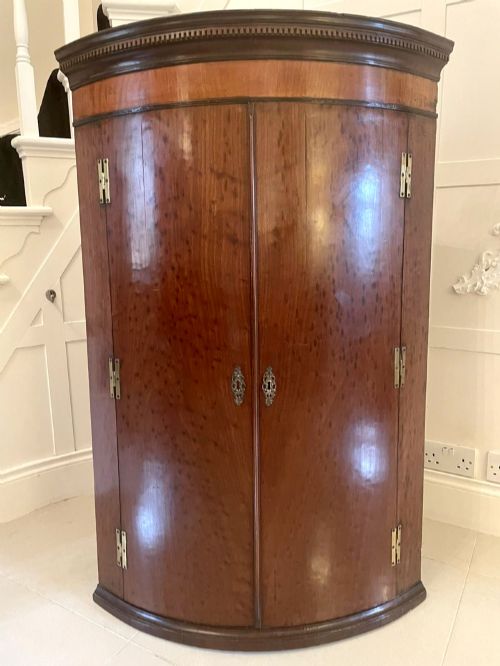
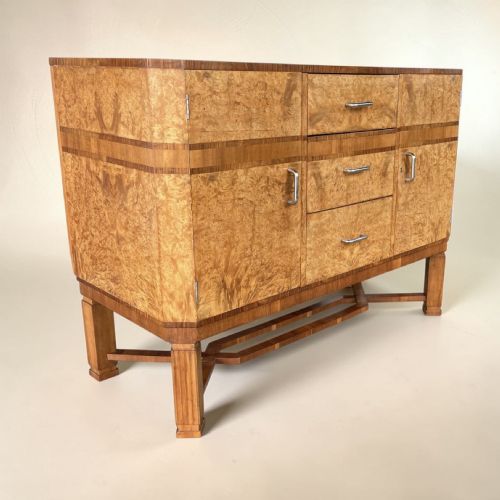
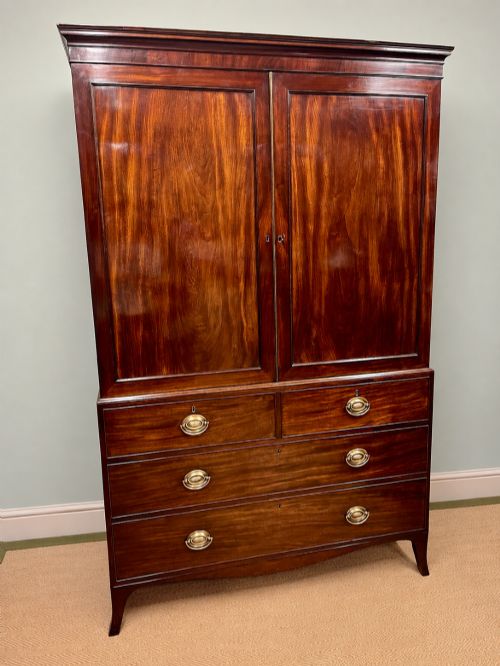
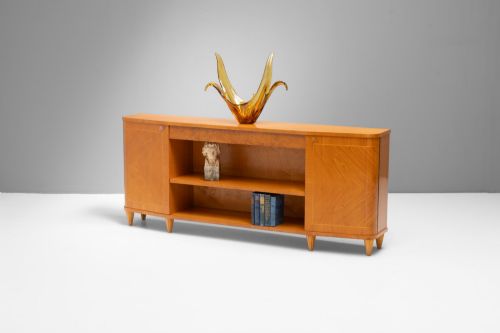
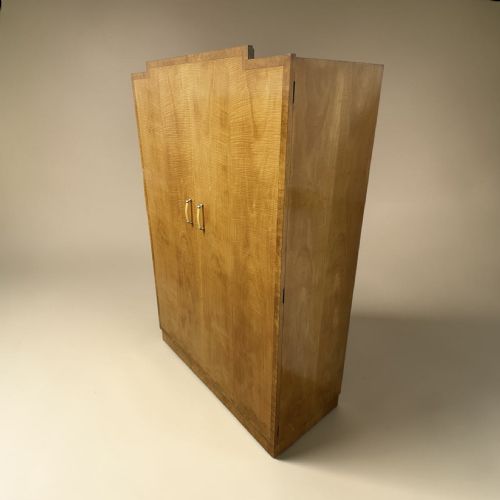
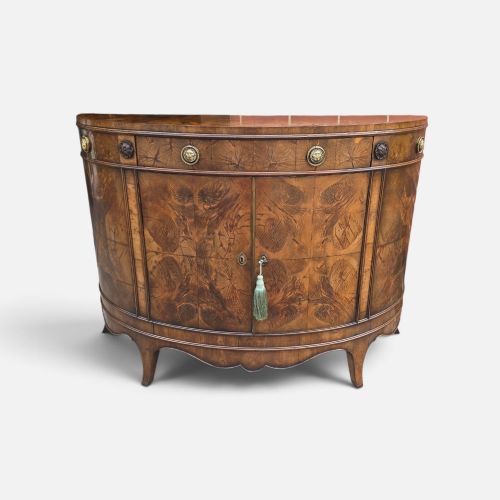
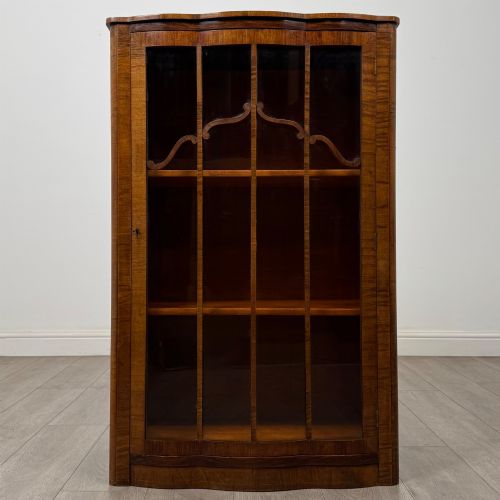
A veneered wood cabinet applies thin layers of decorative timber over a stable underlying structure, creating striking patterns on the face of the furniture. When you search for a veneered wood cabinet, you encounter forms ranging from compact bedside tables and side cabinets to large sideboards, bookcases, and cocktail cabinets.
The selections span multiple eras, notably pieces from the seventeenth century, the Regency period, the nineteenth century, and the nineteen-thirties. Art Deco examples and Georgian style items appear frequently alongside seventeenth century oyster veneer pieces and Victorian display cabinets.
The practical function of these items ranges from bedside storage and linen storage to bookcase display and dining room service. Formats include cabinets on stands, corner units, demi-lune side cabinets, and chests of drawers.
Materials and construction
Cabinet makers utilise diverse timber veneers including walnut, mahogany, yew wood, amboyna, kingwood, burr, fruitwood, elm, mulberry, and olive wood. These decorative slices are laid over carcases of softer or secondary woods to display intricate grain formations.
Surface details incorporate brass mounts, marble tops, glass doors, parquetry, and silver gilt stands. Construction methods balance the stability of the underlying timber with the visual impact of the decorative outer layer.
Veneered Wood Cabinet Retail Price Guide 2026
Typical asking prices for veneered wood cabinet among the pieces listed under this phrase on Sellingantiques today, from the lower quarter to the upper quarter. They describe what is for sale here now, not the wider market.
One recorded bookcase carries a hand sign-written detail for the British Broadcasting Company.
Judging the work
The success of a piece depends on the choice and matching of the timber veneers, such as plum pudding mahogany, burr fruitwood, or oyster veneer. Symmetrical grain alignment and tight parquetry geometry indicate careful execution by the maker.
The integration of secondary materials like marble tops, brass hardware, and glass panels contributes to the overall coherence of the design. The handling of edges, corners, and stands separates standard production from ambitious workshop output.
Coxed & Woster·Bowman Brothers·Sandberg & Co
The Veneered Wood Cabinet Glossary
- Parquetry
- Geometric patterns formed by small pieces of wood fitted together on a surface. This method creates decorative panels on cabinet doors and tabletops.
- Oyster veneer
- Circular sections sliced from smaller branches or roots, producing an oyster-like pattern across the wood surface. Seventeenth century pieces frequently employ this technique.
- Astragal glazed
- A glass door divided by small wooden mouldings or bars into smaller panes. Bookcases and cabinets utilise this glazing to secure the contents while maintaining visibility.
- Bow front
- A convex, outwardly curved front elevation on a chest or cabinet. This shape softens the corners of the furniture and highlights the grain of the wood veneer.
Veneered Wood Cabinet: Frequently Asked Questions
How do I clean a veneered cabinet?
Dust the surface regularly with a soft, dry cloth to prevent accumulation. Avoid abrasive cleaners and excess moisture which can damage the thin timber layer.
Apply a suitable wax polish periodically to nourish the wood and maintain the lustre of the finish. Keep the cabinet away from direct sunlight and heat sources to prevent the veneer from drying out or lifting.
Where should I place a cabinet?
Position the piece in a room with stable temperature and humidity levels to protect the timber and any attached marble or glass elements. Side cabinets and bookcases suit living areas and hallways where their storage and display functions remain accessible.
Ensure the floor is level so that doors and drawers operate smoothly. Avoid damp spaces or areas subject to rapid climate changes.
How do I date a cabinet?
Examine the construction methods, secondary woods, and hardware style to determine the period of manufacture. Seventeenth century pieces often feature oyster veneer, while nineteen-thirties items display Art Deco geometric lines.
Compare the decorative vocabulary, such as parquetry or stringing, against established regional styles. The presence of specific veneers like amboyna or kingwood also offers clues to the era of production.
Are these cabinets sturdy?
The underlying carcase provides structural stability while the veneer serves a decorative role. Proper maintenance ensures the joints and internal framing support daily use.
Cabinets on stands or delicate legs require careful handling when moved. Check that doors and drawers align correctly with the frame.